
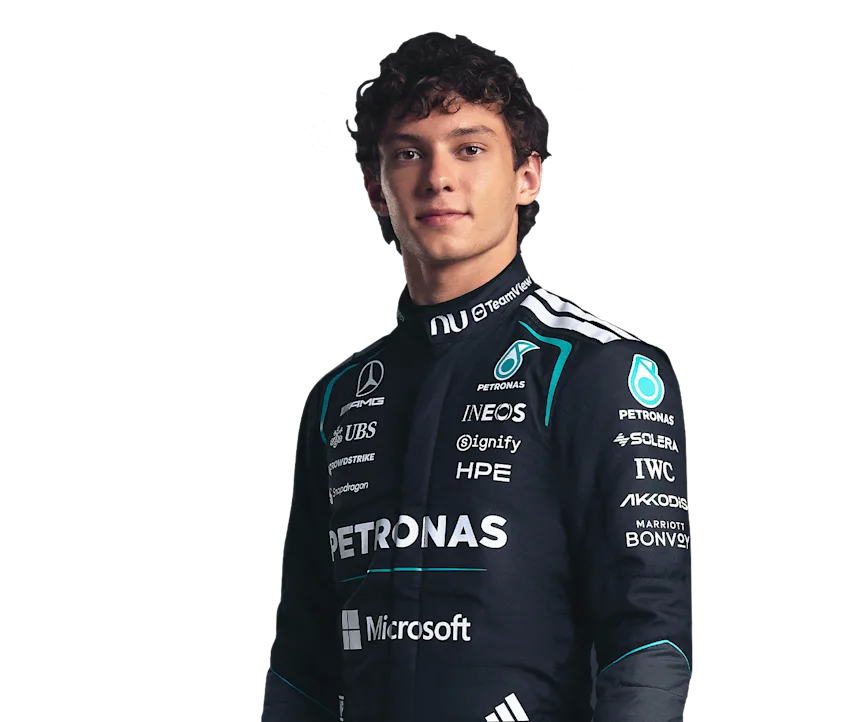
By Paulina Phan, Senior Editorial Contributor | August 3, 2026
There is a particular hush that falls over Formula 1 in August. The factories close their doors, the paddock scatters to yachts and villas and family kitchens, and for two weeks the loudest sport on earth goes quiet. It is the strangest, most delicious pause in racing, because everyone spends it thinking about racing anyway. This summer, the thing everyone is thinking about is the simplest and most electric question in the sport: who wins this championship?
At the summer break, the answer has a clear favorite. Kimi Antonelli leads the drivers' championship by about 45 points over his Mercedes teammate George Russell, with Lewis Hamilton third in his first Ferrari season, Lando Norris fourth and rising fast on the back of McLaren's upgrades, and Max Verstappen, the four-time champion, still winless in 2026 and now fighting, by all appearances, for pride. Mercedes holds a constructors' cushion, but the momentum belongs to McLaren, and both Mercedes drivers have said so out loud. Antonelli himself declared McLaren "the new fastest team," while Russell called them "the one to beat." When the championship leader and his closest rival agree on who scares them, you should listen.
Ten races remain after the break, a run that sweeps from the dunes of Zandvoort to the temples of speed at Monza, the neon of Singapore, the wide Texas skies of Austin, and the strip-lit spectacle of Las Vegas. This is the stretch where titles are won and lost, and where the 2026 season, already the most fascinating in years, will write its ending. So pour something cold, settle in, and let us take stock of exactly where things stand and what each contender needs when the lights go out again.
The Standings at the Break
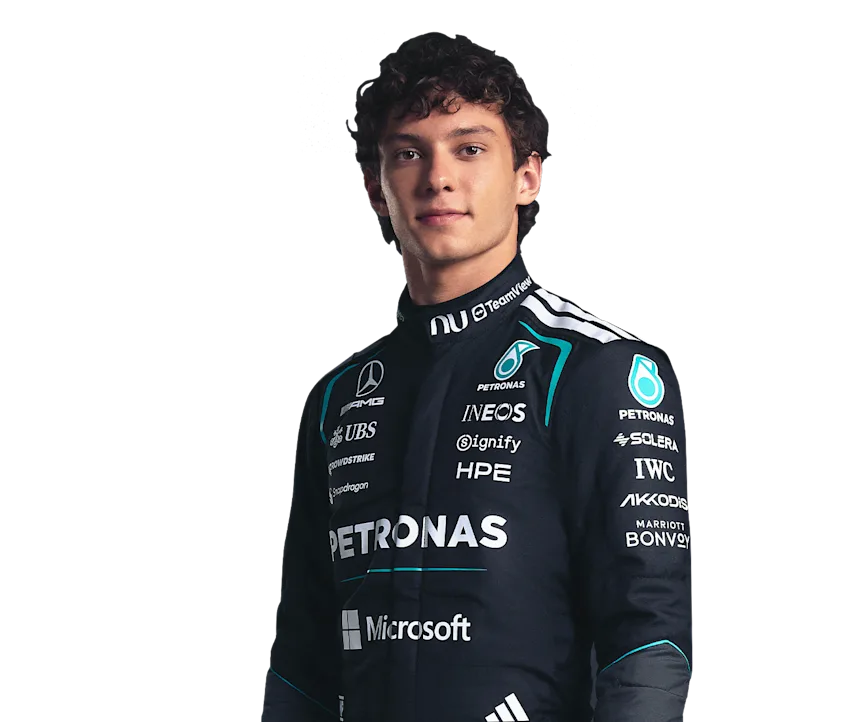
Kimi's 45 points of daylight
Let us start with the headline, because it deserves to be said plainly: the kid is leading the world championship by about 45 points, and nobody is quite sure anymore whether to call him a prodigy or a phenomenon. Kimi Antonelli arrived in Formula 1 with the kind of hype that usually ends in tears, the youngest driver on the grid carrying the weight of a generational talent tag, and he has responded by simply being faster, calmer, and more consistent than everyone else for most of the season. A 45-point lead at the summer break is not an accident. It is a statement, built race after race, and it puts him in the kind of position where the championship starts to bend toward him.
What makes the lead so impressive is how he has built it. Antonelli has not needed to win every weekend; he has needed to be there every weekend, banking the big points when the win was available and limiting the damage when it was not. That is championship driving, the unglamorous art of turning bad days into decent days, and he is doing it in only his second full season in the sport. One imagines the Mercedes motorhome at the break, half celebration and half disbelief, because even the team that signed him could not have scripted it quite like this.
The number to hold in your head is 45. It is more than a race win's worth of points, less than two, which means Russell cannot erase it in a single Sunday. He needs a run, a stretch of weekends where he outscores his teammate again and again, and he needs Antonelli to stumble at least once. At 45 points, the leader can afford a bad weekend. The chaser cannot. That is the entire psychology of the run-in, and it favors the teenager.
George Russell's last stand
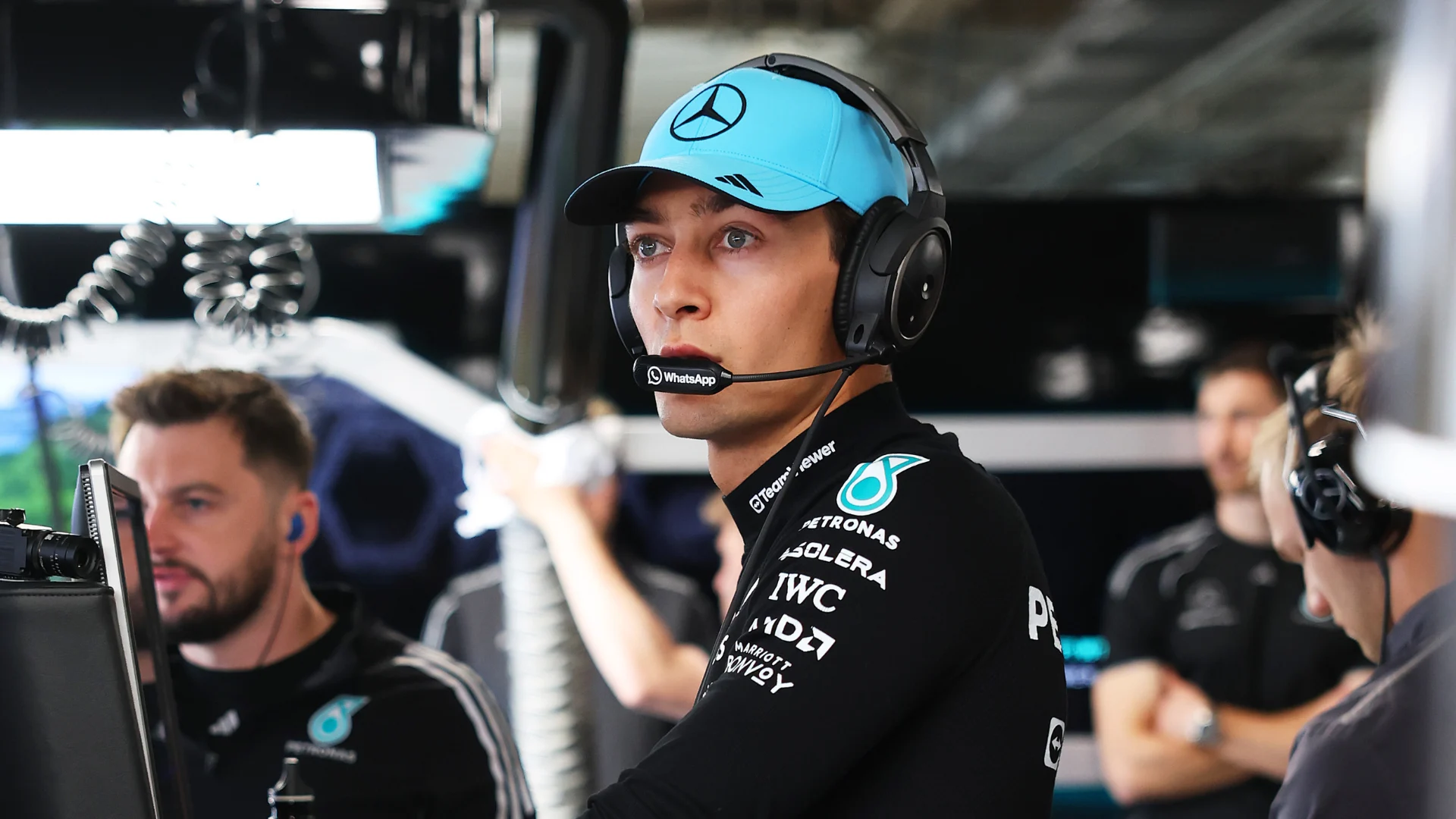
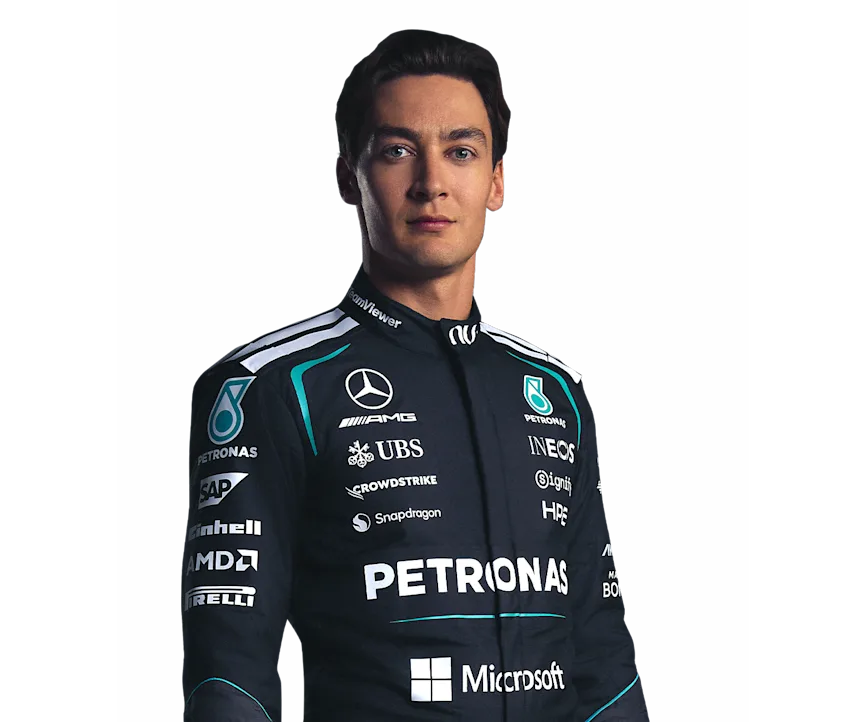
If Antonelli is the story of the season, George Russell is the subplot that refuses to go away. The senior Mercedes driver, the one who was supposed to be the team's present while Antonelli was its future, sits second, about 45 points back, and the uncomfortable truth is that his own teammate is now the future and the present at once. Russell has been quick all season, genuinely quick, the kind of quick that would win a championship in most years. This is not most years.
What Russell needs is brutally simple and brutally hard: he needs to beat Antonelli, regularly, starting at Zandvoort. Not once, not in a flash of brilliance at a track he loves, but as a pattern, a drumbeat of outscoring the other side of the garage. He also needs help from the calendar. The circuits coming up include Zandvoort, Monza, Singapore, Austin, and Las Vegas, and somewhere in that mix he needs a weekend where everything falls his way while Antonelli has a shocker. It is the oldest script in racing, the veteran hunting the youngster, and Russell has the pace to write it. Whether he has the time is another question.
There is something quietly compelling about Russell's position. He is the establishment driver in a season that keeps rewarding the new, and he has handled the indignity of being outscored by a teammate half his age with real grace. But grace does not win championships. Ten races is enough time for anything, as every F1 fan knows, and Russell will know better than anyone that the season's longest odds sometimes produce its sweetest stories.
Lewis in red, third and steady
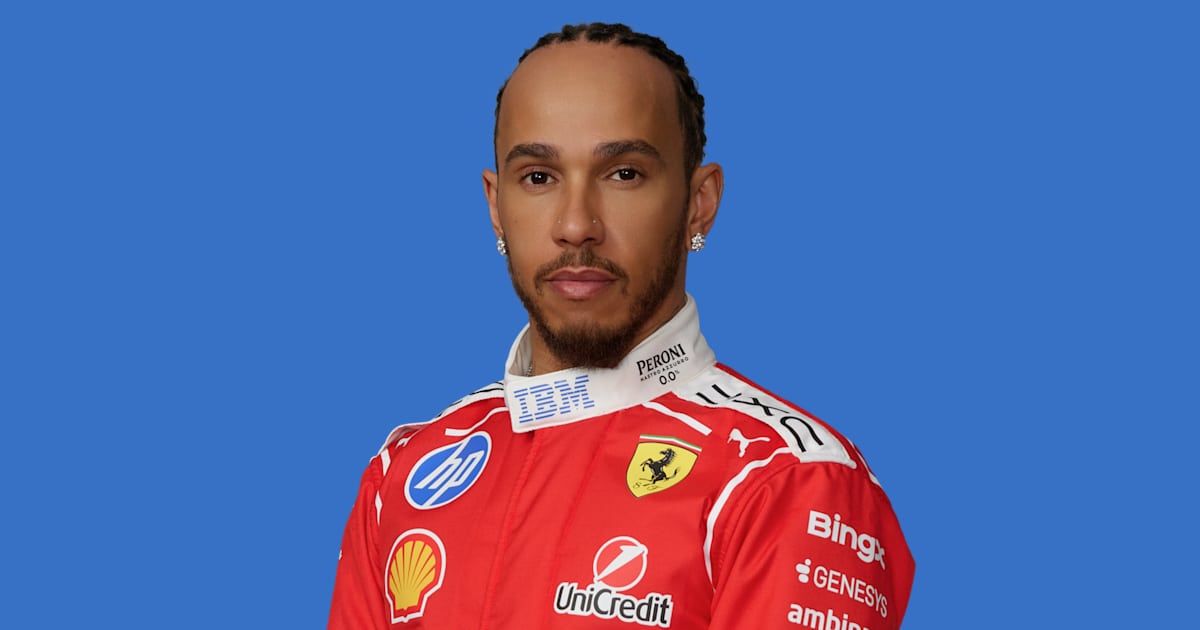
And then there is Lewis Hamilton, third in the championship, in red, and somehow still the most interesting man in every room he walks into. His first season with Ferrari was always going to be a project rather than a coronation, a seven-time champion learning a new team, a new car, and a new way of working at the very moment the regulations were rewritten around him. To sit third at the break, in the mix, in a Ferrari, is a genuine achievement, whatever the gap to the top two.
Hamilton's path to the title is the longest of the contenders, and he will know it. He needs wins, plural, and he needs the Mercedes pair to start taking points off each other in a way that lets him slip through the middle. But if anyone can conjure a second-half surge from nowhere, it is the driver who has made a career of exactly that. The Ferrari is coming to him, slowly, and the run-in features circuits where he has always shone. Write him off and he will make you regret it; that has been true for nearly two decades now.
There is also the romance of it, which matters in a way the stopwatch cannot measure. A Hamilton championship with Ferrari, in the first year of the biggest rule reset in decades, would be one of the great stories in the sport's history. The tifosi dream of it the way other fanbases dream of rain. It is a long shot, but long shots with Lewis Hamilton have a habit of landing.
Lando rising, Max winless
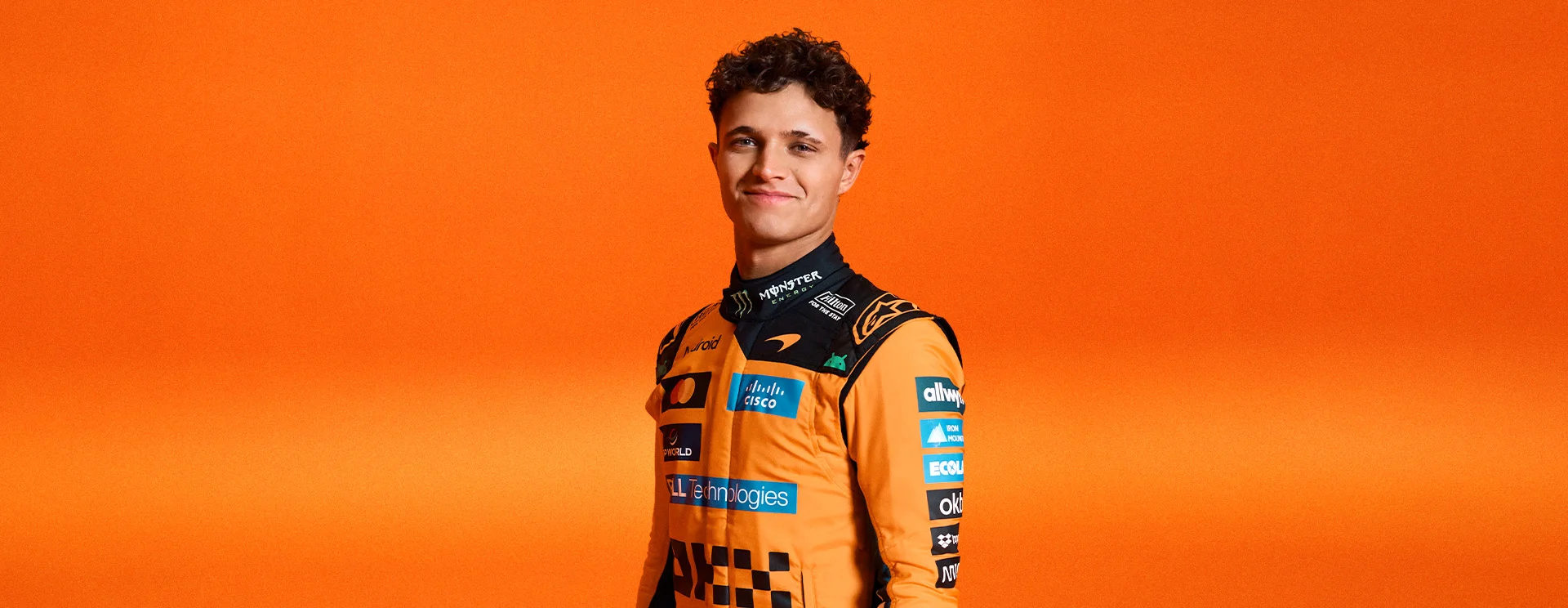
The two most fascinating names in the standings might be the ones in fourth and fifth. Lando Norris is fourth, and the direction of travel is unmistakable: up. McLaren's upgrades have transformed the car, and Norris has transformed with it, driving with the confidence of a man who can feel the machinery underneath him finally matching his ambition. Both Mercedes drivers have named McLaren the team to beat. When your rivals anoint you, the target is real.
Norris needs what Russell needs, only more of it: wins, consistency, and chaos ahead of him. The gap is bigger, the task steeper, but the momentum is the best in the paddock, and momentum in August has a way of becoming destiny in November. If the pattern holds and McLaren keeps developing at this rate, Norris could easily end the season as the driver nobody wanted to face.
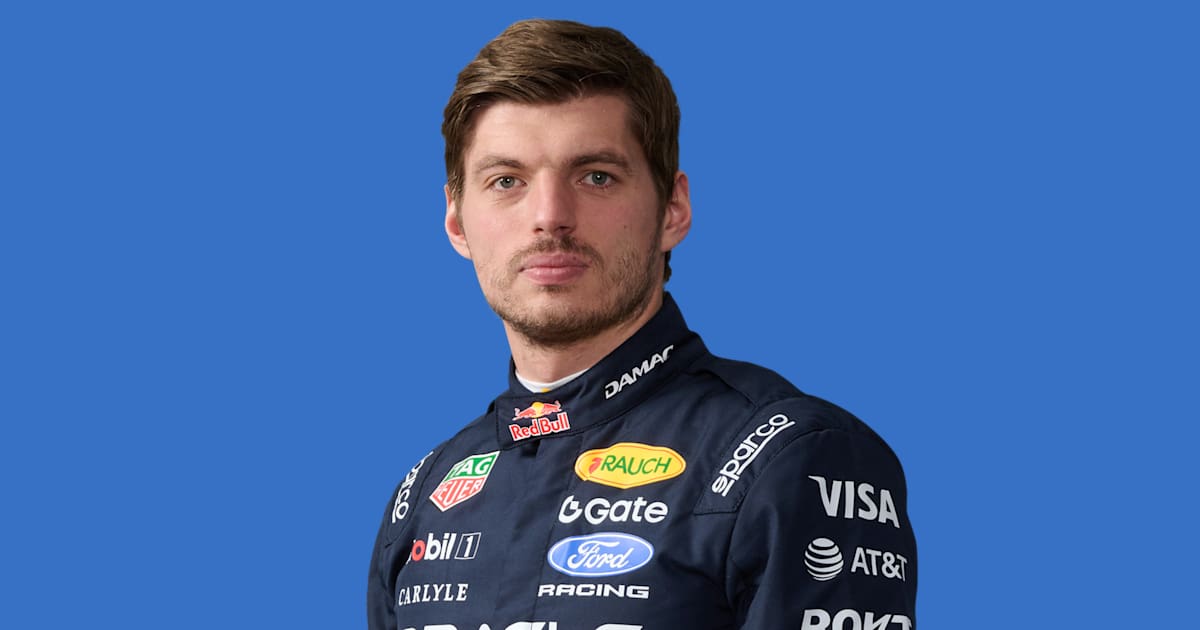
And then Max. Max Verstappen, four-time world champion, winless in 2026, fighting for pride. Read that sentence again, because it still does not quite compute. This is a driver who has known nothing but winning for years, who measures seasons in championships, now spending a season learning what the other 90 percent of the grid feels like. The facts are stark: no wins, a huge deficit, a title defense that never got started.
What does Verstappen need? In the strict mathematics of the championship, he needs a miracle. But pride is its own championship, and Verstappen has never been the type to cruise. What he needs, what the sport needs from him, is wins. A winless season for Max Verstappen would be a footnote nobody wants to write, and you can be certain he will spend the final ten races making sure it never happens. The Dutch Grand Prix at Zandvoort, his home race, comes right after the break. If there is one weekend where pride, pressure, and 325,000 fans in orange could bend reality, it is that one.
The Constructors' Chessboard
The drivers' title gets the poetry, but the constructors' championship is where the money, the pride, and the wind tunnel hours live, and at the break the picture is deliciously tense. Mercedes has the cushion, the points in the bank, the most consistent driver pairing in the sport. Antonelli and Russell have been a metronome of big results, and consistency is what builds constructors' leads. But McLaren has the momentum, the development curve, and the car that both Mercedes drivers are openly worried about.
This is the classic August dilemma: do you trust the bank balance or the trajectory? Mercedes can afford to look over its shoulder; McLaren is the one gaining. Antonelli calling McLaren "the new fastest team" was not politeness. It was a weather report. Russell's "the one to beat" was the same forecast in different words. When the team leading both championships is telling you who it fears, the second half of the season has a script, and it is orange.
What McLaren needs is simple: keep the upgrades coming, keep both cars scoring, and let the Mercedes pair's internal title fight do some of the work for them. What Mercedes needs is equally simple and much harder: keep developing a car that is already good enough to lead, while managing a teammate rivalry that could turn every race into a civil war. The constructors' title is often decided not by the fastest car but by the team that makes the fewest mistakes in the autumn. Ten races, two teams, one trajectory each. This one might go to the wire. And honestly, that is exactly what a regulation-reset season should deliver: two philosophies, two trajectories, and an autumn where every upgrade package lands like a plot twist.
The New Rules, The New World
It is worth pausing, in the quiet of the break, to appreciate what this season actually is. 2026 brought the biggest regulation reset in decades: all-new power units with roughly a 50/50 split between combustion and electric power, active aerodynamics replacing the old DRS system, 100% sustainable renewable fuels, and smaller, lighter cars. The sport essentially rebuilt itself from the engine up, and then asked everyone to race the results.
The grid rebuilt itself too. Eleven teams now line up, with Audi arriving as a full works entry, Cadillac joining as the new American team, and the Aston Martin-Honda works partnership adding another heavyweight to the fight. It is the most crowded, most ambitious grid in years, and the reset was supposed to shuffle the deck completely.
And then there is the absence that hangs over the calendar. The Bahrain and Saudi Arabian rounds were cancelled due to the Middle East conflict, a reminder that this sport, for all its glamour, does not float above the world. The paddock adapted, the calendar flexed, and the season rolled on, but those missing races are part of the texture of 2026, the year everything changed and some things simply stopped.
That is the context for Antonelli's lead and McLaren's rise. In a year when everyone started from zero, the teams that understood the new rules fastest are the teams at the front. Mercedes understood the power unit. McLaren is understanding the development race. The break is the last deep breath before we find out who understood everything.
Ten Races Left
The run-in is a tour of the sport's greatest hits and strangest spectacles. It begins at Zandvoort, where the Dutch Grand Prix will be run for the last time and 325,000 fans will turn the dunes orange for Max Verstappen's homecoming. Then Monza, the temple of speed, where the tifosi will will Ferrari forward with a noise you can feel in your teeth. Then Singapore under the lights, the most glamorous and most grueling night on the calendar, a street circuit that punishes the slightest lapse.
Then the flyaways: Austin, with its wide Texas skies and its amphitheater of a first sector, and Las Vegas, the strip-lit fever dream that closes the year in pure spectacle. Somewhere in that sequence, the championship will be decided, and the variety of the circuits is exactly why the break matters so much. A car that is fastest at Zandvoort's banking may not be fastest under Singapore's lights. Development never sleeps, even when the factories are closed, and the teams that return with the best upgrades often decide the autumn.
For the contenders, the calendar is a checklist of opportunity. Russell needs circuits where he can beat Antonelli head to head. Norris needs tracks that reward McLaren's development curve. Hamilton needs the kind of chaotic, high-drama weekends where experience counts double. Verstappen needs, simply, a win, anywhere, to remind everyone, including himself, who he is. Ten races. Five named above, five more besides. Every one of them a chance.
The Summer Break Vibe
There is a reason the August break feels different from any other pause in sports. In most leagues, the offseason is an ending. In Formula 1, the summer break is an intermission, two weeks where the plot is frozen mid-sentence and everyone, drivers and fans alike, gets to imagine the ending. The drivers post their holidays, the engineers actually sleep, and the rest of us refresh news feeds that have gone quiet, doing championship math in our heads like it is a second job.
This year's intermission has a particular flavor because the story is so good. A teenage championship leader. His veteran teammate hunting him. A seven-time champion in red, lurking. A papaya rocket ship coming from behind. A four-time champion with zero wins and everything to prove. If you were scripting a season for maximum drama, you could not do better, and the break is the moment to savor it before the sprint to the finish.
So here is the state of play, one last time, as the paddock packs its beach bags. Antonelli leads by about 45 and needs to keep doing what he is doing. Russell is 45 back and needs a run. Hamilton is third and needs wins and chaos. Norris is fourth, rising, and needs the McLaren trajectory to hold. Verstappen is winless and needs, above all, to win. Mercedes has the cushion; McLaren has the momentum. Ten races remain. When the lights go out at Zandvoort, the quiet will be over, and the best season in years will get the ending it deserves.
FAQ
Who leads the F1 championship at the 2026 summer break?
Kimi Antonelli leads the drivers' championship by about 45 points over his Mercedes teammate George Russell. Lewis Hamilton is third in his first season with Ferrari, Lando Norris is fourth with McLaren on the rise, and Max Verstappen is still winless in 2026.
Which team is fastest heading into the second half of the season?
Mercedes leads the constructors' championship and holds a points cushion, but McLaren has the momentum after a strong run of upgrades. Both Antonelli and Russell have publicly named McLaren as the team to beat, with Antonelli calling them "the new fastest team."
How many races are left in the 2026 season?
Ten races remain after the summer break. The run-in includes Zandvoort, Monza, Singapore, Austin, and Las Vegas among its stops.
What changed in Formula 1 in 2026?
2026 brought the biggest regulation reset in decades: new power units with roughly a 50/50 split between combustion and electric power, active aerodynamics replacing DRS, 100% renewable fuels, and smaller cars. The grid grew to 11 teams with Audi joining as a full works entry, Cadillac arriving as the new American team, and the Aston Martin-Honda works partnership. The Bahrain and Saudi Arabian rounds were cancelled due to the Middle East conflict.
A Note on Sources
Championship positions, points gaps, driver quotes about McLaren, the remaining race count, the circuits on the run-in, and the details of the 2026 regulation changes, new teams, and cancelled rounds in this feature are based on the official season picture as of the August 2026 summer break, cross-checked against Formula1.com reporting and official team communications.