
By Paulina Phan, Senior Editorial Contributor | August 5, 2026
If the championship fight is Formula 1's main stage, silly season is the delicious backstage drama, all whispered phone calls, carefully worded denials, and announcements timed for maximum chaos. And this August, with the factories dark and the drivers on holiday, the 2027 grid is taking shape in real time. Williams just ended months of speculation by locking in both of its drivers. Mercedes, meanwhile, is sitting on the two most interesting unsigned situations in the sport. And the Max Verstappen question, the one that has hovered over the entire season like a storm cloud in team kit, still has no answer.
Silly season has its own rhythm, and it is worth learning if you want to enjoy the next few weeks properly. Nothing happens, nothing happens, nothing happens, and then three announcements drop on the same Tuesday and your group chat explodes. We are currently in the nothing-happens phase, which is exactly when the real work gets done. Managers are calling team principals. Team principals are calling owners. Drivers are posting suspiciously serene holiday photos while their representatives do the sweating. By the time the paddock reconvenes at Zandvoort, the 2027 grid could look very different, or exactly the same, and both outcomes would be fascinating.
Here is where things stand: who is safe, who is sweating, and which dominoes are still standing.
Williams Locks the Doors
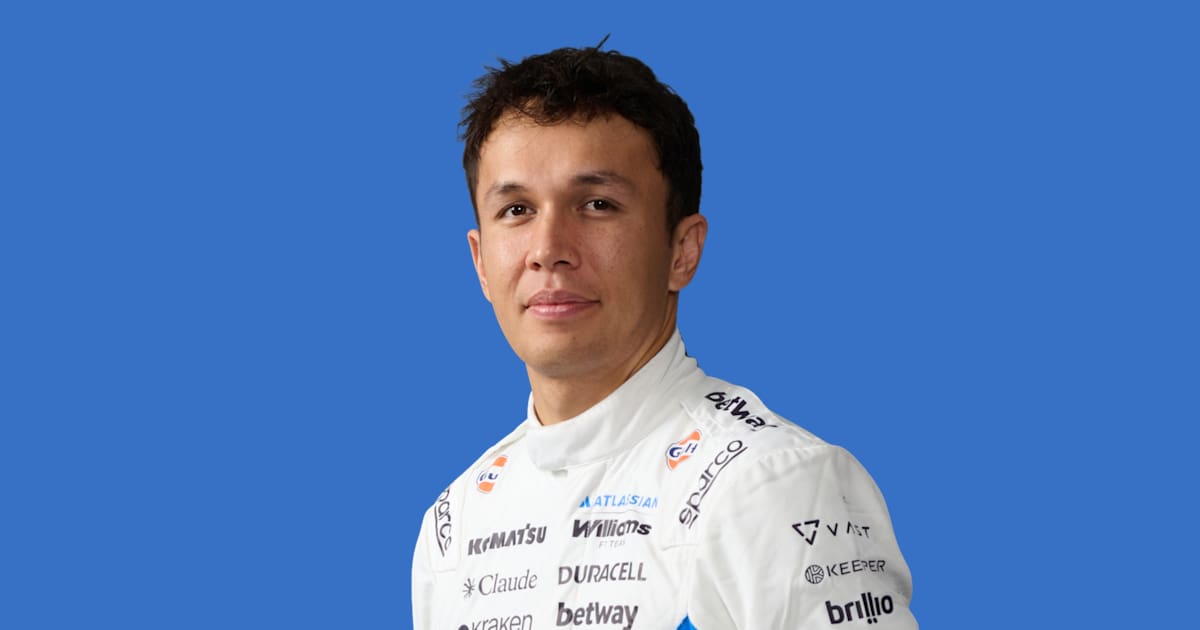
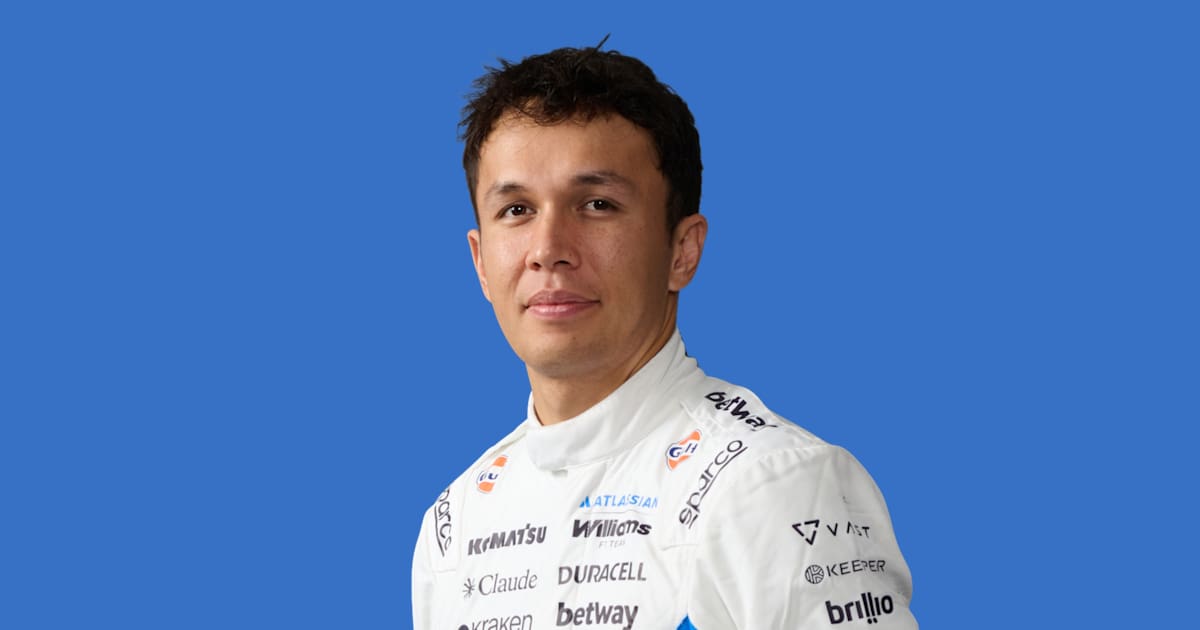
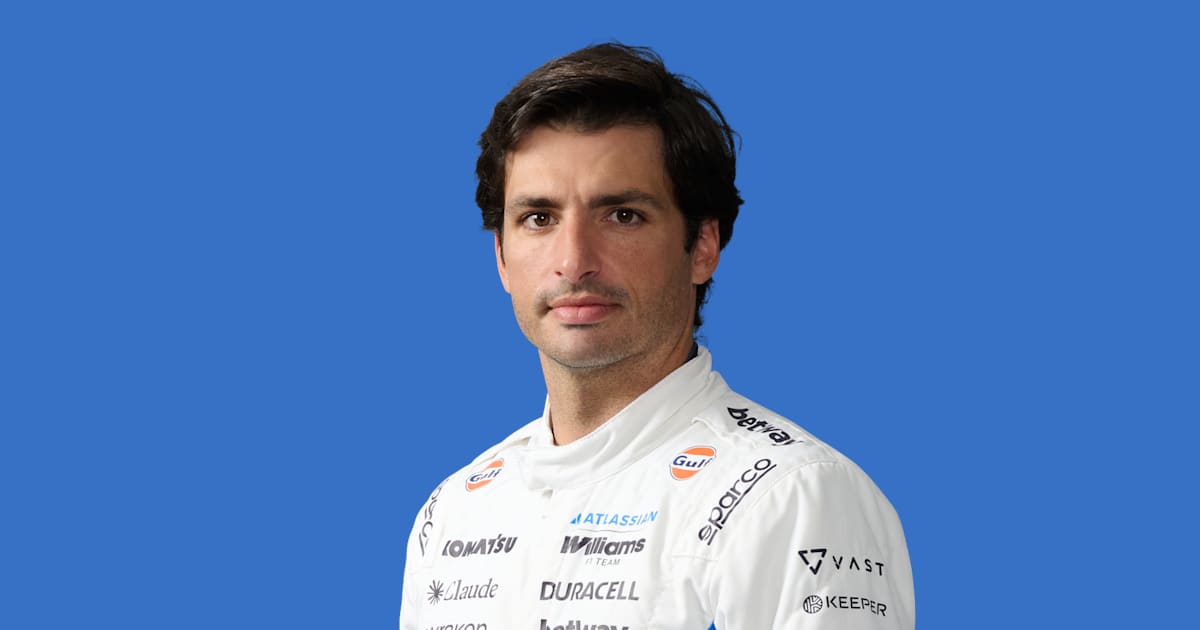
Let us start with the done deals, because in silly season a confirmed contract is a small miracle worth celebrating. Williams moved in August to end all speculation about its lineup, confirming both drivers for 2027 and beyond. Alex Albon stays for what will be his sixth season with the team in 2027, and Carlos Sainz has agreed a new multi-year deal that keeps him in Grove colors from 2027 onward.
For Albon, the sixth season is a milestone that tells its own story. He arrived at Williams as a driver rebuilding his reputation and has become the team's foundation, the constant around which everything else is built. Six seasons with one team is an eternity in modern Formula 1, a sport where drivers are routinely discarded after two bad months. It speaks to loyalty in both directions: the team kept faith through the thin years, and the driver kept delivering through the thinner ones. In a regulation era that rewards stability and institutional knowledge, keeping your lead driver is not nostalgia. It is strategy.
For Sainz, the multi-year deal ends the rumors of a switch that had followed him for months. There is a particular cruelty to silly season for a driver of Sainz's caliber: he is too good to be short of options and too experienced to be anyone's long-term project, which means every summer brings a fresh round of will-he-won't-he. This August, the answer is won't. He is staying, he is committed, and the multi-year structure of the deal says this is about building something, not parking somewhere.
And honestly, there is something deeply appealing about the Williams story right now. This is the team that spent years as the sport's beloved underdog, the privateer punching above its weight, now methodically building itself into something more serious. Locking in two proven, popular, relentlessly professional drivers is the least glamorous and most important kind of announcement. No drama, no saga, just two signatures and a clear message: we know who we are, and we are not starting over.
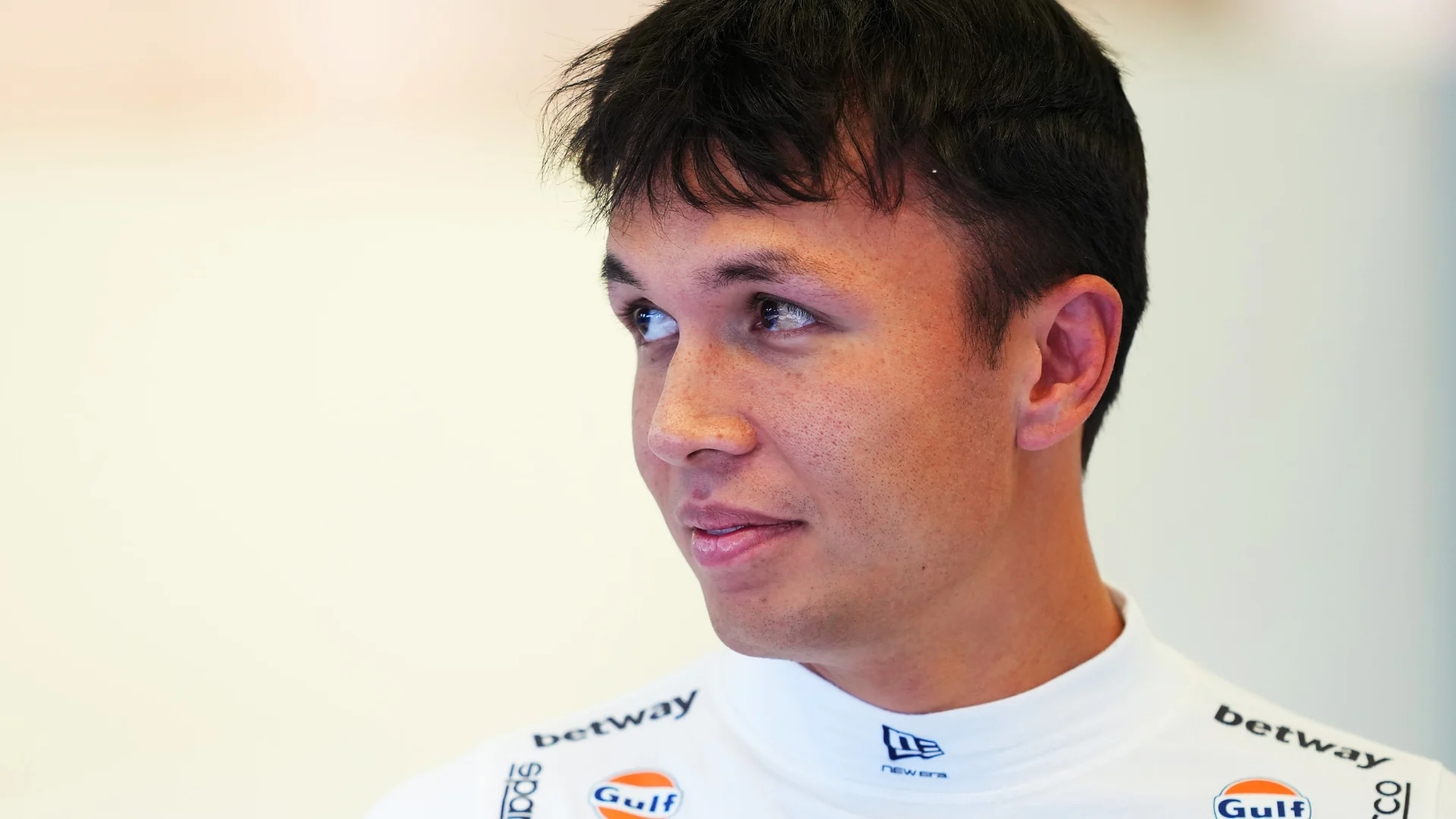
The fashion notes write themselves, too. Albon in Williams blue for a sixth year, Sainz settling properly into the Grove family, both of them part of a lineup that feels settled in a season defined by upheaval. In a sport obsessed with the new, there is real chic in commitment. Williams just made the most quietly confident move of the summer.
The Mercedes Question
If Williams is the picture of serenity, Mercedes is the opposite: the team with everything to play for and nothing signed. George Russell's Mercedes deal expires at the end of 2026, and renewal talks are ongoing. Read that sentence carefully, because every word is doing heavy lifting. Expires. Ongoing. In the world of F1 contracts, "ongoing" can mean anything from "the pen is hovering over the paper" to "we have not spoken in weeks," and the paddock will spend August trying to work out which one it is.
The Russell situation is genuinely fascinating because of the context. He is second in the world championship, driving superbly, and still without a contract for next year. In any normal season, a driver performing at that level would have been re-signed months ago, probably with a pay rise and a photoshoot. That it has not happened yet is the single most analyzed non-event of the summer, and everyone has a theory. Is Mercedes waiting to see how the championship shakes out? Is Russell's camp holding out for terms that reflect his standing? Is something else entirely going on?
Then there is the other half of the garage, which is somehow even stranger. Kimi Antonelli leads the world championship and is still on one-year deals. Let that land. The championship leader, the generational talent, the driver around whom Mercedes is increasingly building its future, signs one year at a time. It is the most confident flex in the sport: we do not need to lock him down because where would he go, and he does not need to lock himself in because the leverage only grows. One imagines the negotiations are extremely pleasant and extremely short.
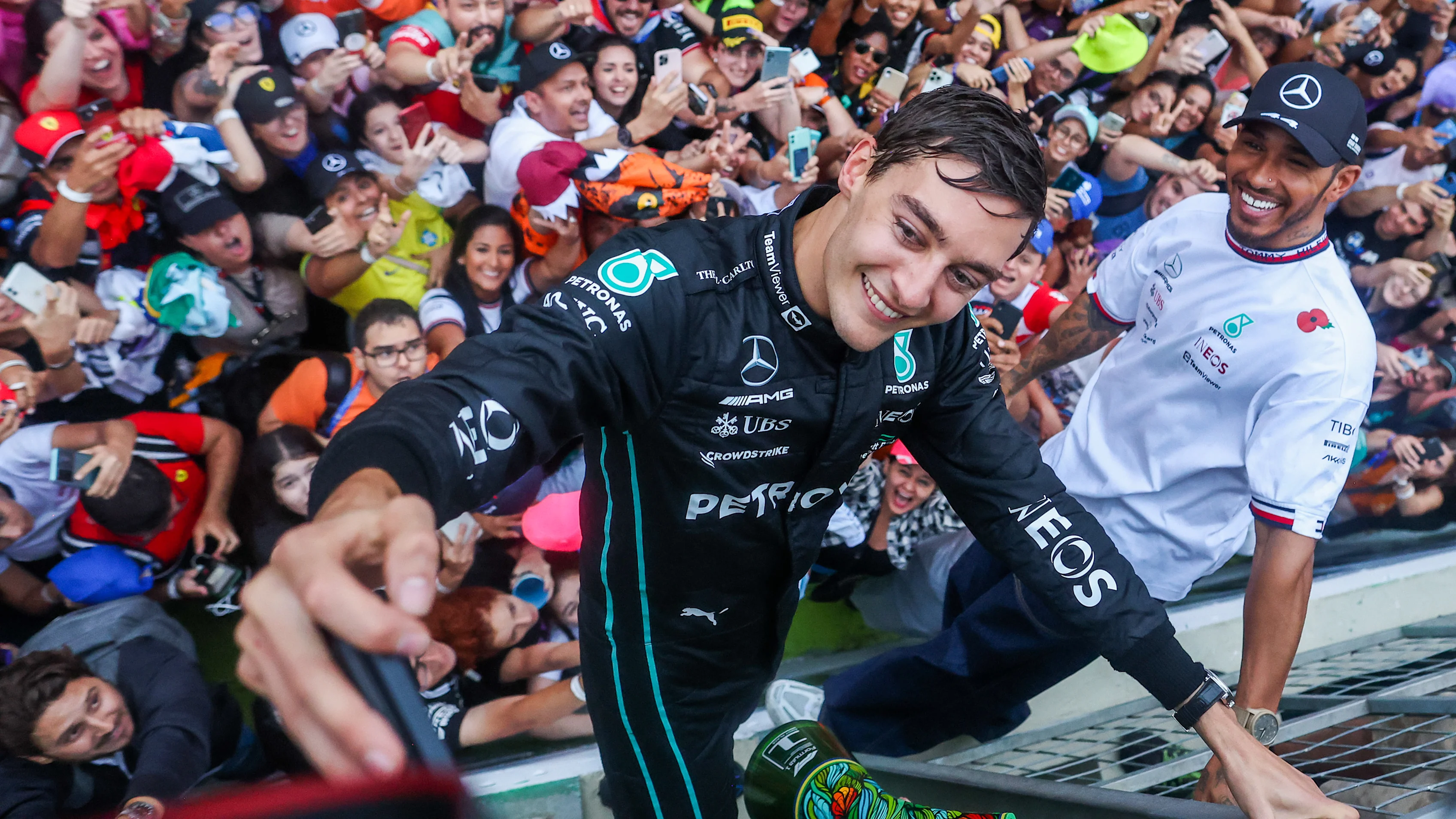
The Mercedes dynamic is the subplot that could swallow the season. Two drivers, both championship contenders, both technically unsigned beyond December, both driving for the team that leads both championships. Toto Wolff has to manage a title fight between his own drivers while negotiating with both of them, and he has to do it knowing that every other team principal on the grid would crawl over broken glass to sign either one. It is the highest-stakes, highest-class problem in the sport, and how Mercedes handles it will define not just 2027 but the next era of the team.
What Russell needs from the talks is obvious: security, status, and money that matches his results. What Mercedes needs is equally obvious: to keep both drivers happy while keeping its options open. Those two needs are not quite the same thing, and the gap between them is where silly season lives. Expect this one to run deep into the autumn. The pen may hover for a while yet.
The Verstappen Saga Rumbles On
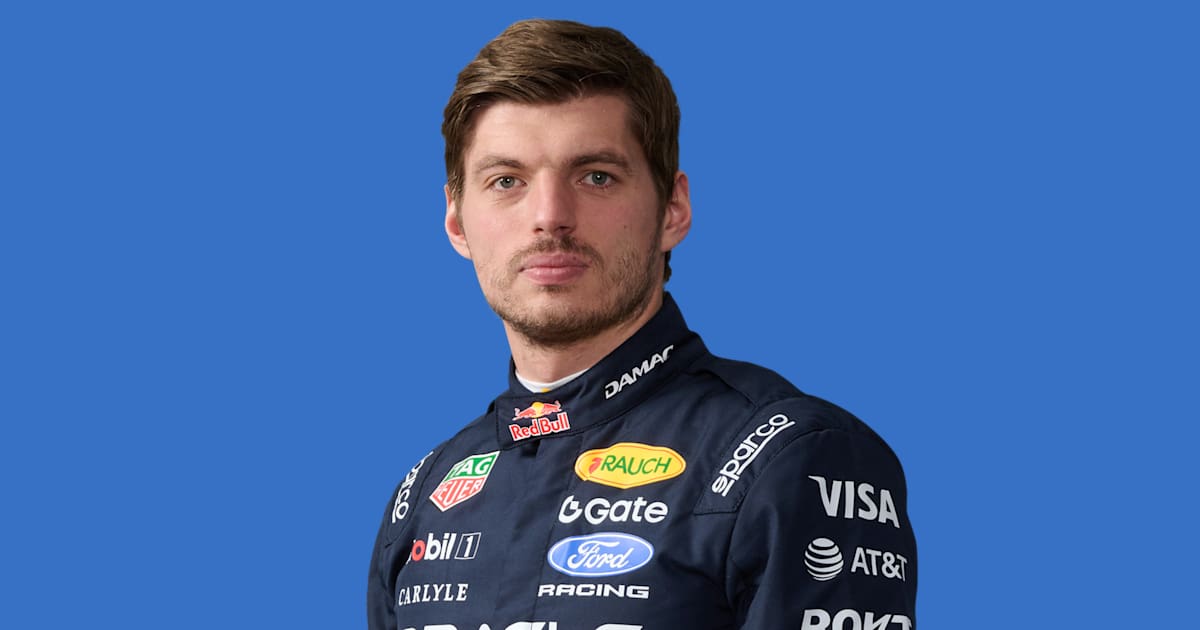
And now, the main event. The Max Verstappen to Mercedes story has been rumbling all season, the kind of saga that generates a thousand headlines from a single raised eyebrow, and as of early August it remains gloriously, maddeningly unresolved. Here is what we know, which is both everything and nothing.
Flavio Briatore, the Alpine advisor who has never met a headline he did not like, predicted the Verstappen-to-Mercedes move as the most likely high-profile switch for 2027. Coming from anyone else, that would be paddock gossip. Coming from Briatore, a man who has brokered more F1 deals than most people have had hot dinners, it lands differently. He does not say things like that idly. When Briatore talks about driver moves, the paddock listens, even if it pretends not to.
On the other side sits Toto Wolff, saying the opposite with a straight face. Wolff says he wants "no changes" at Mercedes and that he is happy with Russell and Antonelli. And why wouldn't he be? His drivers are first and second in the world championship. But "no changes" is the kind of phrase that means everything until the moment it means nothing, and every team principal in history has said something similar right before doing something different. The denial is part of the dance. It always is.
So where does that leave us? With the most delicious standoff in the sport. Verstappen is still winless in 2026, still a four-time champion, still the driver who bends every room he enters. Mercedes has two unsigned championship contenders and a team principal saying he wants no changes. Briatore is out here predicting the move of the decade. Something has to give, and the giving, if it comes, will reshape the entire grid.
Here is the honest truth about where the saga stands in early August: it is not resolved. There is no announcement, no signature, no done deal, only the rumble. The people who claim to know are guessing, the people who actually know are not talking, and the rest of us get to enjoy the speculation. That is the entire point of silly season. The Verstappen question will be answered eventually, and when it is, it will be the story of the year. Until then, we watch, we wonder, and we refresh.
One thing is worth saying plainly, though. Whatever happens, Verstappen holds the cards. Four championships buy you the rarest currency in Formula 1: genuine choice. He can stay and rebuild, he can move and start fresh, he can wait and let the market come to him. In a summer of drivers hoping for phone calls, Max Verstappen is the phone call everyone is hoping for.
Yuki's Waiting Game
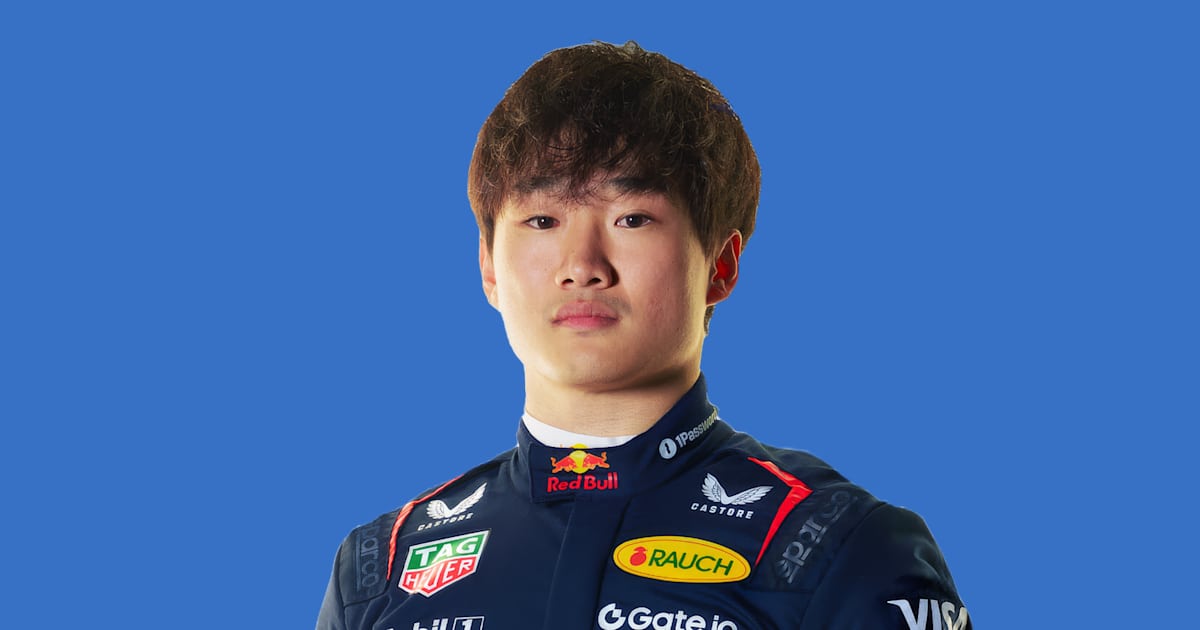
If silly season has a hierarchy of stress, the drivers with no seat at all sit at the very top of it, and Yuki Tsunoda's August is the quietest, tensest kind of summer. Tsunoda is Red Bull's reserve driver in 2026, the role that keeps you close to the action while keeping you out of the car, and he has no confirmed race seat for 2027. Every silly season has a driver like this, talented, popular, and stuck in the waiting room while the music plays.
The reserve role is a strange purgatory. You travel to every race, you sit in the briefings, you stay sharp in the simulator, and you watch someone else drive the car you believe you could drive. Tsunoda has handled it with the good humor that made him a fan favorite in the first place, but good humor does not secure contracts. What he needs is what every driver in his position needs: a team principal willing to bet on him, and a silly season chaotic enough to create an opening.
The cruel mathematics of the 2027 market is that there are only so many seats and so many drivers, and the music is already slowing. Williams just took two chairs off the table. Mercedes has two chairs that may or may not open up. The rest of the grid is a patchwork of options, loans, and maybes. For Tsunoda, the path back to a race seat runs through patience, performance in the simulator, and the kind of luck that silly season occasionally, mercifully, provides.
There is a fashion angle here too, because there always is with Yuki. He is one of the paddock's great characters, all warmth and mischief, the driver whose interviews are appointment viewing. Formula 1 is better with him in a race seat, full stop. Whether the 2027 grid agrees is the open question of his summer, and everyone who loves this sport is quietly rooting for the answer to be yes.
How Silly Season Actually Works
For the uninitiated, a quick primer on the machinery behind the madness, because the August break is when it all happens. Driver contracts in Formula 1 are rarely as simple as a start date and an end date. They are layered with options, performance clauses, and break clauses, little trapdoors that can open a seat that looked locked. When you read that a deal "expires at the end of 2026," what that usually means is that the team's option to extend has a deadline, and both sides spend the summer deciding whether to use it.
Timing is everything. Teams like to announce during quiet news windows for maximum attention, which is why so many deals surface during the summer break or in the weeks after it. Drivers like to announce when their stock is highest, which is why a strong result at Zandvoort or Monza can suddenly accelerate a negotiation. And managers, the unseen puppeteers of the paddock, spend August working the phones, creating leverage by making sure every team principal knows their driver has options, whether or not that is strictly true.
The other thing to understand is that silly season is a market, and markets run on information asymmetry. The teams know things the media does not. The drivers know things the teams do not. Briatore says things in public that may or may not reflect what he knows in private. Wolff says "no changes" because saying anything else would be malpractice. Everyone is performing, all the time, and the performance is the product. Enjoy it for what it is: the sport's most entertaining fiction, until the moment it becomes fact.
Silly Season Style Notes
One of the underrated pleasures of contract season is the aesthetics of it all. Announcements have become their own art form: the moody black-and-white teaser video, the driver walking through the factory doors in the new team kit, the carefully casual social media post that took three agencies to produce. Williams confirming both drivers in August was refreshingly old school, a straightforward statement with no cryptic emojis, and honestly it suited them. Grove does not do drama. Grove does engineering.
Watch the visuals when the next announcements drop, because they tell you everything about how a team sees itself. A smiling factory walkthrough says stability. A dramatic midnight reveal says ambition. A simple "we are delighted to confirm" posted at 9am on a Tuesday says the lawyers finally finished. And the drivers' own posts are a masterclass in personal branding: the grateful caption, the throwback photo, the new colors worn like a new era. Silly season is not just about who drives where. It is about the stories teams and drivers choose to tell about themselves, told in lighting, tailoring, and timing.
What to Watch Next
So as the break enters its second half, here is your silly season watchlist. First, Mercedes. Everything flows from Brackley. Until Russell's renewal is signed and Antonelli's future is clarified, every other negotiation on the grid is happening in the shadow of those two pens. Watch for the language: "ongoing" becoming "close," "close" becoming "imminent," "imminent" becoming a press release with both drivers smiling in team kit.
Second, the Verstappen rumble. It will not stay quiet. Sagas like this generate their own gravity, pulling in quotes, denials, and counter-briefings until something breaks. If Briatore is right, the break's second half is when the groundwork gets laid. If Wolff is right, expect the "no changes" line to get louder and more frequent. Either way, the noise is the signal.
Third, the dominoes. Williams locking in both drivers was the first domino of August, the move that took two seats off the market and forced everyone else to recalculate. There will be more. A midfield team confirming a rookie, a veteran announcing a final season, a surprise extension nobody saw coming. Silly season moves in clusters, and the clusters are coming.
And finally, Yuki. Keep an eye on the reserve driver, because the best silly season stories are the ones where the waiting ends. Somewhere in the next few weeks, a team principal is going to look at the market, look at his options, and decide that the popular, rapid, deeply experienced driver sitting in Red Bull's simulator is the answer. Or not. That is the cruelty and the beauty of it. The music is playing, the chairs are filling, and August is when we find out who gets to sit down.
FAQ
Which drivers have confirmed their 2027 seats so far?
Williams moved earliest, confirming both drivers in August: Alex Albon stays for a sixth season in 2027, and Carlos Sainz agreed a new multi-year deal from 2027 onward, ending rumors of a switch. Most of the rest of the grid remains unconfirmed.
Is George Russell staying at Mercedes?
Not confirmed yet. Russell's Mercedes deal expires at the end of 2026 and renewal talks are ongoing. He sits second in the championship, which makes the unsigned situation one of the most closely watched of the summer.
Is Max Verstappen moving to Mercedes for 2027?
As of early August, the saga is unresolved. Alpine advisor Flavio Briatore predicted it as the most likely high-profile 2027 move, while Toto Wolff says he wants "no changes" and is happy with Russell and Antonelli. There is no announcement yet, only the rumble.
What is Yuki Tsunoda's situation for 2027?
Tsunoda is Red Bull's reserve driver in 2026 and has no confirmed race seat for 2027. He remains one of the drivers waiting for the silly season market to create an opening.
A Note on Sources
Contract announcements, expiry dates, renewal talks, the Briatore prediction, Toto Wolff's "no changes" position, and Yuki Tsunoda's reserve role in this feature reflect the confirmed silly season picture as of early August 2026, cross-checked against Formula1.com reporting and official team announcements. The Verstappen-to-Mercedes situation is presented as unresolved, as it was at the time of writing.