
By Paulina Phan, Senior Editorial Contributor | August 10, 2026
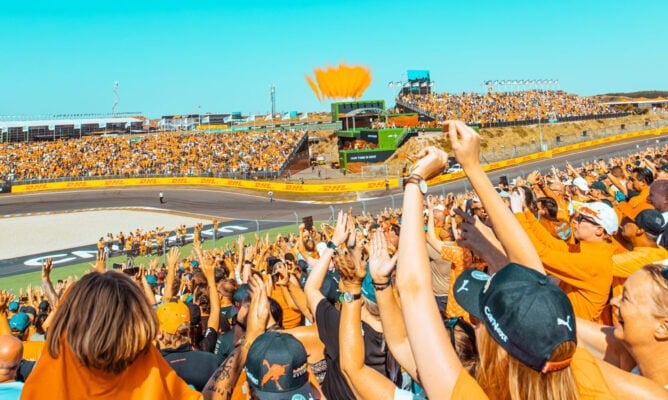
Some goodbyes are quiet. This one will be heard from the North Sea. On August 23, Formula 1 will race at Circuit Zandvoort for the last time, and 325,000 fans are expected to turn the dunes orange for the farewell. The promoter has declined to extend the contract beyond 2026, which means the Dutch Grand Prix, reborn only a few years ago in a blaze of banking and orange smoke, is about to become a memory. If you love this sport, you do not want to miss its goodbye.
There is something especially bittersweet about losing Zandvoort now. This is a circuit that came back from the dead: off the calendar since 1985, resurrected in 2021 after a 36-year absence, rebuilt with two of the most outrageous banked corners in motorsport, and instantly one of the most atmospheric weekends in racing. It survived financial ruin and demolition and irrelevance. What it could not survive, in the end, was the calendar math of modern Formula 1. So the sport gets one last weekend in the dunes, one last blast of orange, one last chance to say thank you properly.
And what a weekend it promises to be. A hometown hero chasing his first win of a difficult season. A championship leader trying to tame the one circuit his team has never conquered. A drivers' parade in 22 Dutch supercars. A post-race DJ set from one of the biggest names in music. Zandvoort is going out the way it came in: loudly, proudly, and entirely on its own terms.
The Last Dance in the Dunes
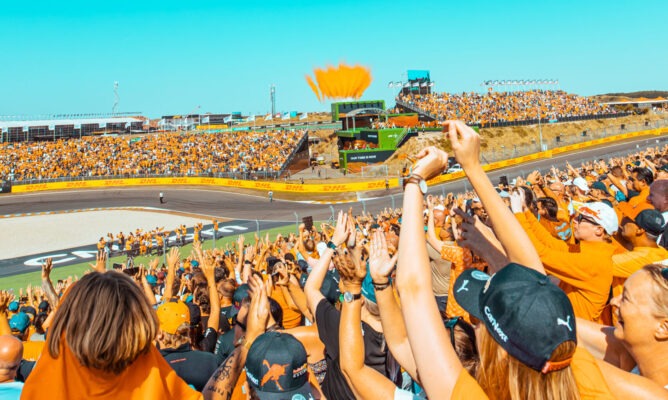
Let us be clear about what is happening, because the finality of it deserves plain language. The Zandvoort promoter declined to extend the Dutch Grand Prix contract beyond 2026. Not postponed, not under review, declined. After August 23, there will be no more Dutch Grand Prix at Zandvoort, and the 2026 race will be the farewell. For a circuit that only returned to the calendar in 2021, it is a cruelly short second act: five years of glory, then the lights go out.
The numbers tell you how much this weekend matters to people. Around 325,000 fans are expected across the farewell, a staggering figure for a circuit tucked into the sand dunes of the Dutch coast, and nearly every one of them will be dressed in orange. The Dutch Grand Prix does not have spectators so much as participants. The grandstands are a choir, the dunes are a festival ground, and the whole town of Zandvoort turns into a three-day party with a race in the middle of it. If you have never seen it, imagine a national holiday that happens to feature Formula 1 cars.
There is a particular poignancy to a farewell that everyone sees coming. The fans will arrive knowing it is the last time, which changes the texture of everything: the walk to the grandstand, the anthem, the first roar of engines on Friday. Sporting goodbyes are at their best when they are savored rather than endured, and 325,000 people savoring the same thing at the same time is a powerful spectacle. One imagines the emotion building all weekend, cresting on Sunday afternoon, and spilling over long after the chequered flag.
And then it will be gone, leaving a very specific hole in the calendar. Modern Formula 1 has plenty of spectacular venues, but it has only one Zandvoort: a narrow, old-school ribbon of asphalt threaded through seaside dunes, with banking steeper than Indianapolis and weather that can turn in a heartbeat. You cannot replicate that with a street circuit and a light show. When it leaves, something irreplaceable leaves with it.
Max's Complicated Homecoming
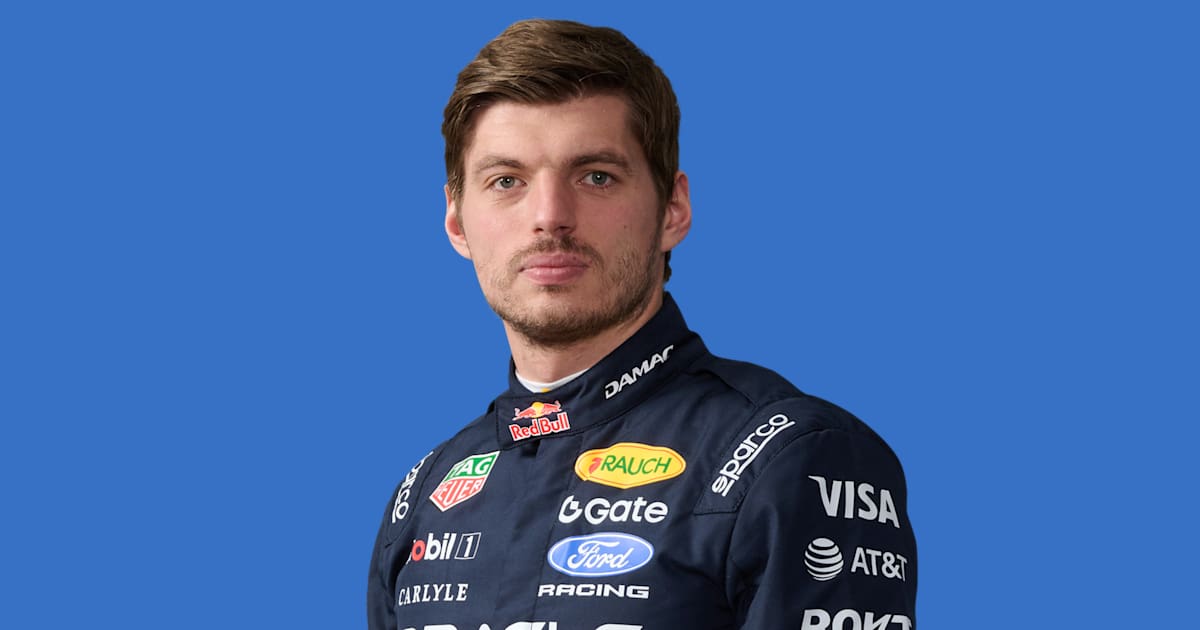
No driver is more entwined with a circuit than Max Verstappen is with Zandvoort, and no homecoming in recent memory has been this complicated. The facts are stark: Verstappen is winless in 2026, sitting a full 110 points off the championship lead, enduring the hardest season of his career. And now he goes home, to the dunes, to the orange army, to the one weekend of the year where an entire nation shows up wearing his colors.
A hero's reception is guaranteed. That is not speculation; it is the one certainty of the weekend. Whatever the championship math says, whatever the season has taken from him, 325,000 Dutch fans will greet their driver like a conquering hero, because to them that is what he is. The grandstands will be a sea of orange, the chants will roll down the dunes, and for three days Max Verstappen will be reminded, loudly and repeatedly, of exactly how loved he is.
But love does not make a car faster, and that is the ache at the heart of this weekend. Verstappen arrives at his home race fighting for pride rather than the title, a four-time champion in a season that has refused to cooperate. The crowd will want a win with every fiber of its being. Whether the machinery can deliver one is the open question, and it will hang over every session from Friday morning to Sunday afternoon.
There is a scenario, and every Dutch fan is dreaming it, where the emotion of the weekend lifts driver and team to something extraordinary. Home races do strange things to performance; the energy of a crowd that big, that devoted, is a real and measurable thing. If there is one circuit where pride, pressure, and 325,000 voices could bend reality, it is this one, on this weekend, for this driver. One imagines Verstappen himself allowing a flicker of that dream, even as the realist in him does the math. The heart wants what it wants, and every heart in the dunes wants the same thing.
And if the win does not come? Then the weekend becomes something else: a thank-you. A chance for the fans to show their driver that the love was never conditional on the results, and a chance for Verstappen to show the fans what they have always meant to him. Sometimes the most moving weekends in sport are not the victories but the farewells. This one might be both a farewell to the circuit and a love letter between a driver and his people.
Who Owns the Banking?
Zandvoort is not just a party venue. It is one of the most technically demanding circuits on the calendar, and its character will decide the farewell as surely as its crowd will. The track is 4.259 kilometers of narrow, winding asphalt threaded through the dunes, just 14 corners, but two of them are unlike anything else in Formula 1: the banked Turn 3, inclined at 19 degrees, and the banked final corner, Turn 14, at 18 degrees. Both are steeper than the banking at Indianapolis. They are closer to a velodrome than a race track, and they reward commitment the way few corners in the sport do.
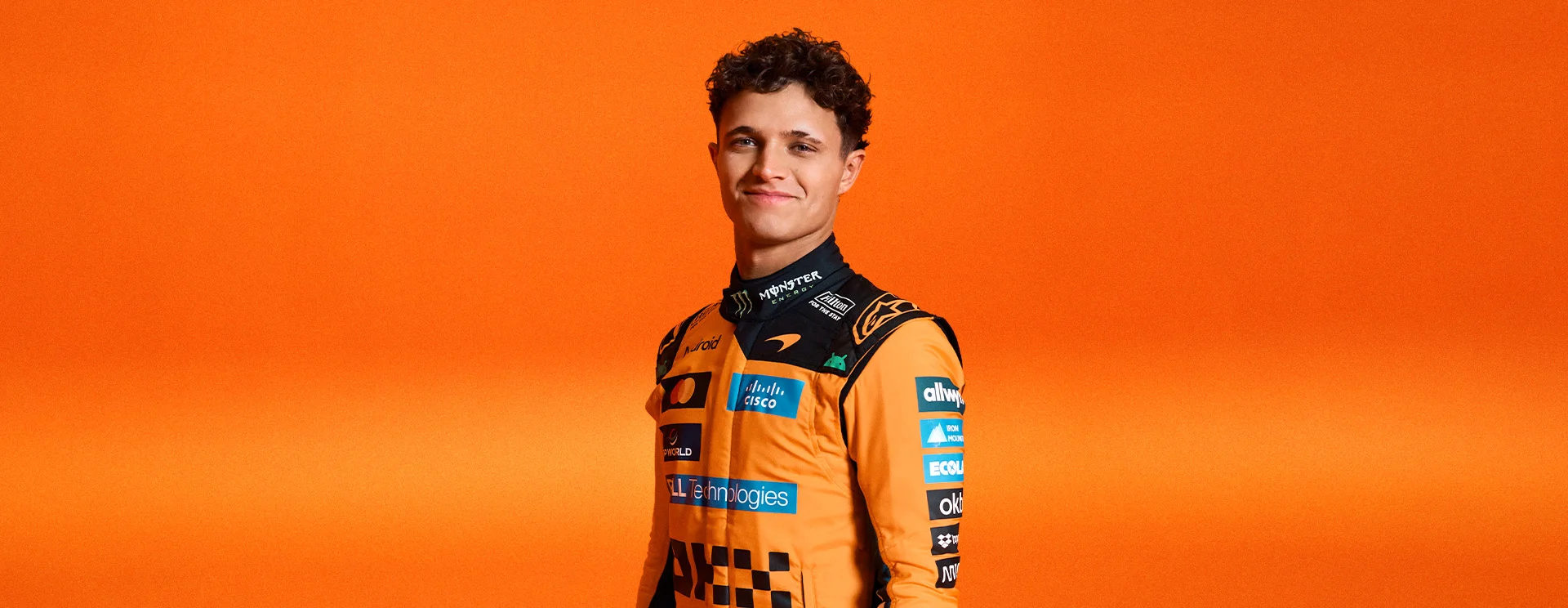
Recent history says one team has the banking figured out: McLaren. The papaya cars have won the last two Dutch Grands Prix, Lando Norris in 2024 and Oscar Piastri in 2025, back-to-back victories that announced McLaren as the masters of the dunes. And the timing could not be more ominous for everyone else, because McLaren arrives at the 2026 farewell as the team with all the momentum, the squad both Mercedes drivers have publicly named as the one to beat. If the pattern holds, the farewell could easily become a McLaren coronation in orange territory, which would be either a delicious irony or a minor tragedy depending on where you sit.
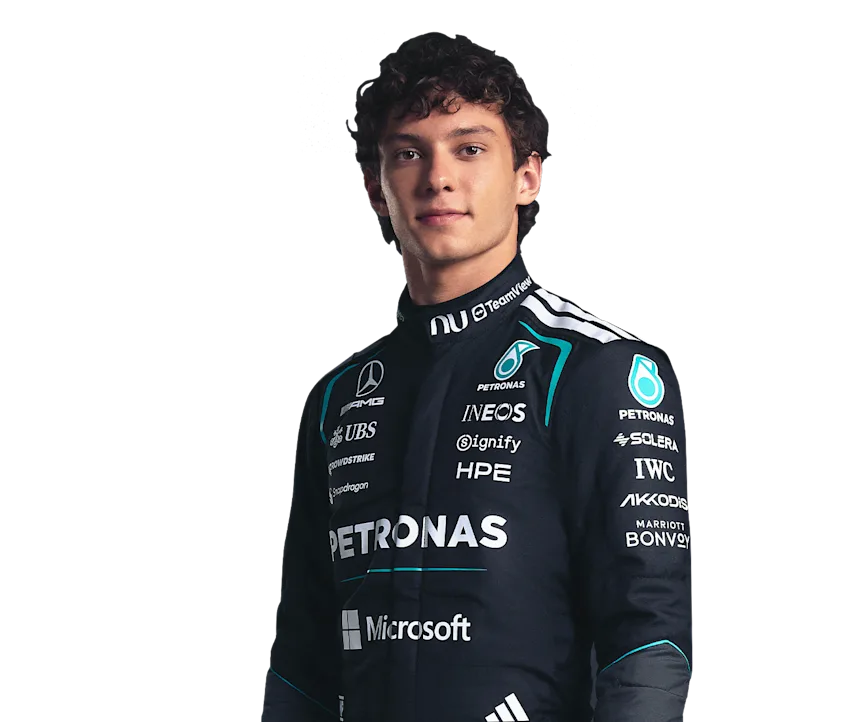
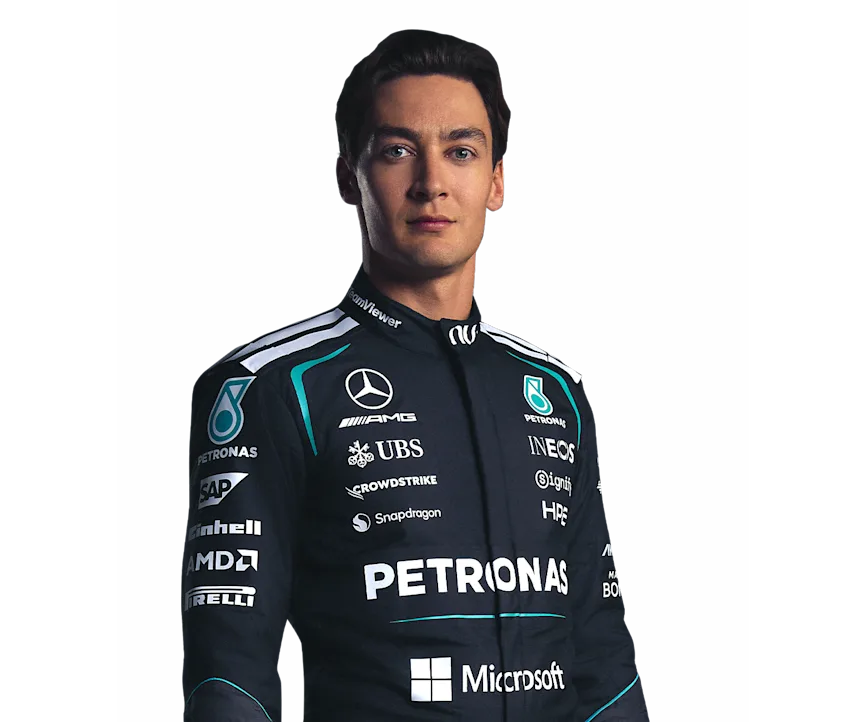
For Mercedes, Zandvoort is unfinished business. The team has never quite tamed the banking, never quite cracked the code of the dunes, and now the championship leader and his closest rival get one final chance to do it. Kimi Antonelli, 45 points clear at the top of the standings, would love nothing more than to stamp his authority on the season's most emotional weekend. George Russell, hunting his teammate, would love nothing more than to be the man who finally conquers Zandvoort in silver. The circuit owes Mercedes nothing, and that is exactly what makes it interesting.
The banking itself deserves a moment of appreciation before it is gone. There is nothing else like it in modern Formula 1: corners where the track tilts so steeply that the cars look like they are defying physics, where drivers throw their machines at the concrete with a commitment that looks like trust and feels like faith. The 2026 cars, smaller and lighter under the new regulations, with their active aerodynamics, will attack those banks in a way no generation before them has. Whatever happens on August 23, the images of cars on the Zandvoort banking will be some of the last and most beautiful the sport ever produces there.
Then there is the weather, the dunes' eternal wildcard. The North Sea coast in late August can serve up anything: sunshine, sideways rain, coastal winds that gust across the circuit and punish the slightest imbalance. Zandvoort has always been a track where the sky is part of the strategy, and a farewell weekend with changeable weather would be the most Zandvoort thing imaginable. Pack a poncho with your orange shirt. You will need both, possibly on the same day.
The Farewell Party
If Zandvoort is going out, it is going out in style, and the farewell touches planned for the weekend are pure Dutch showmanship. The headline act, before a single racing lap is turned, is the drivers' parade: all 22 drivers will be chauffeured around the circuit in 22 Spyker C8 Spyders, the gorgeous Dutch supercars, in a rolling tribute to one of the quirkiest chapters in Formula 1 history. Spyker, the Dutch sports car maker, ran its own Formula 1 team for a single season in 2007, a glorious, doomed, utterly charming adventure, and the parade is a nod to that one-season wonder. Twenty-two Spyders, 22 drivers, one last lap of honor. It will be the most photographed parade in the sport's history, and rightly so.
There is something perfect about the choice. The Spyker F1 story is Zandvoort in miniature: ambitious, Dutch, slightly improbable, and beloved far beyond what the results ever justified. A single season, a handful of points, and a permanent place in the sport's folklore. Sound familiar? The circuit itself came back for a short, glorious second act and is leaving before the magic fades. The parade is not just a nice photo opportunity. It is a statement of identity: this is who we are, this is what we celebrate, and we would not have it any other way.
And when the racing is done, the party keeps going. Martin Garrix, the Dutch DJ and one of the biggest names in electronic music in the world, will play a post-race DJ set to close the weekend. It is the exact right booking: a Dutch superstar, a master of the big-room moment, playing the final set at the final Dutch Grand Prix. The sun dropping over the dunes, 325,000 people who have just watched history, and Garrix on the decks. If that does not give you goosebumps, check your pulse.
The Garrix set is also a reminder of what the Dutch Grand Prix always understood better than almost any other race: the event is the product, not just the race. Zandvoort weekends have always been festivals that happen to include a Grand Prix, and the farewell is the ultimate expression of that philosophy. Come for the racing, stay for the party, leave with a memory. That is how you say goodbye.
What We Will Miss
So what exactly is the sport losing? Start with the setting, because no circuit on the calendar looks like Zandvoort. The track sits in the sand dunes on the North Sea coast, a ribbon of asphalt winding through marram grass and pine trees, with the beach a short walk from the paddock. On a clear day it is impossibly pretty, all golden sand and blue water and racing cars. On a grey day it is moody and magnificent, the wind whipping off the sea and the grandstands huddled in orange. There is no other venue where you can watch Formula 1 with sand between your toes.
Then the sound. The Dutch crowd is the loudest, most joyful, most relentlessly orange fanbase in sports, and at Zandvoort it is concentrated into a circuit that holds it like an amphitheater. The dunes do something to noise; they cup it and throw it back. When the grandstands sing, and they always sing, the whole place vibrates. Other circuits have fans. Zandvoort has a congregation.
Then the racing itself, which the skeptics always underestimated. Yes, it is narrow. Yes, overtaking is hard. But the banking produces the most visually spectacular cornering in the sport, the dune sections punish imprecision instantly, and the weather keeps everyone honest. The last two races were won by McLaren, but they were not processions; they were chess matches played at 300 kilometers per hour on a track that forgives nothing. The 2026 regulation cars, with active aero and the new power units, were supposed to get their ultimate Zandvoort examination this year. Now they get exactly one shot at it.
And finally, the feeling. Every Grand Prix has its own emotional signature, and Zandvoort's was joy, pure and uncomplicated. Not the corporate polish of some flyaways, not the historic weight of others, just a seaside town, a beloved driver, and a few hundred thousand people determined to have the best weekend of the year. The sport will survive without it. The calendar will fill the date. But the joy was specific to those dunes, and it will not be replaced.
One Last Lap of Honor
Here is what to hold onto as the farewell approaches. This is not a funeral; it is a celebration that happens to be final. The distinction matters. Zandvoort is not dying. It is choosing its exit, going out at the peak, with a full house and a party planned and the eyes of the sport upon it. There is dignity in that, and there is wisdom too. Better a glorious goodbye than a slow fade.
For the championship, the weekend is freighted with consequence. Antonelli can tighten his grip. Russell can reignite his challenge. Norris can extend McLaren's dune mastery. Verstappen can give his people the win they are dreaming of. The title fight does not pause for sentiment, and the farewell will be decided on merit, not nostalgia. That is as it should be. The best tribute to a great circuit is a great race.
And for the rest of us, the assignment is simple: watch it like it matters, because it does. Savor the orange, the banking, the noise rolling off the dunes. Remember what it felt like when the sport came back to the seaside in 2021 and an entire nation fell in love with a race weekend. Say thank you to the promoters, the marshals, the town, and the fans who made it what it was. Then, when Martin Garrix plays the last set and the lights go down on the dunes, let it go with grace.
Goodbye, Zandvoort. You were too beautiful for this world, or at least for this calendar. The dunes will still be there. The sea will still be there. And somewhere, in the memory of everyone who was lucky enough to be there in orange, the banking will still be tilted at 19 degrees, waiting for cars that will never come. That is the thing about great circuits: they do not really leave. They just stop hosting races.
FAQ
Why is the 2026 Dutch Grand Prix the last one at Zandvoort?
The Zandvoort promoter declined to extend the contract beyond 2026, so the August 23 race is the final Dutch Grand Prix at the circuit. Around 325,000 fans are expected for the farewell weekend.
When did Zandvoort return to the Formula 1 calendar?
Zandvoort returned in 2021 after a 36-year absence, with the circuit modernized including two banked corners. Its second stint on the calendar lasted from 2021 through 2026.
What makes the Zandvoort circuit unique?
The 4.259-kilometer track is set in seaside sand dunes and features two banked corners unlike anything else in modern F1: Turn 3 at 19 degrees and the final corner, Turn 14, at 18 degrees, both steeper than Indianapolis. It is narrow, winding, and exposed to unpredictable North Sea coastal weather.
Who won the last Dutch Grands Prix at Zandvoort?
McLaren won the last two editions before the farewell: Lando Norris in 2024 and Oscar Piastri in 2025. Mercedes has never quite tamed the banking at Zandvoort.
A Note on Sources
The farewell details, expected attendance, Verstappen's championship deficit, recent Zandvoort winners, the Spyker parade, and the Martin Garrix DJ set in this preview are based on the official picture ahead of the August 23, 2026 Dutch Grand Prix, cross-checked against Formula1.com reporting and official Grand Prix communications. Circuit characteristics were verified against official circuit and Formula1.com track guides.