
By Paulina Phan, Senior Editorial Contributor | August 12, 2026
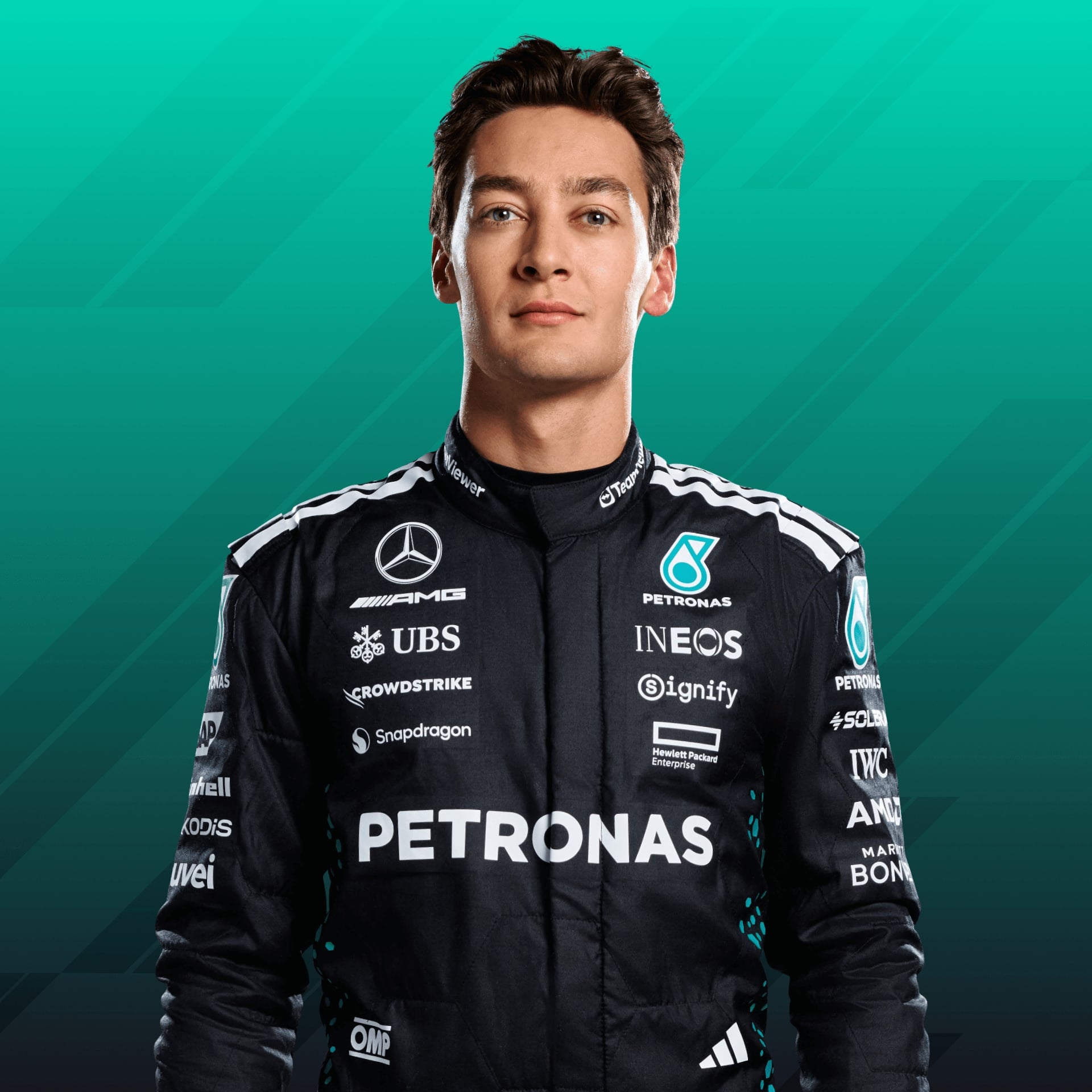
The August break in Formula 1 is supposed to be sacred. Factories go quiet, drivers disappear to beaches and gyms, and the paddock trades engines and upgrades for sunscreen and swimwear. This year, the loudest story of the summer had nothing to do with a front wing or a contract clause. George Russell, second in the drivers' championship and the great chasing hope of 2026, proposed to his longtime girlfriend Carmen Montero Mundt on August 6 and announced the engagement on August 9, and the whole paddock stopped what it was doing to celebrate.
The proposal itself has already been covered in a standalone article on David's Guide, so consider this the afterglow: the ripple effects, the paddock reactions, and the one question that matters now that racing is about to resume. Does a relaxed George Russell drive faster? He certainly hopes so. He has even put a number on it, joking that he hopes the engagement brings him "a couple of tenths." In a championship where his teammate Kimi Antonelli leads by about 45 points with ten races to go, a couple of tenths might be exactly the currency Russell needs.
There is something deliciously human about this storyline. The August break is where championship campaigns go to breathe, and Russell spent his breathing room planning a proposal, getting nervous on one knee, and coming back to the season with a fiancee and, by his own account, a clearer head. The rest of the paddock, from his teammate to his old friend Alex Albon, could not have been happier for him. Now we find out whether happiness is fast.
A Summer That Changed Everything
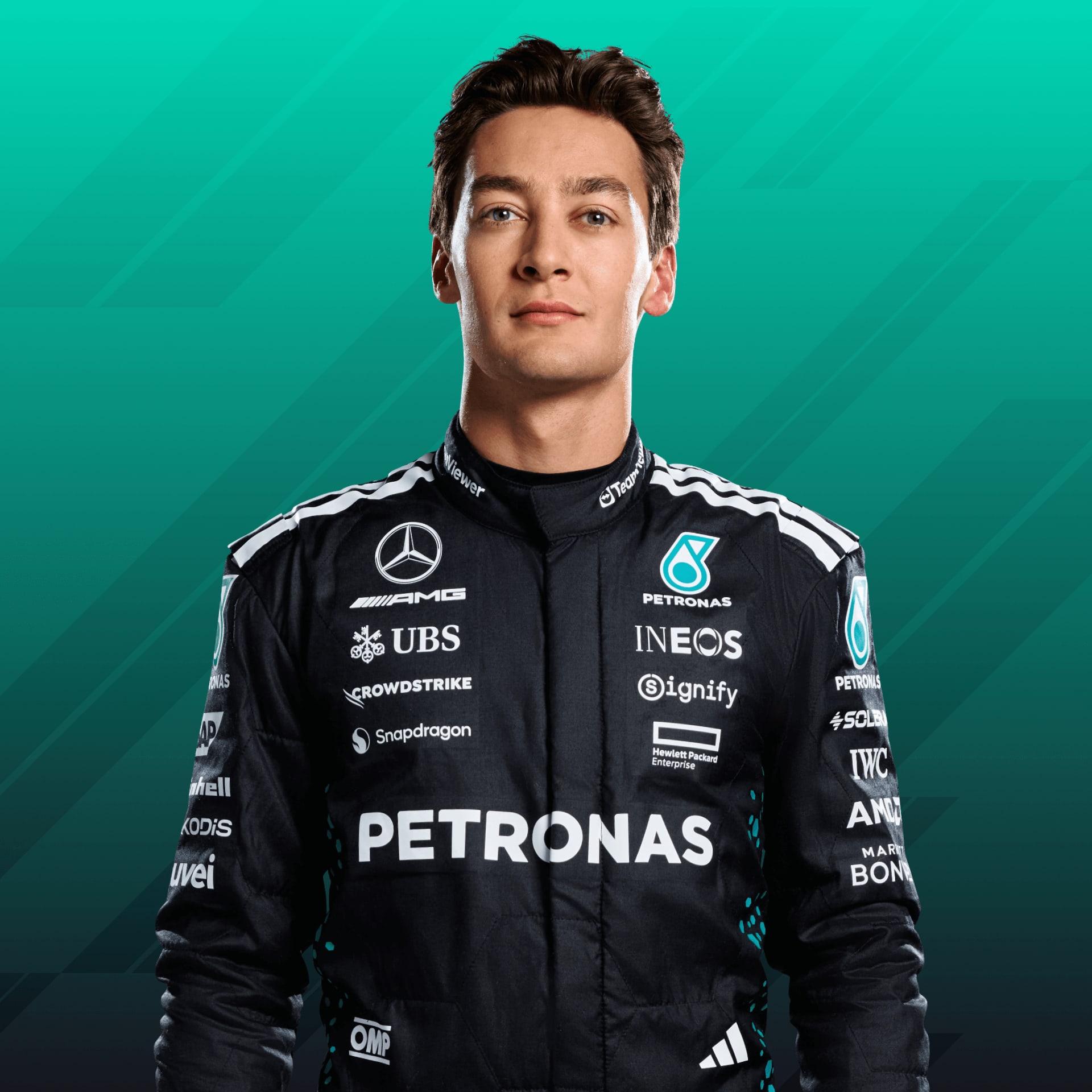
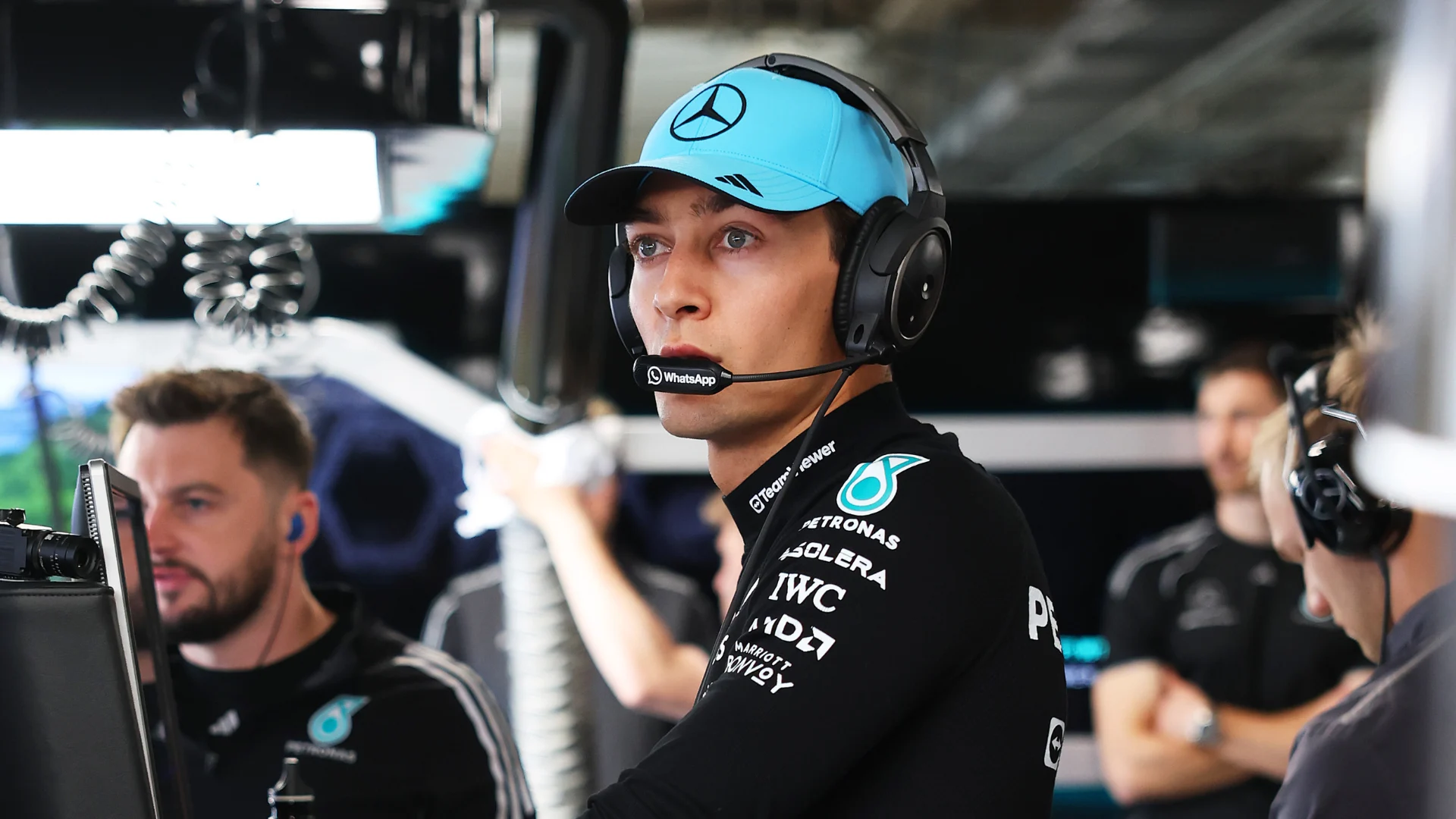
When Russell returned from the break and sat down to talk about it, he sounded like a man who had discovered the world outside the motorhome. "I feel quite relaxed about it all now," he said, describing the effect of the summer. "I want to not overthink it, trust in my ability and drive a little more instinctively." For anyone who has watched Russell's career, that is a telling statement. This is one of the most cerebral drivers on the grid, a thinker who processes every corner, every stint, every championship permutation in real time. The idea of George Russell, the meticulous one, consciously deciding to think less and feel more is the kind of midseason plot twist a novelist would invent.
He was also refreshingly honest about the proposal itself. It did not go according to plan, at least not in his head. "I couldn't get my words out," he admitted, laughing at himself, "got very nervous when I was on one knee." There is a particular charm in that image: a Formula 1 driver who can thread a car through Eau Rouge at 300 kilometers an hour, undone by a question he had presumably rehearsed a hundred times. One imagines the whole paddock, full of people who know exactly what nerves feel like before the lights go out, nodding along in sympathy.
The girly lens is irresistible here, so let us indulge it for a moment. The announcement, made on August 9, landed like a romance novel beat in the middle of a sporting summer: the long-term girlfriend, the private proposal on August 6, the public reveal a few days later. In an era when driver relationships play out in Instagram comments and paddock fashion pages, Russell and Mundt have kept theirs notably grounded, which only made the news sweeter. And there is a lovely symmetry to it: the driver known for being the most polished, most media-trained, most composed figure in the paddock, utterly undone by nerves in the most romantic of settings.
The Sacred Quiet of August
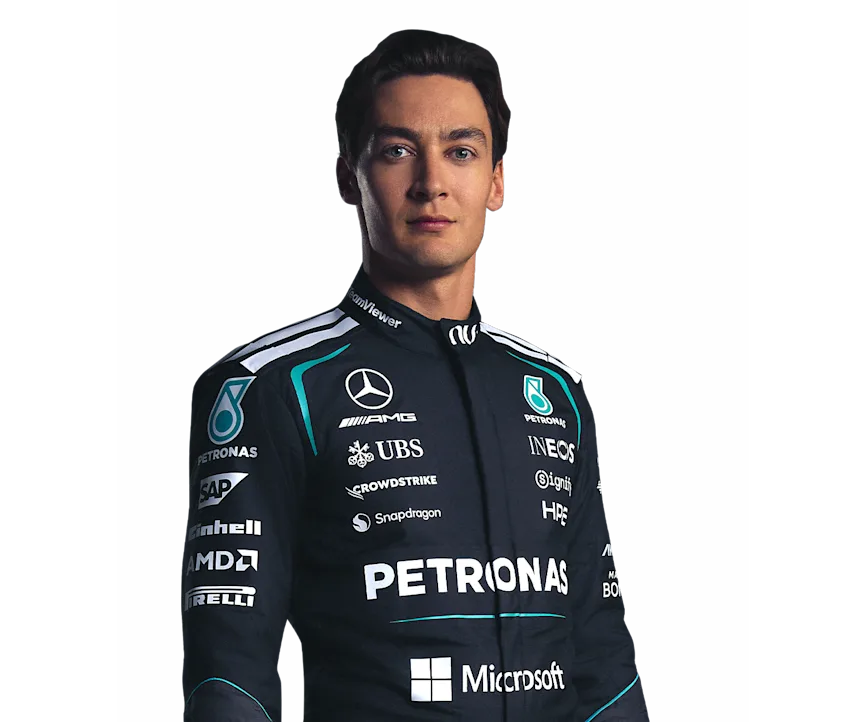
To appreciate what Russell did with his break, it helps to understand what the break is. Every August, Formula 1 observes a mandatory shutdown: factories close, wind tunnels go dark, and the entire traveling circus is legally required to stop working for two weeks. It is the only true pause in a calendar that otherwise runs like a machine, and drivers guard it fiercely. Some disappear to yachts off the Mediterranean. Some go home to family. Some train in the mountains like monks preparing for war.
Russell chose the most human option of all: he planned a proposal. There is something quietly funny about the logistics of that, if you think about it. A Grand Prix driver's life is choreographed to the minute by trainers, engineers, and press officers, and in the one fortnight of the year when nobody is scheduling him, he scheduled the most important moment of his personal life. One imagines the same meticulousness he brings to a qualifying lap applied to ring shopping and restaurant reservations, and then, gloriously, the whole plan dissolving the moment he went down on one knee and the words would not come.
That, in the end, is the detail that makes the story land. Not the dates, not the announcement, but the nerves. The August break strips drivers of their armor, no race suits, no helmets, no team radio, and what is left is a 28-year-old who got tongue-tied asking the woman he loves to marry him. The championship will demand the armor back soon enough. For two weeks, he got to be just George.
But this column is not a wedding blog, and the August 9 announcement matters for racing reasons too. Championship campaigns are marathons of the mind as much as tests of machinery, and the August break is the single moment in the season when a driver can genuinely reset. Russell has chosen to frame his summer explicitly in those terms. The engagement is not a distraction from the title fight; in his telling, it is the reason he comes back to it lighter. Relaxed, instinctive, trusting. That is the vocabulary of a driver who has decided that the second half of the season will be about freedom, not pressure.
The Paddock Responds
If you want to know how beloved George Russell is inside the paddock, read the replies to the announcement. Kimi Antonelli, the teammate he is chasing in the championship, kept it classically Kimi: "Congratulations to you both, mate." Short, warm, genuine. It is worth pausing on that one, because teammates fighting for a world championship are not always this gracious, and Antonelli's congratulations read like the real thing. Rivalry on track, respect everywhere else.
Alex Albon, Russell's friend from their junior racing days, could not resist a little mischief: "About damn time!!! So happy for you both!" The triple exclamation marks do a lot of heavy lifting there, and they tell you everything about how long this engagement has been anticipated among those who know the couple. When your peers greet your engagement with relief as well as joy, you know you have been adorable together for a while.
Oscar Piastri, Pierre Gasly, and Carlos Sainz added their congratulations too, and the breadth of that list matters. Piastri is a championship rival from another team; Gasly and Sainz are fellow veterans of the driver fraternity. The Formula 1 paddock is twenty drivers who spend two hundred days a year in each other's company, and moments like this reveal the genuine affection underneath the competition. On track they would take each other's championships without a second thought. Off track, they are the first to celebrate a friend's happiness. It is one of the loveliest contradictions in elite sport: the same men who will squeeze you into a wall at 290 kilometers an hour will be genuinely, tearfully happy for you when your life goes right.
Romance in the Fast Lane
The girly editorial lens demands we zoom out for a moment, because Formula 1 has quietly become one of the most romantic sporting environments on earth. This is a paddock where relationships are part of the scenery: partners in the garage on Sundays, families in the motorhomes, proposals that make the rounds on social media before the teams have even issued a statement. The drivers are young, the travel is glamorous, and the whole circus runs on emotion as much as engineering.
What makes the Russell engagement stand out is its timing. Midseason engagements are rare precisely because the calendar allows so little room for life to happen. Most drivers save the big personal milestones for the winter, when there are months to breathe. To propose in August, with ten races left and a championship to chase, is either wonderfully spontaneous or wonderfully confident, and Russell has framed it as the latter. The reset, the relaxation, the instinct: this was not a man distracted by love. This was a man refueled by it.
There is also the style factor, and we would be pretending otherwise to ignore it. Russell is the grid's resident fashion plate, the driver most likely to arrive at the circuit looking like he stepped out of a menswear campaign. Mundt, for her part, has been a fixture of paddock life for years, and the couple's public appearances have always carried an easy, polished glamour. The engagement photos, when they come, will break the F1 internet; the wedding, whenever it happens, will be the paddock event of whatever year it lands in. For now, the ring watch has officially begun, and every photographer in the Monza media pen already knows it.
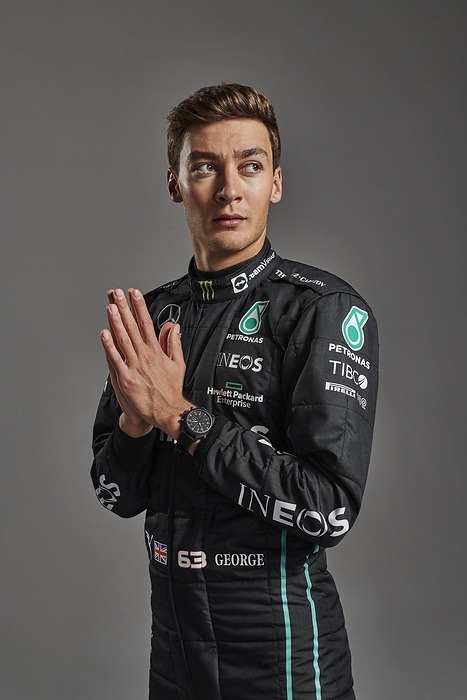
There is also a fashion and lifestyle dimension to all of this that the girly editorial lens demands we acknowledge. Engagements in the paddock come with rings, and rings in the paddock come with photographers. The next ten races will feature, alongside the championship battle, a brand-new piece of jewelry in the Mercedes garage, and one suspects the photographers have already marked their calendars. Russell has always been one of the grid's sharpest dressers, the kind of driver who treats a Thursday media pen like a runway. The fiance era suits him, aesthetically speaking.
The 45-Point Mountain
Now the racing math. Kimi Antonelli leads the drivers' championship by about 45 points at the break, with Russell sitting second. Ten races remain. In the abstract, 45 points is a serious deficit: nearly two full race wins, give or take sprint points and fastest laps. It is the kind of gap that requires not just speed but luck, the kind of gap that closes only when the leader stumbles and the chaser capitalizes.
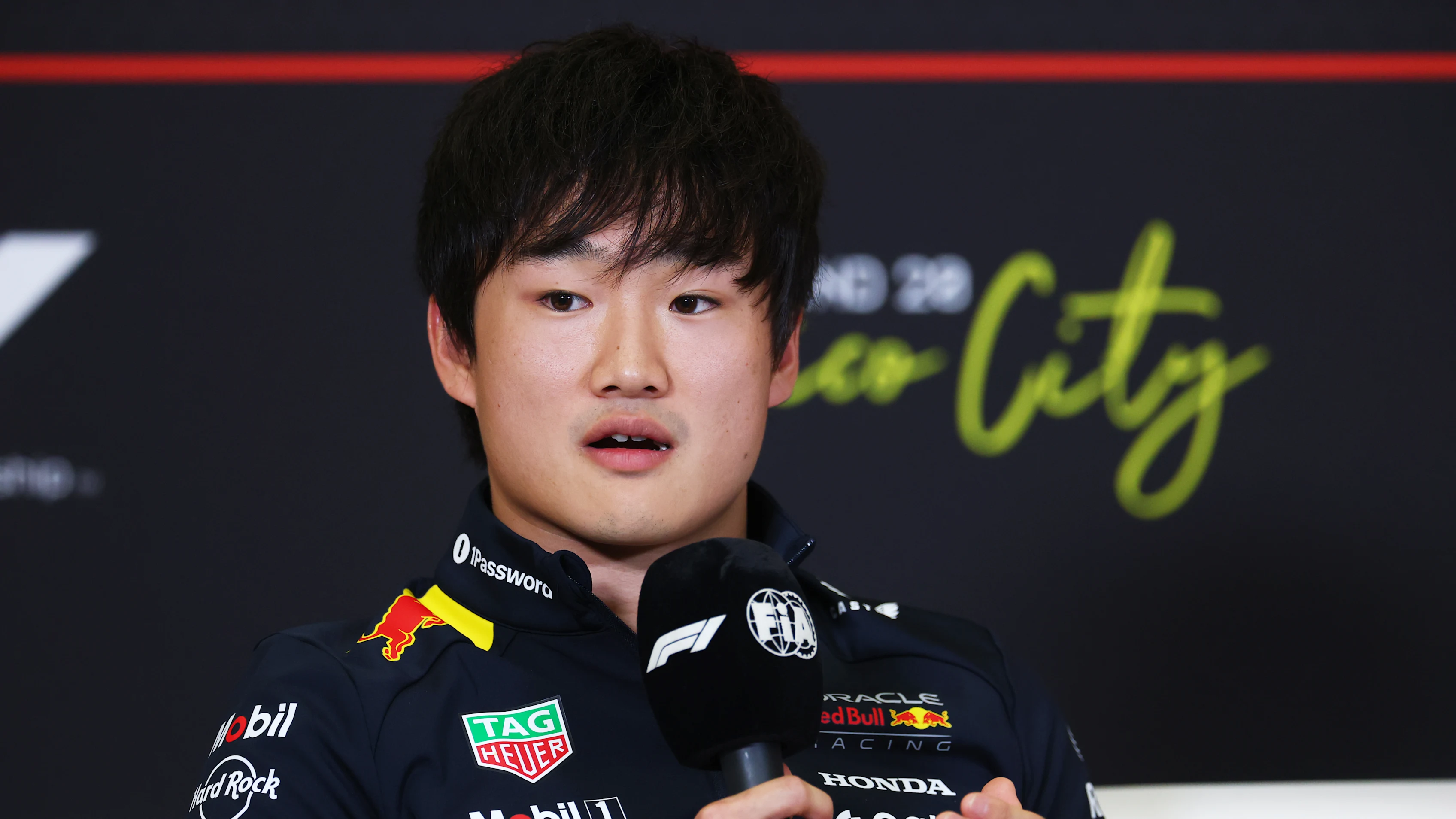
But here is the thing about the 2026 season: it has been anything but predictable. McLaren, by the admission of both Mercedes drivers, has emerged as a genuine threat, with Antonelli calling the papaya cars "the new fastest team" and Russell labeling them "the one to beat." A resurgent McLaren does not just threaten Mercedes' constructors' ambitions; it threatens to take points off both Mercedes drivers in ways that could scramble the internal championship picture. If Norris and Piastri start winning races, Antonelli's 45-point cushion gets thinner from the top down, and Russell needs only to be the best of the rest to start eating into it.
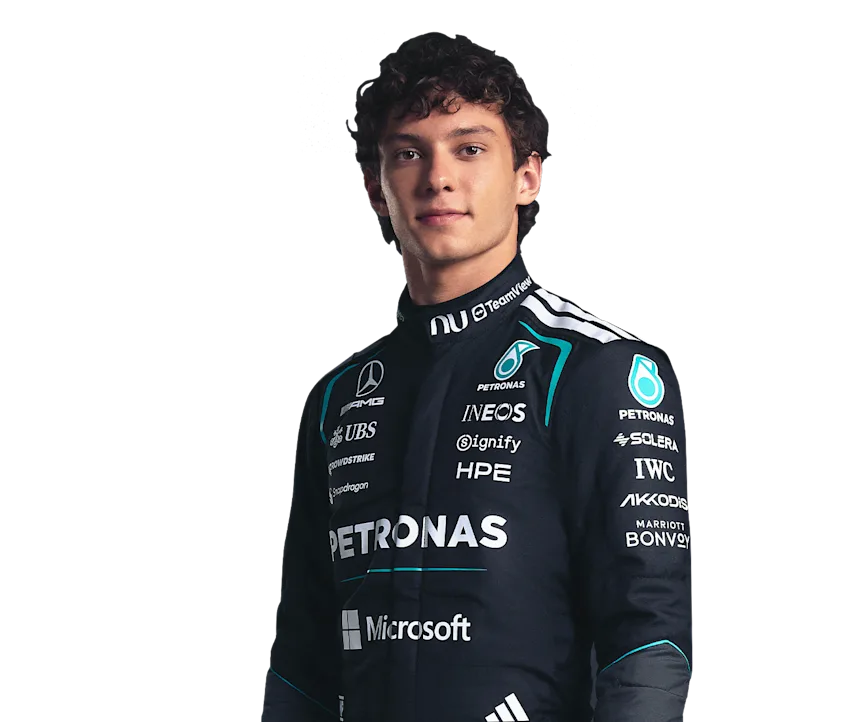
The run-in also includes circuits with real character. The season resumes at Zandvoort on August 23, the Dutch Grand Prix's farewell appearance after the promoter declined to extend beyond 2026, with 325,000 fans expected for the last dance. Then comes Monza, the European season finale, where the ADUO engine upgrades could shuffle the power order. Russell's "couple of tenths" joke is funny, but the serious version of his point is that the second half of the season will be won by the driver who is mentally freest. He has spent the break making himself exactly that.
The Two-Tenths Theory
Let us take Russell's joke seriously for a moment, because there is something genuinely interesting inside it. "A couple of tenths" is F1 shorthand for everything: two tenths of a second per lap is the difference between pole position and the third row, between winning and watching someone else win. When a driver says he hopes his engagement brings him a couple of tenths, he is saying that happiness might be measurable, that the mind is a performance part.
Sports psychologists would tell you there is real science behind the sentiment, but we do not need a study to understand the intuition. A driver who is overthinking is a driver who is braking a meter too late because he is still processing the previous corner. A driver who trusts his ability and drives instinctively, in Russell's own words, is a driver whose reactions arrive before his doubts do. The whole point of the August reset, as Russell describes it, is to stop carrying the championship in his head every lap and start driving the car underneath him.
Of course, the counterargument writes itself. Antonelli leads by 45 points precisely because he has been the calmer, more consistent of the two Mercedes drivers all season. The Italian teenager has made a habit of banking points on difficult weekends, of turning potential disasters into damage limitation. Russell's path back into contention does not just require him to be relaxed; it requires Antonelli to have at least one bad weekend, maybe two. A relaxed Russell is a faster Russell, perhaps, but the mountain is still 45 points tall.
And yet. Formula 1 has a long, romantic history of drivers finding another gear when their personal lives click into place. The paddock is full of stories about drivers who got married, had children, or simply found peace, and then drove the best races of their lives. Correlation is not causation, and no serious analyst would claim a ring is worth two tenths. But the driver himself believes it might be, and belief, in a sport decided by millimeters of confidence, is its own kind of downforce.
What the Run-In Demands
Ten races. That is the canvas: ten chances to erase 45 points, ten chances for Antonelli to slam the door, ten chances for McLaren to crash the party entirely. The European season closes out at Monza, and then the championship goes global for the final stretch, the flyaway races where titles are so often decided under lights and in unfamiliar time zones.
For Russell, the formula is simple to state and brutal to execute. Win races. Win more than Antonelli. Hope McLaren takes points off his teammate more often than it takes points off him. And do it all with the relaxed, instinctive mindset he found on the beach this summer. The engagement has given him the narrative; now he needs the results to match it.
There is a lovely what-if hovering over all of this. Imagine the final race of the season, the championship on the line, and George Russell, engaged since August, driving the race of his life with nothing in his head but instinct and trust. The storybook ending writes itself. But Formula 1 rarely follows the script, and Antonelli has shown no inclination to hand anything over. What we know for certain is that the second half of 2026 now has a romantic subplot, a happier protagonist, and a paddock that is rooting for love, even if it will not give him an inch on track.
The break is over. The rings are on. The reset is complete. Ten races to decide whether George Russell's summer of love becomes the summer that saved his championship. A couple of tenths, as he put it. In the end, championships have been won by less.
FAQ
When did George Russell get engaged?
Russell proposed to Carmen Montero Mundt on August 6, 2026, during the summer break, and the couple announced the engagement on August 9. The proposal details were covered in a standalone article on David's Guide.
What did Russell say about the engagement and the break?
He said the break left him mentally reset: "I feel quite relaxed about it all now… I want to not overthink it, trust in my ability and drive a little more instinctively." He also joked that the proposal itself did not go smoothly: "I couldn't get my words out… got very nervous when I was on one knee."
Which drivers congratulated the couple?
Kimi Antonelli wrote "Congratulations to you both, mate," Alex Albon wrote "About damn time!!! So happy for you both!," and Oscar Piastri, Pierre Gasly, and Carlos Sainz also offered their congratulations.
Can Russell still win the 2026 championship?
He sits second in the standings, about 45 points behind teammate Kimi Antonelli with ten races remaining. It is a significant gap, but not an insurmountable one, especially with McLaren emerging as a threat to take points off both Mercedes drivers. Russell himself joked that he hopes the engagement brings him "a couple of tenths" of extra pace.
A Note on Sources
The facts in this article, including Russell's quotes, the proposal and announcement dates, the paddock congratulations, and the championship context, are based on the drivers' and teams' public statements during the August 2026 break and on the official championship standings at the break. Editorial framing and analysis are the author's own.