
By Paulina Phan, Senior Editorial Contributor | August 26, 2026
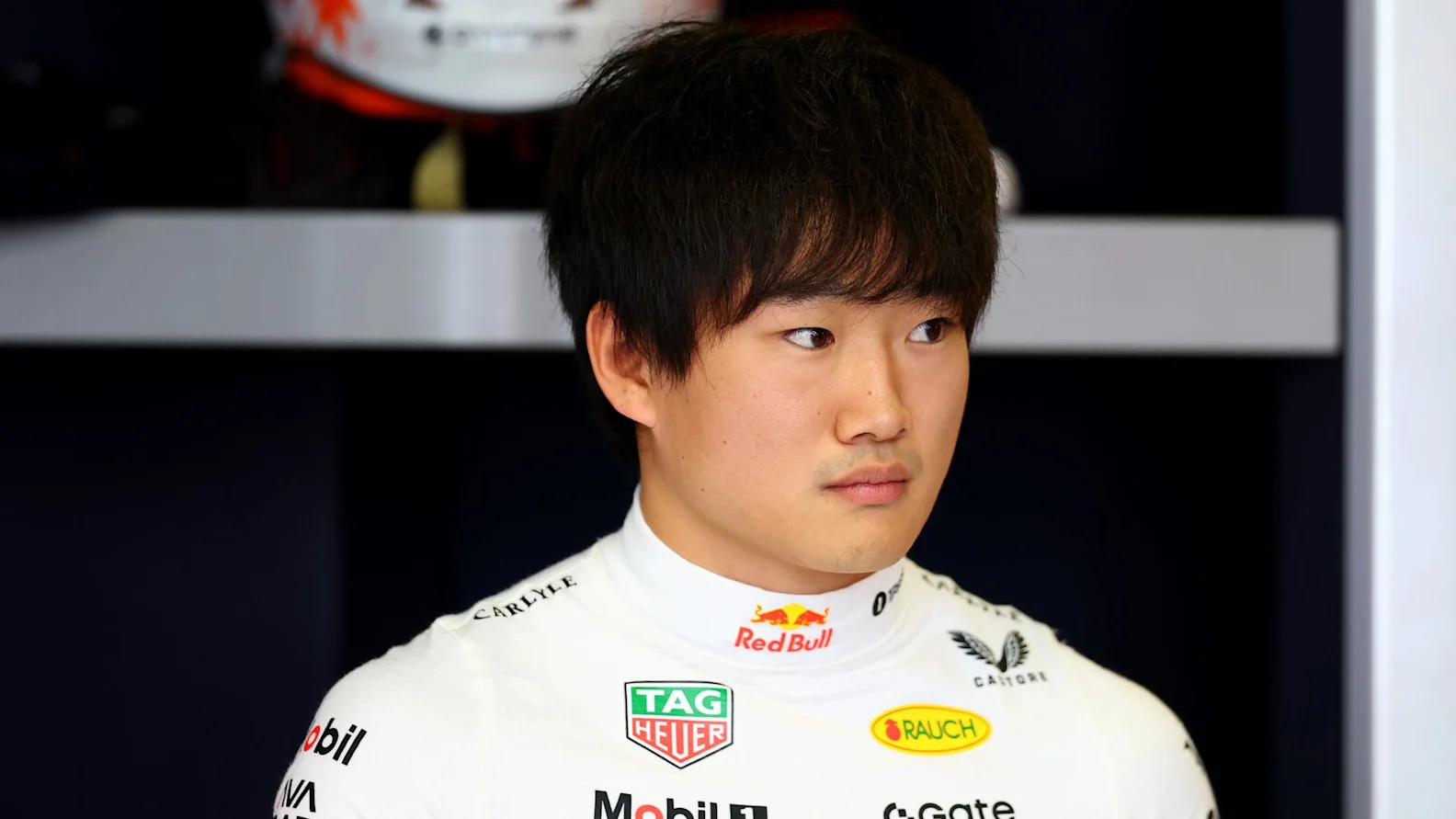
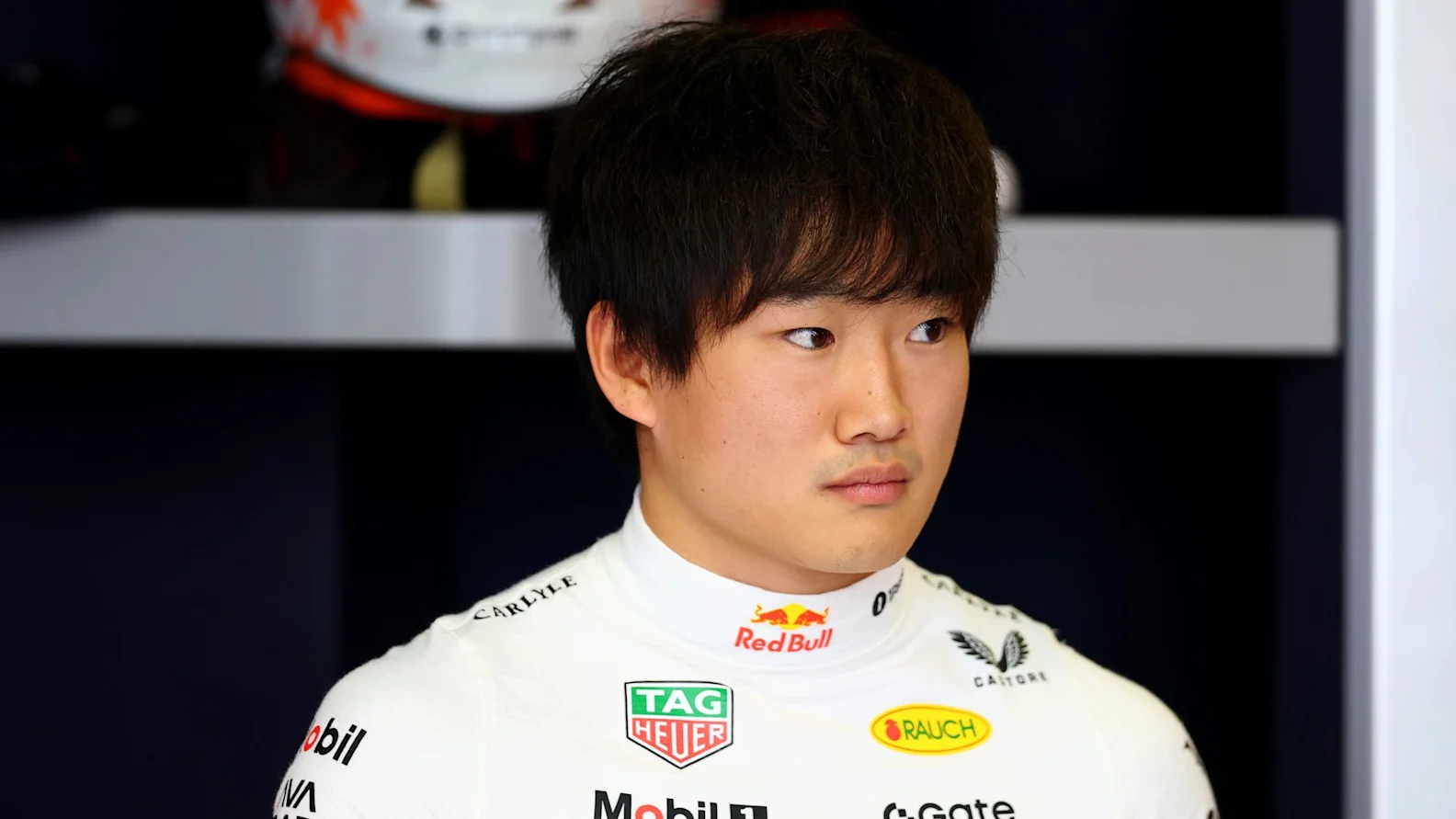
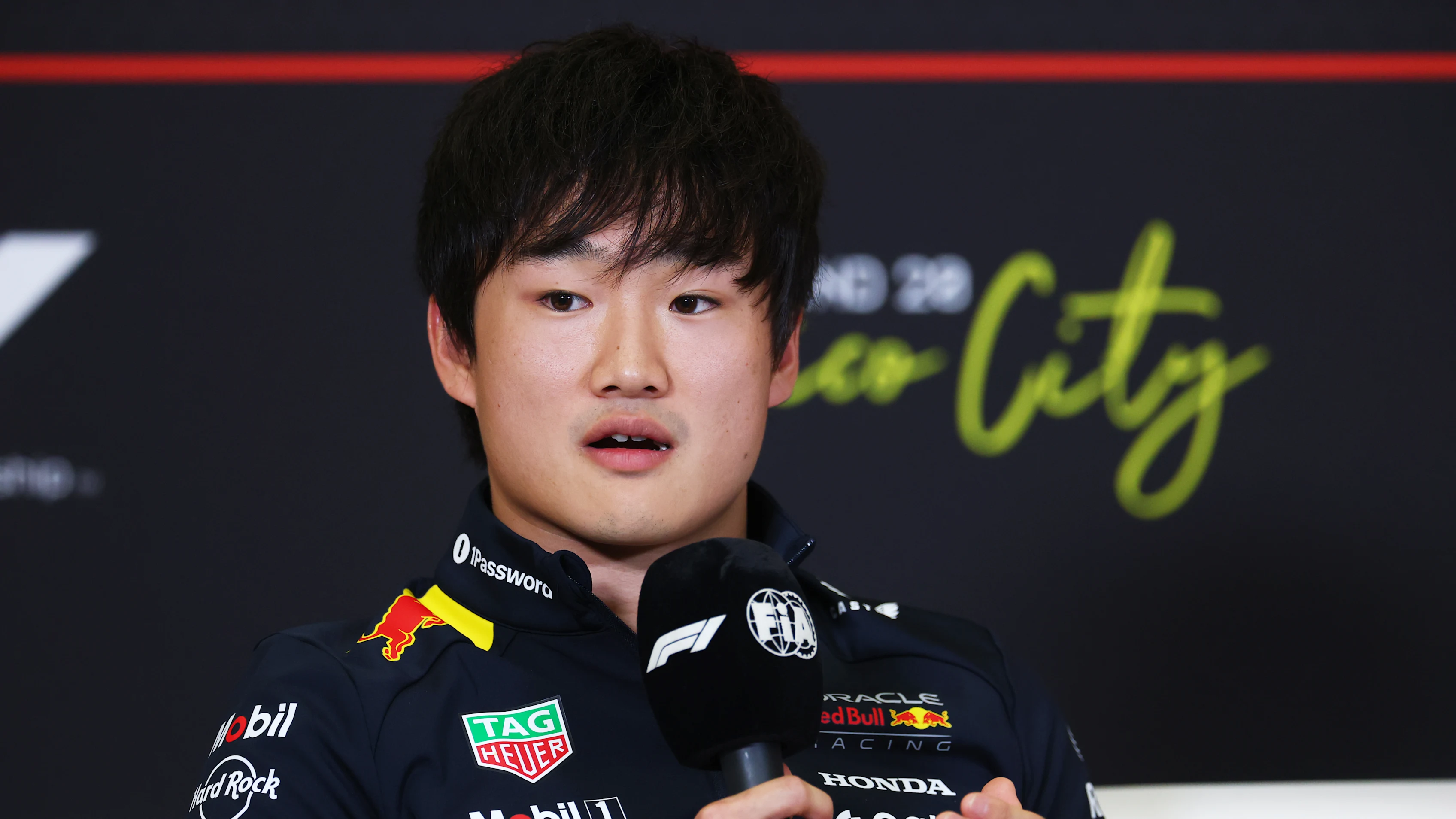
There is a special kind of pressure that only exists in Formula 1, and it belongs to the substitute driver. No testing, no simulator program tuned to this year's car, no preseason bonding with the engineers who will decide your fate. Just a phone call, a flight, a seat fitting, and then 300 kilometers per hour with the whole paddock watching to see whether you still belong. On Sunday at Zandvoort, Yuki Tsunoda got that phone call answered in the best possible way. He finished P11 for Racing Bulls in his first race action of 2026, immediately on the pace in an unfamiliar car, and announced to anyone who had written him off that he is not done yet.
Eleventh place does not sound like much. It is one place outside the points, the cruelest postcode in motorsport, close enough to taste the champagne and far enough to go home empty-handed. But context is everything, and the context here is extraordinary. Tsunoda had not raced all season. He was dropped into a car he had never driven in anger, at a circuit that punishes the unprepared, in the middle of a championship fight, against full-time teammates who know their machinery down to the last millimeter of tire wear. And he was respectable from the first session. In the strange economy of the substitute driver, that is currency.
This is the story of how he got here, what the next two races mean, and how a Formula 1 team actually grades an audition like this one. Because three races, Monza and Madrid still to come before Isack Hadjar returns at Baku, is all Tsunoda has to change the trajectory of his career. And if anyone knows how to make the most of a second chance, it is the driver who has already survived more plot twists than most careers contain.
The Punch Heard Around the Paddock
Every silly-season story needs an origin, and this one is almost too strange to be true. Isack Hadjar, Red Bull's young star and one of the revelations of the season, fractured his wrist punching a sand-filled heavy bag while boxing during the summer shutdown. Let that image settle for a moment. Not a racing accident, not a training crash on a bicycle, but a boxing bag, in a gym, in August. The wrist fracture ruled him out of the Dutch Grand Prix, and his absence will ultimately stretch to three races: the Dutch, Italian, and Madrid Grands Prix, with a targeted return at Baku.
It is the kind of injury that makes team principals go grey. A fractured wrist is not a bruise you can tape up and ignore, because in a Formula 1 car your wrists are everything: the steering loads are enormous, the feedback comes through your hands, and a compromised wrist is a slow wrist. Red Bull had no choice but to sideline him, and in doing so they set off a chain reaction through the driver market that nobody had planned.
There is a lesson here about the strange fragility of a racing driver's life. These athletes spend their careers managing risk at 300 kph and then get hurt doing something ordinary. Hadjar's misfortune is nobody's fault, which somehow makes it worse. He was having a breakthrough season, and now he gets to watch three Grands Prix from the sidelines while his wrist heals. One imagines the frustration is physical, the itch of a competitor who can see the race but cannot touch it.
The Domino Effect
Here is how the pieces fell. With Hadjar out, Red Bull promoted Liam Lawson from Racing Bulls to partner Max Verstappen, a straight step up for the young driver who had been waiting for his chance. That left an empty seat at Racing Bulls, Lawson's usual ride, and into it stepped the reserve driver: Yuki Tsunoda.
Let us be precise about this, because it matters. Tsunoda's substitution was at Racing Bulls, filling Lawson's seat while Lawson covered for the injured Hadjar at Red Bull. He did not drive for Red Bull. He drove for Racing Bulls, the junior team, in the seat Lawson vacated. In the game of musical chairs that is a midseason injury, Tsunoda got the chair closest to the music.
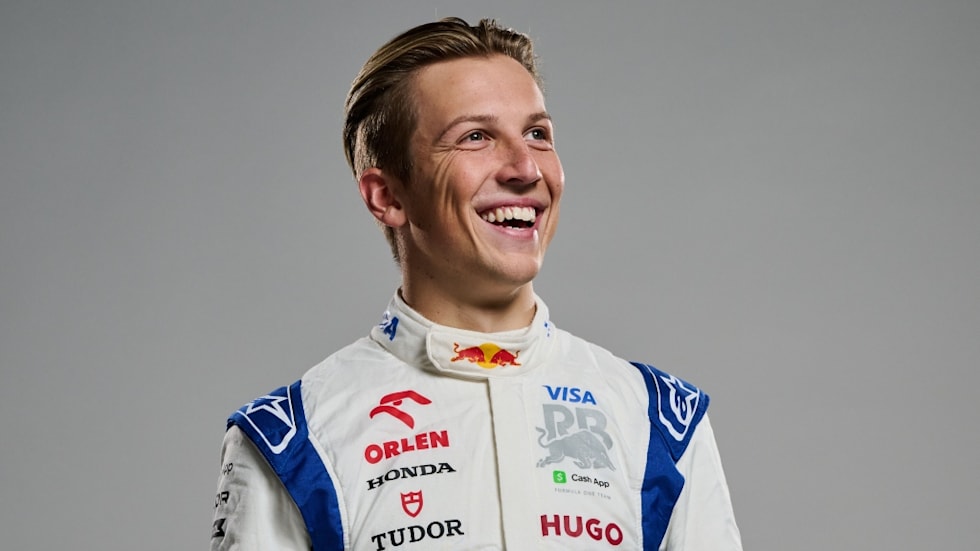
For Lawson, the promotion was vindication. He finished P7 for Red Bull at Zandvoort in his stand-in outing, a superb result that suggests the step up did not faze him, even if a 10-second penalty for not slowing under yellow flags took a little shine off the afternoon. For Tsunoda, the Racing Bulls seat was something more complicated: a lifeline, a test, and a shop window all at once.
The Brief: Nothing to Lose, Everything to Prove
Consider what was asked of Tsunoda. No preparation to speak of. A midseason call-up into a car built around another driver's preferences, with a steering wheel full of switches he had not touched in months and a team of engineers he had not worked with in race conditions all year. His teammate, a full-time driver with a season's worth of data, setup knowledge, and tire understanding banked. The circuit: Zandvoort, all banking and blind crests and zero margin for error.
This is the substitute's brief, and it is brutal. You are expected to be fast immediately, to make no mistakes, to give feedback sharp enough to develop the car, and to do it all while everyone knows you are keeping someone else's seat warm. There is no bedding-in period. There is no "he is still learning the car" allowance from the fans or the press. You either look like you belong in Formula 1, or you confirm every doubt anyone ever had about you.
Tsunoda looked like he belonged. P11, on the pace from the start, in a car that was new to him. It was not a fairy-tale points finish, but it was the next best thing: a performance that gives a team principal something to think about. And in this sport, making a team principal think is the whole game.
How Teams Actually Grade a Cameo
So what are the people in the garage actually looking at when a substitute driver does three races? It is not just the finishing position, though points obviously help. Teams grade a cameo the way a casting director watches an audition: they are looking past the lines to the presence underneath. Here is the real scorecard, in plain English.
First, qualifying pace versus the teammate. This is the purest measure in the sport, because qualifying strips away strategy, traffic, and luck. It is one lap, one driver, one car, and the stopwatch does not lie. If a substitute can get within a couple of tenths of a full-time teammate who knows the car intimately, that is a flashing green light. It says the raw speed is there, and speed is the one thing you cannot teach.
Second, tire management. Modern Formula 1 is as much about nursing rubber as it is about outright pace, and it is the skill that most separates the experienced from the rusty. A substitute who can keep his tires alive through a long stint, who can feel the degradation coming and adjust his driving to manage it, is showing the kind of racecraft that takes years to build. The engineers see it in the data traces: smooth inputs, consistent lap times, no sudden drop-off. It is invisible to the television audience and unmistakable to the people who matter.
Third, feedback quality. This is the one fans never see and teams value enormously. After every session, the driver sits with the engineers and describes what the car is doing: where it understeers, where the rear snaps, how the tires behave over a run. A good substitute gives precise, actionable feedback that lets the team improve the setup. A great one spots something the full-time driver missed. Teams remember the drivers who made the car better, because that is a skill that transfers to any seat.
Fourth, and hardest to quantify: the lack of drama. No crashes, no spins, no radio meltdowns, no intra-team politics. A substitute who is fast, clean, and easy to work with is a gift to a team under pressure. Tsunoda's Zandvoort checked these boxes. He was quick, he was clean, and he brought the car home in one piece. In the audition economy, boring is beautiful.
What P11 Really Means
Let us talk honestly about eleventh place. In a normal weekend, for a full-time driver, P11 is a disappointment, the position that gets you a sympathetic pat on the shoulder and a long debrief about what went wrong. For a substitute with no preparation, P11 is a statement. It says: I was ready. It says: the rust is not real. It says: give me a proper chance and watch what happens.
There is also the matter of who he beat and who he ran with. The midfield in 2026 is ferociously tight, and simply staying in the fight, running with the pack, managing the tires, and avoiding the chaos that produced 60 pit stops at Zandvoort, is an achievement in itself. Remember, this was the most tactically varied race of the season, with around ten different strategies in play. A driver parachuted in with no preparation could easily have been lost. Tsunoda was not lost. He was in the mix, and the mix is exactly where you want to be seen.
One imagines the Racing Bulls engineers were quietly impressed. A substitute who is immediately on the pace makes everyone's job easier, and it gives the team options they did not know they had. In a sport where driver decisions are made on margins this thin, a P11 that should have been a P15 is worth more than it looks.
The Man Behind the Helmet
It is easy to forget, amid the data and the drama, that Tsunoda's journey to this point has been anything but smooth. He has been the perennial nearly-man of the Red Bull system: fast enough to keep around, never quite secure enough to relax. He lost his full-time footing, became a reserve, and watched the 2026 season begin without him. Lesser drivers would have mentally checked out. Tsunoda stayed ready, stayed fit, stayed sharp, and when the call came, he answered it.
His own words say everything about where his head is: "My primary focus is F1. I'm trying to be back. That's my target and I'm not thinking anything else." There is no hedging in that sentence, no talk of other series, no plan B. It is the statement of a driver who knows exactly what he wants and is willing to bet three races on it. In a paddock full of carefully media-trained non-answers, that kind of clarity is refreshing.
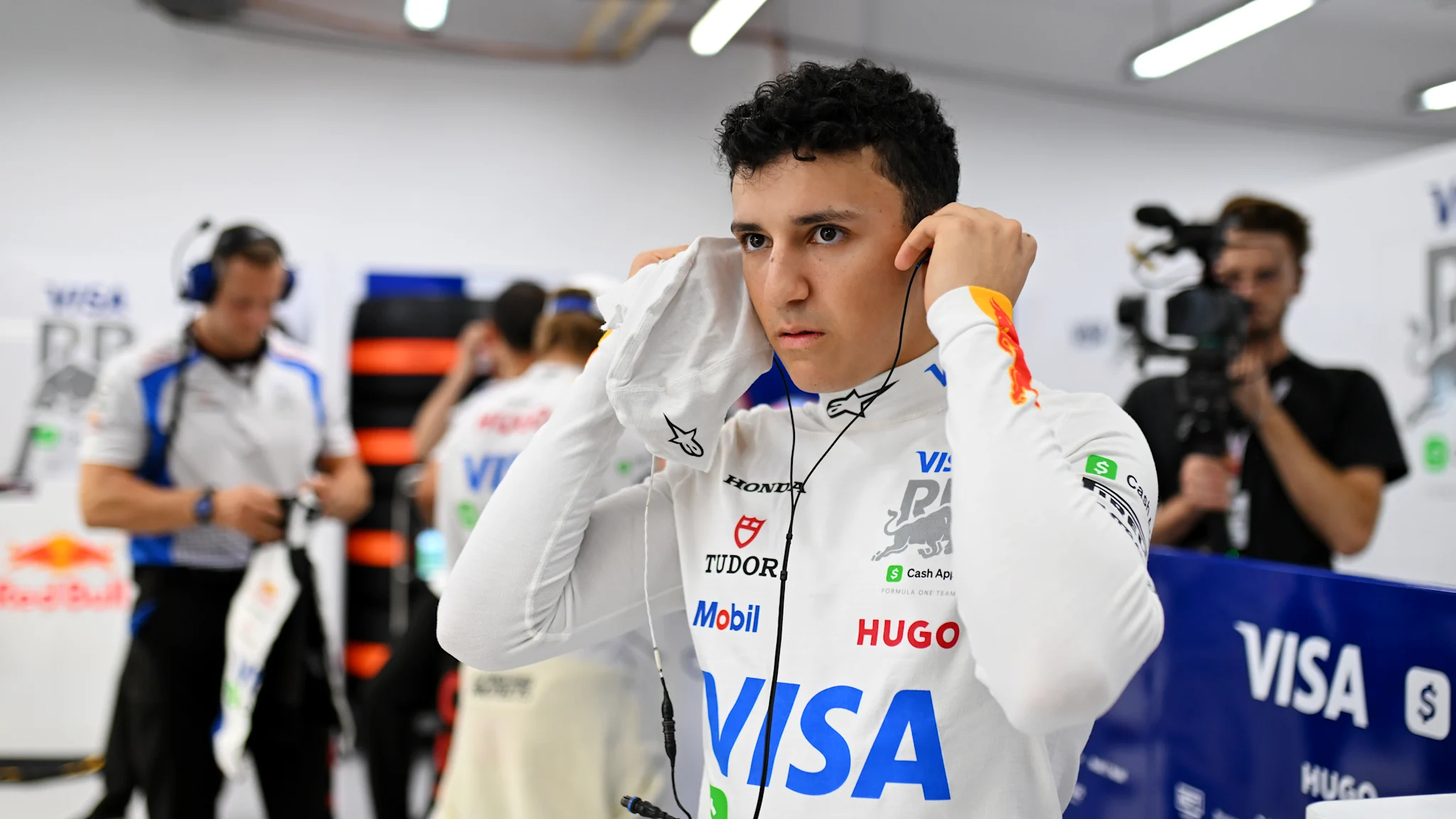
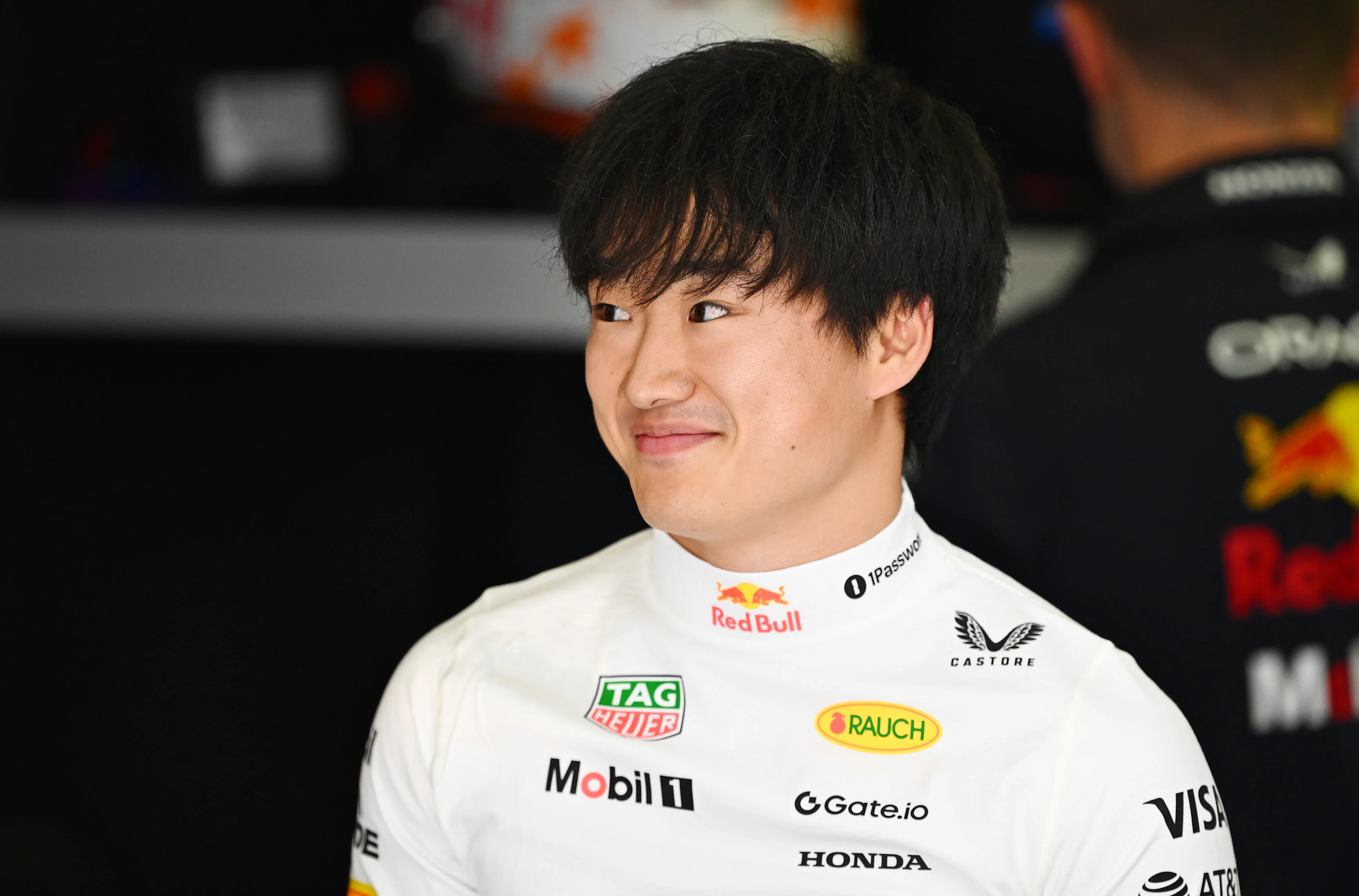
There is also something deeply relatable about his position. Most of us know what it feels like to be the backup, the one waiting for a chance, rehearsing in the wings while someone else takes the stage. Tsunoda is living that story at 300 kph, and doing it with a smile that suggests he genuinely loves the fight. The fans have always loved him for it: the underdog energy, the radio outbursts, the obvious joy when things go right. An audition like this one, with everything on the line, is pure Yuki theater, and the paddock is better for it.
The Waiting Game: Life as a Reserve Driver
There is a particular loneliness to being a reserve driver that the television cameras never show. You travel to every race. You sit in the briefings. You do the simulator work, sometimes hundreds of laps of it, developing a car you may never race. You stay fit enough to jump in at a moment's notice, which means training like a starter while living like a spectator. And you smile, because the alternative is admitting how much it stings to watch twenty other people do the thing you were born to do.
Ready is a lifestyle
Tsunoda lived that life for the first half of 2026, and the discipline it takes is worth appreciating. A reserve driver cannot afford an off week, because the call, when it comes, comes with no warning. Hadjar's injury happened during the summer shutdown, which meant Tsunoda's preparation window was measured in days, not weeks. He had to be race-fit already. He had to have his reflexes sharp already. The fact that he was immediately on the pace at Zandvoort is not luck; it is the payoff of months of invisible work, the simulator hours and the training sessions that nobody applauds.
There is a fashion-world parallel here that our readers will understand instantly. The reserve driver is the understudy, the one who knows every line but never gets the opening night, until one day the star twists an ankle and the understudy has exactly one performance to prove she should have been the lead all along. The theater world has a whole mythology about understudies who became legends overnight. Formula 1 is not quite so romantic, the data does not care about your story, but the emotional shape is identical. Three races. One stage. No second take.
The paddock is watching
Make no mistake: everyone in the paddock is paying attention to this cameo, not just Racing Bulls. Team principals up and down the pit lane keep mental files on every driver, and a substitute performance is one of the cleanest data points in the sport, because there is no PR machinery around it, no season-long narrative to decode. It is just a driver, a car, and a stopwatch. When driver market conversations begin for 2027, and they are always beginning, the name Yuki Tsunoda will come with fresh evidence attached. That is the real prize of these three races, bigger than any single result: relevance, re-established, in the minds of the people who hand out seats.
What's Next: Monza and Madrid
Two races remain in the cameo: Monza and Madrid, before Hadjar is expected to return at Baku. Each one is a different test. Monza, the Temple of Speed, is about bravery and slipstreaming and threading a car through the Parabolica at speeds that make your vision blur. Madrid, the new street circuit, is about precision and confidence and learning a track while the world watches. Different skills, same stakes.
The smart play for Tsunoda is simple: more of the same. Be quick, be clean, give great feedback, and let the results speak. He does not need a miracle; he needs consistency. A second respectable finish at Monza would turn a good audition into a compelling one. A third at Madrid would make it very hard for anyone to ignore him when the 2027 driver market starts moving.
And here is the delicious complication: Lawson is impressing at Red Bull. If Lawson keeps delivering, the dominoes keep falling, and Tsunoda's Racing Bulls performances start to look like part of a larger story about the depth of the talent pool. A rising tide lifts all the substitutes. But Tsunoda cannot control what Lawson does. He can only control his own three races, and so far, so good.
The Bigger Picture
Zoom out for a moment, because this little three-race drama is really about something larger: how Formula 1 handles talent. The sport has more good drivers than good seats, and the reserve system is supposed to be the bridge between the two. Too often it is a waiting room where careers go to fade. Tsunoda's cameo is a reminder of what the system is for: keeping a race-ready driver sharp, and giving him a stage when the moment comes.
FAQ
Why was Isack Hadjar missing at Zandvoort?
Hadjar fractured his wrist punching a sand-filled heavy bag while boxing during the summer shutdown. His absence will stretch to three races: the Dutch, Italian, and Madrid Grands Prix, with a targeted return at Baku.
Which team did Yuki Tsunoda drive for at the Dutch GP?
Racing Bulls. Liam Lawson was promoted from Racing Bulls to partner Max Verstappen at Red Bull while Hadjar was injured, and reserve driver Tsunoda filled Lawson's vacated Racing Bulls seat. Tsunoda did not drive for Red Bull.
How do teams evaluate a substitute driver's cameo?
Teams look past the finishing position to qualifying pace versus the full-time teammate, tire management over long stints, the quality of technical feedback to engineers, and clean, drama-free weekends. Speed you cannot teach; feedback and consistency reveal the professional.
How many races does Tsunoda's cameo cover?
Three: the Dutch Grand Prix (P11), plus Monza and Madrid, before Isack Hadjar is expected to return at Baku.
A Note on Sources
Driver line-up changes, injury details, race results, and driver quotes in this feature are based on official Formula1.com reporting around the 2026 Dutch Grand Prix at Circuit Zandvoort, cross-checked with coverage from Reuters, BBC Sport, Sky Sports, Crash.net, PlanetF1, and The Race. Analysis of substitute-driver evaluation is editorial interpretation based on standard paddock practice.