
By Paulina Phan, Senior Editorial Contributor | August 31, 2026
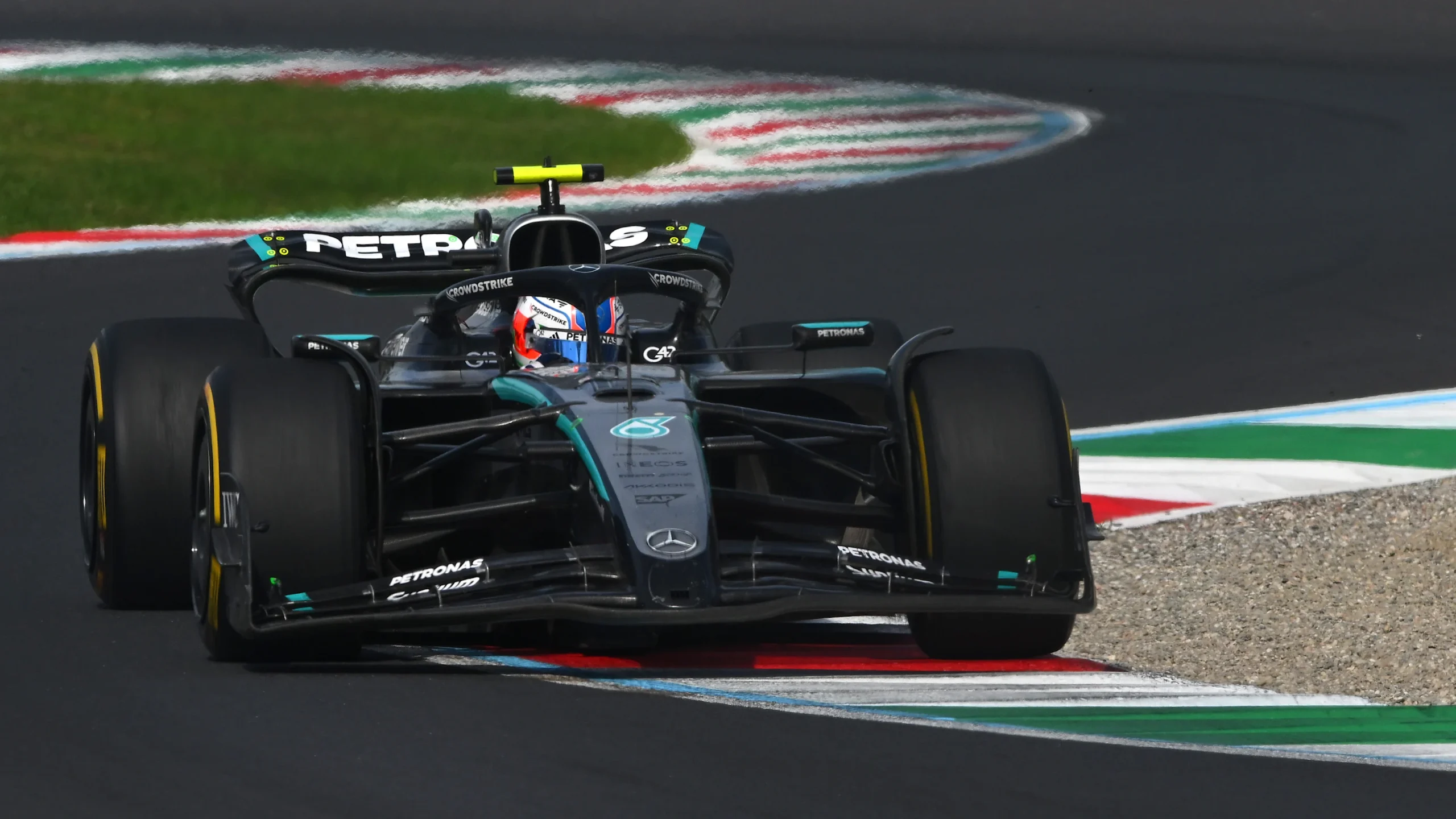
There are home races, and then there are homecomings. On September 6, Kimi Antonelli, the 20-year-old championship leader, races at Monza, the Temple of Speed, in front of the tifosi, as an Italian driver with a 59-point championship lead and the whole weight of a nation's hope on his young shoulders. The Italian Grand Prix is always emotional. This one has the potential to be historic.
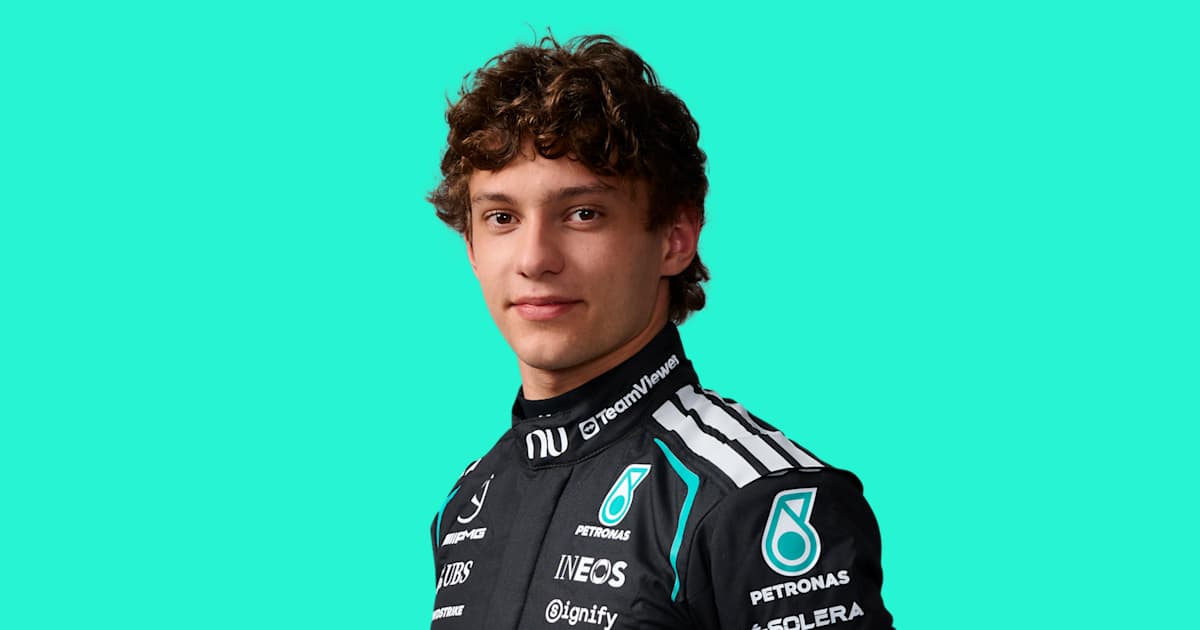
Antonelli's season has been the story of 2026: a 19-year-old (now 20, as of his birthday last week) who took pole at the season opener in Australia and never looked back, building a lead that now stands at 59 points over his teammate George Russell. He has won when the car was dominant and banked podiums when it was not. He has handled pressure like a veteran and speed like a prodigy. And now he comes home, to the circuit where the grandstands will be full of Italian flags with his name on them, where the roar when he appears will be louder than anything he has ever heard.
But there is a complication, and it is a big one. Antonelli will take a 10-place grid penalty at Monza for taking a new power unit beyond his allocation. Ten places. At a circuit where qualifying position matters enormously, where the slipstream battles of Q3 decide so much, the championship leader will start no higher than 11th, and quite possibly lower depending on where he qualifies. The homecoming just got a lot more complicated.
So the question for this preview is delicious: can the championship leader, at his home race, in front of his people, win from the back half of the grid? Let us break down everything that matters for Monza.
59 Points of Daylight
Let us start with the arithmetic, because it frames everything. Antonelli leads the drivers' championship with 242 points to Russell's 183, a gap of 59 points with the European season drawing to a close. Lewis Hamilton sits third on 183 points, tied with Russell, Lando Norris fourth on 159 after his Zandvoort win, Charles Leclerc fifth on 155, and Max Verstappen sixth. In the constructors' standings, Mercedes leads with 425 points to Ferrari's 338, with McLaren on 263 and Red Bull on 186.
A 59-point lead is commanding, but it is not what it was. Two races ago it was about 45. Norris's wins at the Hungaroring and Zandvoort have nibbled at the edges, and while Antonelli's cushion is still more than two full race wins, the direction of travel is worth noting. Championships are not lost in a single weekend, but they can start to feel less certain, and the psychological shift from "when will he win it" to "can he hold on" is the most dangerous moment in any title fight.
Monza, then, is about more than one race. It is about reasserting control. A win at home, from anywhere on the grid, would be the statement of the season, the kind of result that ends arguments. A bad weekend, a retirement, a points hemorrhage while Russell or Norris wins, and suddenly the run-in gets very interesting indeed. The stakes could not be higher, and the tifosi could not be louder.
The 10-Place Problem
Now the bad news, in detail. Formula 1's power unit regulations allow each driver a limited allocation of components per season, and Antonelli has reached the end of his. Taking a fresh power unit beyond the allocation triggers an automatic grid penalty, and at Monza that penalty is 10 places. It is the cruellest kind of bad luck: a reliability-driven penalty, nothing to do with driving, everything to do with the long grind of a season.
What does starting 11th (or worse) mean at Monza? In the modern era, Monza is actually one of the better circuits for overtaking, thanks to the long straights and the heavy braking zones into the chicanes. The slipstream is powerful, DRS, well, the active-aero equivalent, is effective, and a fast car can move through the field. It is not Monaco. Recovery drives are possible here, and the history books are full of them.
But "possible" is doing a lot of work in that sentence. Starting mid-pack at Monza means navigating the first-lap chaos of the Rettifilo, the tight first chicane where half the field arrives at 340 kph and tries to fit through a corner designed for far fewer cars. It means traffic, dirty air, and the constant risk of someone else's mistake ending your afternoon. And it means that every rival ahead of him, Russell, Norris, Hamilton, Leclerc, gets a head start on a day when Antonelli can least afford to give one away.
The Mercedes will be quick, of that there is little doubt. The question is whether quick is enough when you are starting from the sixth row and the win requires passing half the grid. The great recovery drives in Monza history share a common ingredient: a car that is clearly the fastest on the day, plus a driver willing to be brave in the braking zones. Antonelli has the car. Whether he has the afternoon is the entire drama of the weekend.
The Tifosi Factor
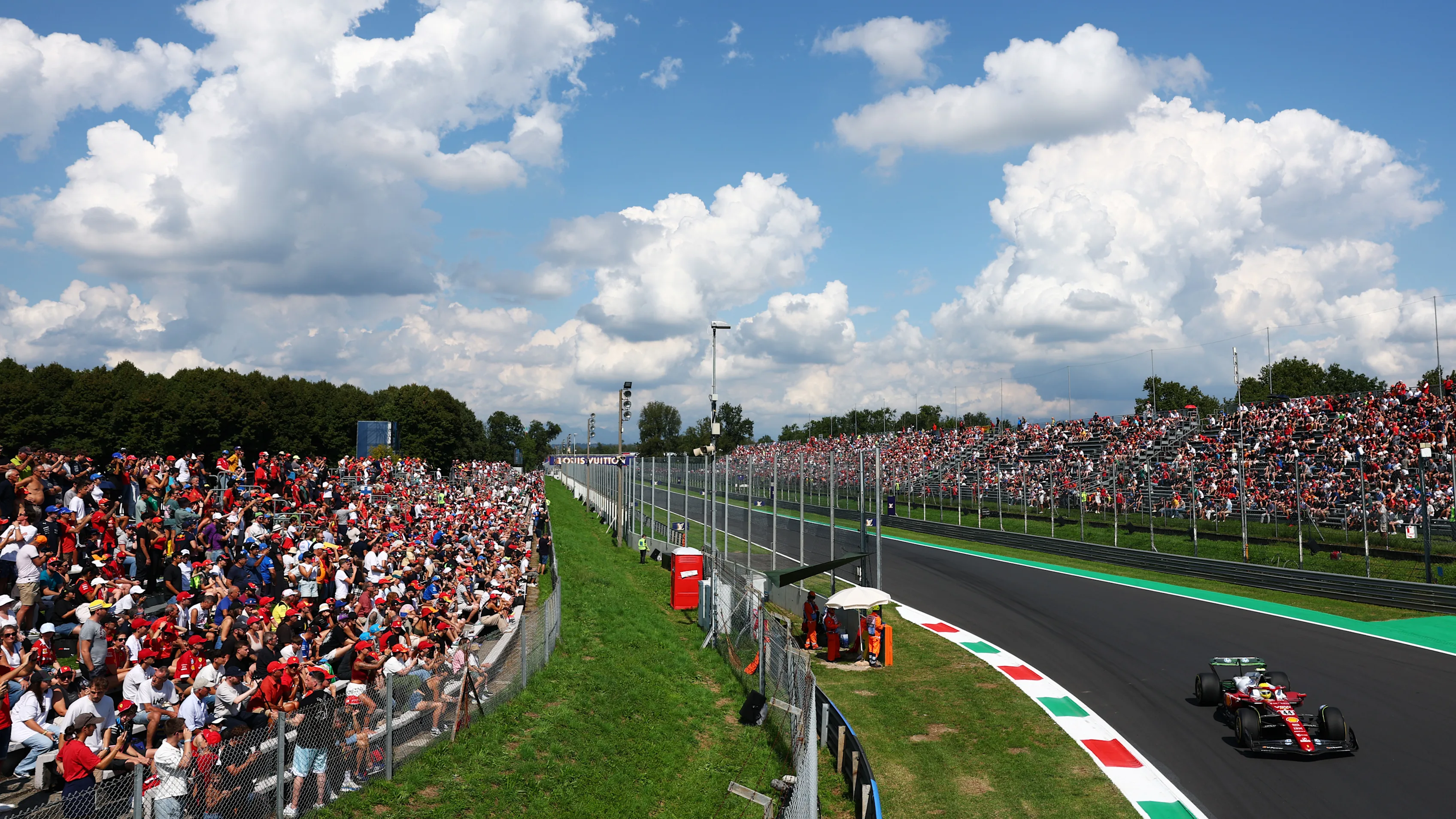
Here is the thing about Monza that no data model can capture: the tifosi. The Italian fans are the most passionate, most knowledgeable, most gloriously partisan crowd in Formula 1, and they have been waiting for this moment for longer than Antonelli has been alive. An Italian driver, leading the world championship, racing at Monza. It has been the dream since he was in karting, and now it is real.
The atmosphere will be unlike anything Antonelli has experienced. The grandstands will be a sea of red, yes, but also silver, because this is a homecoming that transcends team colors. When he drives out for the first practice session on Friday, the roar will follow him around the entire lap. When he qualifies, wherever he qualifies, the grandstands will erupt. And if he is fighting for the win on Sunday, the noise will be something that lives in his memory forever, whatever the result.
There is pressure in that, of course. Home races have broken drivers before, the weight of expectation turning anticipation into anxiety. But Antonelli has shown all season that pressure does not seem to register with him the way it does with others. The teenager who led the championship from the first race, who handled every setback with a shrug and a smile, who turned 20 last week with the composure of a veteran, is not the type to be overwhelmed by love. If anything, the tifosi might be the tailwind he needs to overcome the grid penalty.
The girly editorial take: there is something deeply romantic about this weekend. The young Italian hero, the temple of speed, the sea of flags, the grid penalty as the dragon to slay. It is the stuff of sports movies, and the tifosi know it. They will be there in numbers that defy counting, and they will be loud enough to be heard in Maranello.
The ADUO Question at Monza
Monza is also the first real test of the ADUO engine upgrades, and that adds a fascinating technical layer to the weekend. ADUO, the Additional Development and Upgrade Opportunities, allows power unit manufacturers rated 2% or more off the benchmark to bring in-season upgrades. Mercedes was rated at least 2% off and gets its chance. Ferrari, Audi, and Honda were 4% or more adrift and get two chances each. Red Bull Powertrains, with the most powerful combustion engine, gets nothing.
Monza, the fastest circuit on the calendar, is where power unit performance is laid bare. If the ADUO upgrades work, the gaps should compress, and Ferrari, at its home race, in front of the tifosi, could be the big beneficiary. A Ferrari that can genuinely fight at the front changes everything: it gives Leclerc and Hamilton the machinery to win at home, it gives the tifosi a second hero to cheer, and it gives Antonelli, starting from the back half of the grid, an even bigger problem to solve.
The speed traps will tell the story. Watch them on Friday, watch them on Saturday, and by Sunday you will know whether the competitive order has shifted. Engine upgrades are the sport's great unknowns, dyno numbers do not always translate to lap time, but the potential is real and the timing is perfect. Monza is the stage.
The Rivals Circle
While Antonelli deals with his penalty, the rivals will be circling. George Russell, second in the championship, knows that a win at Monza while his teammate starts 11th is the single fastest way to cut into a 59-point lead. The maths is simple: every position Antonelli loses to Russell is a swing, and a Russell win with Antonelli mired in the midfield could take a real chunk out of the gap.
Lando Norris arrives with momentum, two wins in the last three races, and a McLaren that loves fast circuits. The papaya cars have been the form team of the late summer, and Monza's long straights should suit them. Norris will fancy his chances of a third win in four races, and if he gets it, the championship conversation gets a new voice.
And then there is Ferrari, at home, with the ADUO upgrade potentially in the car and the tifosi demanding a red victory. Charles Leclerc and Lewis Hamilton will have the crowd behind them in a way no other driver can match at this circuit. A Ferrari win at Monza, in this of all seasons, would be one of the great sporting moments of the year. The tifosi have waited long enough for a home win. They will not wait quietly.
What to Watch
So what should you be watching for when the lights go out at Monza on September 6? Start with the start itself: Antonelli, from 11th or worse, navigating the Rettifilo chaos. The first lap at Monza is always a lottery, and starting mid-pack makes it a lottery with worse odds. If he survives the first lap cleanly, the recovery drive is on.
Watch the speed traps, because they will tell you whether the ADUO upgrades have changed anything. Watch the Ferraris, because a red car at the front at Monza is the sport's most reliable source of drama. Watch Russell, because this is his best chance in weeks to land a blow on his teammate. Watch Norris, because momentum is real and he has it. And watch the tifosi, because whatever happens on track, the grandstands will be the best show in sports.
The prediction business is a fool's game, but here is the honest assessment: Antonelli can win this race. The Mercedes is fast enough, Monza allows overtaking, and the driver is special. But it will require everything: a clean start, brave moves in the braking zones, perfect strategy, and probably a little luck. The 10-place penalty is a mountain. The homecoming is the reason to climb it.
FAQ
Why does Antonelli have a grid penalty at Monza?
He has exceeded his season allocation of power unit components and must take a fresh unit, triggering an automatic 10-place grid penalty for the Italian Grand Prix.
What is the championship situation heading to Monza?
Antonelli leads with 242 points, 59 clear of Russell on 183. Hamilton is tied with Russell on 183, Norris has 159 after his Zandvoort win, Leclerc 155, and Verstappen is sixth. Mercedes leads the constructors' championship with 425 points.
What are the ADUO upgrades?
ADUO (Additional Development and Upgrade Opportunities) allows power unit manufacturers rated 2% or more off the benchmark to bring in-season upgrades. Mercedes, Ferrari, Audi, and Honda all qualify for upgrades; Red Bull Powertrains, with the most powerful combustion engine, does not.
When is the Italian Grand Prix?
The Italian Grand Prix takes place at Monza on September 6, 2026, the European season finale.
A Note on Sources
Championship standings, the grid penalty, ADUO framework details, and the Monza race date in this preview are based on official Formula1.com reporting and series communications ahead of the 2026 Italian Grand Prix, cross-checked with coverage from Reuters, BBC Sport, and Sky Sports.