
By Paulina Phan, Senior Editorial Contributor | September 7, 2026
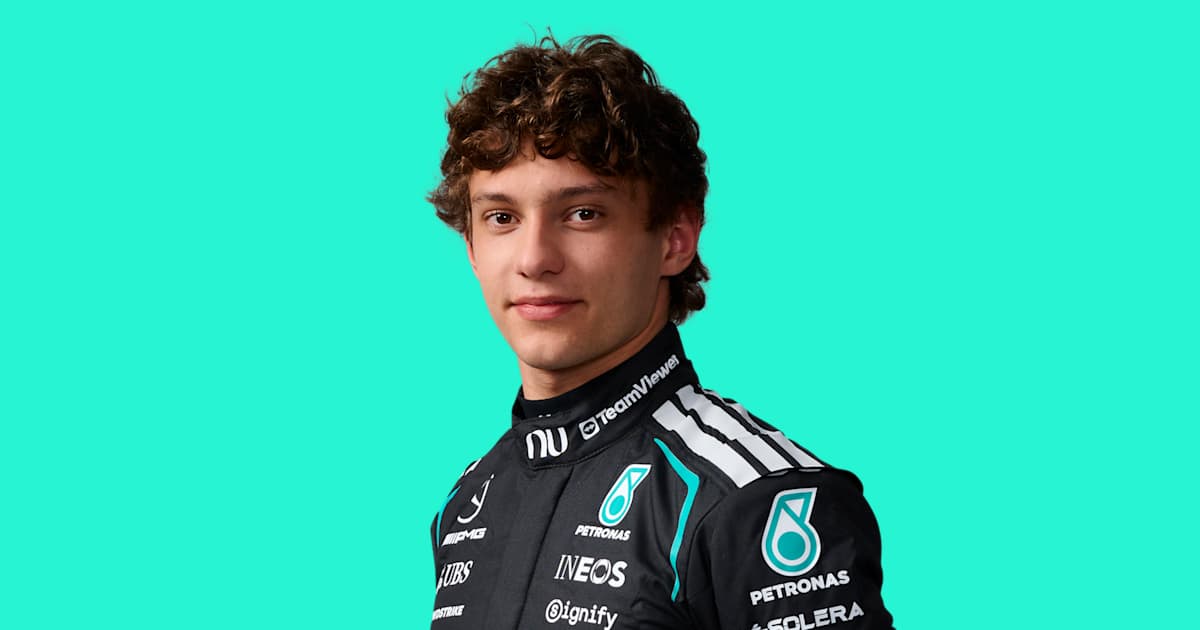
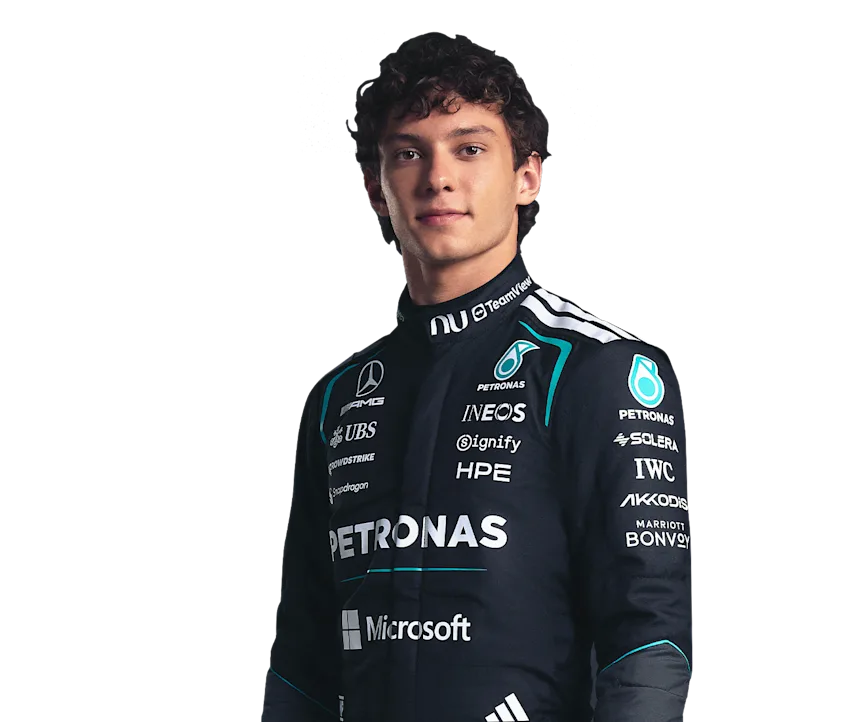
Some wins are inherited. Some are gifted by safety cars and strategy. And then there are the wins like Kimi Antonelli's at Monza on Sunday, the kind that have to be earned three times over: once in qualifying that does not count, once in a charge through the field that nobody thought possible, and once in a duel with your own teammate that decides everything. The 20-year-old Italian won the 2026 Italian Grand Prix from P19 on the grid, passing George Russell on lap 50 to complete a Mercedes 1-2, and in doing so he ended sixty years of waiting. No Italian driver had won the Italian Grand Prix since Ludovico Scarfiotti in 1966. The tifosi had waited six decades for this. It was worth every second.
The numbers are staggering. From 19th to 1st in 53 laps. A 10-place grid penalty for a power unit change, compounded by a qualifying session that went sideways, overcome by pure pace and bravery. A Mercedes 1-2 at Monza, the silver cars finishing first and second at the Temple of Speed. And a championship lead that now stands at 74 points, because when you win from P19 while your rivals falter, the maths gets very simple very quickly.
This was not just a race win. This was a coronation, the kind of performance that ends debates about whether a driver is the real thing. The tifosi knew it. The paddock knew it. By the time Antonelli stood on the top step of the podium, with the Italian anthem playing and the grandstands in delirium, everyone in Formula 1 understood what they had just witnessed. The kid is not the future anymore. He is the present.
The Short Version
You are busy, so here is everything that mattered, fast.
The podium
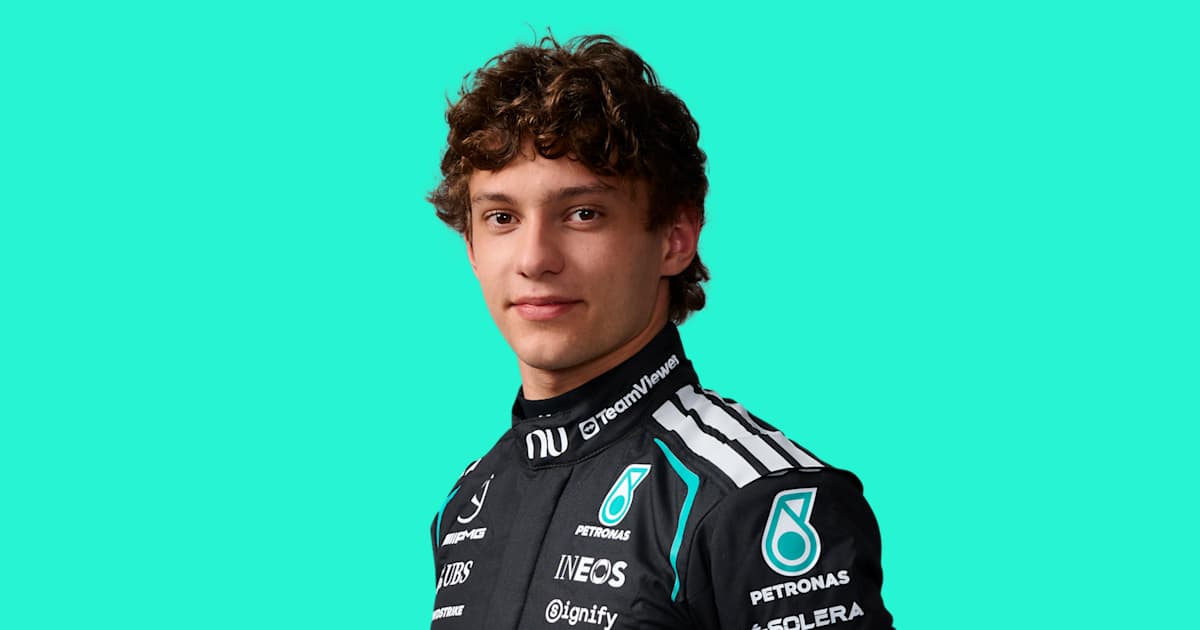
Kimi Antonelli won the Italian Grand Prix for Mercedes from P19 on the grid, his seventh victory of the 2026 season, passing teammate George Russell on lap 50 for the lead. Russell finished second, completing a Mercedes 1-2. Charles Leclerc finished third for Ferrari, the consolation prize for the tifosi in a race that belonged to an Italian in silver.
How the grid looked
Qualifying at Monza produced one of the stories of the season. Pierre Gasly took a stunning pole position for Alpine, the Frenchman's first pole and a fairytale result for the Enstone team. Behind him, the grid had a familiar look at the front: the McLarens and Mercedes of Russell in the mix, the Ferraris of Leclerc and Hamilton hoping for home glory. And at the back, Kimi Antonelli, the championship leader, in P19: a 10-place grid penalty for a power unit change compounded by a qualifying session that did not go to plan.
The Gasly pole was the kind of story that makes qualifying worth watching. Alpine, the midfield team that has spent the season punching above its weight, put it all together when it mattered most, and for a few hours on Saturday, the paddock dared to dream of the most romantic result imaginable: an Alpine winning at Monza. It was not to be, but the pole itself was a triumph, and Gasly's Saturday will be remembered long after the details of the race fade.
The start: chaos at the Rettifilo
The start at Monza is always a lottery, and on Sunday the numbers came up chaos. The run into the Rettifilo, the tight first chicane, produced exactly the kind of first-lap drama the preview had warned about. Contact between the midfield runners sent cars spinning, and the field concertinaed through the chicane in a scene of beautiful, terrifying disorder. Through it all came Antonelli, picking his way through the carnage with the calm of a driver who had done this a hundred times before, gaining places with every corner.
By the end of the first lap, the championship leader had already made up a staggering number of positions, and the grandstands, which had been holding their breath, started to believe. This was not going to be a damage-limitation drive. This was going to be something special.
Lap 50: The Pass That Won the Race
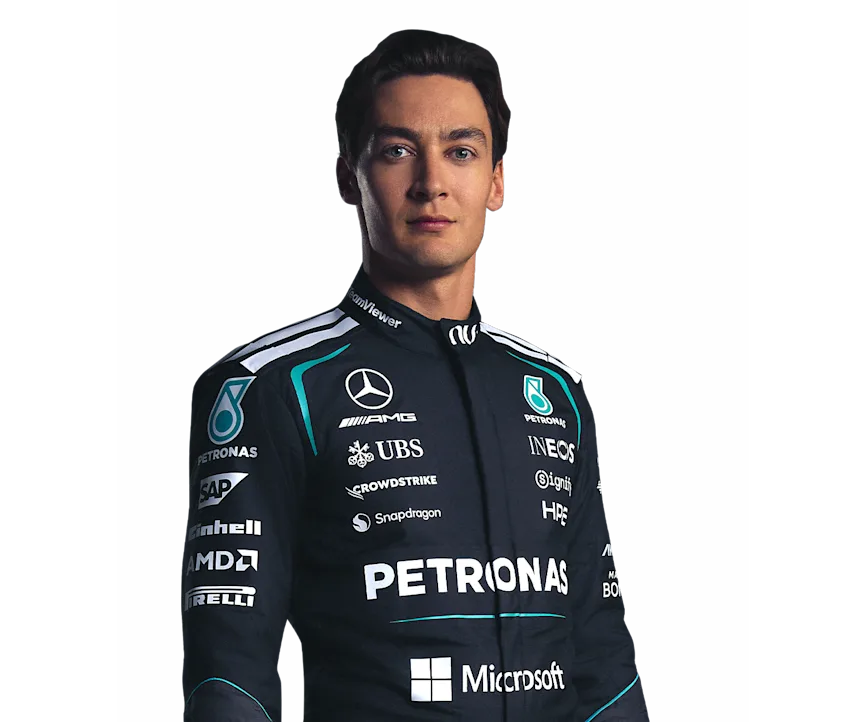
Let us go straight to the moment that decided everything. On lap 50 of 53, with the race entering its final act, Kimi Antonelli passed George Russell for the lead of the Italian Grand Prix. Teammate on teammate, championship leader on championship rival, at Monza, in front of the tifosi. It was the kind of move that defines seasons.
The context makes it even more remarkable. Russell had driven a superb race, leading from the front and controlling the pace, and for much of the afternoon it looked like the senior Mercedes driver would finally get his statement win. But Antonelli, on fresher tires after a later stop, had been closing at an alarming rate, and when the moment came, there was no team order, no radio call, no choreography. Just two Mercedes drivers racing, and the younger one going through.
Russell's response was pure class. No complaint, no drama, just a second place that keeps his championship hopes alive and a graciousness in defeat that the paddock noticed. "He was just faster today," Russell said afterward, and the simplicity of that sentence says everything about the dynamic between these two. Rivals, teammates, and, when it matters, professionals.
The pass itself was clean, decisive, and utterly ruthless, the kind of move that a driver makes when he knows he is faster and knows the championship is on the line. For Antonelli, it was the culmination of a drive that had started in P19 and climbed through the entire field. For Russell, it was the cruelest kind of defeat: leading your home race for your team, doing everything right, and still losing to the faster car.
Gasly's Fairytale, Interrupted
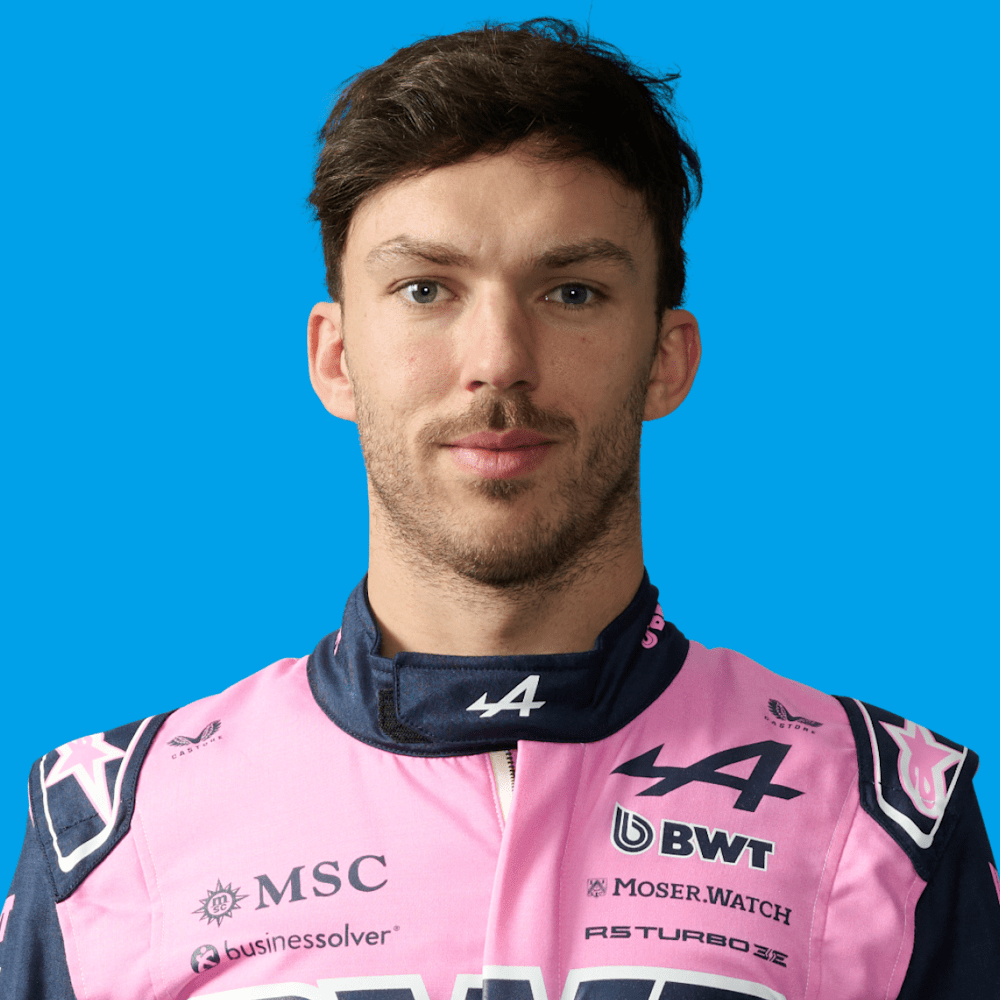
Before the Mercedes show took over, Sunday belonged to Pierre Gasly. The Alpine driver's stunning pole position on Saturday had been the story of the weekend, and for the opening stint he made it count, leading the Italian Grand Prix with the kind of controlled aggression that suggested the fairytale might actually happen. The grandstands, always ready to adopt an underdog, were fully behind him.
But fairytales need more than a good opening chapter. As the race wore on, the Alpine's pace faded relative to the Mercedes, and Gasly slipped back through the field. He would finish seventh, a strong result that does not quite capture the magic of Saturday. The pole was the triumph; the race was the reality check. Still, for one Saturday afternoon at Monza, Pierre Gasly was the fastest driver in the world, and nobody can take that away from him.
There is a particular poignancy to a pole that does not convert. Saturday's heroics create an expectation that Sunday cannot always meet, and the comedown is part of the sport's emotional texture. Gasly handled it with grace, and the paddock's affection for him, already high after years of the Anthoine tribute work, only grew. The fairytale did not have a happy ending, but it had a beautiful beginning.
Sixty Years of Waiting
Now the history, because it deserves its own chapter. No Italian driver had won the Italian Grand Prix since Ludovico Scarfiotti did it for Ferrari in 1966. Sixty years. Six decades of near-misses, of Italian drivers in Italian cars falling short, of the tifosi dreaming and hoping and leaving disappointed. The wait had become part of the folklore, the kind of statistic that gets repeated every September with increasing disbelief.
Antonelli ended it. An Italian driver, winning the Italian Grand Prix, at Monza, in front of the tifosi. The fact that he did it in a Mercedes rather than a Ferrari will be a footnote; the fact that he did it at all is the story. The grandstands erupted in a way that transcended team loyalties, because this was bigger than Mercedes or Ferrari. This was Italy winning at Monza, and the tifosi had waited sixty years for it.
The scenes were unforgettable. The Italian anthem, the flags, the delirium. Antonelli, the 20-year-old who had just driven from P19 to victory, standing on the top step with tears in his eyes. The podium ceremony at Monza is always special; this one was historic. Sixty years of waiting, ended in silver, by a kid from Bologna who drives like he was born for this.
The 74-Point Lead
And now the championship maths, because Monza changed everything. Antonelli's win, combined with the results around him, has stretched his championship lead to 74 points. Seventy-four. Let that number sit for a moment. It is nearly three full race wins, a margin that transforms the title fight from a contest into a coronation-in-waiting.
Consider what 74 points means. Russell, in second, now needs not just wins but a collapse, a run of results so one-sided that it would require Antonelli to retire from multiple races while Russell wins them. It is not impossible, nothing is impossible in Formula 1, but it is the kind of gap that makes the rest of the season feel like a victory lap. The championship is not over, but the fat lady is warming up.
The irony is delicious. Two weeks ago, the lead was 59 points and the conversation was about whether Norris's momentum could make it interesting. One race, one P19-to-P1 masterclass, and the gap is 74. That is what a statement win does. It does not just add points; it breaks spirits.
The Moments We Will Keep
Some races are just races. This one was history. The image of Antonelli threading through the Rettifilo chaos on lap one, already up double-digit positions. The image of Gasly leading, the Alpine at the front at Monza, the fairytale flickering. The image of the lap-50 pass, teammate on teammate, the championship decided in a single move. And the image of the podium, the Italian anthem, the tears, the sixty years of waiting ending all at once.
Monza 2026 will be remembered as the day the kid became the king. Not the future, not the prospect, but the champion-in-waiting who stopped waiting. From P19 to P1, at home, in front of the tifosi, ending sixty years of history. If you watched it, you will never forget it. If you missed it, find the highlights. This is why we watch.
What Comes Next
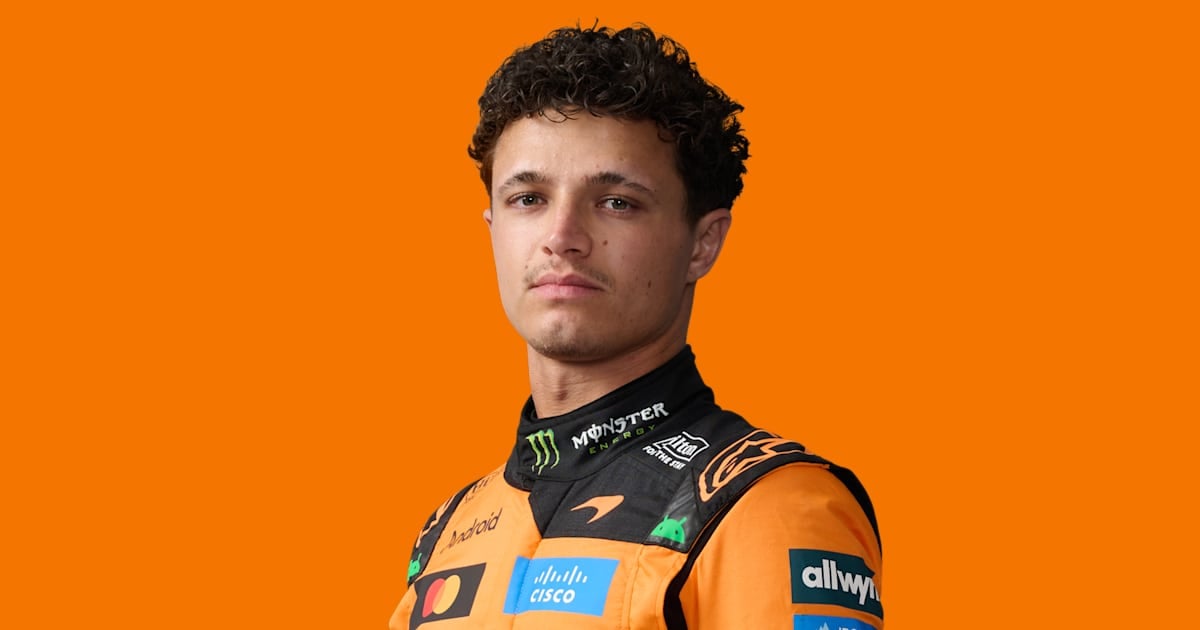
The European season is over, and Formula 1 now heads into the flyaway stretch with the championship picture transformed. Antonelli leads by 74 points, the Mercedes 1-2 at Monza was the team's statement of intent, and the remaining races will decide not if but when the coronation happens. The next stop is Baku, where Isack Hadjar is expected to return from his wrist injury, and the driver market silly season will continue to simmer.
For Russell, the task is now brutally clear: win, and hope. For Norris, the momentum of the late summer has hit the cold reality of a 74-point gap. For the tifosi, the wait is over, and the celebration will last long after the grandstands empty. Sixty years. Ended in silver. The kid from Bologna did it.
FAQ
Who won the 2026 Italian Grand Prix?
Kimi Antonelli won the Italian Grand Prix at Monza on September 6, 2026, driving for Mercedes. He started P19 after a 10-place grid penalty and a difficult qualifying, and passed teammate George Russell on lap 50 for the lead, completing a Mercedes 1-2. Charles Leclerc finished third for Ferrari.
Why is this win historic for Italy?
No Italian driver had won the Italian Grand Prix since Ludovico Scarfiotti won for Ferrari in 1966, sixty years earlier. Antonelli's victory ended that six-decade wait.
What is the championship situation after Monza?
Antonelli's lead now stands at 74 points over Russell in second. The win from P19, combined with results around him, stretched the gap from 59 points to nearly three full race wins.
Who took pole position at Monza?
Pierre Gasly took a stunning pole position for Alpine, his first career pole. He led the opening stint but faded to seventh as the Mercedes cars came through.
A Note on Sources
Race results, qualifying results, grid penalties, championship standings, lap-50 pass details, and the Scarfiotti 1966 historical reference in this recap were cross-checked against official Formula1.com race weekend reporting for the 2026 Italian Grand Prix at Monza, with additional coverage from Reuters, BBC Sport, Sky Sports, and The Race.