
By Paulina Phan, Senior Editorial Contributor | August 19, 2026
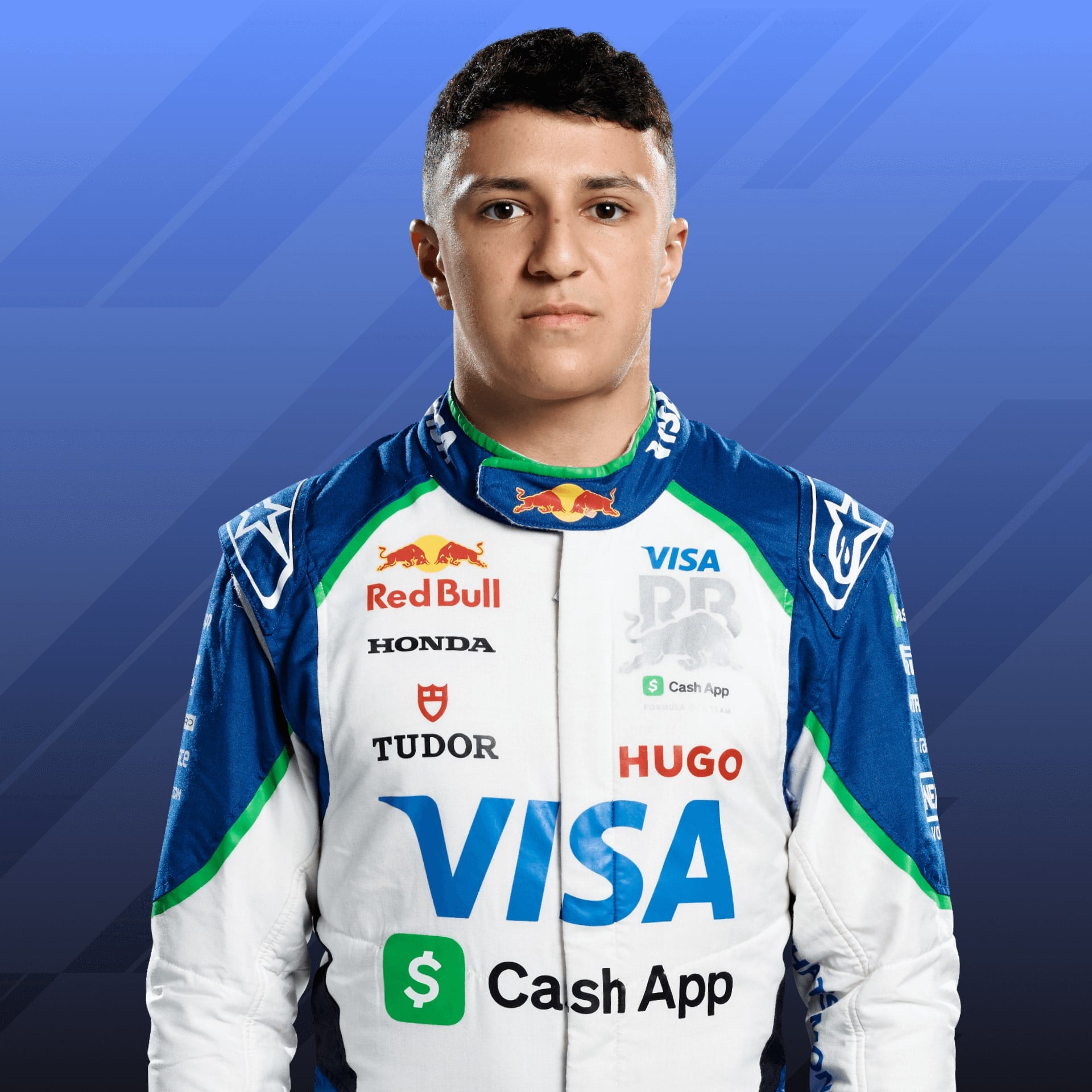
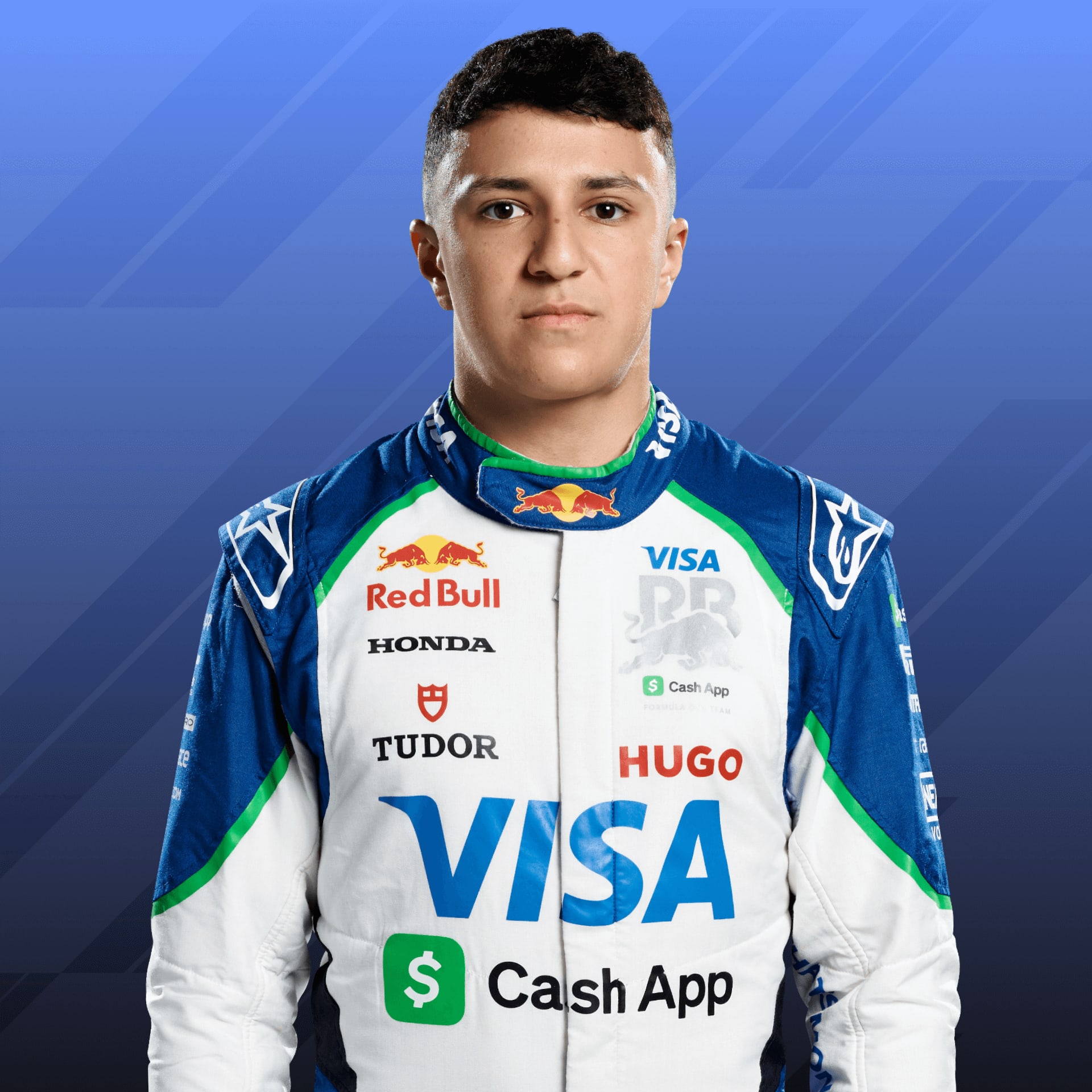
Of all the ways a Formula 1 season can be upended, this one might be the strangest. Isack Hadjar, Red Bull's breakout rookie, winner of hearts and a maiden podium at Monaco, broke his wrist during the summer shutdown. Not in a crash. Not in a training accident on a bike. He fractured it punching a sand-filled heavy bag while boxing. A boxing bag, of all things, has just detonated the driver market with four days to go before the Dutch Grand Prix.
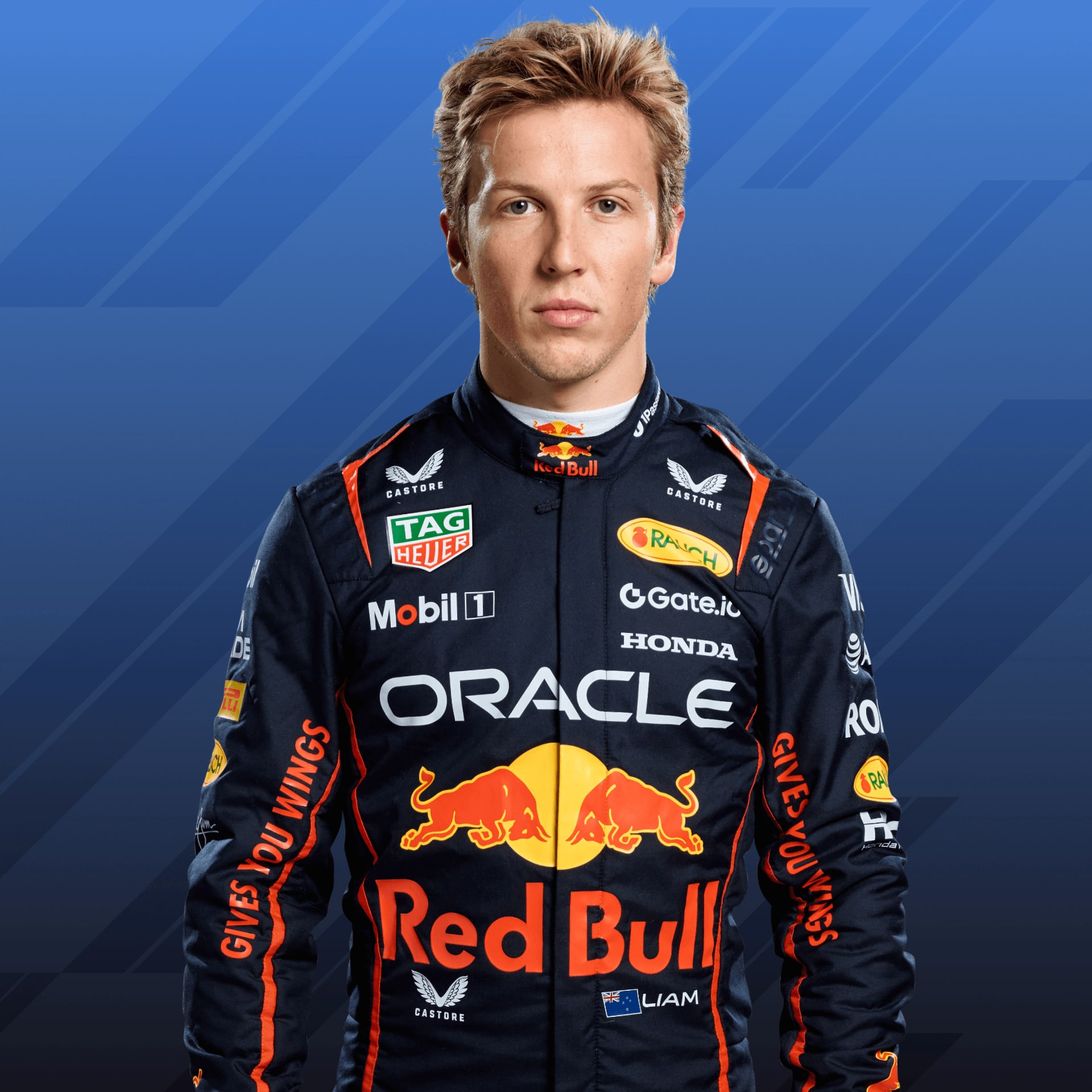
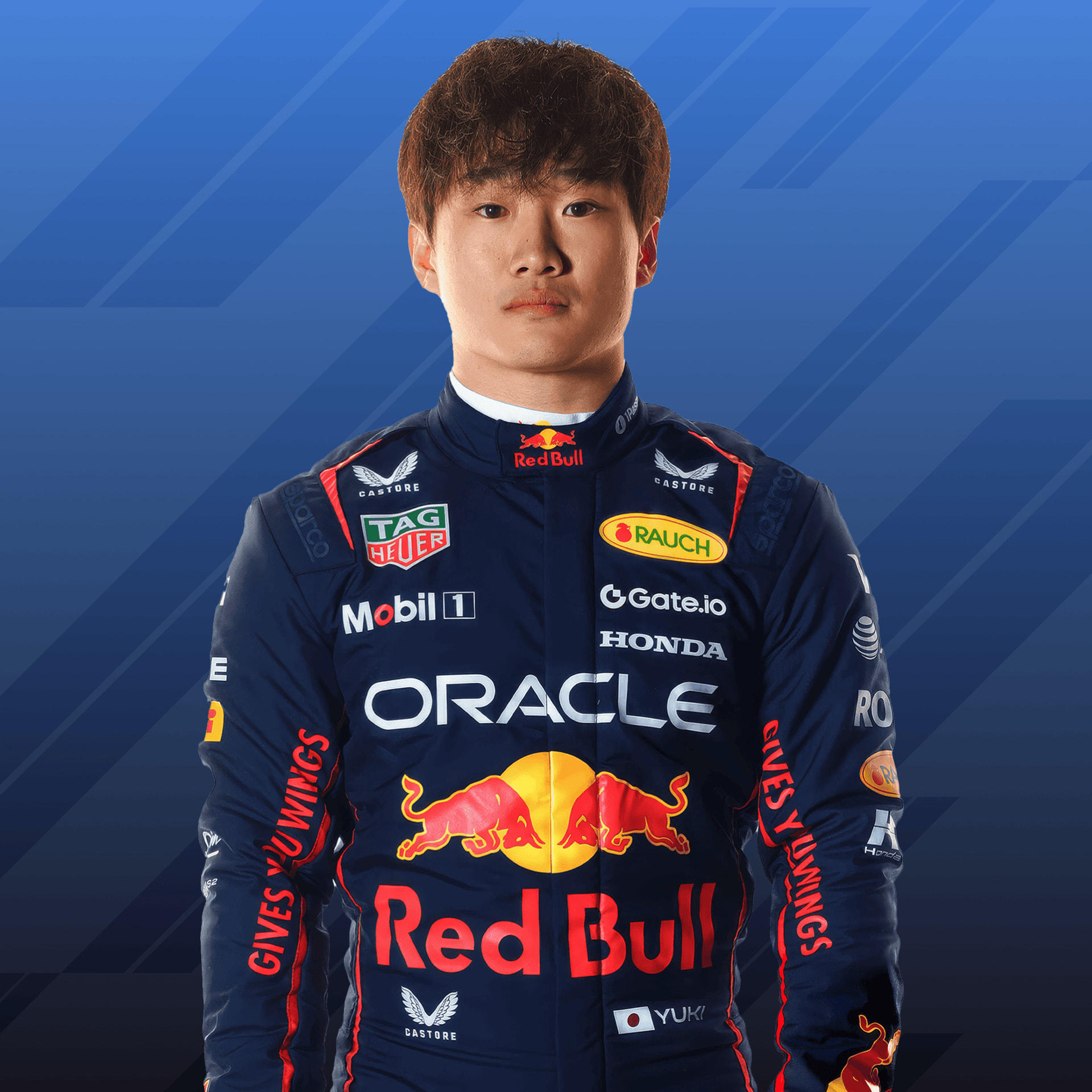
Red Bull announced the injury this week, and the fallout is immediate and dramatic. Hadjar will miss the Dutch Grand Prix at Zandvoort, and his absence will ultimately stretch to three races: the Dutch, Italian, and Madrid Grands Prix. In his place, the dominoes fall like this: Liam Lawson is promoted from Racing Bulls to partner Max Verstappen at Red Bull, and reserve driver Yuki Tsunoda fills Lawson's seat at Racing Bulls, which will be his first race action of the 2026 season. Two drivers get the opportunity of a lifetime. One driver gets a cast and a front-row seat to watch his stand-ins audition for their futures.
Let us be very clear about the seating chart, because it matters: Tsunoda's substitution is at Racing Bulls, filling Lawson's seat while Lawson covers for the injured Hadjar at Red Bull. Yuki Tsunoda is not driving for Red Bull. He is driving for Racing Bulls, the sister team, in the seat Lawson vacated. The distinction is everything in the Red Bull universe, where the two teams are two rungs of the same ladder.
The Punch Heard Around the Paddock
First, the injury itself, because it deserves a moment of pure disbelief. Formula 1 drivers are among the fittest athletes on earth, and their training regimens are famously intense: neck exercises that look like medieval torture, reaction drills, endless cardio. Boxing is a staple of driver fitness, beloved for its combination of cardio, coordination, and controlled aggression. It is also, apparently, capable of ending your month.
A sand-filled heavy bag is not a pillow. It is dense, unyielding, and famously unforgiving of poor wrist alignment, and Hadjar learned that the hard way. The fracture is the kind of injury that sounds minor until you remember what a Formula 1 driver does with his wrists: wrestle a steering wheel through high-speed corners for two hours, absorbing forces that would dislocate an ordinary person's shoulders. There is no driving a Grand Prix car with a fractured wrist. There is barely any driving at all.
The timing is brutal. Hadjar had scored his maiden podium at the Monaco Grand Prix earlier this season, the kind of result that announces a driver as the real thing, and he sat eighth in the drivers' standings at the break: a superb rookie campaign by any measure. To lose three races at this stage, with the championship run-in beginning and the driver market still unsettled, is the kind of setback that tests a young driver's resilience as much as his talent. The paddock will be watching his recovery closely, and not just out of sympathy.
There is a girly editorial observation to be made here about the sheer absurdity of elite athletes and their off-duty mishaps. These are men who cheat death at 300 kilometers an hour for a living, and they get injured doing the most ordinary things: playing football, riding bikes, and now, punching a bag full of sand. It is a reminder that for all the carbon fiber and telemetry, Formula 1 drivers are gloriously, breakably human. The bag did not care about his Monaco podium. The bag always wins.
Lawson's Second Chance
For Liam Lawson, this is the opportunity he has been waiting for, and it could not have arrived in a more dramatic fashion. Promoted from Racing Bulls to partner Max Verstappen at Red Bull, Lawson steps into the most scrutinized seat in the sport: the second Red Bull, alongside a four-time world champion in the middle of a winless season, with the whole paddock watching to see if he can handle it.
The dynamics are fascinating. Verstappen is, by every account, a demanding teammate: blindingly fast, technically exacting, and not in the habit of making life comfortable for whoever sits in the other car. Lawson's task is not to beat Verstappen, which would be asking for the moon, but to be close enough, consistent enough, and professional enough to make Red Bull's decision-makers take notice. In a driver market where five teams have yet to confirm their 2027 lineups, including Red Bull itself, every lap Lawson completes in that car is an audition.
There is real pressure here, and real opportunity in equal measure. A strong three-race stint alongside Verstappen could transform Lawson's career trajectory, turning him from a junior-team driver into a proven commodity at the sharp end. A difficult stint, on the other hand, would be just as informative, and just as public. The Red Bull system has never been sentimental about its drivers, and Lawson knows better than anyone that opportunities like this do not come with safety nets.
The girly lens notes the narrative symmetry: Lawson, who has spent his career fighting for recognition in the Red Bull program, finally gets the call, and he gets it because his colleague punched a bag. Formula 1 careers turn on such absurd pivots. The sport's history is full of drivers whose big break came from someone else's misfortune, and the gracious ones never forget it. One imagines Lawson's first message to Hadjar was equal parts sympathy and barely contained excitement. That is the correct emotional register for this situation.
The Reserve Driver's Limbo
To understand what these three races mean to Yuki Tsunoda, you have to understand what the last several months have been like. The reserve driver is Formula 1's strangest role: you are employed by a team, you travel to every Grand Prix, you sit in on briefings, you keep yourself at peak fitness, and then on Sunday you watch. You wear the kit. You do the media. You smile. And you do not race.
It is, by all accounts, a peculiar kind of purgatory. The whole point of being a racing driver is racing, and the reserve role asks you to maintain every part of the athlete except the actual competing. Simulator sessions keep the reflexes honest. Training keeps the body ready. But nothing, absolutely nothing, replicates the violence and precision of a Grand Prix start, the elbows-out reality of twenty cars diving into Turn 1. Tsunoda has been kept in race-ready condition all season on the promise that his moment might come. Almost nobody expected it to come via a boxing bag.
That is what makes his quote so striking. "My primary focus is F1. I'm trying to be back. That's my target and I'm not thinking anything else." There is no self-pity in those sentences, no frustration leaking through. Just a man who has spent months in the waiting room and has finally been called. One imagines the simulator hours, the lonely training sessions, the Sundays spent watching from the garage while his rivals raced: all of it suddenly justified by three weekends that could change everything.
The girly lens finds this genuinely moving. This is the sports movie arc: the sidelined talent, the freak accident, the call-up nobody saw coming. Tsunoda's fans, and he has many, have waited all season for this. Now he gets Zandvoort, Monza, and Madrid to write the next chapter. Whatever happens, nobody will be able to say he was not ready.
Yuki's Return
And then there is Yuki Tsunoda, whose story might be the most emotionally resonant of all. The Japanese driver, Red Bull's reserve, will fill Lawson's seat at Racing Bulls, marking his first race action of the 2026 season. After months on the sidelines, watching, waiting, staying ready, Tsunoda finally gets to race again.
His mindset, as he described it, is beautifully simple: "My primary focus is F1. I'm trying to be back. That's my target and I'm not thinking anything else." Read that quote twice. There is no bitterness in it, no complaint about the months spent waiting, no hedging. Just focus. Just the target. It is the statement of a driver who has stripped his ambitions down to the essential: he wants to be back in Formula 1, properly back, and he is not thinking about anything else.
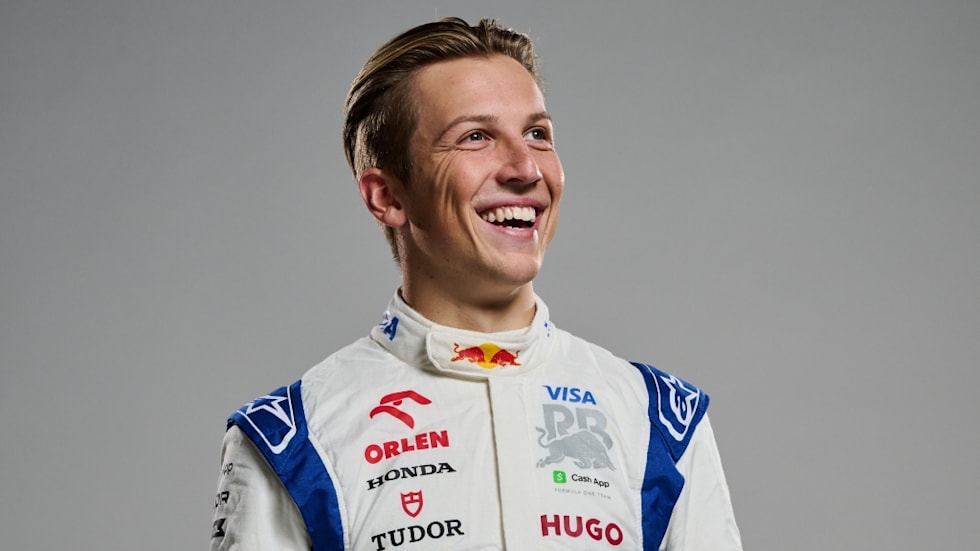
Tsunoda's journey gives this story its soul. Reserve drivers live in a strange limbo: fit enough to race, sharp enough to compete, but with no seat and no certainty, attending every Grand Prix in team kit with nothing to do on Sunday but watch. It is a test of professionalism that breaks some drivers and tempers others. Tsunoda has spent 2026 in that limbo, and now, through the most unlikely of circumstances, he gets three races to remind everyone why he belongs on the grid.
The Racing Bulls seat is familiar territory in one sense and entirely new in another. Tsunoda knows the team, knows the people, knows the drill. But race fitness, race sharpness, the specific cruelty of Grand Prix racing after months away: none of that can be simulated. His first laps at Zandvoort will be among the most watched of the weekend, and not just by his fans. Every team principal with an unconfirmed 2027 lineup will be paying attention.
The Audition Nobody Scheduled
Here is what makes this situation truly extraordinary: Hadjar's absence has turned the next three races into an unscheduled, high-stakes audition for two drivers' futures. Hadjar himself sits eighth in the standings with a Monaco podium to his name, a rookie season that had marked him as one of the sport's brightest prospects. Now his stand-ins get three races to show what they can do in machinery that has proven capable of podiums, and the driver market, with five teams still unconfirmed for 2027, will be watching every lap.
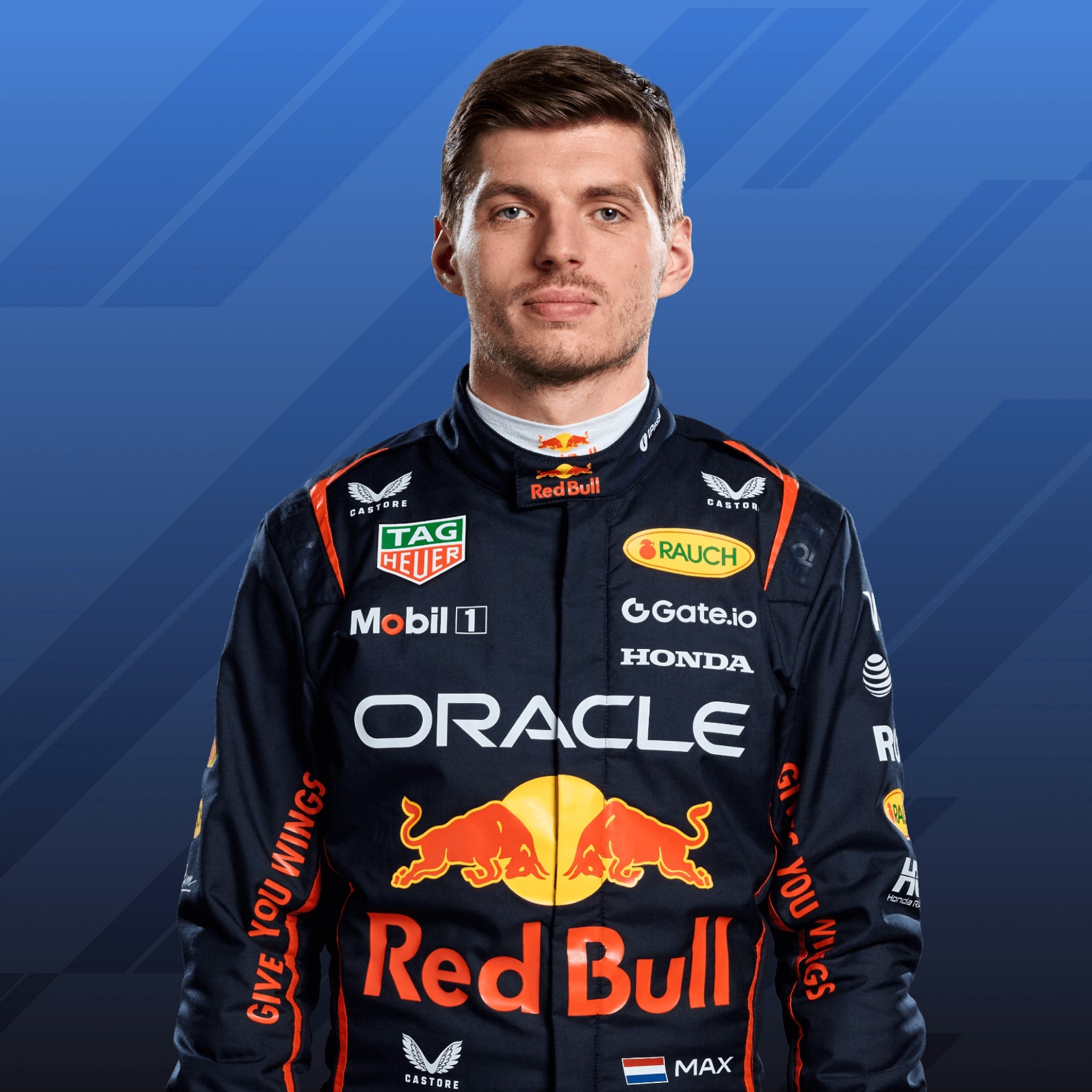
For Lawson, the audition is at the very top: alongside Verstappen, in the senior team, under the brightest lights. For Tsunoda, the audition is about something more fundamental: proving he deserves to be racing in Formula 1 at all, after a season on the sidelines. Both drivers know that three races is both a gift and a trap. It is enough time to impress, and enough time to be judged. There are no throwaway weekends in this situation.
The teams with open 2027 seats, Red Bull, Racing Bulls, Aston Martin, Haas, and Cadillac, now have an unexpected data set to consider. How does Lawson handle the pressure of the senior team? How quickly does Tsunoda shake off the rust? Does either of them outperform expectations in a way that forces a rethink of existing plans? The driver market was already the paddock's favorite parlor game. Hadjar's wrist just dealt everyone a new hand.
And spare a thought for Hadjar himself, watching from the sidelines as his replacements race his car. He did nothing wrong: he was training, staying fit, doing exactly what a professional athlete is supposed to do in August. The injury is bad luck, pure and simple. But Formula 1 is not a sport that waits, and three races is a long time to be absent when your stand-ins are auditioning. His Monaco podium and his eighth place in the standings are his armor. He will need them.
Boxing, Bags, and the Modern Driver
A word about the villain of this story: the heavy bag. Boxing has become a cornerstone of Formula 1 fitness, and for good reason. It builds the exact cocktail of attributes a driver needs: cardiovascular endurance, hand-eye coordination, core stability, and the ability to stay calm while someone, or something, is trying to hit you. Plenty of drivers swear by it. Plenty of drivers will continue to swear by it after this week, albeit with better wrist wraps.
The sand-filled bag is the traditionalist's choice: dense, heavy, honest. It does not forgive sloppy technique the way a softer bag might, and a mistimed punch can send the force straight back through the wrist. Every boxing coach in the world will tell you the same thing: wrap your hands, align your wrist, hit with the knuckles, not the fingers. Hadjar's fracture is a reminder that even elite athletes, even young men whose bodies are finely tuned instruments, are one awkward angle away from the treatment room.
Will this change anything? Probably not, which is part of the charm. Drivers will keep boxing, because the benefits are real and the risks are, in the grand scheme of things they do for a living, modest. These are people who accept a non-trivial chance of a 300-kilometer-an-hour accident every other Sunday. A heavy bag barely registers on their personal risk scales. But you can be sure that somewhere this week, in motorhomes up and down the paddock, trainers are giving their drivers a meaningful look and saying the words "wrist alignment" with unusual emphasis.
There is also a delightful irony that the toughest athletes in motorsport keep getting hurt doing anything but motorsport. It is practically a tradition: the football games, the cycling crashes, the skiing incidents that teams now write into contracts. The heavy bag joins a long and distinguished list of off-duty hazards. Hadjar's entry is arguably the most poetic, a driver famed for his feistiness undone by his own fighting spirit. The bag, as noted, always wins.
What Happens Next
The immediate future is clear: Zandvoort on August 23, where Lawson makes his Red Bull debut alongside Verstappen and Tsunoda returns to racing with Racing Bulls, all while Hadjar watches and heals. Then Monza, the European season finale, where the ADUO engine upgrades could shuffle the competitive order and give the stand-ins a different car to show off in. Then Madrid, the third race of Hadjar's absence, before the rookie is expected to return.
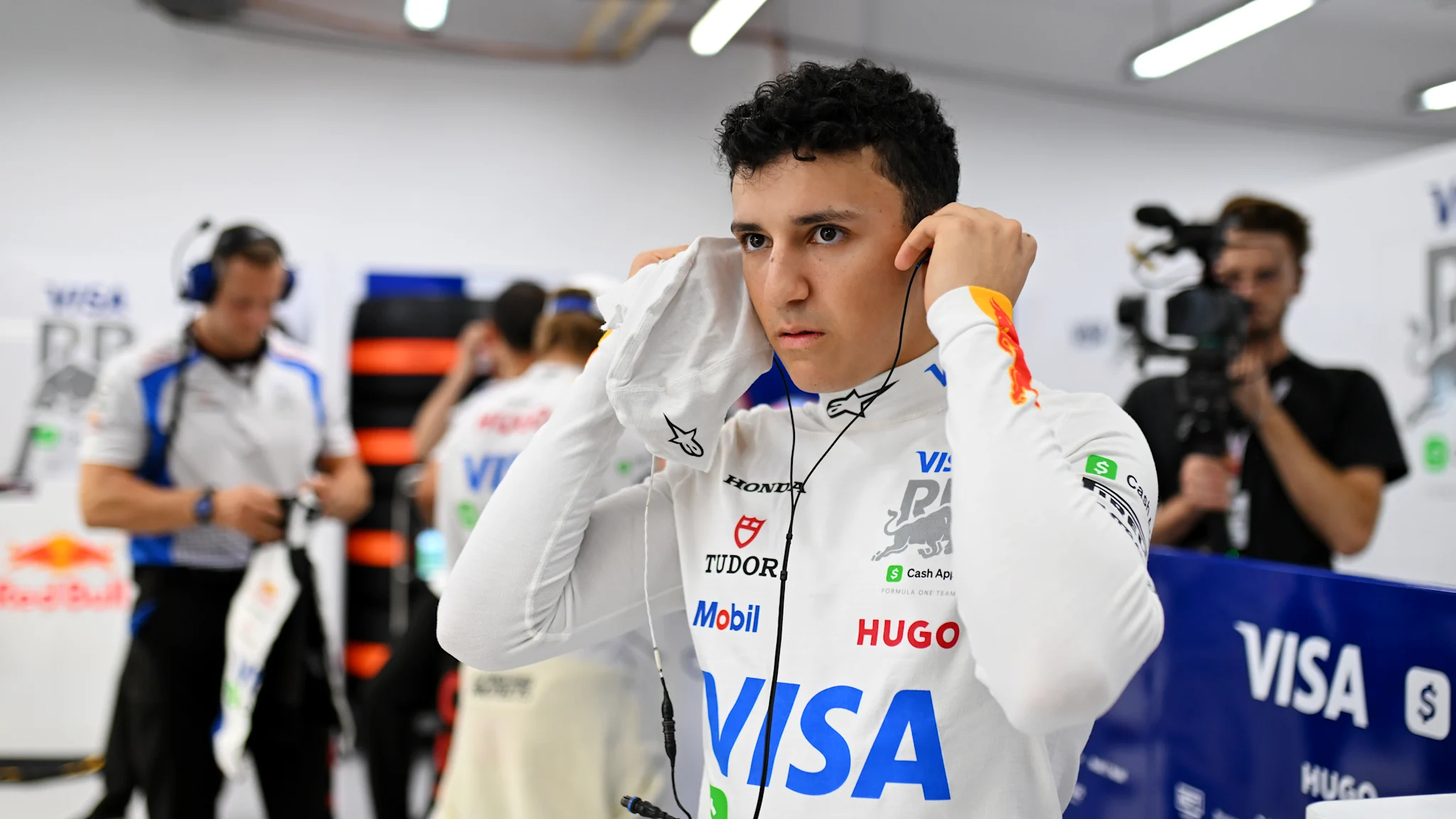
Beyond that, the questions multiply. Does Lawson do enough to force his way into Red Bull's 2027 thinking? Does Tsunoda's return remind the paddock of the driver who earned his place in the first place? Does Hadjar come back sharper, hungrier, determined to reclaim a narrative that briefly slipped from his control? The answers will unfold over the next three weekends, in real time, in front of all of us.
There is a lesson in this story that transcends the driver market, and it is a very human one. Hadjar's season was going beautifully: a Monaco podium, eighth in the championship, the paddock's newest darling. And then a sand-filled bag, an awkward punch, a fracture, and everything changes. Formula 1 is a sport of millimeters and milliseconds, but it is also a sport of pure, dumb luck, and sometimes luck arrives wearing boxing gloves.
The girly editorial verdict: this is why we watch. Not for the injuries, never for the injuries, but for the way the sport absorbs chaos and turns it into theater. Two drivers get their chance. One driver gets his test of character. The championship gets a new subplot. And somewhere, a heavy bag hangs in a gym, blissfully unaware that it just changed the course of the 2026 season. Ten races left, and the silly season has officially begun.
FAQ
What happened to Isack Hadjar?
Red Bull announced that Hadjar fractured his wrist punching a sand-filled heavy bag while boxing during the summer shutdown. He will miss the Dutch Grand Prix, with his absence ultimately stretching to three races: the Dutch, Italian, and Madrid Grands Prix.
Who is replacing Hadjar?
Liam Lawson has been promoted from Racing Bulls to partner Max Verstappen at Red Bull. Reserve driver Yuki Tsunoda fills Lawson's seat at Racing Bulls, which will be his first race action of the 2026 season. To be clear: Tsunoda is driving for Racing Bulls, not for Red Bull.
How was Hadjar's season going before the injury?
He had scored his maiden podium at the Monaco Grand Prix and sat eighth in the drivers' standings at the break: an excellent rookie campaign.
What does this mean for the driver market?
With five teams yet to confirm their 2027 lineups (Red Bull, Racing Bulls, Aston Martin, Haas, and Cadillac), the next three races become an unscheduled audition. Lawson gets to show what he can do alongside Verstappen at Red Bull, and Tsunoda gets to remind the paddock why he belongs in Formula 1.
A Note on Sources
The facts in this article, including the nature of Hadjar's injury, the three-race absence, the Lawson promotion, Tsunoda's Racing Bulls substitution, Tsunoda's quote, and Hadjar's Monaco podium and championship position, are based on Red Bull's official announcement and the drivers' public statements. The unconfirmed 2027 lineups reflect the state of the driver market at the break. Editorial framing and analysis are the author's own.