
By Paulina Phan, Senior Editorial Contributor | March 25, 2026
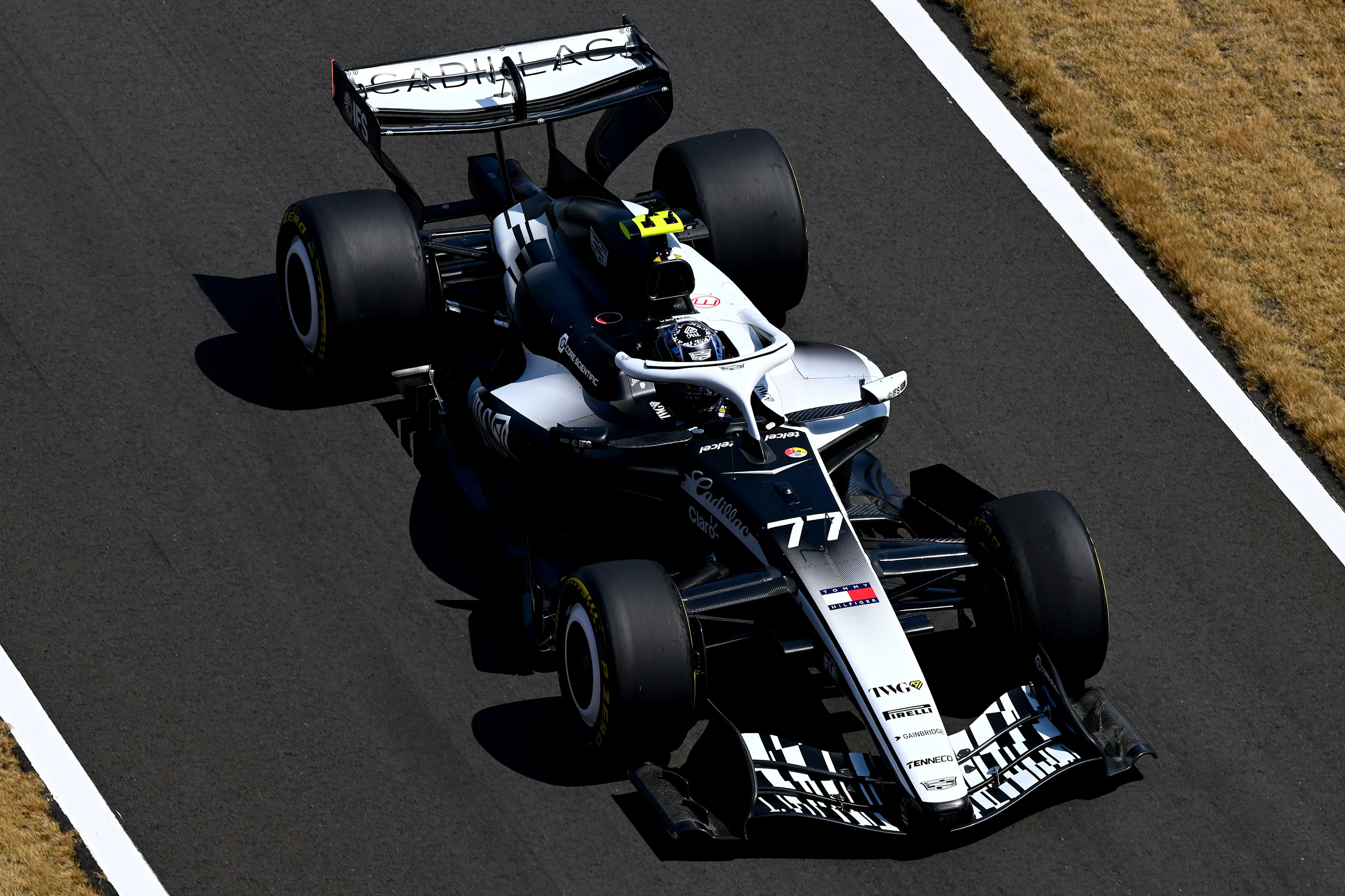
There is a particular kind of romance in Formula 1 that has nothing to do with podium kisses and everything to do with audacity. It is the romance of showing up. Of building a team from nothing, shipping it halfway around the world, and rolling two brand-new cars out of a brand-new garage into the most technically demanding motorsport on earth. That is what Cadillac did in Melbourne two weeks ago, and if the results were modest, the moment was anything but. America finally has its team on the Formula 1 grid, the first new American constructor in decades, and the paddock is still deciding whether to be charmed or skeptical. I am charmed. Skepticism can wait until the cars are faster.
Because here is the honest truth about Cadillac's first month: it has been bumpy in exactly the ways a bumpy start was always going to be bumpy, and beautiful in the ways nobody can fake. A maiden finish. A veteran whispering about "lottery parts." Two of the most experienced drivers in the paddock doing the unglamorous work of shaking down a team that is still, in many ways, under construction. And on the horizon, circled in red on every calendar in the factory: Miami, May 3, the homecoming.
The Maiden Voyage
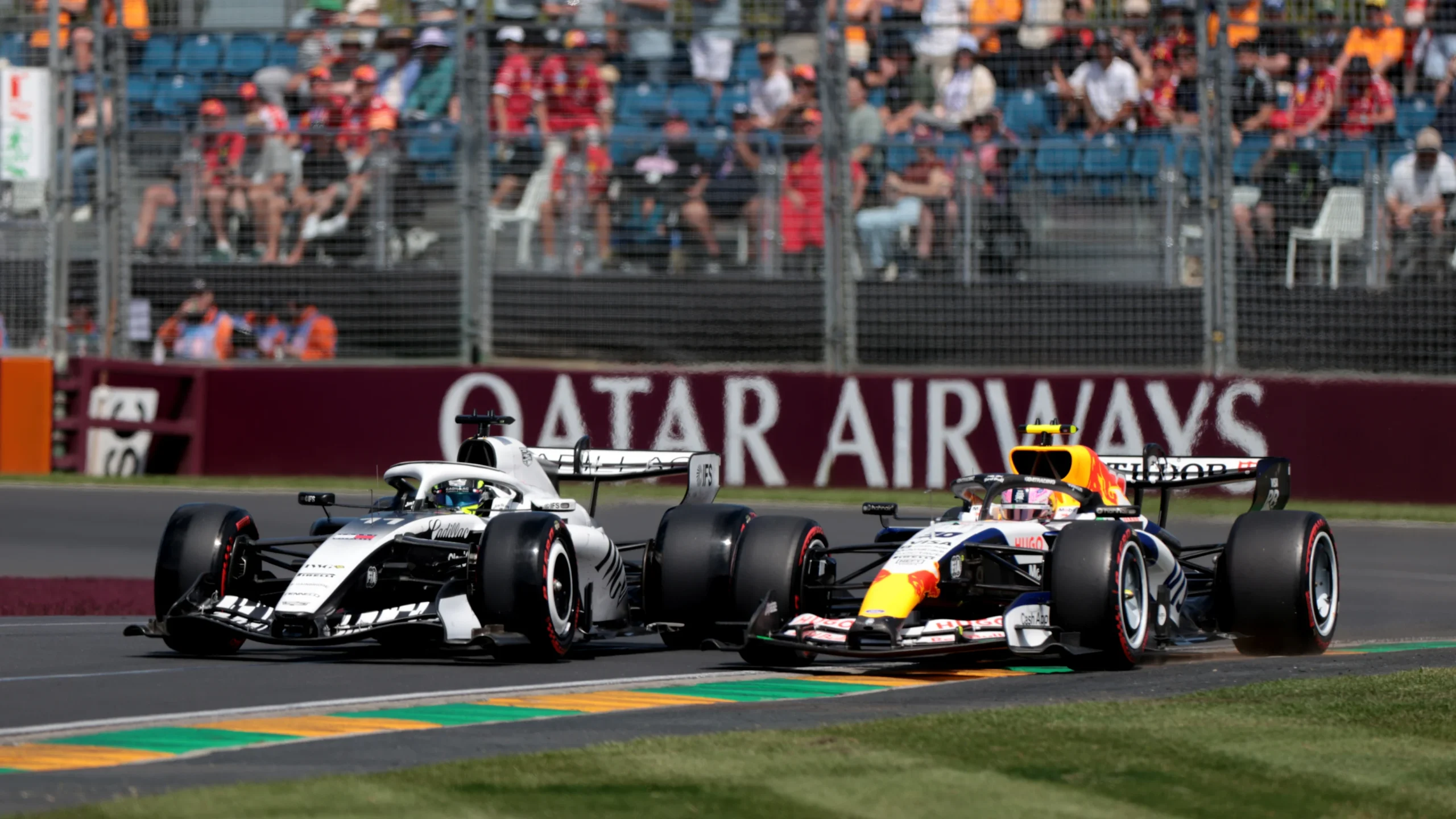
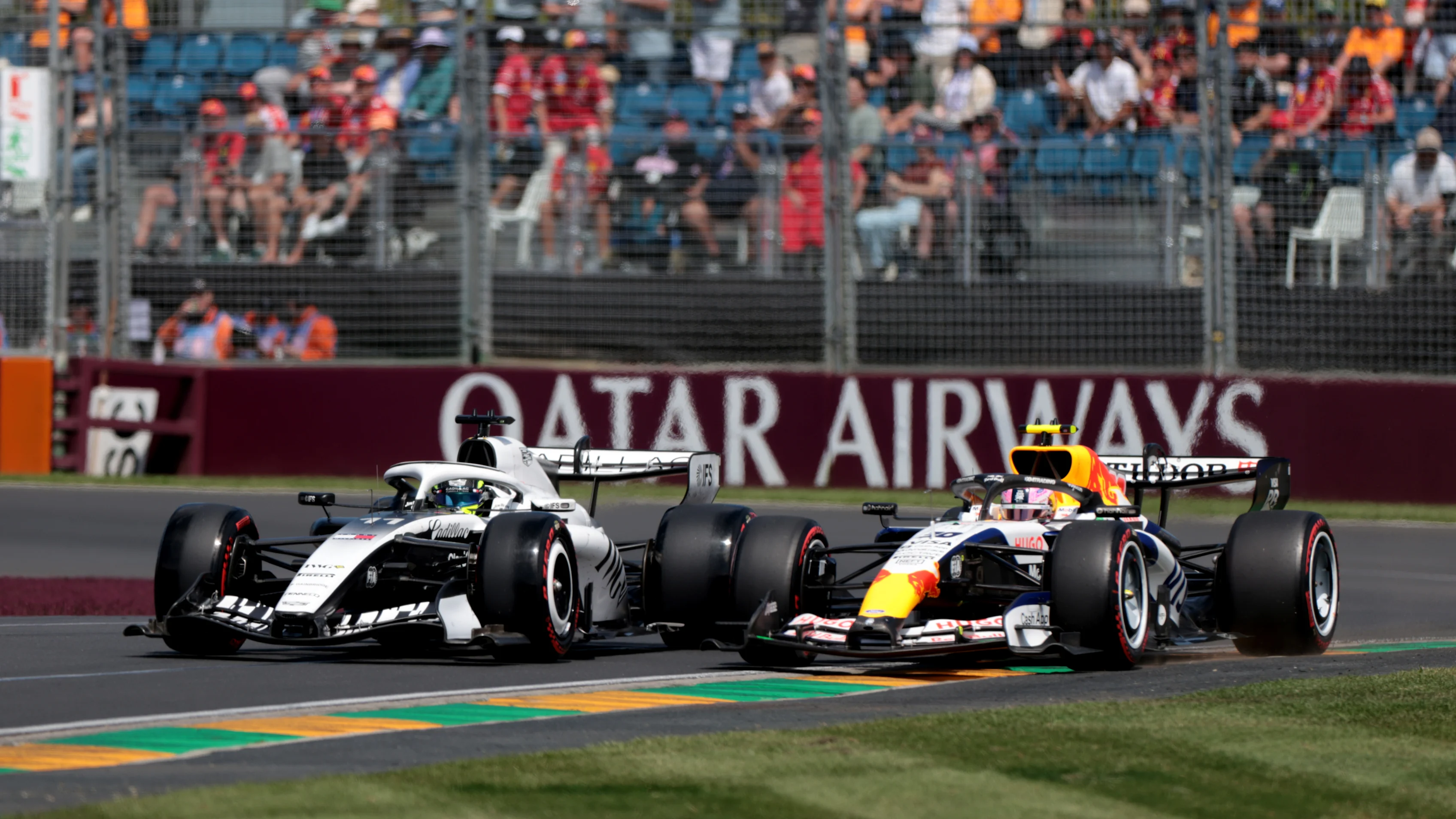
Let us start with what actually happened in Melbourne, because for a new team, the first race is never really about the result. It is about the finish. Sergio Perez brought the car home in sixteenth place in the team's first ever Formula 1 race, and in the grand scheme of things, that P16 is worth more than it looks. It is the team's maiden Grand Prix finish. It means the car ran a full race distance, the pit crew executed stops under pressure, the strategists made real calls with real consequences, and both drivers came back with the most valuable currency in a new team's early life: information.
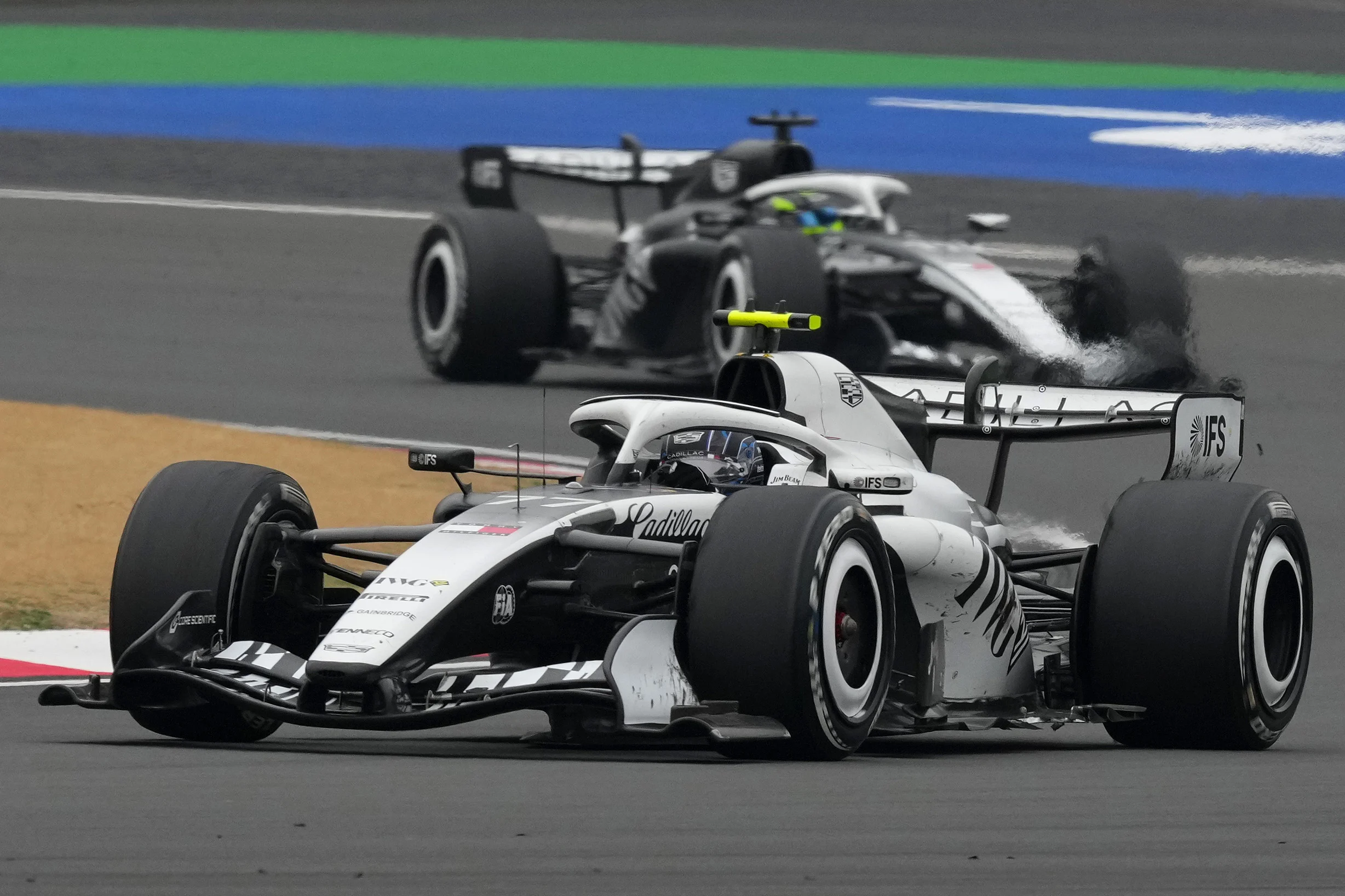
The other car told the other half of the story. Valtteri Bottas stopped at the pit lane entry during the race, an incident significant enough to trigger a Virtual Safety Car period that closed the pit lane and reshaped everyone's strategy. That is the duality of starting from zero: one car proving the concept, the other proving how much concept is left to prove. Melbourne gave Cadillac both halves of its identity in a single afternoon, the promise and the problem, side by side.
It is worth remembering how rare this moment is. New teams do not join Formula 1 often, and when they do, the first season is usually an exercise in public humility. Points are a fantasy. Finishes are the goal. Respect is earned one clean weekend at a time. By that standard, getting a car to the flag in Melbourne, in a chaotic new-regulations opener where established teams were tripping over themselves, was a genuinely respectable start. Not a triumph. A start. In this game, that counts.
Think about what had to go right for that P16 to exist at all. A new garage had to function in a foreign pit lane. New pit crews had to perform stops with the world watching and the pressure at maximum. New strategists had to read a race that was changing by the lap, with two Virtual Safety Car periods scrambling everyone's plans. New engineers had to keep a new car alive for full race distance on a formula nobody fully understands yet. Any one of those links could have snapped, and on debut weekends for new teams, they often do. That none of them did, on Perez's side of the garage at least, is the kind of quiet competence that does not make headlines but makes everything else possible.
Lottery Parts
Now for the bumpier half. After the opening weekend, Bottas hinted at quality and consistency issues inside the team, suggesting with the memorable phrase "lottery parts" that there were differences between the two cars. Let me be careful here, because this is reported paddock chatter, not an established technical fact about the machinery. What was reported is that Bottas raised the concern; what it means is open to interpretation, and the team has not confirmed any systematic disparity.
But it is worth sitting with the comment for a moment, because even as a whisper it reveals something real about the challenge Cadillac faces. When a team is building everything at once, quality control is one of the hardest things to scale. Parts are being designed, manufactured, and raced on overlapping timelines. Two chassis built weeks apart, in a factory that is still hiring, can genuinely feel like two different cars. That is not an accusation; it is the physics of starting from zero. Every new team in history has lived through a version of this. The question is not whether the parts lottery exists, but how quickly Cadillac can rig the draw in its favor.
There is also a human dimension worth noting. Bottas raising this publicly, even gently, is the act of a veteran who knows that silence does not fix manufacturing variance. It puts the issue on the factory's priority list in a way that a quiet debrief might not. Whether the team welcomes the candor or winces at it, the comment has done its job: everyone in the building now knows that consistency is the next mountain.
Two Veterans, One Gamble
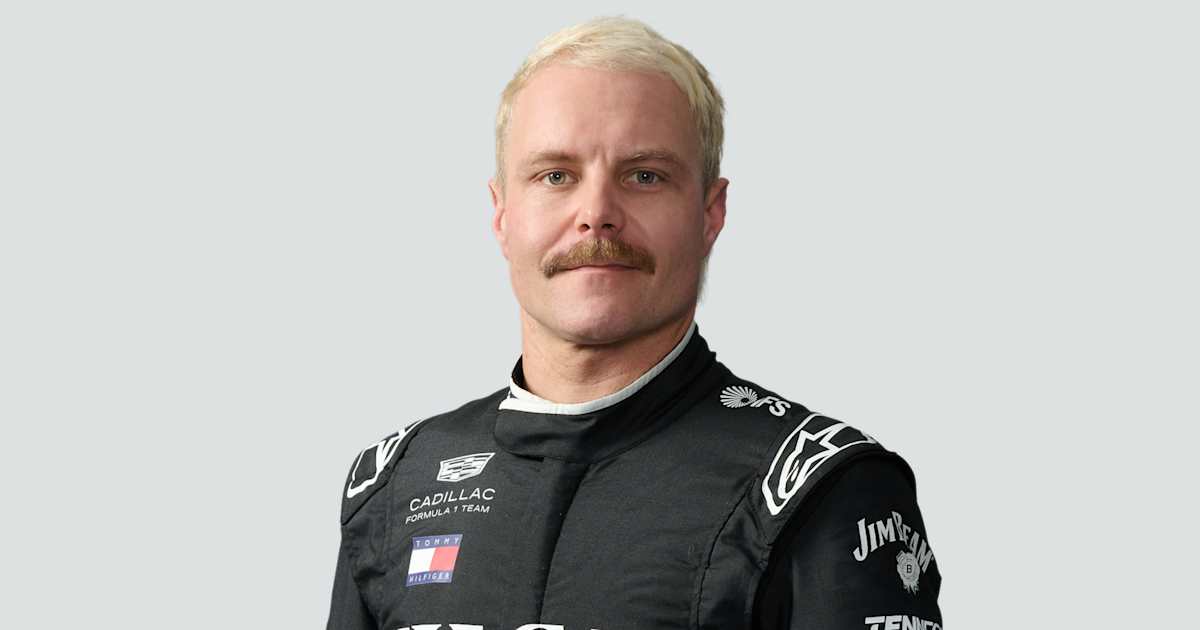
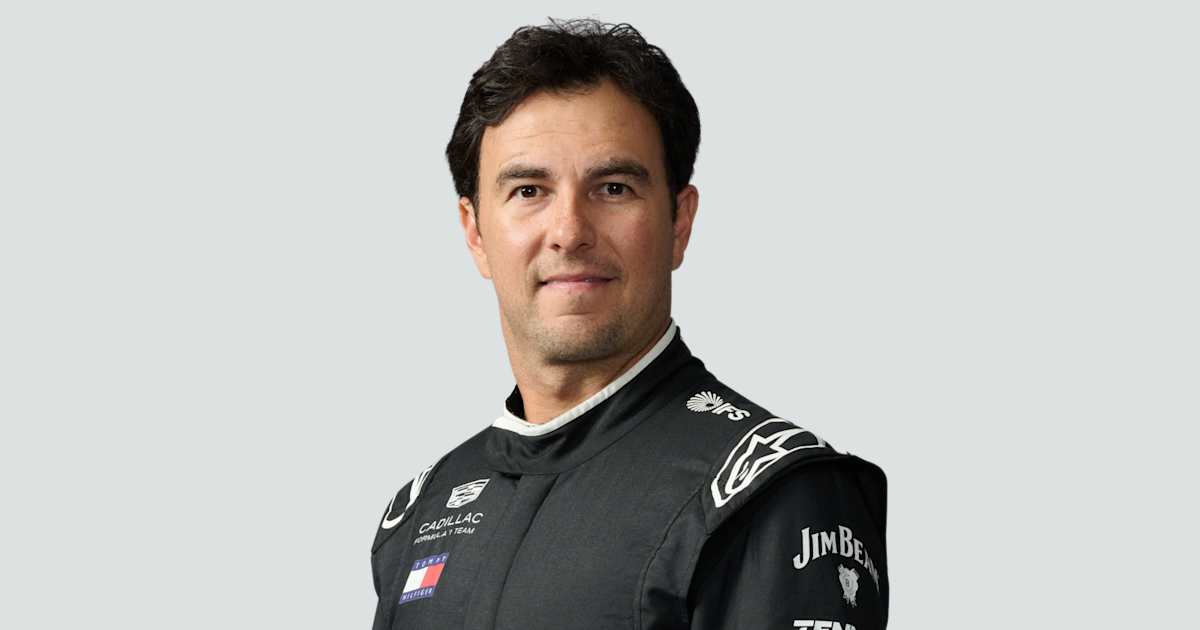
If you were building a Formula 1 team from scratch and could pick any two drivers to do the unglamorous early work, you could do far worse than the pair Cadillac chose. Sergio Perez and Valtteri Bottas bring sixteen Grand Prix victories and more than five hundred race starts between them, a combined experience bank that few pairings on the grid can match. These are not development drivers. These are men who have won races, fought for championships, and survived the political meat grinder of top teams.
The logic is sound, and it is worth spelling out. A new team does not need a prodigy; it needs a reference point. It needs drivers who can tell the difference between a car problem and a setup problem, who can develop a machine across a season without losing their minds, who have seen enough to know which early-season panics are real and which are noise. Perez brings the street-fighter racecraft and the enormous popularity, particularly with the American and Latin American audiences Cadillac covets. Bottas brings the metronomic feedback and the dry Finnish honesty, as the "lottery parts" moment just demonstrated.
There is a poignancy to it too. Both men are in the veteran phase of their careers, the phase where every season could be the last and every opportunity is weighed differently. They did not join Cadillac for easy wins. They joined because building something has its own prestige, and because the chance to be there at the start of an American works adventure does not come around often. If Cadillac eventually wins, these two will be the foundation stones nobody photographs. That is the gamble, and it is a noble one.
Why America Needed This
A brief detour into the bigger picture, because the significance of Cadillac goes beyond one team's results. Formula 1 has been trying to crack America for decades, and America has been trying to crack Formula 1 right back. The sport now races in Miami, Austin, and Las Vegas, the American television audience has grown enormously, and yet until this season, there was no American team for the new fans to call their own. That is a strange gap, and everyone in the sport knew it.
This is the editorial part, so let me say it plainly: a home team changes the emotional math of fandom. It is one thing to admire a sport from afar; it is another to have skin in the game, a garage with your flag on it, drivers who do your media rounds, a story that belongs to you. Cadillac gives American fans something they have never really had in the modern era: a team to defend when it struggles and to celebrate when it does not. The struggling comes first. That is the deal. But the belonging is immediate, and it is already visible in the way the American crowds have taken to the team.
There is a business dimension too, and it is not cynical to name it. An American team unlocks American sponsors, American media partnerships, and American cultural relevance in ways that a European team with an American driver never quite could. The paddock understands this perfectly well, which is part of why the entry was so coveted and so contested. Cadillac is not just a racing team; it is a bet that Formula 1's American century is just beginning.
Starting From Zero: What It Actually Takes
This section is analysis, not reporting, but it is analysis grounded in how this sport works. Starting a Formula 1 team from zero, under a cost cap, in the middle of the biggest regulation reset in decades, is one of the hardest assignments in professional sports. It deserves to be understood on its own terms.
First, the scale. A modern F1 team is roughly a thousand people across multiple continents. Cadillac's operation spans bases in Fishers, Indiana; Concord, North Carolina; Warren, Michigan; and Silverstone, England, a transatlantic footprint that has to function as a single organism from day one. Every department, aerodynamics, vehicle dynamics, power unit integration, race operations, logistics, has to be hired, equipped, and pointed in the same direction simultaneously. Established teams built this over decades. Cadillac is building it in real time, while racing.
Second, the timing. The 2026 regulations changed nearly everything: new power units with roughly half their output from electrical deployment, active aerodynamics replacing DRS, smaller cars, sustainable fuel. Every team on the grid is climbing a learning curve, which is actually Cadillac's one structural advantage. When nobody knows the formula, the gap between a new team and an established one is as small as it will ever be. But it also means Cadillac is trying to learn a new organization and a new rulebook at the same time, which is like learning to swim while building the pool.
Third, the money paradox. The cost cap was supposed to make new entries viable by limiting what the giants can spend, and it has, to a degree. But a cap on spending does not cap the value of institutional knowledge, and knowledge is what Cadillac is short on. You cannot buy ten years of correlation between the wind tunnel and the track. You have to earn it, one race weekend at a time, which is why the finishes matter more than the positions right now.
The leadership knows this. Chief executive Dan Towriss has been consistent about the long view, and the structure reflects patience: Ferrari power units to start, with General Motors' own power unit program due from 2029, and a technical organization being assembled deliberately rather than frantically. This is a project measured in years, not weekends. The paddock would do well to judge it that way, even if the temptation to judge it by Sunday afternoons is irresistible.
The Ferrari customer arrangement deserves a note of its own, because it shapes everything about Cadillac's early years. Buying in power units and gearboxes from Maranello is the standard shortcut for a new team, and a sensible one: it lets Cadillac focus its limited resources on the chassis, the aerodynamics, and the operations, rather than trying to master the most complex hybrid power units in motorsport history from a standing start. The trade is dependence. Your engine supplier is also your competitor, and you get your upgrades when the queue allows. Every customer team in history has lived with that bargain. For now, it is the right bargain, because the alternative, building a competitive power unit while also building everything else, is how projects die.
The Miami Countdown
And then there is Miami. May 3. If Melbourne was the debut, Miami is the homecoming, the first race on American soil for America's team, and everyone involved knows exactly how much it matters. The sponsors, the fans, the celebrities, the entire apparatus of American sports marketing will be watching to see whether Cadillac looks like it belongs.
The smart move, and the one the team appears to be making, is to treat Miami as a milestone rather than a deadline. A home race does not make a slow car fast, and no amount of hospitality-suite energy changes the stopwatch. But it does change the narrative, and narratives matter for a team still introducing itself. A clean weekend in Miami, two cars to the flag, no drama, steady progress, would be worth more than a lucky points finish built on chaos. The goal is to look like a team with a plan, because a team with a plan is a team worth believing in.
There is also the simple emotional math. For the American fans who have waited decades for a home team, who have adopted foreign squads and drivers out of necessity, Miami will be the first time they get to cheer for their own. That matters. Sports are not just engineering competitions; they are stories people tell about themselves. Cadillac's story, bumpy start and all, is becoming part of how American fans tell the F1 story. That is worth more than a P16.
The paddock will be watching the details. How does the team handle the pressure of a home crowd when the cars are still slow? Do the drivers embrace the circus or retreat from it? Does the organization look like it is enjoying the moment or enduring it? These are soft signals, but in a debut season, soft signals are data. A team that handles its homecoming with grace and humor is a team that is building the right culture, and culture is the thing that eventually makes cars fast.
The Honest Assessment
So where does that leave us, one month in? With a team that has done the hardest thing, showing up, and is now doing the second hardest thing, getting better in public. The maiden finish is banked. The parts lottery is acknowledged. The veterans are working. The factory is hiring. The homecoming is coming.
Here is the thing about bumpy landings: they are only failures if the plane does not stay in one piece. Cadillac's plane is in one piece. It is taxiing, a little wobbly, toward a future that is genuinely exciting: an American works team, with American backing, learning the hardest lessons in the sport in real time. The romance is real. The mess is real. They are the same story, and it is only just beginning.
Two weekends in, points remain a distant dream, and that is fine. The victories right now are measured in finishes, in data, in the slow accumulation of institutional knowledge that no cost cap can shortcut. Judge Cadillac in Miami if you must, but judge the trajectory, not the stopwatch. The stopwatch will come.
And if you find yourself charmed by the whole audacious enterprise, you are not alone. There is something irresistible about a team that shows up knowing it will struggle, and struggles anyway, in public, with grace. The bumpiness is not a bug in the story. It is the story, at least for now. The beautiful part is that they came at all.
FAQ
What was Cadillac's result in its first ever Formula 1 race?
Sergio Perez finished sixteenth in the 2026 Australian Grand Prix in Melbourne, the team's maiden Grand Prix finish. Valtteri Bottas retired after stopping at the pit lane entry, an incident that triggered a Virtual Safety Car period.
What did Valtteri Bottas mean by "lottery parts"?
Bottas was reported to have hinted at quality and consistency issues within the team, suggesting differences between the two cars. This is reported paddock comment rather than a confirmed technical finding, but it points to the manufacturing consistency challenges every new team faces when building everything at once.
Who drives for Cadillac?
Valtteri Bottas and Sergio Perez, two of the most experienced drivers in the paddock, with sixteen Grand Prix wins and more than five hundred starts between them. The team is led by chief executive Dan Towriss and runs Ferrari power units, with a GM-built power unit due from 2029.
When is Cadillac's first home race?
The Miami Grand Prix on May 3, the team's first race on American soil, which is already circled as the emotional high point of its debut season.
A Note on Sources
Race results from Melbourne, including Perez's sixteenth place and the Bottas pit-lane-entry incident, were verified against official Formula1.com race reports. Bottas's "lottery parts" remarks are treated as reported paddock comments, not established technical fact, and are attributed accordingly. Team background, including the driver experience figures, Ferrari engine supply, and the 2029 GM power unit program, was verified against Formula1.com's official Cadillac team profile, and the analysis of new-team startup challenges is the author's editorial judgment, clearly labeled as such.