
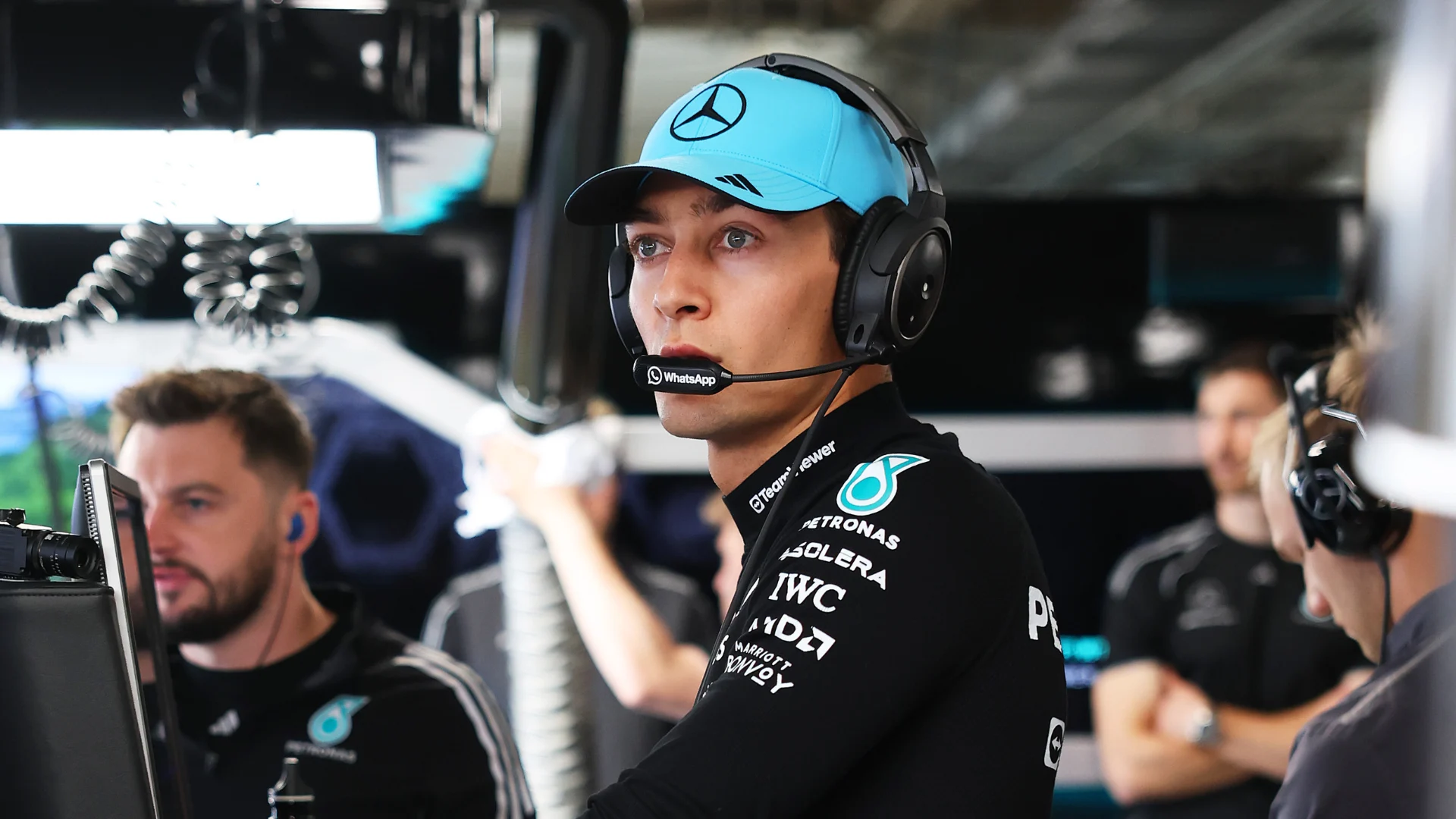
By Paulina Phan, Senior Editorial Contributor | March 2, 2026
There are seasons, and then there are reset seasons. The kind where the rulebook gets rewritten, the cars look different, the engine note changes, and half the drivers you thought you knew show up in unfamiliar colors. 2026 is one of those seasons, and honestly, it might be the most exciting one Formula 1 has handed us in a decade. Six days from now, the lights go out in Melbourne, and nothing about the sport will look quite the way it did last year.
If you are new here, welcome. This is the perfect season to fall in love with Formula 1, because everyone is starting over together. The teams are learning their cars at the same time you are learning their names. The veterans are nervous. The rookies have a genuine shot at being heroes. And the fashion, the drama, and the paddock storylines are already delivering before a single race has run.
If you are a longtime fan, then you know what a regulation reset means. Hierarchies crumble. Dynasties get tested. Somebody's clever idea in a wind tunnel in Brackley or Maranello or Milton Keynes is about to be worth half a second a lap, and nobody outside those buildings knows whose. That delicious uncertainty is the whole point. So pour something sparkling, settle in, and let us walk through everything that is new, everyone who is new, and every storyline worth following when the 2026 season begins at Albert Park on March 8.
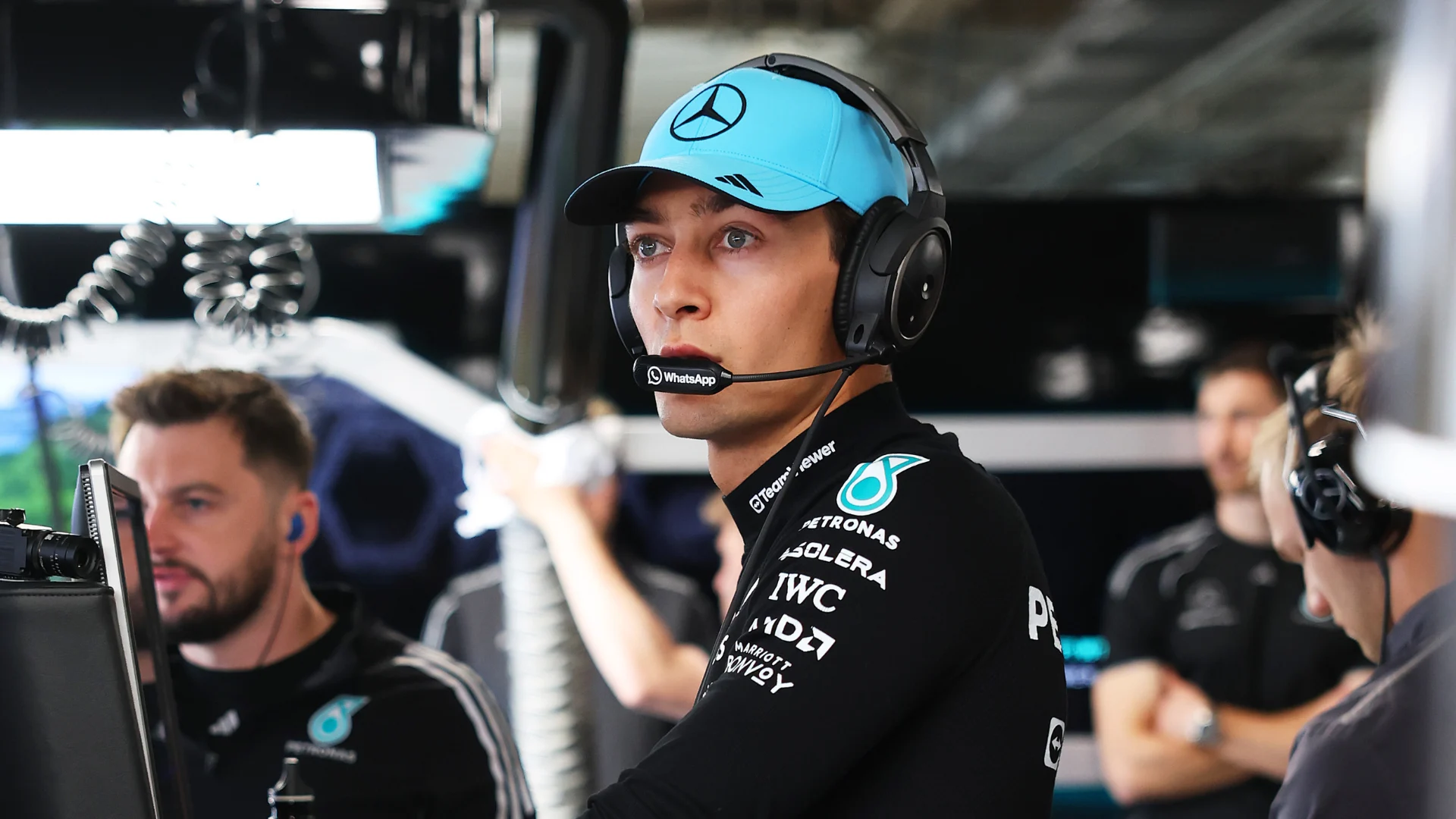
The Reset, In Plain English
Every few years, Formula 1 tears up the technical regulations and starts again. The last big reset reshaped the sport in 2022. This one goes further. Engines, aerodynamics, car size, fuel, even the way drivers overtake, it is all changing at once. Here is what actually matters, explained the way a smart friend would explain it over brunch.
The power units: half the power is electric
The headline change is under the engine cover. The new power units draw roughly half their total power from electric deployment, a massive jump from the previous formula, and they come with energy "boost" systems that drivers will manage lap by lap. Think of it less like a traditional engine and more like a hybrid system where the electric half is doing serious, race-deciding work. Managing that deployment, knowing when to spend your electrical energy and when to save it, becomes a core driving skill this season, as important as braking points or tire management.
Five manufacturers are building these power units: Mercedes, Ferrari, Red Bull-Ford, Honda, and Audi. That is a genuinely strong field of engine builders, and because the regulations are new for everyone, nobody arrives with a proven advantage. Whoever understood the brief best gets a head start that could last for years. Getting the power unit right in a reset year is how championships are won before the season even begins.
Goodbye DRS, hello active aero
Drag Reduction System, the movable rear wing flap that has defined overtaking since 2011, is gone. In its place comes active aerodynamics, with front and rear wings that adjust themselves to switch the car between low-drag mode for the straights and high-downforce mode for the corners. The car literally changes shape as it laps the circuit, trimming itself out where it can go fast and hunkering down where it needs grip.
Why the change? The philosophy is that overtaking should come from cars that can follow each other closely and from drivers managing their energy cleverly, not from a push-to-pass button that opens a flap in a designated zone. Whether it works in practice is one of the great open questions of the season, and you can bet the drivers will have opinions. Loud ones.
Smaller, lighter, nimbler
The cars themselves are getting smaller and lighter, a deliberate move away from the heavyweight machines of recent years. Shorter wheelbases, narrower bodies, less mass to haul around. The goal is cars that look racy and feel racy, machines that dance through corners rather than bulldozing through them on raw downforce. For the drivers, that means a different physical challenge and, the hope goes, closer racing on tighter circuits where the old barges struggled to pass.
One hundred percent sustainable fuel
Every car on the grid will run on 100 percent sustainable fuel this season, a milestone the sport has been building toward for years. It is a genuine technical achievement, and it matters beyond the track, because what Formula 1 proves at 200 miles per hour has a way of finding its way into the cars the rest of us drive.
The New Faces
New rules mean new opportunities, and the 2026 grid has the freshest feel in years. Two brand-new teams, a genuine rookie, and some fascinating musical chairs among the established names. Learn these names now, because you will be saying them all season.
Audi arrives as a full works team
The four rings are finally, properly in Formula 1. Audi joins the grid as a full works team, building its own power unit and running its own operation, and it has signed a deliciously experienced pairing to lead the project: Gabriel Bortoleto, the young Brazilian champion, alongside Nico Hulkenberg, the veteran German whose long-awaited first podium finally arrived and who brings a decade and a half of technical feedback to a brand-new outfit.
There is something romantic about a manufacturer the size of Audi committing to Formula 1 properly, and something shrewd about the driver choice. Bortoleto is the future, all speed and ambition. Hulkenberg is the present, the man whose technical feedback can accelerate a new car program by months. If Audi gets the power unit right, this team could be a factor far sooner than new teams usually are.
Cadillac: America's team joins the grid
And then there is the story that has the American fans buzzing. Cadillac debuts this season as the first new American constructor in decades, and it has not come to make up the numbers. The driver lineup is pure box office: Valtteri Bottas and Sergio Perez, two Grand Prix winners with a combined mountain of experience, both hungry to prove they still belong at the sharp end of the sport.
Think about what this means. An American team, American backing, and two drivers who know exactly how to win races and develop cars. Perez brings the street-circuit magic and the tire whispering. Bottas brings qualifying pace and technical precision. For the American audience, which has been growing enormously, this is the moment the sport finally has a home team to rally behind.
Arvid Lindblad: the grid's only true rookie
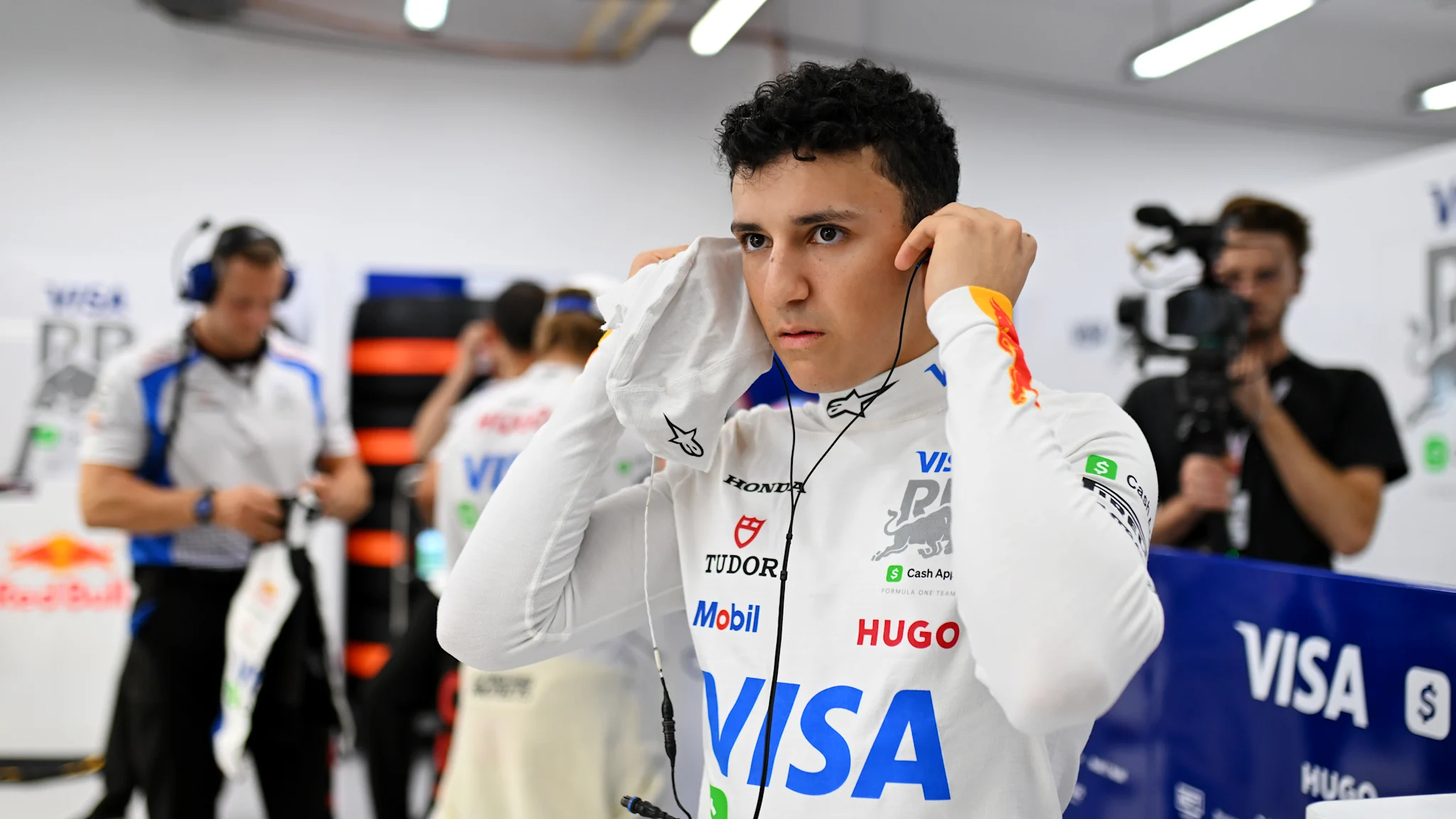
Every season needs a rookie to root for, and 2026 has exactly one true newcomer: Arvid Lindblad, stepping up to Racing Bulls. When there is only one rookie on the grid, the spotlight finds him fast. Every qualifying session becomes a referendum. Every point feels like an event. Lindblad arrives with the junior-series credentials that earn a seat on merit, and now he gets to measure himself against the best drivers in the world, week after week.
The beautiful thing about being the only rookie is that the narrative is simple: watch this kid. No splitting attention, no comparing two newcomers against each other. Just one young driver, one steep learning curve, and twenty-three chances to announce himself.
Isack Hadjar steps up to Red Bull
Isack Hadjar's promotion to Red Bull is the kind of move that defines careers. The Frenchman impressed enough in the junior team to earn the seat alongside Max Verstappen, which is both the greatest opportunity in the sport and, famously, one of the hardest jobs in it. The second Red Bull seat has ended promising careers before. It has also made champions.
Hadjar gets his chance in a reset year, which might be the kindest possible timing. Nobody knows which car will be quickest. The playing field is as level as it ever gets. If he can get comfortable with the energy management demands of the new cars and hold his nerve next to Verstappen, he could establish himself as a star very quickly indeed.
Yuki Tsunoda steps back to reserve
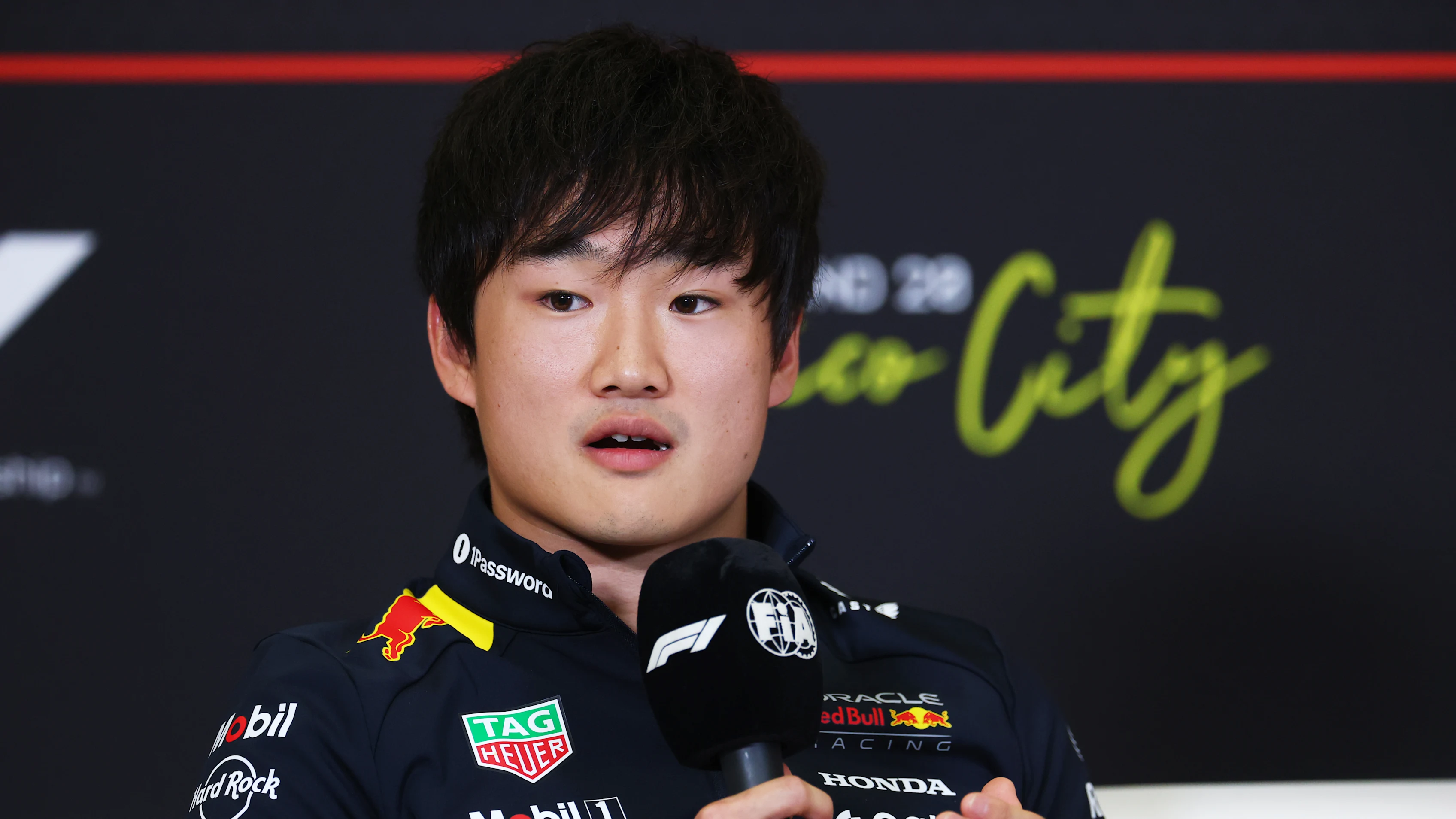
And in the move that surprised the paddock, Yuki Tsunoda steps back to a Red Bull reserve role for 2026. It is a twist nobody quite saw coming for a driver who had finally established himself as a Grand Prix regular, and it adds a fascinating subplot to the season. The reserve role keeps him in the building, in the simulator, and first in line if opportunity knocks. In a season this unpredictable, with new cars that could bite, do not be shocked if we see Tsunoda in a race seat before the year is out. Formula 1 has a way of calling back the drivers it is not finished with.
The Title Fight Frame
New rules, new teams, new faces. But the championship still has to be won by somebody, and the cast of contenders is absolutely stacked. Here is how the fight for the title looks as the season begins.
Lando Norris defends as No. 1
The defending champion gets the number 1 on his car, and Lando Norris has earned every bit of that honor. Winning a first championship changes a driver. The questions stop being about whether you can do it and start being about whether you can do it again, under the pressure of everyone now measuring themselves against you. Norris was brilliant in 2025, fast, mature, and ruthless when it mattered. But defending is a different sport from chasing, and he will be doing it in a brand-new car built to brand-new rules, with every rival team dreaming of knocking him off.
The storyline to watch: does the crown weigh heavy, or does it sit lightly? Champions who defend with joy, who race like they have nothing to prove because they already proved it, are terrifying. Champions who tighten up invite chaos. Which Norris shows up in Melbourne will tell us a lot about the season ahead.
Antonelli vs. Russell: the Mercedes civil war
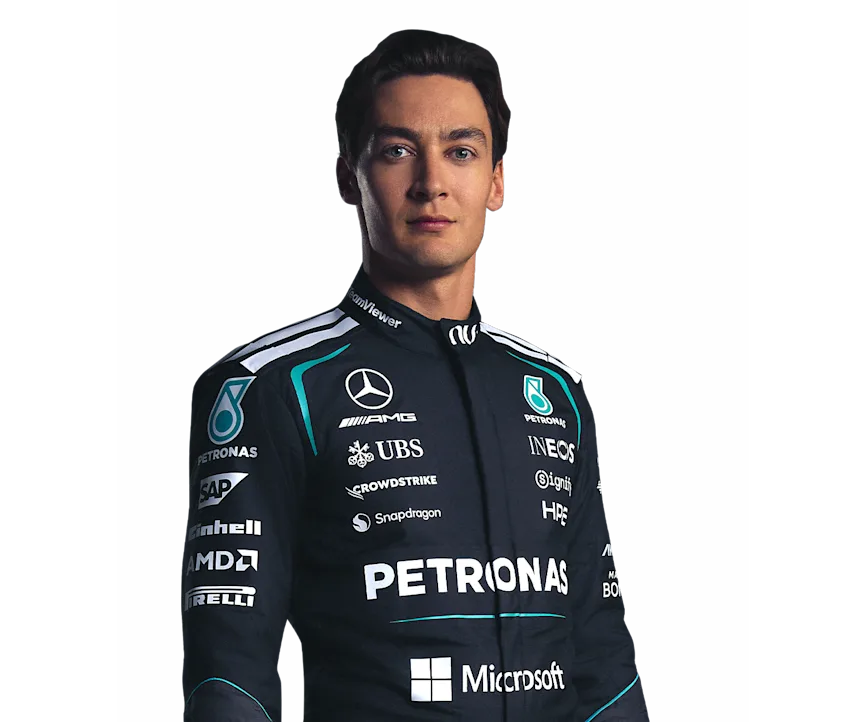
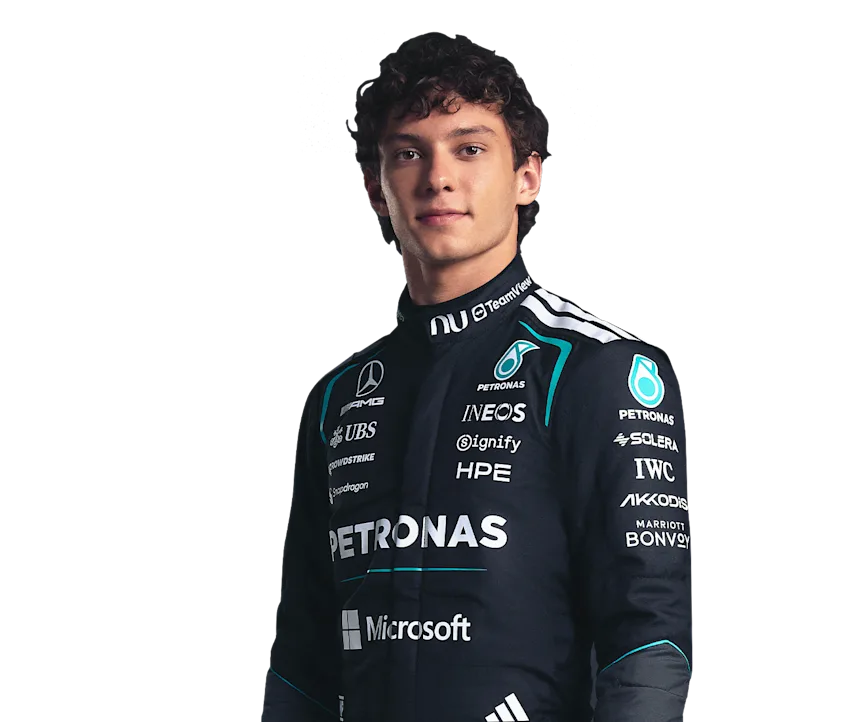
Here is the intra-team battle that could define the entire season. Kimi Antonelli, 19 years old, begins his second season with Mercedes, and he is no longer the wide-eyed rookie. A year of Grand Prix racing has seasoned him, and the paddock whispers that the second-year leap, the one where raw speed gets a brain, is coming. Across the garage sits George Russell, the established star, the pole-position machine, the driver who has been waiting for a championship-caliber car to show what he can really do.
Mercedes is widely tipped as the team to beat in this reset, which makes this pairing the most fascinating dynamic in the sport. Two genuinely elite drivers, one team, one championship-capable car, and only one of them can be the lead story. Russell has the experience and the qualifying magic. Antonelli has the youth, the fearlessness, and a ceiling nobody has found yet. Strap in.
Lewis Hamilton, year two in red
Lewis Hamilton begins his second season with Ferrari, and the romance of the red overalls has had a full year to become something more substantial: a genuine title project. Year one at a new team is about learning, about building relationships with engineers, about understanding a car that thinks differently from the ones you drove before. Year two is about delivering.
Hamilton at Ferrari remains one of the great stories in sports, the seven-time champion chasing history with the most famous team in racing. The tifosi adore him. The expectations are enormous. And in a reset year, Ferrari has as good a chance as anyone of building a championship car. If the scarlet machine is quick, Hamilton's experience in title fights, all those years of pressure and precision, becomes an enormous asset. Watch the body language in the Ferrari garage this season. It will tell you everything.
Max Verstappen, under pressure
And then there is Max Verstappen, entering the season under real pressure after a long stretch spent questioning the new rules. This is unfamiliar territory for a driver who has dominated the sport so completely. The four-time champion has never hidden his skepticism about where the regulations are heading, and now he has to go out and win in cars built to a formula he openly doubts, for a team beginning life with its own power unit project alongside Ford.
Never, ever count out Max Verstappen. But the context is fascinating: a generational talent who seems philosophically at odds with the era he is about to race in, driving for a team whose new engine partnership is the biggest unknown on the grid. If Red Bull-Ford nails the power unit, Verstappen is instantly the favorite. If it struggles, we get to watch one of the great competitors of all time drag a difficult car to places it has no business being.
Melbourne Opens the Season
It all begins at Albert Park on March 8, and there is no better place to start a reset year. The Australian Grand Prix has opened the season so many times that it feels like the sport's natural New Year's Day: the late-summer light, the parkland circuit with its fast sweepers and its punishing walls, the crowd that treats the race like a festival. Melbourne loves Formula 1 with an enthusiasm that borders on the religious, and the atmosphere for a season opener, when hope is still undefeated, is electric.
Albert Park is also a proper test of the new cars. It rewards confidence on the brakes, punishes mistakes with concrete, and its mix of high-speed flow and stop-start chicanes will give us our first real read on who understood the energy management game. The team that leaves Melbourne looking comfortable will have earned it.
Five Storylines to Follow All Season
If you want a cheat sheet for the year, tape these to your refrigerator.
Who mastered the boost?
The energy deployment game is the season's great unknown. Some driver is going to figure out the boost management two races before everyone else, and for those two races he is going to look like a genius. Watch for the driver who always seems to have electrical energy when it matters. That is not luck. That is homework.
Can anyone touch Mercedes?
The paddock consensus says Mercedes understood the reset best. Preseason tipping is a notoriously unreliable art, but when this many smart people agree, it is worth paying attention. If the silver cars are as strong as rumored, the season becomes a story about whether Ferrari, McLaren, or Red Bull can catch up, and how quickly.
The American experiment
Cadillac's debut season is a storyline that transcends the stopwatch. Can a brand-new American constructor with two veteran winners be respectable from race one? Can it score points? Can it, dare we dream, fight for podiums by year end? Bottas and Perez did not sign up for a sightseeing tour. They signed up because they believe. Watching that belief get tested, race by race, is going to be one of the year's great narratives.
Rookie watch
Arvid Lindblad carries the hopes of everyone who loves a young driver with something to prove. Points on debut would be a dream start. A season of steady improvement would be a triumph. And keep an eye on the promoted youngsters too, Hadjar at Red Bull and Bortoleto leading Audi's works effort. The generational changing of the guard is not coming. It is here.
The Verstappen question
What does Max Verstappen look like when he is not driving the fastest car? We may be about to find out, or we may watch him remind everyone why doubting him is a losing strategy. The greats reveal themselves in adversity, and a season of Verstappen fighting is appointment viewing.
The Fashion File
Let us talk about what everyone will actually be wearing, because the paddock is a runway and we all know it. A new season means new team kits, new helmet designs, and the annual unveiling of who spent the winter thinking about their personal brand. Mercedes keeps its silver-and-black identity, Ferrari's red is eternal, and with Audi's silver rings and Cadillac's American branding joining the grid, the color palette of Formula 1 just got more interesting.
The drivers' personal style remains half the fun. Race-weekend fits have become a genuine cultural phenomenon, with arrival photos dissected like red-carpet looks. Expect the usual mix of streetwear, tailoring, and sunglasses indoors. And watch the newcomers, because nothing says "I have arrived" like a perfectly judged paddock outfit on your first day at work.

FAQ
When does the 2026 Formula 1 season start?
The season opens with the Australian Grand Prix at Albert Park in Melbourne on March 8, 2026.
What is the biggest rule change for 2026?
The new power units, which draw about half their total power from electric deployment with energy boost systems drivers must manage lap by lap, combined with active aerodynamics replacing DRS, smaller lighter cars, and 100 percent sustainable fuel.
Who are the five power unit manufacturers?
Mercedes, Ferrari, Red Bull-Ford, Honda, and Audi.
Which new teams join the grid in 2026?
Audi joins as a full works team with Gabriel Bortoleto and Nico Hulkenberg, and Cadillac debuts as the first new American constructor in decades with Valtteri Bottas and Sergio Perez.
Who is the only true rookie on the 2026 grid?
Arvid Lindblad, driving for Racing Bulls.
A Note on Sources
Driver lineups, team entries, regulation changes, and season scheduling in this guide were compiled from official Formula 1 announcements, team press releases, and FIA regulatory publications, and cross-checked with coverage from Reuters, BBC Sport, Sky Sports, and The Race. Preseason competitive expectations reflect published paddock reporting and are presented as informed opinion, not confirmed results.