
By Paulina Phan, Senior Editorial Contributor | July 27, 2026
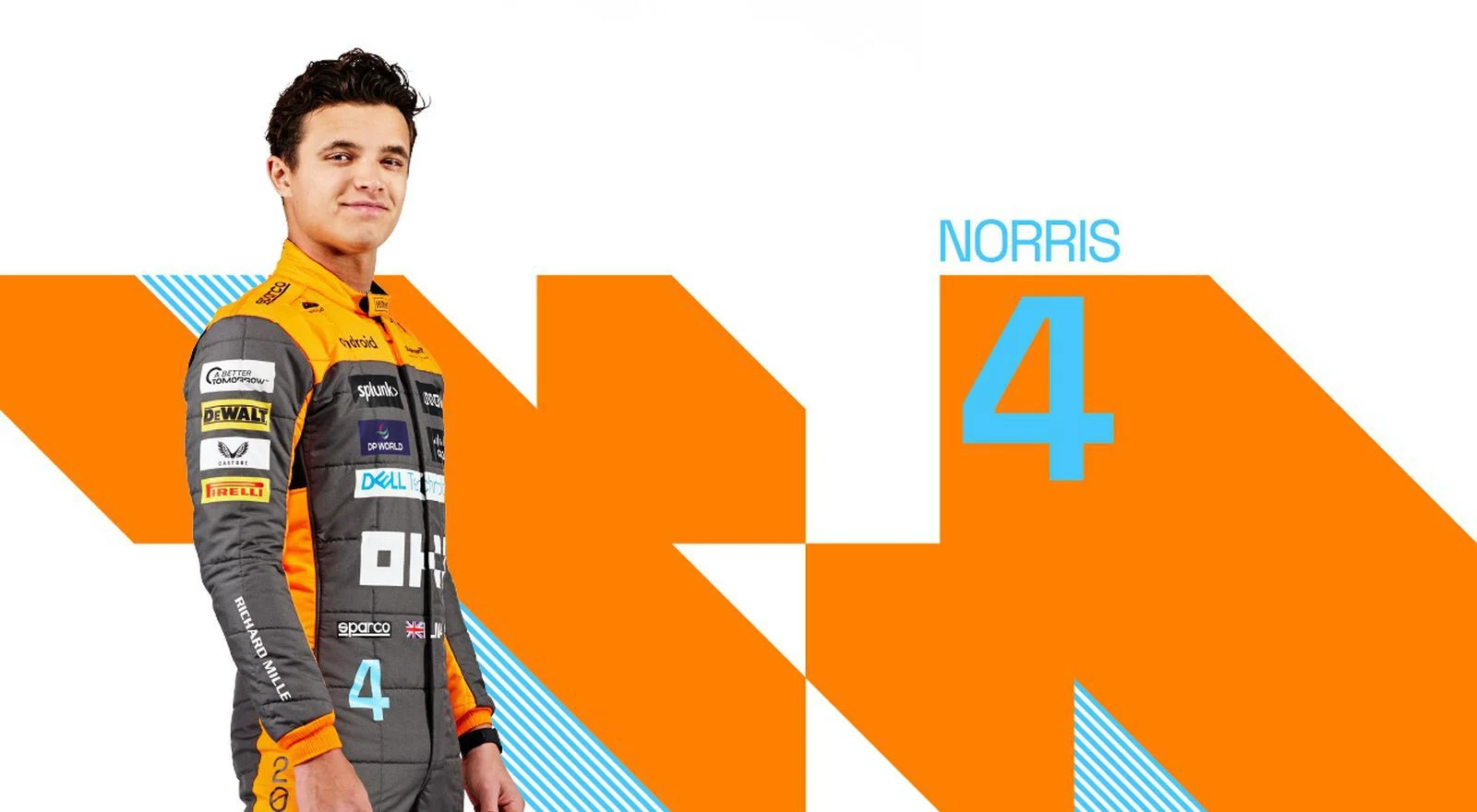
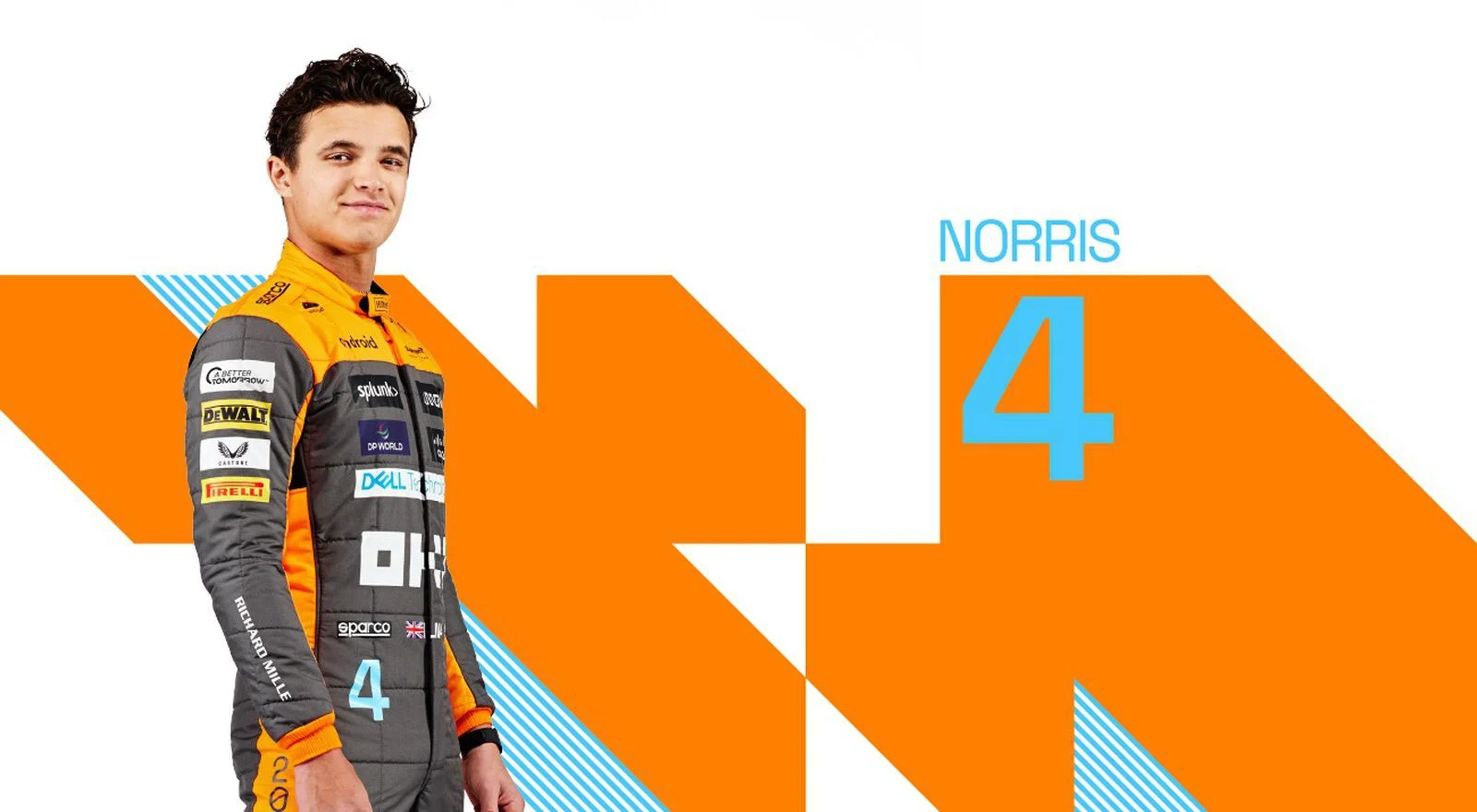
Eight months. That is how long McLaren had waited for a win, how long the papaya garage had watched other teams spray champagne while their own bottles stayed corked. And then, on a sun-baked Sunday at the Hungaroring, Lando Norris ended the drought in the most Lando Norris way imaginable: from pole, by 0.012 seconds in qualifying, through a race full of teammate tension, lapped-traffic drama, and a late twist nobody saw coming. When he crossed the line on July 26 to win the Hungarian Grand Prix, his first victory of 2026 and McLaren's first of the season, the relief that rolled down the pitlane was almost visible.
This was Norris's 12th career win, his first carrying the No. 1 as the reigning World Champion, and the first time he has ever won at the same circuit twice. It was McLaren's 204th Grand Prix victory and their third straight win at the Hungaroring, a streak that makes this twisty circuit outside Budapest feel like papaya territory. But the numbers, satisfying as they are, do not capture the strangeness of the afternoon. For much of the race, it looked like Norris would lose to his own teammate. Then his teammate's race fell apart, a lapped Williams refused to move, a gearbox gave up on lap 56, and the win fell to the driver who had spent the afternoon being told, repeatedly, not to attack.
Welcome to the Hungaroring
There is no circuit on the calendar quite like the Hungaroring, and there is no race quite like the Hungarian Grand Prix. Tucked into the rolling hills outside Budapest in the village of Mogyorod, the track is often called Monaco without the walls, a tight, twisty, 14-corner ribbon where overtaking is famously difficult and qualifying position is worth its weight in gold. In the high heat of a Hungarian summer, it becomes a furnace: track temperatures soar, tires melt, and the drivers spend two hours wrestling their cars through corners that never quite give them a rest.
It is also, quietly, one of the most atmospheric weekends of the year. Budapest in late July is glorious, and the grandstands fill with fans who treat the weekend like a festival. The papaya sections were out in force on Sunday, a sea of orange in the main grandstand, and by the end of the afternoon they had something to celebrate for the first time in eight long months.
For McLaren, this place has become something of a happy hunting ground. Three straight victories at the Hungaroring now, a streak that speaks to how well this team builds cars for slow and medium-speed corners. Coming into the weekend, though, happy memories were all McLaren had. The 2026 season had belonged to Mercedes and Kimi Antonelli, and the reigning World Champion had not stood on the top step since last year.
The Short Version
You are busy, so here is everything that mattered, fast.
The podium
Lando Norris won the Hungarian Grand Prix for McLaren, his first win of 2026 and the team's first of the season, ending an eight-month winless streak. Max Verstappen finished second for Red Bull and Kimi Antonelli was third for Mercedes, both inheriting their podium spots through a late-race strategy gamble under the Virtual Safety Car. It was Norris's 12th career victory, his first with the No. 1 on his car as reigning champion, and his first repeat win at the same circuit.
How the grid looked
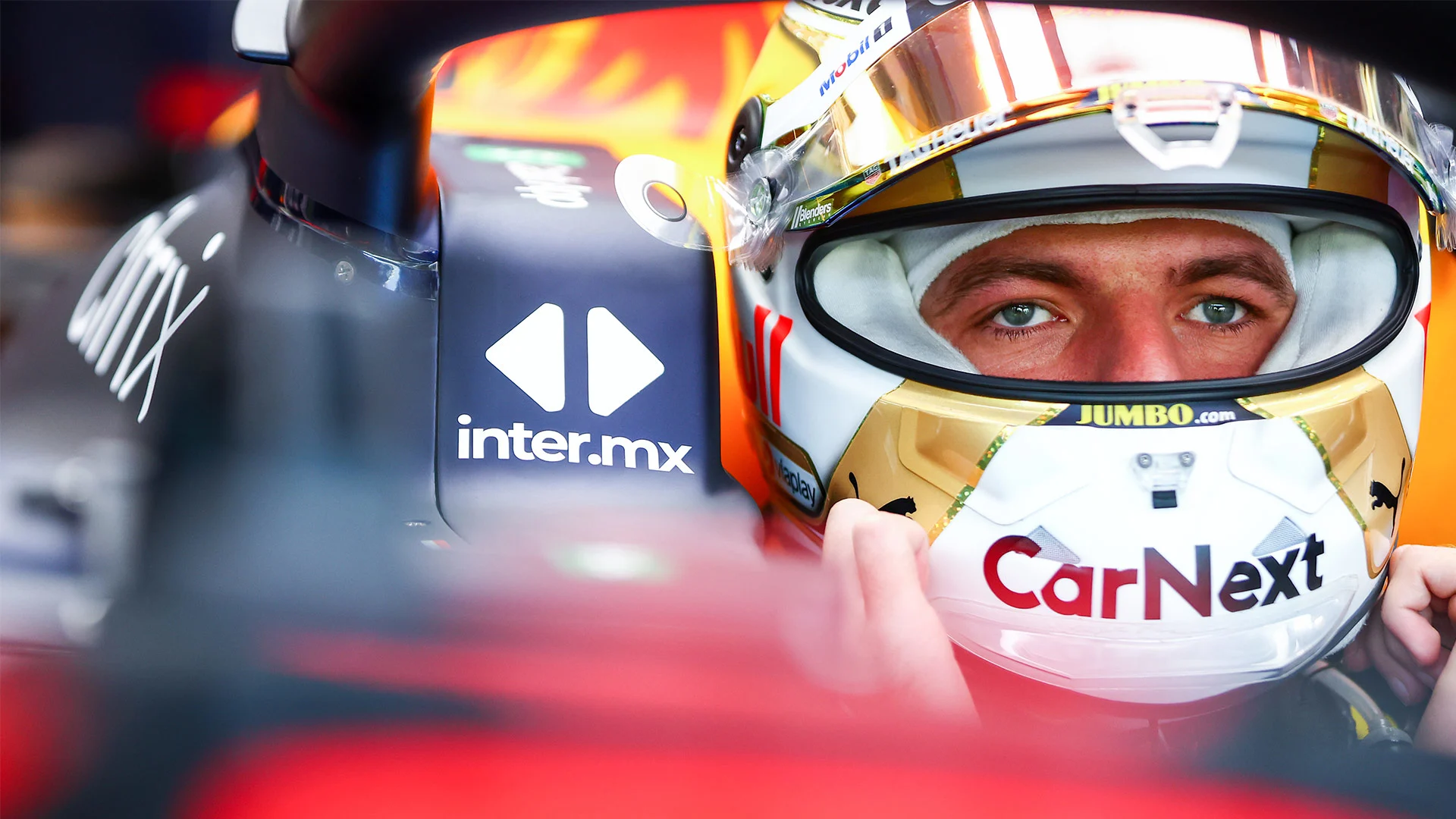
Saturday was decided by the width of a whisper. Norris took pole position by just 0.012 seconds, one of the tightest margins of the season, a lap that underlined how much qualifying matters at a circuit where passing is so difficult. Kimi Antonelli, the championship leader, carried a three-place grid drop for failing to slow under single yellow flags, a costly error that compromised his starting position. Lewis Hamilton also carried a grid penalty into the weekend, adding another wrinkle to Ferrari's troubled recent run. The stage was set for a McLaren front-row lockout story, and for about one lap, that is exactly what it looked like.
Lap One: The Move That Changed Everything
If you only watch one lap of the Hungarian Grand Prix, make it the first one. Norris launched cleanly from pole and led into Turn 1, and for a few hundred meters the race looked like it would follow the script: the polesitter controls the pace, the teammate slots in behind, and McLaren manages the afternoon. Then came Turn 2, and Oscar Piastri decided the script needed rewriting.
Piastri's move was bold in the truest sense of the word. Diving down the inside at Turn 2 on the opening lap, against your own teammate, against the polesitter, against the reigning World Champion, takes a particular kind of confidence. It was clean, it was committed, and it worked. Just like that, the lead had changed hands, and the dynamic of the entire race had flipped. The hunter had become the hunted, and Norris, who had done everything right on Saturday, was suddenly staring at the back of the other papaya car.
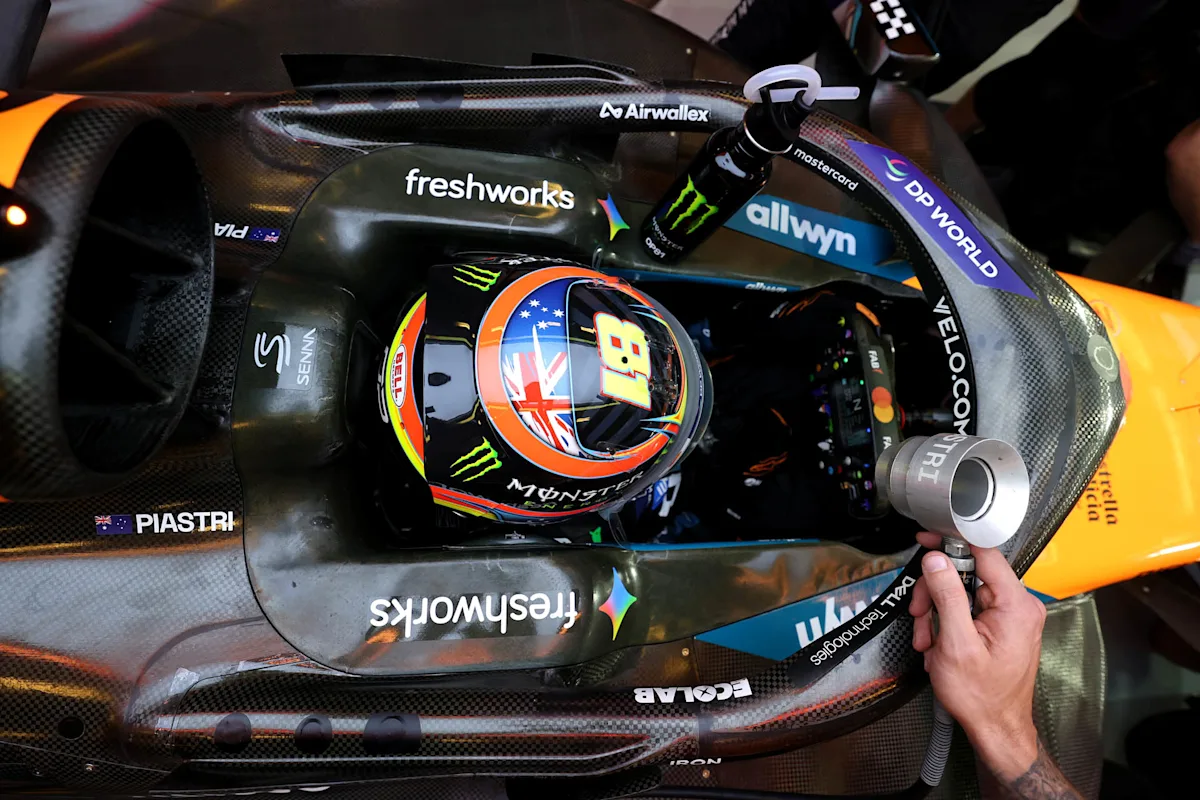
There is an art to the first-lap lunge, and Piastri is becoming one of its finest practitioners. The Australian has built his reputation on precisely this kind of decisive, unflappable racecraft: see the gap, take the gap, and let everyone else deal with the consequences. Teammates do not lunge at each other on lap one unless they believe they are the faster driver and they are tired of waiting for permission to prove it. Piastri's Turn 2 dive was not just an overtake. It was a statement, delivered at 300 kilometers per hour, that the pecking order at McLaren is not settled, no matter what number is on whose car.
The Team Orders Tension
What followed was one of those slow-burn radio dramas that Formula 1 does better than any other sport. Norris, running second behind his teammate, repeatedly asked the pit wall for permission to attack Piastri. And repeatedly, he was held back. The messages went back and forth, the tone growing more pointed with each exchange: the reigning champion, the polesitter, the man with the No. 1 on his car, being told to sit tight behind his teammate and wait.
To be fair to the McLaren pit wall, their logic was understandable. It was early, the tires were fragile in the heat, and a first-lap collision between the two papaya cars would have been the catastrophe of the season. Protect the one-two and sort out the order later. It is the textbook play. It is also, from the cockpit of the faster car, absolutely maddening.
And Norris did look like the faster car. After Piastri pitted, Norris finally got the clean air he had been craving, and the result was devastating. He ran over a second per lap faster than his teammate had managed, a pace advantage so large that it reframed the entire afternoon. Pundit Jolyon Palmer called the display "devastating" for Piastri, and he was not wrong. There is no hiding from a delta like that. When your teammate is suddenly lapping a full second quicker in the same machinery, every earlier decision to hold position gets re-examined, and none of them look better in hindsight.
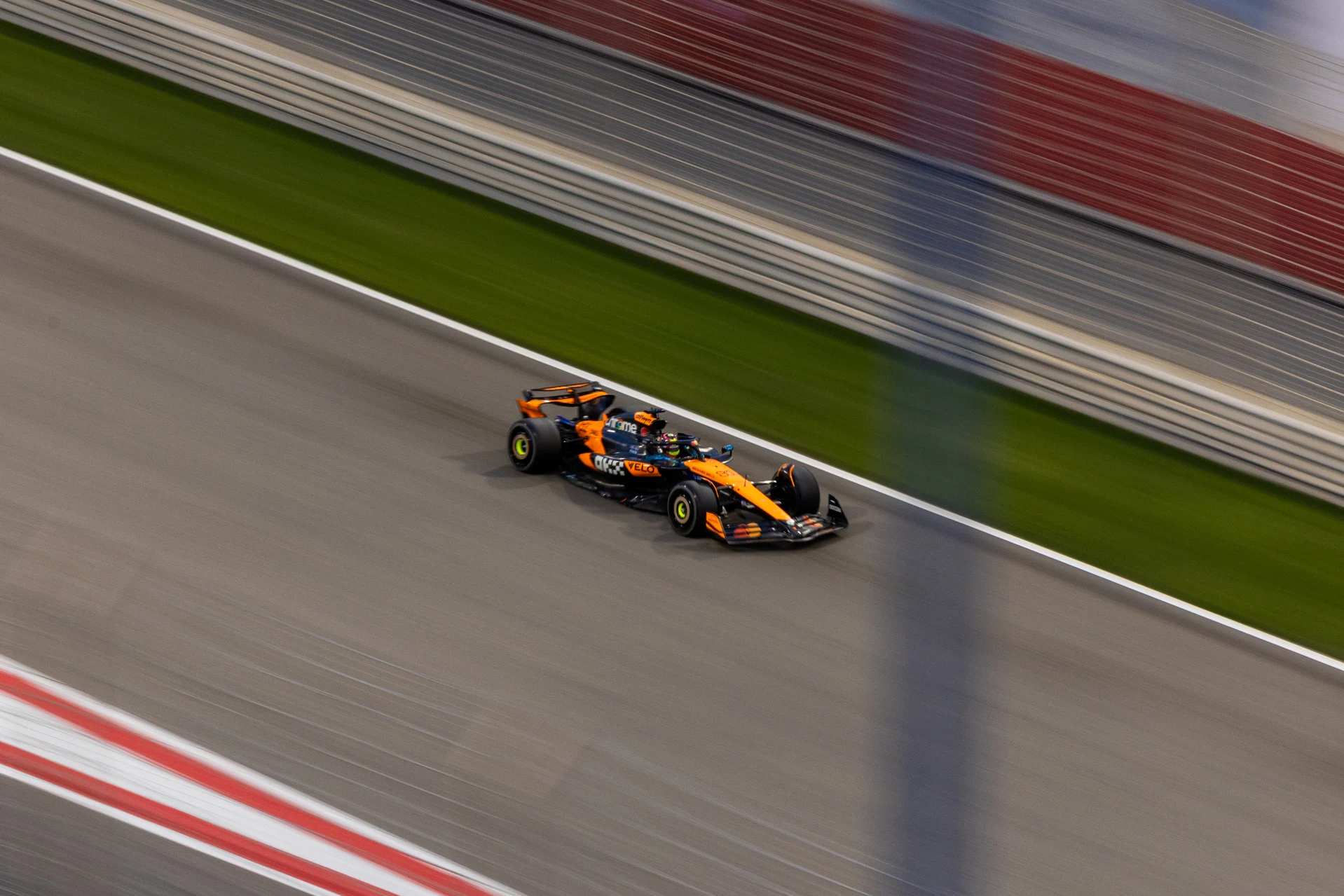
This is the eternal dilemma of running two number-one drivers, and McLaren is living it in real time. Hold your faster driver back and you risk his fury; let them race and you risk the carbon fiber. On Sunday, the pit wall chose caution, and for much of the afternoon it looked like caution might cost them the win. Norris was visibly frustrated, Piastri was serenely unaware or serenely unbothered, and the rest of us watched the timing screens with the particular delight of people witnessing a team tie itself in knots.
The girly-girl translation of all of this: imagine being told, repeatedly, in front of millions of people, to wait your turn behind your work bestie while you know, you absolutely know, that you could do the job better and faster right now. The patience that takes is almost superhuman, and you did not need to hear the radio tone to feel the tension. It was there in every lap time and every gap that refused to close.
Sunday, Eventually: The Win
And then, because Formula 1 always finds a way to resolve its subplots in the most dramatic fashion available, the race turned on its head.
Piastri's heartbreak
Oscar Piastri had led much of the afternoon with the calm authority of a driver who believed the win was his. Then came the first blow: contact with the lapped Williams of Carlos Sainz, who was ignoring blue flags and refusing to get out of the way. Being held up by a backmarker is annoying; being hit by one while leading a Grand Prix is the kind of thing that ends friendships and starts inquiries. The contact cost Piastri time and, critically, may have contributed to what came next.
On lap 56, with the race entering its decisive phase, Piastri's McLaren gave up. The presumed cause was a gearbox failure, though the team had not confirmed the exact diagnosis as the dust settled, and the Australian was forced to retire from a race he had controlled for so long. The Virtual Safety Car was deployed and the entire strategic picture was rewritten in an instant.
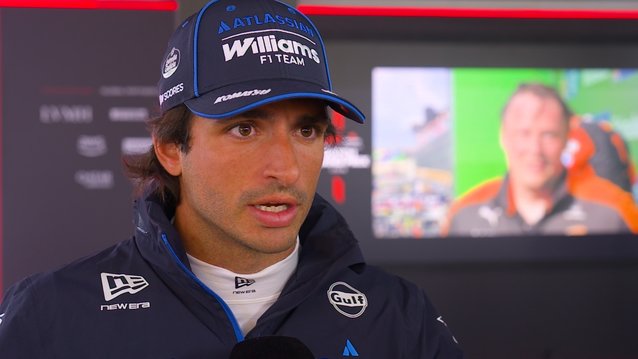
For Piastri, it was heartbreak in its purest form. He had made the bold move on lap one, he had held the lead through the pit stops, he had survived the blue-flag nonsense, and he had done everything right except finish. There is no consolation for a retirement from the lead, no data point that softens it. He climbed out of the car, walked back down the pitlane, and left Norris to inherit a race that had looked lost an hour earlier.
The VSC gamble
The Virtual Safety Car period that followed Piastri's retirement created the final strategic twist of the afternoon. Most of the field dived for the pits to take fresh rubber for the final stint, the obvious play under a VSC. But two drivers did not: Max Verstappen and Kimi Antonelli, both of whom had only recently stopped and chose to stay out on their relatively fresh tires.
It was a gamble, and it paid off beautifully. By staying out while others pitted, Verstappen and Antonelli cycled up to second and third behind Norris. Verstappen collected another strong result for Red Bull through sheer strategic opportunism. Antonelli banked another podium on a weekend when his qualifying had gone sideways, the kind of damage-limitation drive that championships are built on.
Kimi's one-stop gamble runs out of road
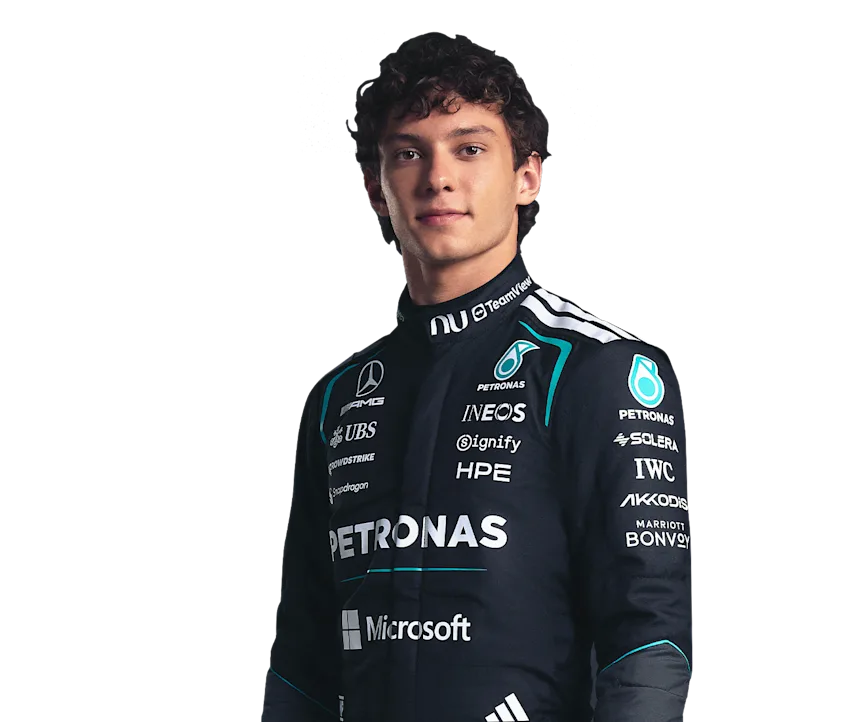
Antonelli's afternoon deserves its own appreciation. Starting compromised by that three-place grid drop for the single-yellow infringement, the young Italian committed to a one-stop strategy, the brave choice at a circuit that punishes tires. For lap after lap it looked inspired. He managed the rubber, he held track position, and for a while he was leading the Grand Prix, the championship leader doing championship-leader things.
But one-stoppers at the Hungaroring are a bet against physics, and physics always collects. On lap 46, Norris, on fresher tires and with that devastating clean-air pace, swept past Antonelli for the lead, and the gamble was over. Third place was still an excellent return from a compromised Saturday, another 15 points in the championship pot.
Lando's day, at last
And so, after all of it, the win belonged to Lando Norris. Pole by 0.012 seconds, second after the lap-one move, held back by his own pit wall, unleashed in clean air to devastating effect, past Antonelli on lap 46, and then gifted the final margin by his teammate's cruel retirement. It was not the serene victory parades of his championship season. It was better than that. It was a win earned through patience, pace, and the kind of persistence that does not show up on a timing screen.
"I was convinced I could still win the race today, and we did," Norris said afterward. "My pace to stay so close to him for so long. We were just on another level today, and I felt in a very good flow of things." Listen to the confidence in that. Not relief, exactly. Conviction. The reigning champion knew he had the pace and waited until the race came back to him.
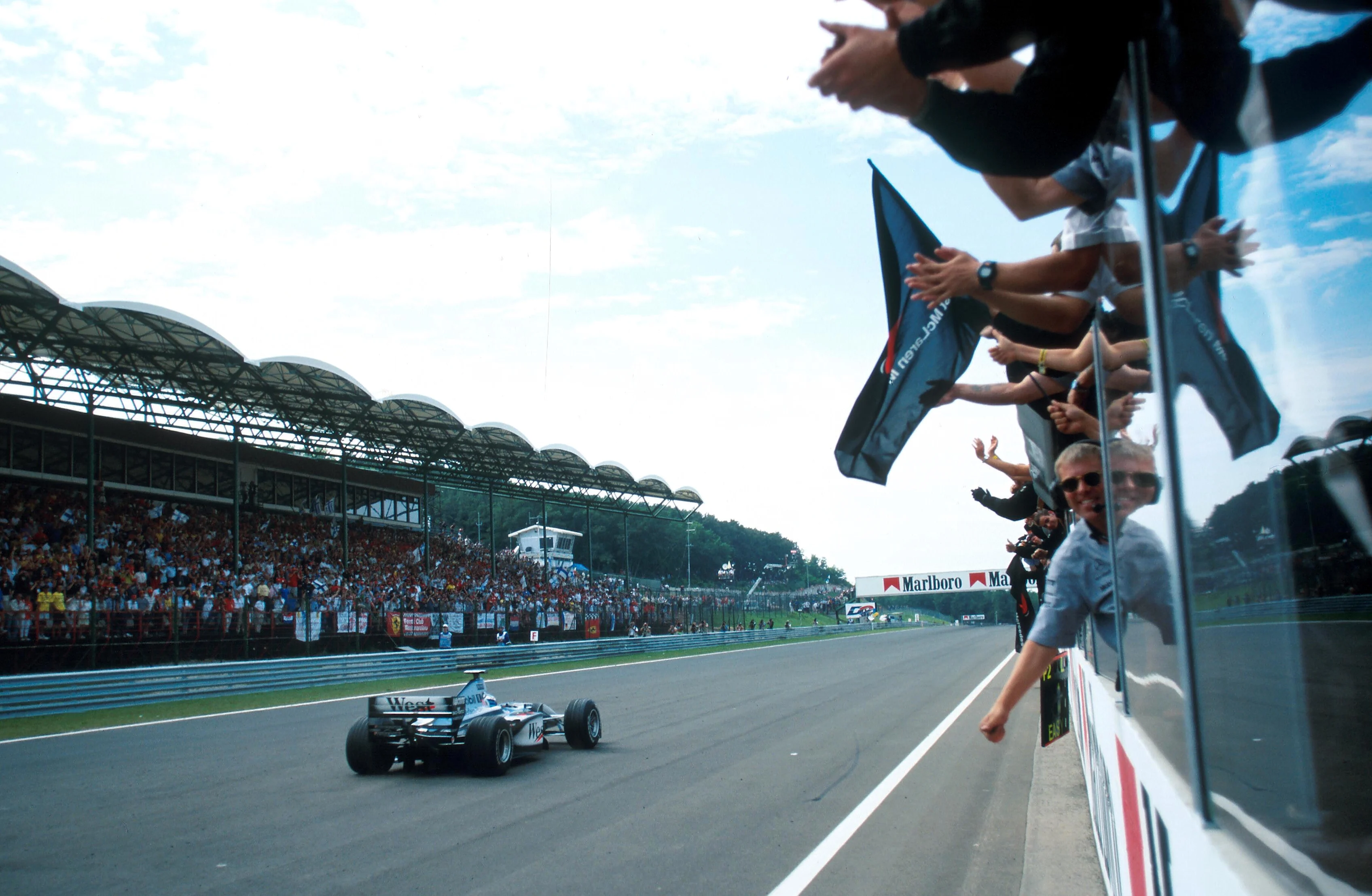
The No. 1 on the car, the 12th career win, the first repeat victory at the same circuit, the end of the eight-month drought: it all landed at once, in front of those papaya grandstands, on a Sunday that had threatened to be another near-miss. Sometimes the best wins are the ones you have to wait for. Norris waited eight months. It was worth it.
The Title Picture Now
So what does all of this mean for the championship? The honest answer is: less than McLaren would like, more than the raw numbers suggest.
Kimi Antonelli still leads the drivers' championship by about 45 points over George Russell, and a third place from a compromised grid slot is exactly the kind of result that keeps a title campaign on track. The young Italian did not have his best weekend, and he still left Budapest with a podium and his lead intact. That is the mark of a champion-in-waiting: the bad weekends still pay.
But Norris's win changes the emotional arithmetic of the season. The reigning champion had been winless, the whispers had been growing, and there is nothing like a victory to silence a paddock. He is still a long way back in the points, and Mercedes still has the fastest car more weekends than not, but champions who remember how to win are dangerous. If this is the start of a Norris run, and the clean-air pace on Sunday suggests the underlying speed is real, then the second half of the season just got a lot more interesting.
The Moments We Will Keep
Results fade, but Sundays like this one stick around. What lingers from Budapest is not just the trophy but the texture: the heat shimmering off the pit straight, the orange grandstands, the lap-one lunge that set the tone, the radio messages growing tenser by the lap, and then the sudden, shocking silence of Piastri's retirement on lap 56, the moment a whole grandstand seemed to hold its breath at once.
Keep the image of Norris in clean air, that devastating run of laps after the pit stops, the reigning champion finally unleashed and immediately a second a lap quicker than everyone. Keep the image of Sainz's Williams ignoring the blue flags, the backmarker who accidentally rewrote the ending. And keep the image of the papaya pit wall in the final laps, watching their first win of the season arrive via the cruellest possible route. That is Formula 1: joy and heartbreak in the same garage, on the same afternoon, separated by nothing but luck.
What Comes Next
The championship now heads into the weeks ahead with its central questions sharpened. Can Antonelli maintain his metronomic consistency, or will the pressure of a 45-point lead start to weigh on the youngest championship leader in recent memory? Can Russell recover from his brutal summer and rejoin the fight, or has the intra-Mercedes battle already been decided? And can Norris turn one cathartic win into a genuine second-half charge, or was Budapest a glorious one-off?
McLaren, meanwhile, has a different kind of problem, the good kind that feels bad. Two drivers who both believe they should be leading the team, a pace gap that cannot be hidden, and a pit wall that will be second-guessed whatever it decides. The civil war is not coming. After Sunday, it is already here.
See you at the next one. If Budapest taught us anything, it is to expect the lead to change hands when you least expect it.
FAQ
Why did Oscar Piastri retire from the Hungarian Grand Prix?
Piastri retired on lap 56 from a strong position after his McLaren suffered a presumed gearbox failure. He had led much of the race after passing teammate Lando Norris at Turn 2 on lap one, but earlier contact with Carlos Sainz's lapped Williams, which was ignoring blue flags, had already compromised his afternoon. His retirement triggered a Virtual Safety Car.
What was the team orders controversy at McLaren?
Norris repeatedly asked the McLaren pit wall for permission to attack Piastri in the early laps and was held back each time. After Piastri pitted, Norris ran over a second per lap faster in clean air, a pace advantage pundit Jolyon Palmer called "devastating" for Piastri. The episode exposed the tension of McLaren running two drivers who both see themselves as the team leader.
How did Verstappen and Antonelli end up second and third?
When Piastri's lap-56 retirement triggered the Virtual Safety Car, most of the field pitted for fresh tires. Verstappen and Antonelli had both stopped relatively recently, so they stayed out and cycled up to second and third behind Norris, inheriting podium finishes through the strategy gamble.
What records did Norris's win set?
It was Norris's first win of 2026 and McLaren's first of the season, ending an eight-month winless streak. It was his 12th career victory, his first carrying the No. 1 as reigning World Champion, and the first time he has won at the same circuit twice. It was also McLaren's 204th Grand Prix win and their third consecutive victory at the Hungaroring.
A Note on Sources
Race results, qualifying margins, grid penalties, lap-by-lap events, team radio summaries, and driver quotes in this recap were verified against the official Formula1.com race and qualifying reports and cross-checked with coverage from Reuters, BBC Sport, Sky Sports, and The Race.