
By Paulina Phan, Senior Editorial Contributor | April 22, 2026
Formula 1 is a sport that never stops moving, except when it does. After the Japanese Grand Prix in late March, the calendar went quiet for five full weeks, the longest in-season pause anyone can remember, and the silence did something strange to the paddock. It made everyone louder. Ferrari turned the gap into a second pre-season. Fernando Alonso became a father and started talking about his future like a man with unfinished business. Yuki Tsunoda explained why sitting out can be a power move. And somewhere in China, one of the biggest car companies on earth started asking serious questions about joining the grid. The cars were parked. The storylines were not.
Maranello's Mini Pre-Season
The April gap was not planned as a reset, but Ferrari is treating it like one anyway. Five weeks with no racing is unheard of in the modern calendar, and Maranello has reportedly used every day of it as a second pre-season: a full factory reset aimed at chasing down a Mercedes team that has been close to perfect so far.
The gap nobody expected
To understand why this matters, you have to feel the rhythm of a normal season. Formula 1 runs on momentum. Teams arrive at a circuit on Thursday, they learn, they iterate, they race on Sunday, and they carry everything they learned straight into the next week. There is barely time to think. The five-week hole between Japan and Miami broke that rhythm completely, and for a team that is behind, a broken rhythm is a gift. No travel. No freight. No Thursday media pens. Just the factory, the simulator, and time.
What a reset actually looks like
Here is what a "mini pre-season" means in practice, and why the phrase is doing a lot of work in Maranello. It means correlation runs: taking everything the car did in Australia, China, and Japan and checking it against what the wind tunnel and the simulator said it should do. When those two disagree, that is where lap time hides. It means long simulator days for the race drivers, running through setup philosophies that are too risky to try during a race weekend. It means manufacturing: new parts take weeks to design, build, and test, and five quiet weeks is exactly the window a team needs to get a meaningful upgrade onto the car for Miami.
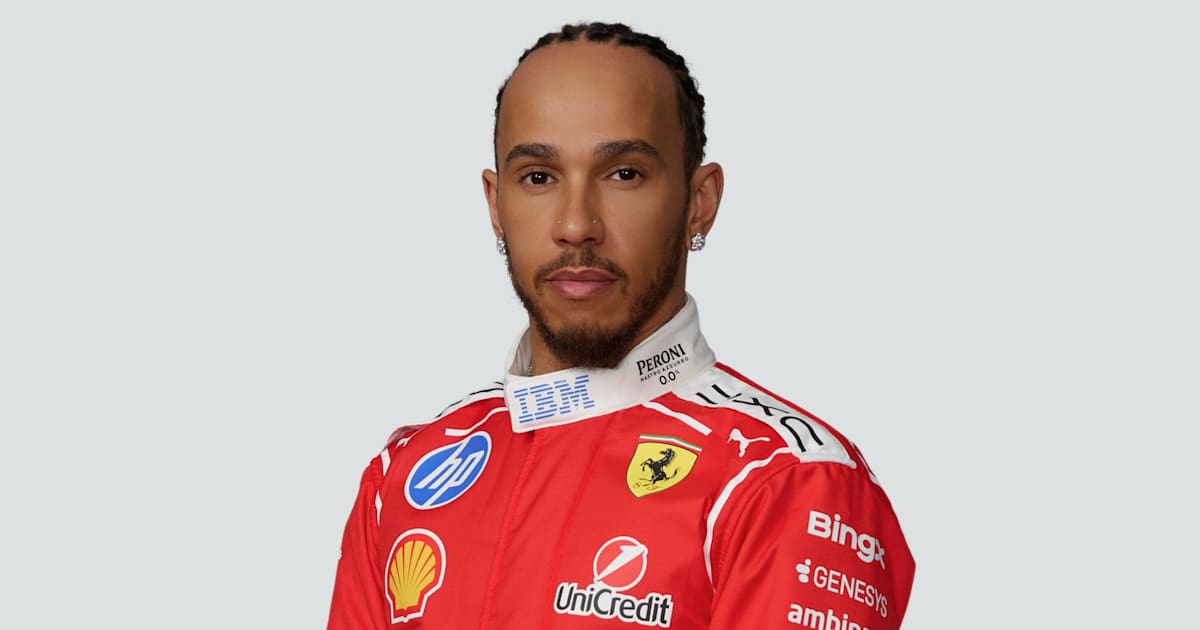
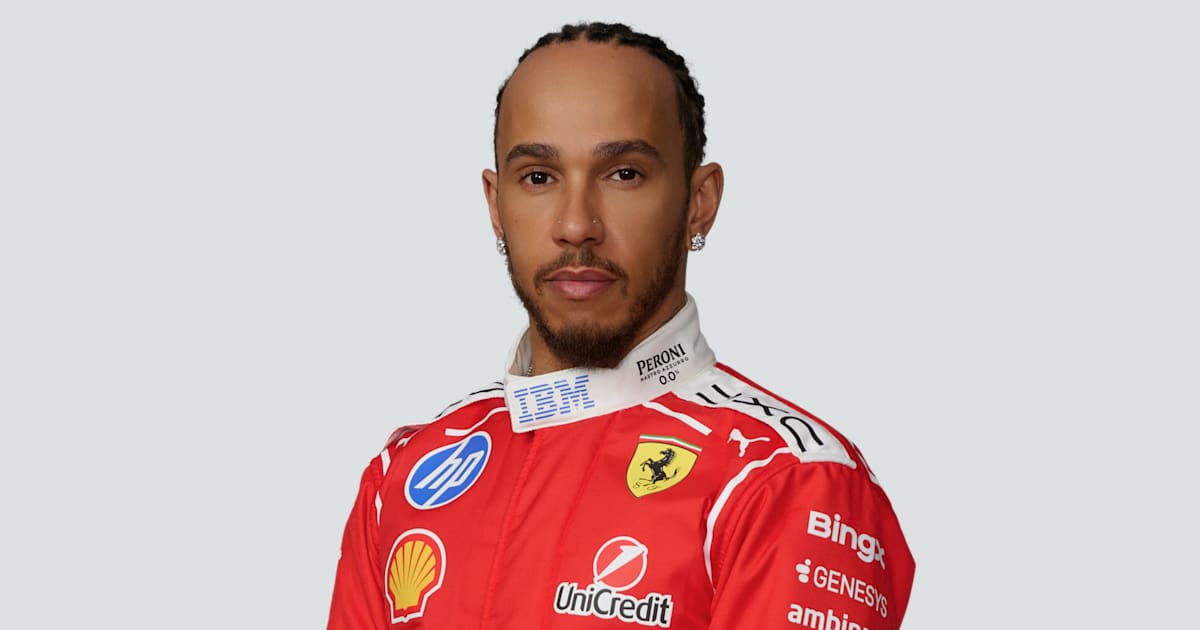
And then there is the human side, which matters more than the engineers like to admit. Ferrari started 2026 with enormous expectations and a seven-time champion still settling in. Lewis Hamilton's move to red was always going to be a project rather than a plug-and-play switch, and projects need exactly this: uninterrupted time together, debriefs without the pressure of a Thursday deadline, and the chance to build the kind of shorthand that wins championships. Charles Leclerc, meanwhile, gets five weeks to reset his own season without a grandstand full of tifosi watching every lock-up. If you wanted to design the perfect conditions for Ferrari to regroup, you could not do much better than this.
The target: Mercedes
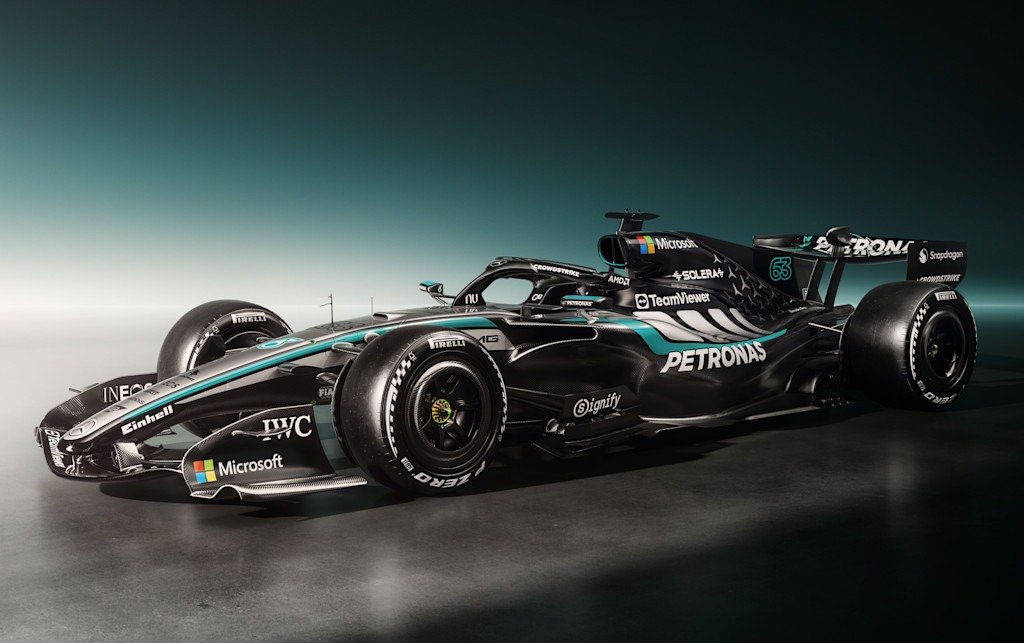
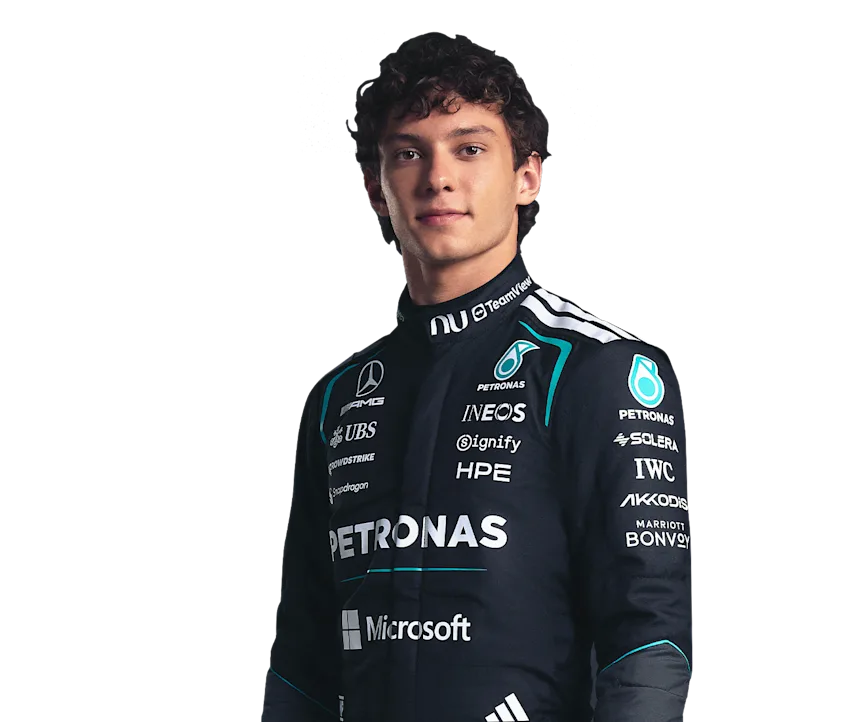
Let us be honest about the scale of the task. Mercedes has taken every pole position so far this season, and Kimi Antonelli leads the championship. The W17 is the benchmark in qualifying trim and, more importantly, it has been the benchmark when it matters. Ferrari's reset is not about finding a tenth here or there. It is about closing a gap to a team that has started the new regulations era the way great teams do: fast, reliable, and utterly unbothered.
There is a particular kind of pressure that comes with chasing. When you are behind, every upgrade has to work, because you do not get many swings. Ferrari has had five weeks to make sure its next swing connects. Miami will tell us whether the homework paid off. If the red cars arrive in Florida looking sharper, the mini pre-season will go down as a masterstroke. If they do not, the questions in Maranello will get louder, and five weeks of quiet will feel like a very long time ago.
Daddy Alonso
Some news breaks in a press release. Some news breaks because a teammate cannot keep a secret. Fernando Alonso's entry into fatherhood was the second kind, and it is the sweetest story of the break.
The Suzuka surprise
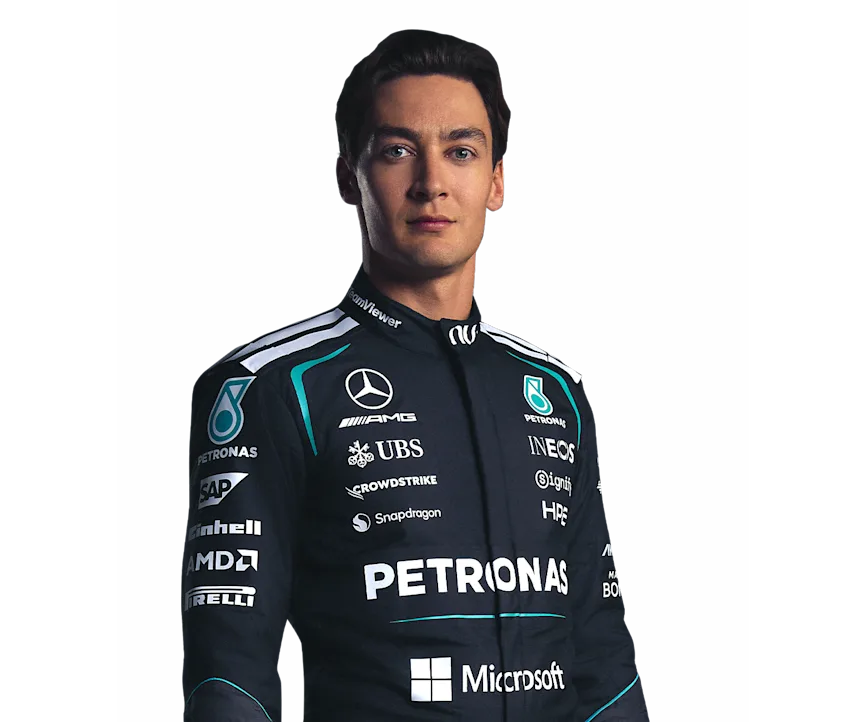
Alonso arrived late in Japan, missing Thursday's media duties at Suzuka, and before he had even landed, the paddock already knew why. Franco Colapinto, never one to sit on good gossip, told anyone who would listen: "Alonso is a dad! I have all the gossip. I'm going to call him 'daddy'." You have to love the paddock sometimes. Forty-four years old, two world championships, and your big life news gets announced by a colleague with the energy of a group chat.
Alonso confirmed it all himself to DAZN, still visibly jet-lagged after landing that morning. His partner, Spanish television presenter Melissa Jimenez, had given birth to their first child, a son named Leonard, back in March. "You never really expect anything specific," Alonso said. "Things just happen as they happen, and there's always some stress and worry to make sure everything is okay. Everything went well for the mother and the baby. It's a very happy and special moment." For a driver famous for guarding his private life like a state secret, it was a remarkably open moment, and all the sweeter for it.
Not leaving on a low note
But the baby news came with a second headline, and for the championship, it might be the bigger one. Alonso has been hinting that he could extend his Formula 1 career beyond 2026, making it clear he does not want to leave the sport on a low note. Read that again. The oldest driver on the grid, in the middle of a difficult season with Aston Martin and Honda, is talking about staying longer, not leaving sooner.
There is something deeply Alonso about this. His career has never followed the normal arc. He left, he came back, he kept going while everyone else his age moved to the commentary box. The logic of a normal athlete says: new baby, tough season, walk away. Alonso's logic says: I am not done, and I refuse to let the story end here. Fatherhood, he suggested, has not softened the competitive instinct. If anything, the arrival of Leonard seems to have sharpened the question every aging champion faces: what do you want the last chapter to say?
The honest answer to where he goes from here depends on machinery, as it always has. Aston Martin's struggles with the new Honda partnership are well documented, and no driver, not even Alonso, can outdrive a car that is not there. But the hint is out there now, floating over the paddock like a promise. The lion of Oviedo is not ready for the rocking chair. He wants his son to see him race, and he wants the ending to be worthy of the career. Watch this space.
Yuki's Patience Play
While Alonso was contemplating the future, Yuki Tsunoda was explaining the present, and his version of events is more interesting than the headline suggests.
No regrets
Tsunoda lost his race seat at the end of 2025 and stepped back into a reserve role for 2026 with Red Bull Racing and Racing Bulls. The easy narrative is that he was demoted and is making the best of it. Tsunoda, speaking to local media at his home race in Suzuka, rejected that narrative completely. He has no regrets, he said, and the reserve role was a deliberate decision to stay inside the Formula 1 paddock.
"It's not that I can't race," he explained. "If I wanted to race, I could have chosen to race with a different team. In a sense, I chose not to race. That was in order to stay in F1. I don't feel like I can't race at all. It was a decision I made after considering my racing career. So I have no regrets."
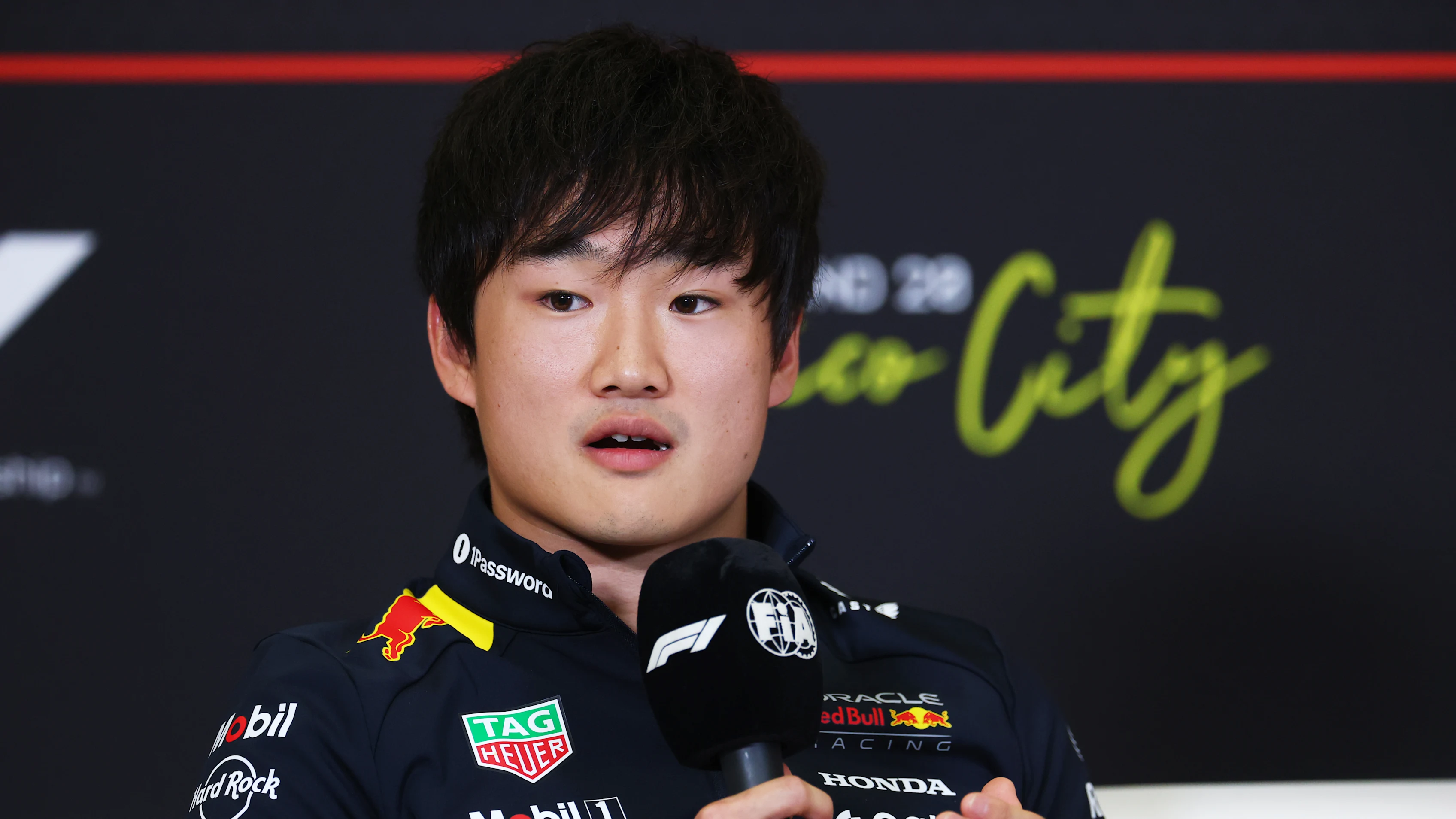
Think about the maturity in that. Tsunoda could have taken a race seat elsewhere, probably in a slower car, in a smaller team, out of the spotlight. Instead he chose proximity to the top: trackside support, simulator work on his own schedule, and a front-row seat to everything Red Bull does. "For now, I accompany the team to the race from Friday and give advice to the team," he said. "As for simulator work, I'm allowed to decide which days I want to do it." That is not a driver in exile. That is a driver who has negotiated his own terms.
And he is not letting himself go, either. "Physically, I think I'm in the best shape I've ever been in," he insisted. The subtext is clear: if a seat opens, he will be ready before the phone finishes ringing.
The long game
Here is why Tsunoda's patience might be smarter than it looks. The driver market is a game of timing as much as talent, and the worst place to be when a good seat opens is in a bad car, out of sight, out of mind. By staying inside the Red Bull ecosystem, Tsunoda stays visible to the people who make decisions, stays sharp in the simulator, and stays one phone call away from a race seat if injury or drama strikes. He made his ambition explicit: "Next year, I'd like to return to racing." The reserve role is not the destination. It is the waiting room, and Tsunoda has made himself very comfortable in it.
There is also a quieter lesson here for every young driver watching. Tsunoda admitted he was disappointed not to race in front of his home crowd at Suzuka, and you could hear the ache in that. But he also said he would enjoy the race as a spectator, alongside everyone else. Choosing the long game over the quick fix, choosing to stay ready rather than stay busy: that is the kind of decision that looks wise in hindsight. The paddock has a way of rewarding patience. Just ask the drivers who waited their turn and got the call.
The Grid Might Get Bigger
And then, just as the break was ending, the silly season started early, except this was not about drivers. It was about the grid itself.
BYD comes calling
The biggest manufacturer rumor of the year dropped out of China: BYD, the electric and hybrid giant, confirmed it is in active talks about a potential Formula 1 entry. The company's executive vice president, Stella Li, revealed that she sat down with F1 CEO Stefano Domenicali in Shanghai during the Chinese Grand Prix in March. "We met Stefano Domenicali in Shanghai," she said. "I like Formula One because it's about passion, culture and people dream of being in Formula One. Yes, it's something we're discussing. It's a real opportunity to test our technology."
Let that sink in. BYD is not some boutique startup. It is one of the largest carmakers on the planet, a company that sells millions of electrified vehicles a year and has technology ambitions to match. The reported figure floating around the entry conversation is an estimated 370 million pounds, which tells you this is not a casual inquiry. And the FIA's interest is no secret either: president Mohammed Ben Sulayem has made it clear he wants a Chinese manufacturer on the grid, the missing piece in F1's global puzzle. America has its races and now its team in Cadillac. China has its Grand Prix and, as of now, no team and no driver. Ben Sulayem wants to fix that.
Otmar's open door
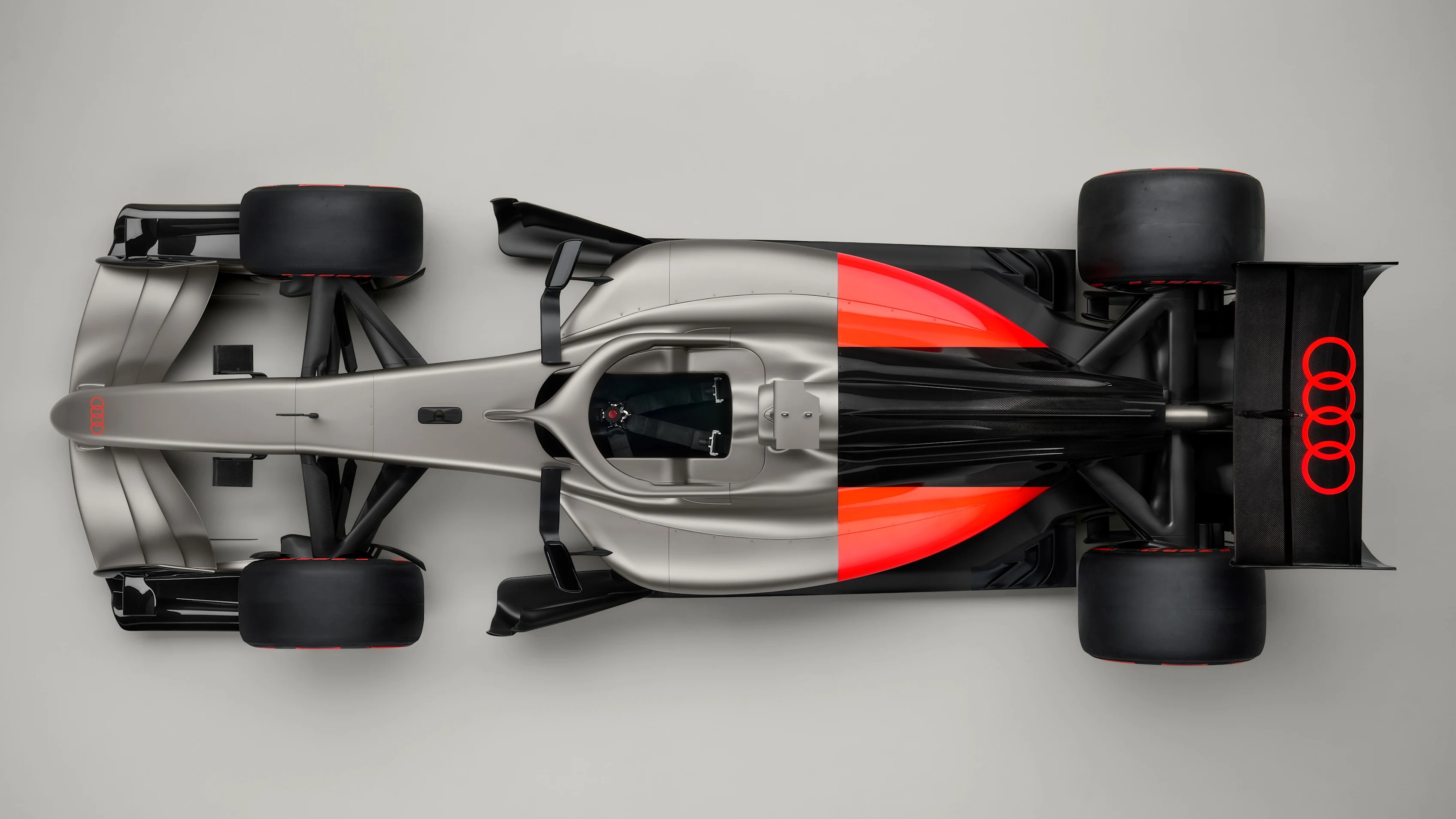
As if on cue, a familiar face re-entered the frame. Otmar Szafnauer, the former Alpine and Aston Martin team boss now running junior outfit Van Amersfoort Racing, told the Dutch magazine Formule 1 that he would still seriously consider launching a 12th team if Formula 1 opens the door. "Should Formula 1 indeed want to admit a twelfth team, that is something I would seriously consider," he said. "The financial possibilities, the connections, it is all still there. So should the opportunity arise in the future, I will certainly look into a potential entry."
Szafnauer did not dismiss the idea that Van Amersfoort itself, the team that helped launch Max Verstappen's career, could be the vehicle. "Whether this team could then automatically become the twelfth F1 team? Who knows. Maybe," he said. "At the moment, it is nothing more than something that might happen someday. But perhaps it isn't Van Amersfoort Racing as such, perhaps another name. In any case, the one does not rule out the other."
Two separate threads, one direction: the grid wants to grow. Cadillac's arrival as the 11th team in 2026 proved the appetite is there, and the commercial logic is only getting stronger. More teams means more stories, more seats, more national flags on the grid. Whether it is BYD's billions or Szafnauer's Rolodex, the 12th team conversation is no longer a fantasy. It is a negotiation.
What the Others Did
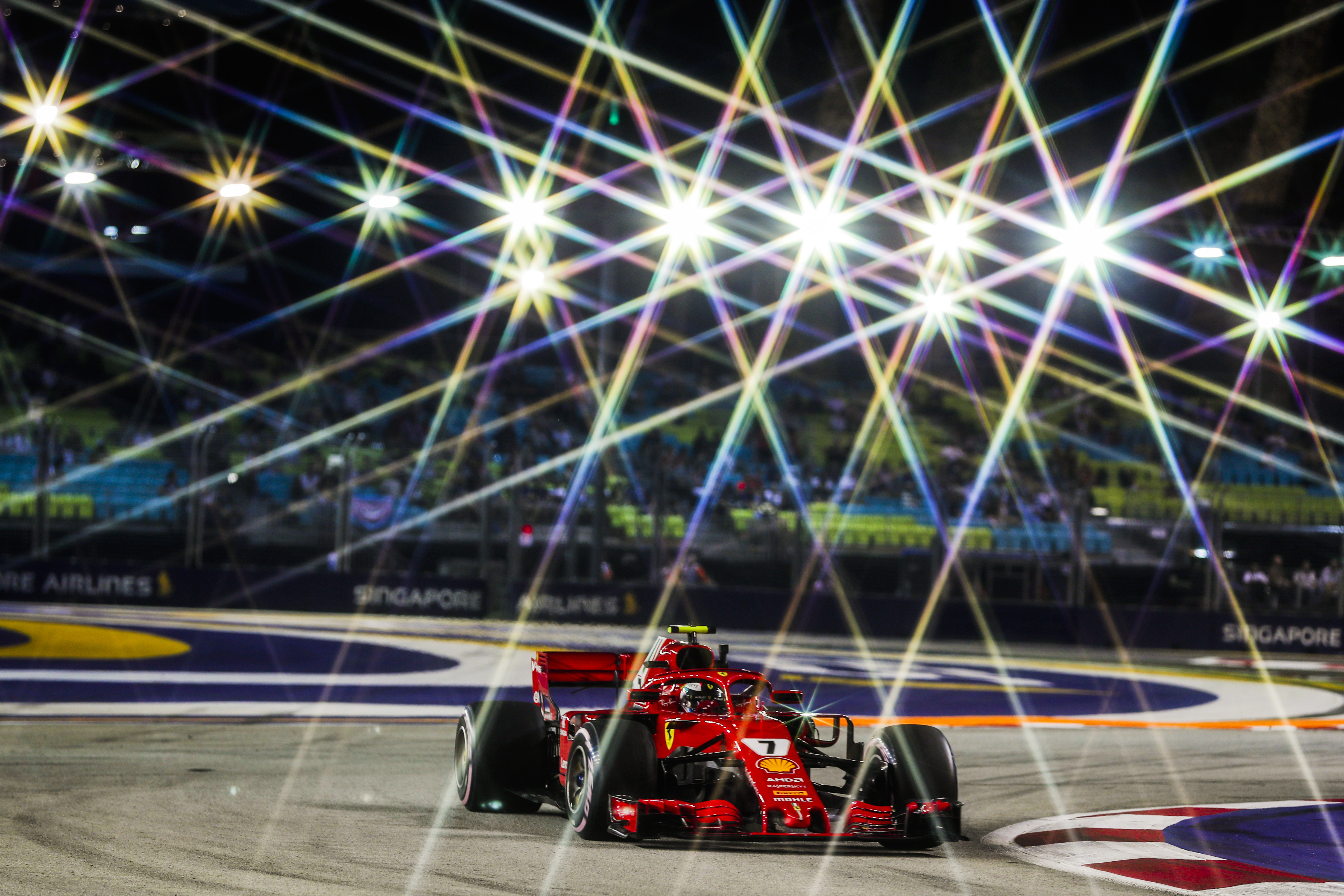
Not everyone spent the break giving quotes. Some teams spent it in the garage, heads down, fixing problems nobody wants to talk about in public.
McLaren's electrical mystery
The strangest story of the season so far belongs to McLaren. In China, both cars were wheeled off the grid with separate electrical failures traced back to the Mercedes power unit, and Oscar Piastri arrived at the break having completed zero racing laps all season. That is not a slump. That is a mystery. The five-week gap was, for McLaren, less about upgrades and more about forensics: finding the gremlin, understanding it, and making sure it never strikes again. When a team talks about correlation work, this is the other side of it. Not chasing performance, but chasing reliability. A team that cannot start a race cannot win one, and McLaren knows it better than anyone right now.
The rest of the noise
Aston Martin, meanwhile, is living the hardest version of a works partnership. The Honda era has started slowly, with water pressure issues and a car that left Alonso a lap down at Honda's home race in Suzuka. Red Bull, in year one with Ford, is still finding its feet. And Cadillac, the sport's newest arrival, has spent the break doing what new teams do: building, learning, and discovering that finishing races is a skill you have to earn. None of them generated headlines like Ferrari's reset or Alonso's announcement. But when the lights go out in Miami, the teams that spent April quietly fixing things might have the last word after all.
The Break Is Over
Five weeks without racing, and somehow we have a Ferrari reset, a new father, a reserve driver's masterclass in patience, and two separate bids to grow the grid. That is the thing about Formula 1: the cars can stop, but the sport never does. The freight is already rolling toward Miami. The upgrades are already bolted on. And on May 3, after the longest pause in recent memory, the lights go out again. Whatever these five weeks built, we are about to see it.
FAQ
Why was there a five-week break in the 2026 season?
The calendar had an unusually long gap between the Japanese Grand Prix in late March and the Miami Grand Prix on May 3, giving teams five weeks without racing, the longest in-season pause in recent memory.
What did Ferrari do during the break?
Ferrari reportedly treated the gap as a "mini pre-season": a full factory reset with correlation work, simulator time, and new parts aimed at closing the gap to a Mercedes team that had taken every pole position so far.
Did Fernando Alonso really become a father?
Yes. Alonso confirmed that his partner Melissa Jimenez gave birth to their first child, a son named Leonard, in March. The news broke in the paddock when Franco Colapinto joked about it before Alonso had even landed in Japan for the Suzuka weekend.
Is BYD actually joining Formula 1?
Not yet. BYD executive vice president Stella Li confirmed active talks, including a meeting with F1 CEO Stefano Domenicali in Shanghai, calling it "something we're discussing." Separately, Otmar Szafnauer said he would seriously consider a 12th team bid if the sport opens the door. Both are conversations, not confirmations.
A Note on Sources
Team strategies, driver quotes, and commercial developments in this feature were verified against official Formula1.com reporting and cross-checked with coverage from Reuters, Grandprix.com, Crash.net, The Race, Autosport, and PlanetF1.