
By Paulina Phan, Senior Editorial Contributor | July 20, 2026
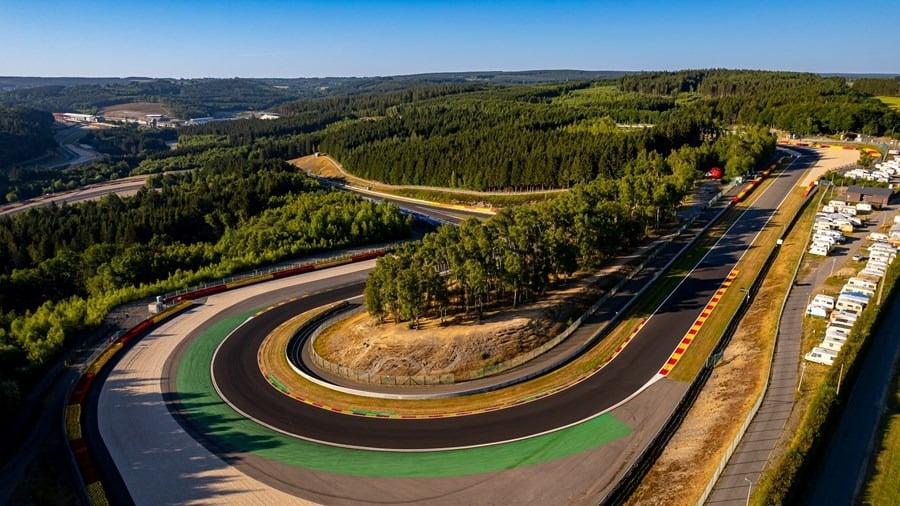
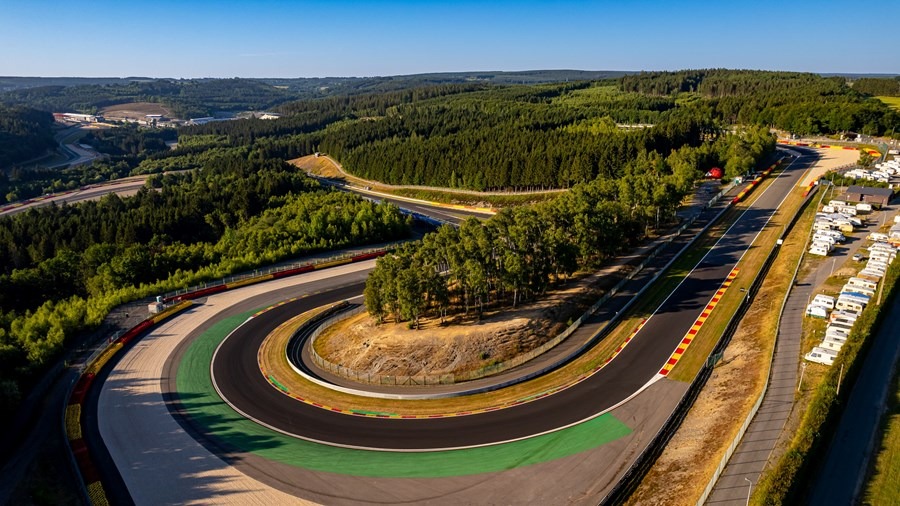
Some victories are inherited. Some are gifted by timing screens and pit walls. And then there are the ones like Kimi Antonelli's at Spa-Francorchamps on Sunday, the kind that have to be won twice: once at the start, and once again when everything goes sideways in the middle. The 19-year-old Italian converted pole position into his sixth win of the 2026 season at the Belgian Grand Prix, his maiden victory at Spa, surviving an opening-lap flashpoint, a Virtual Safety Car that handed the lead to Ferrari, and a charging Charles Leclerc in the final stint to win by about two seconds.
It was a race that had everything Spa promises and more: a first-lap collision between two of the sport's biggest names, a strategy shakeup that turned the running order upside down, a recovery drive from the back of the grid, and a championship battle that took another decisive swing. By the time the chequered flag fell over the Ardennes forest, Antonelli had stretched his championship lead to about 45 points, and the rest of the paddock was left wondering what it will take to stop him.
This was not the serene, dominant cruise that pole position sometimes produces. This was a hard-fought, elbows-out, hold-your-breath kind of win, the kind that tells you more about a driver than any comfortable victory ever could.
The Short Version
You are busy, so here is everything that mattered, fast.
The podium
Kimi Antonelli won the Belgian Grand Prix for Mercedes, his sixth victory of the 2026 season and his first at Spa-Francorchamps, driving a composed pole-to-win race that survived a mid-race VSC scare. Charles Leclerc finished second for Ferrari, having briefly led after the Virtual Safety Car vaulted him ahead during the pit window, and pushed Antonelli all the way to the flag. Max Verstappen completed the podium in third for Red Bull, his second podium in three races, after an early lunge at Eau Rouge made him the opening lap's other big talking point.
How the grid looked
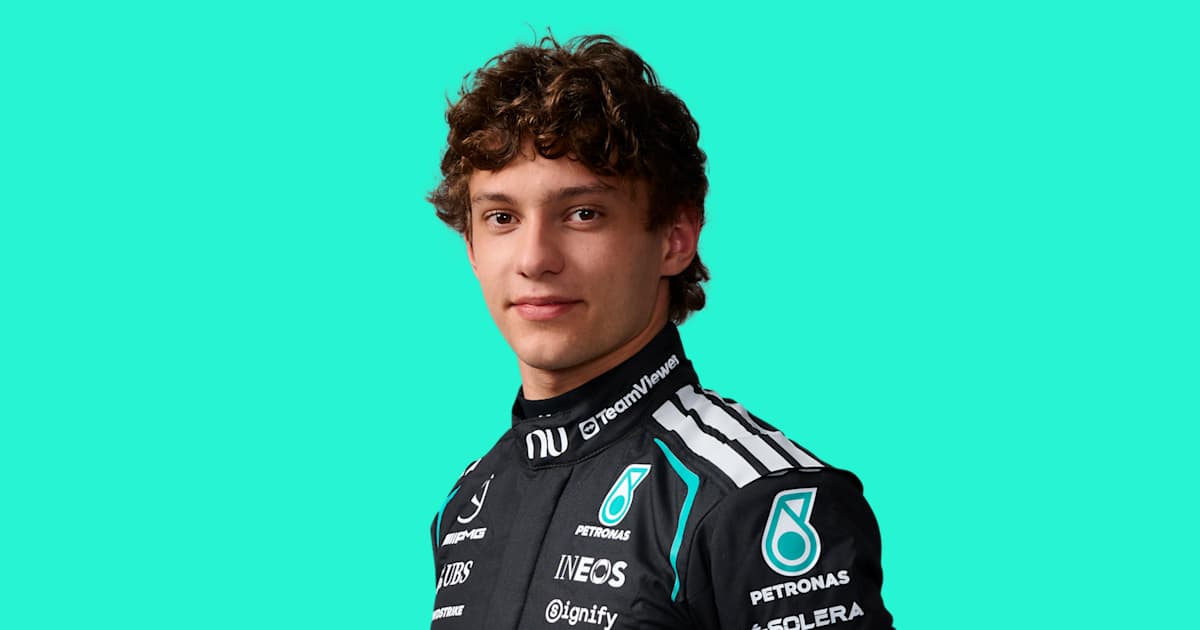
Saturday belonged to Antonelli, and it was not particularly close. The Mercedes driver took pole position with a 1:44.361, three tenths clear of Max Verstappen in second, a margin that counts as a demolition at a circuit as long as Spa. It was the kind of qualifying lap that sends a message: the championship leader was not in Belgium to manage his advantage. He was there to extend it.
Behind the front two, the grid had an intriguing look. The Ferraris of Leclerc and Lewis Hamilton were in the mix, George Russell lined up in the second Mercedes with hopes of building on his Silverstone home podium, and further back, Lando Norris could only manage 13th in a McLaren that had the pace for far better. At the very back, Isack Hadjar faced a recovery mission in the second Red Bull after a difficult weekend left him starting from the back of the grid.
Lap One: Contact at Les Combes
The race was barely a minute old when it produced its defining controversy. On the opening lap, Lewis Hamilton tagged George Russell at Les Combes, Turn 6, pitching the Mercedes into the gravel and out of the race on the spot. Just like that, one of the championship protagonists was gone, beached in the Ardennes gravel while the field streamed past.
The stewards did not take long to apportion blame. Hamilton was deemed at fault for the collision and handed a five-second penalty, which he served at his lap-21 pit stop. Ferrari was fined 30,000 euros in connection with the incident, and Hamilton faced a further investigation for a pitlane infringement after contact with a mechanic during the eventful afternoon. It was a miserable sequence for the seven-time champion, whose Ferrari move has produced brilliant highs and, on days like this, painful lows.
For Russell, the frustration must have been total. Two weeks after his first home podium at Silverstone had reignited his title ambitions, his Belgian Grand Prix lasted a matter of corners. Taken out by a rival, blameless, his championship deficit ballooning through no fault of his own. There is no dignified way to process a retirement like that. You climb out of the car, you walk back through the paddock trying not to look at anyone, and you start doing the mathematics of a title fight that just got significantly harder.
The incident also robbed the race of one of its most anticipated battles. Russell versus Antonelli, Mercedes versus Mercedes, the intra-team title fight that has defined the season, was over before it began. What remained was a different kind of test for the championship leader: winning a race without his closest rival on the road to measure himself against.
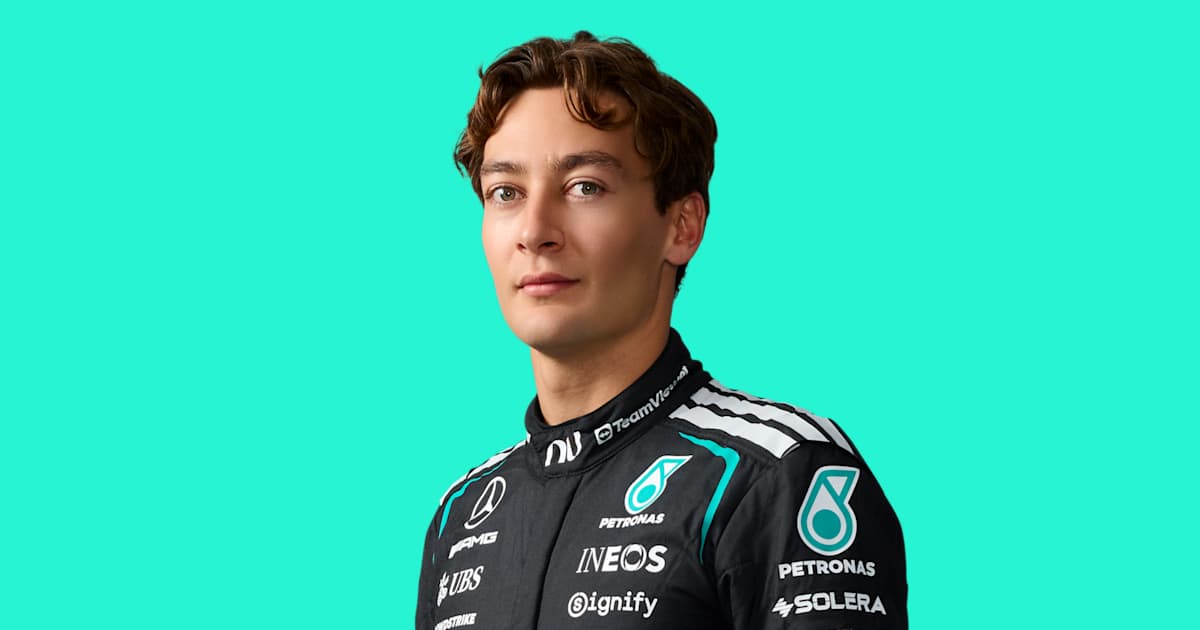
The VSC Shuffle: Leclerc Takes the Lead
For much of the opening stint, Antonelli controlled the race exactly as a pole sitter should. He had dealt with Verstappen's early aggression, settled into a rhythm, and looked like a driver cruising toward a comfortable win. Then the Virtual Safety Car intervened, and the afternoon turned on its head.
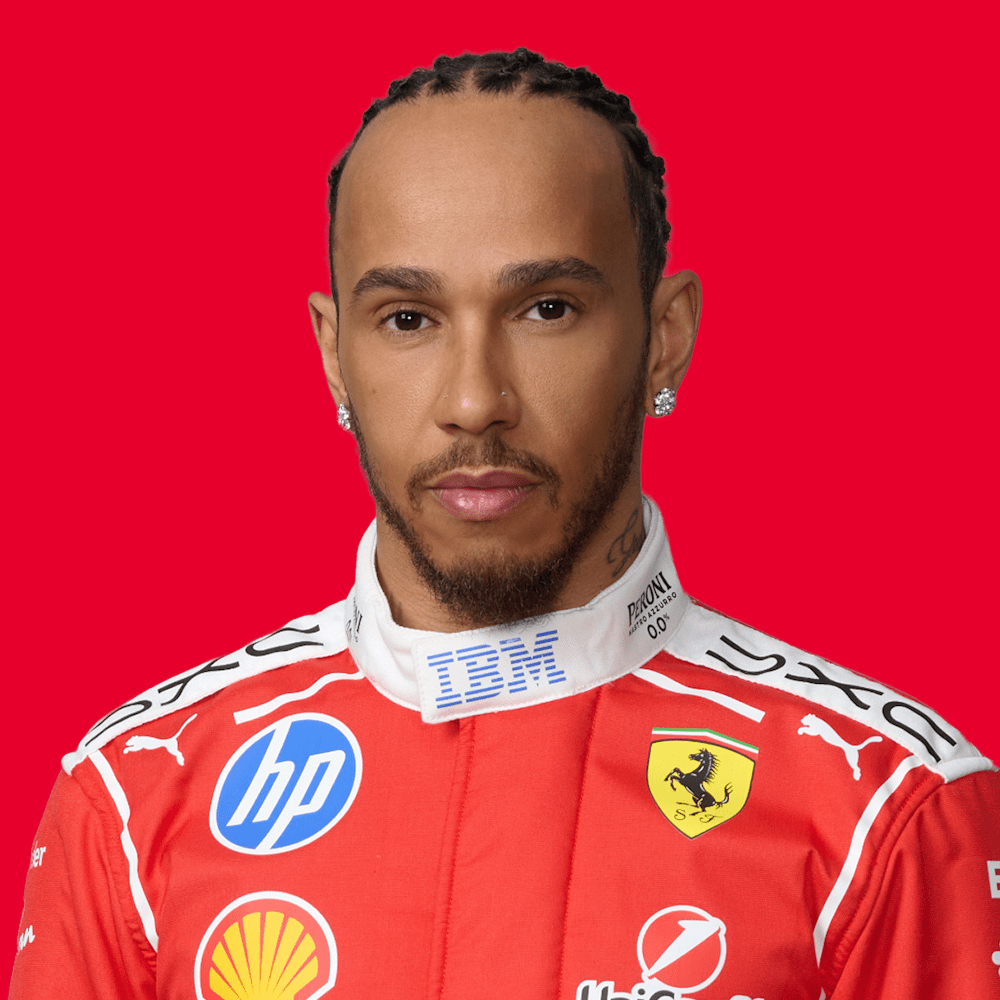
During the pit window, the VSC fell perfectly for Ferrari. Leclerc, perfectly positioned to take advantage, vaulted into the lead as the field shuffled through its stops, and suddenly the driver who had been chasing was the driver being chased. It was the kind of timing swing that decides championships: no fault, no error, just the racing gods smiling on one pit wall and frowning on another.
To his credit, Leclerc did not waste the gift. The Ferrari driver, fresh off his Silverstone victory and full of confidence, pushed hard in clean air and made Antonelli work for every tenth. This was the Leclerc at his best: smooth, committed, wringing the neck of the Ferrari through Spa's high-speed sweeps. For a few laps, it genuinely looked like Ferrari might steal this one.
But Antonelli had other ideas. The championship leader closed the gap with the cold precision that has become his trademark, and on lap 34 he re-passed Leclerc to retake the lead. It was the decisive moment of the race, executed without drama and without mercy. From there, Antonelli managed the gap with the maturity of a veteran, holding Leclerc at bay through the final stint as the Ferrari driver's challenge gradually faded.
The winning margin was about two seconds, though sources disagreed on the exact figure, though the raw number barely captures the tension of those final laps. Leclerc had the gap under two seconds at one stage and kept pushing until the flag, but Antonelli never put a wheel wrong. When the pressure came, the 19-year-old answered it. That is what championship leaders do.
"It's great to be back on the top step after a few difficult rounds, and it was a hard-fought race," Antonelli said afterward. "We lost the first-place with the virtual safety car, but we made our way back."
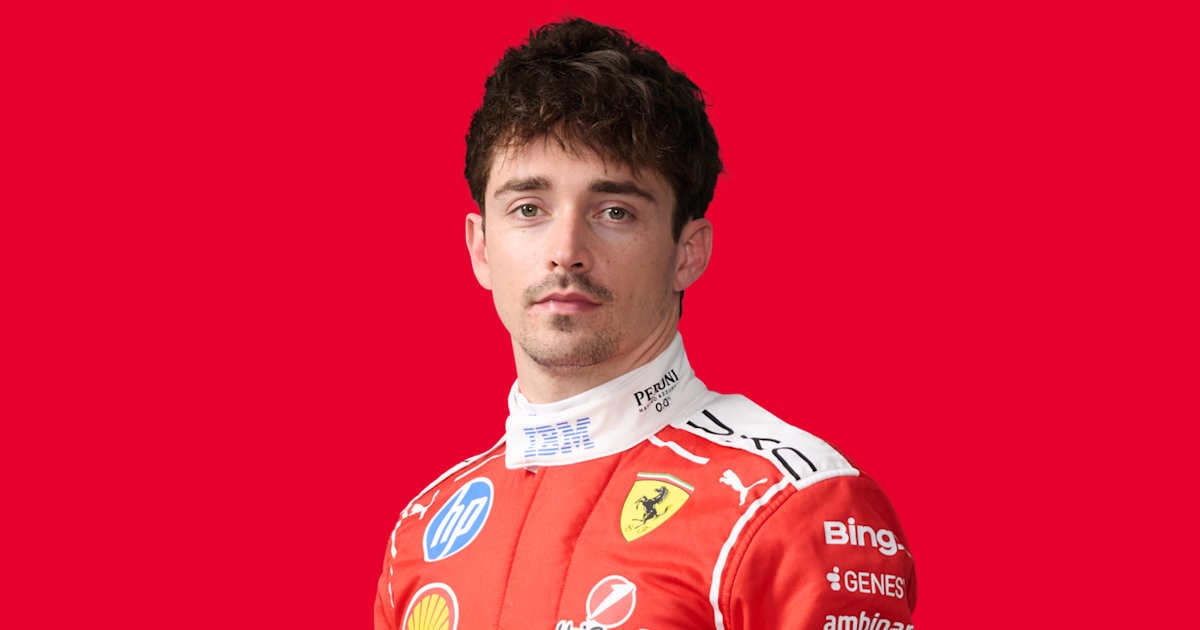
Max's Lunge and a Lonely Third
Max Verstappen's afternoon began with fireworks and ended in solitude. The Red Bull driver produced the opening lap's other flashpoint with an early lunge at Eau Rouge, a classic Verstappen move, all commitment and aggression at the most intimidating corner on the calendar. It was the kind of moment that gets replayed for years: flat out, uphill, wheel to wheel, with the championship leader for company.
Ultimately, though, the lunge did not translate into a sustained challenge. As the race settled, Verstappen found himself in the lonely territory of third place: too far behind the Antonelli-Leclerc fight to influence it, too far ahead of the rest to be troubled. He drove a clean, professional race to the podium, his second podium in three races, and banked another strong haul of points in a season that has been steadily improving for Red Bull.
There is a particular skill to a lonely podium drive, and it is underrated. With nothing to fight for and everything to lose, the temptation is to switch off, to let the lap times drift, to start thinking about the next race. Verstappen did none of that. He kept pushing, kept the gap to the leaders respectable, and made sure that if anything happened ahead of him, he would be there to capitalize. It did not happen this time. But the readiness matters, and it is why he remains one of the most dangerous drivers on the grid even in a season where he is not the favorite.
For Red Bull, the bigger story might have been happening further back, where the second car was producing the drive of the day.
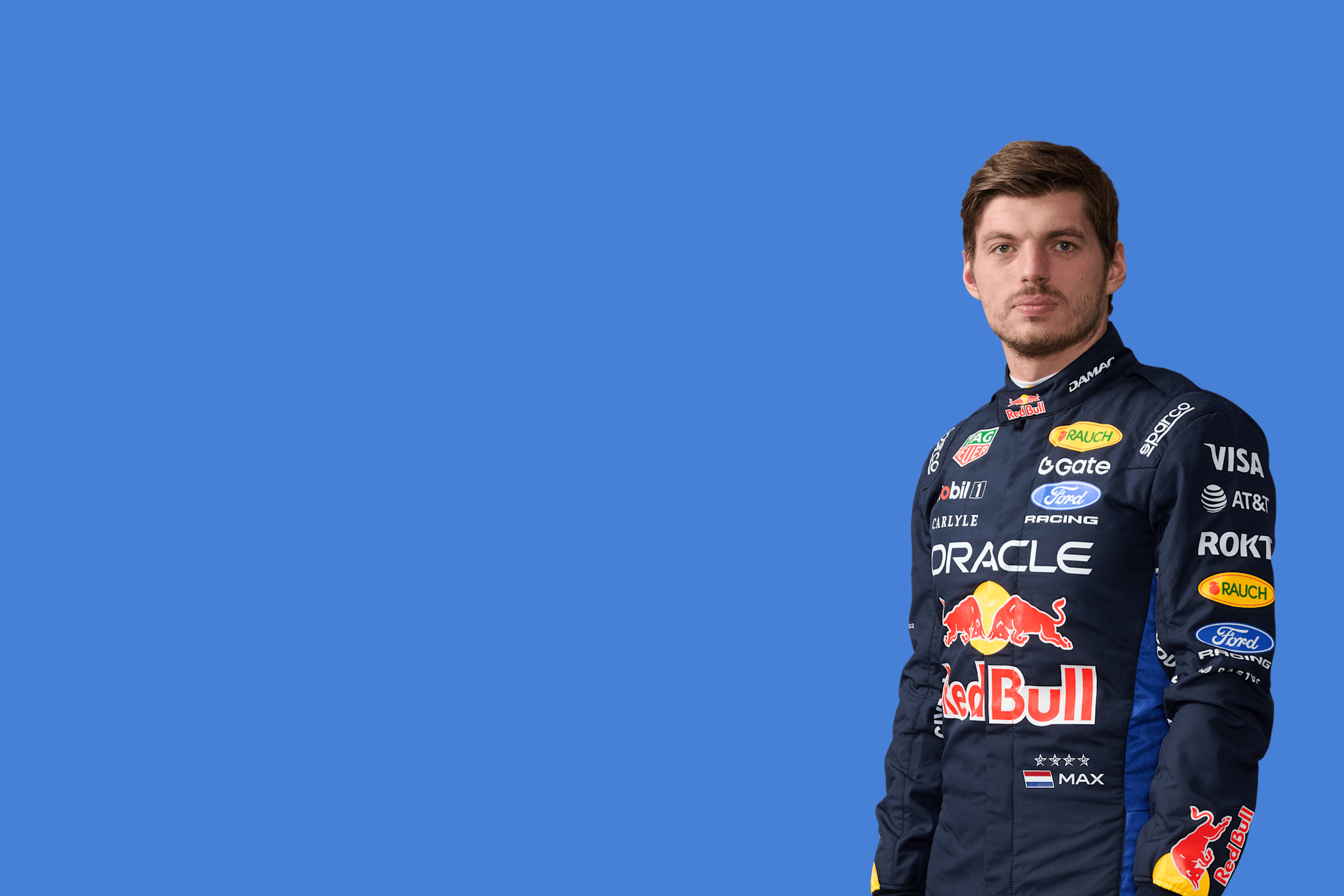
Hadjar's Charge from the Back
If you are looking for the feel-good story of the Belgian Grand Prix, look no further than Isack Hadjar. Starting from the back of the grid in the second Red Bull, the young Frenchman produced a stunning recovery drive to finish sixth, carving through the field with a blend of aggression and intelligence that marked him as one of the day's standout performers.
Recovery drives are among the most entertaining things in Formula 1, and Hadjar's had everything: decisive overtakes, smart tire management, and the kind of relentless forward progress that gets the whole pit lane talking. To climb from last to sixth at Spa, a circuit where track position is precious and overtaking requires real commitment, is a serious achievement. It was the drive of a driver making a statement about his future.
For Red Bull, it was also a timely reminder of the strength in depth of their driver program. With Verstappen delivering another podium and Hadjar charging through the field, the team had both cars in the points and plenty of reasons for optimism. In a constructors' battle where every point matters, a back-of-the-grid to P6 recovery is worth its weight in gold.
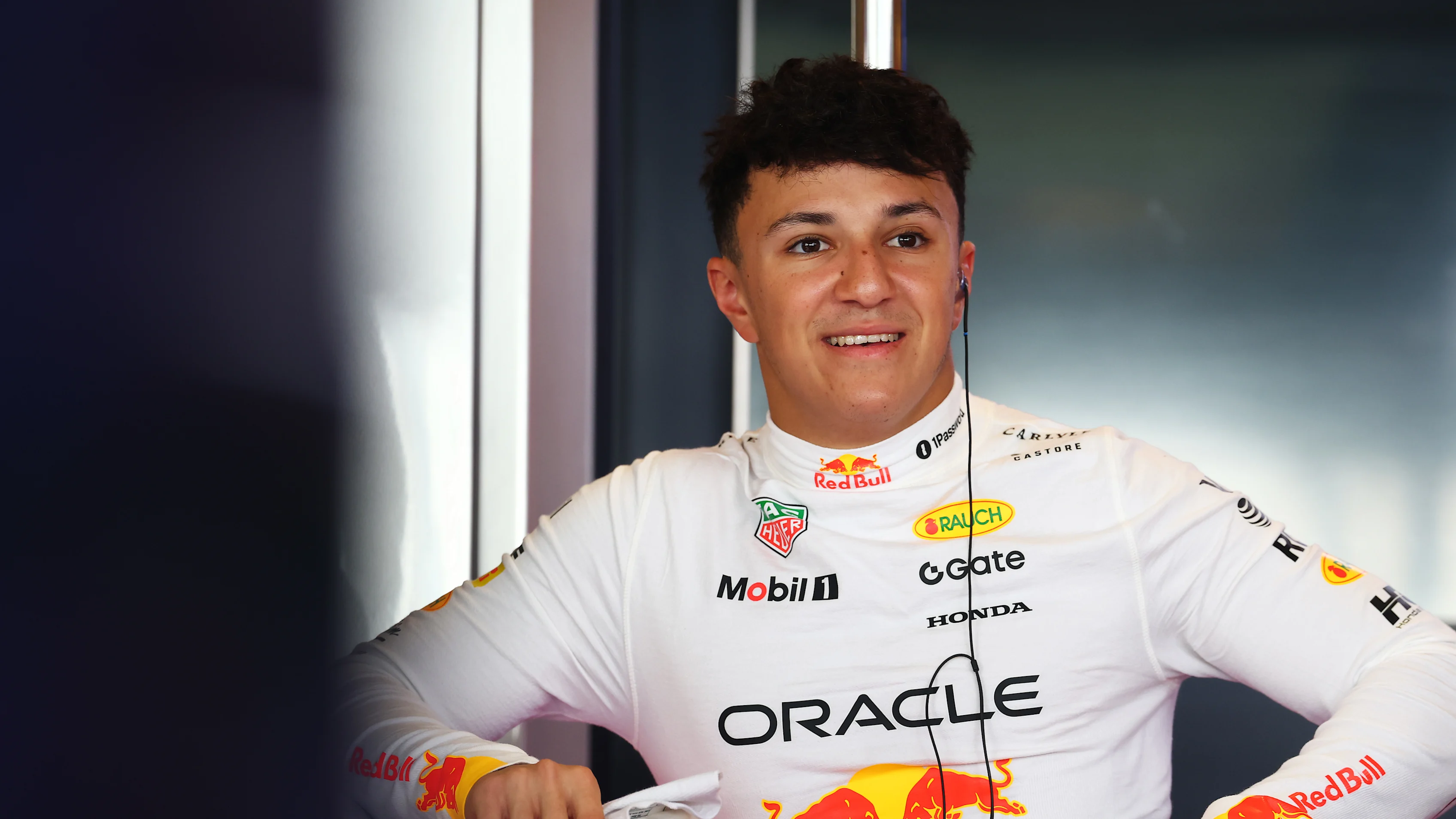
McLaren's Strategy What-If
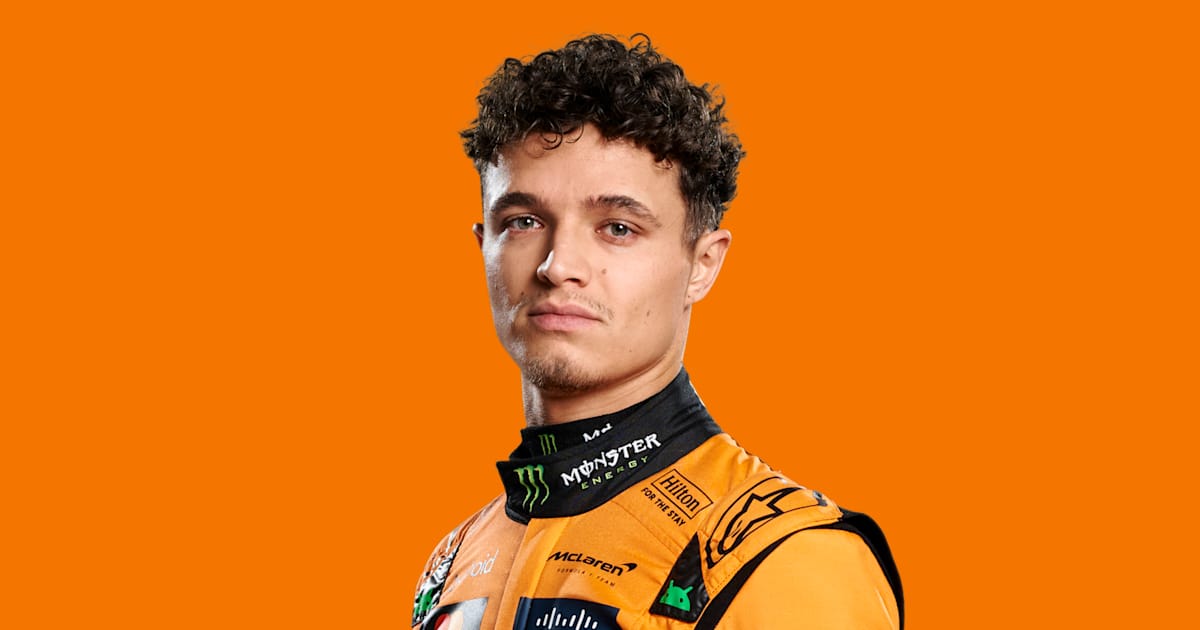
The most frustrating afternoon in the Ardennes belonged to McLaren, and specifically to Lando Norris. The defending champion started down in 13th after a difficult qualifying, but his race pace told a completely different story. On fuel-corrected numbers, Norris had the fastest race pace of anyone in the field, quicker than the race winner, quicker than the Ferraris, quicker than everyone.
And yet he finished seventh.
The gap between pace and result came down to strategy, and McLaren held their hands up. The team principal admitted after the race that the strategy call was wrong, a refreshingly honest assessment in a sport where teams usually hide behind data and euphemisms. Starting 13th with the fastest car in race trim should be a recipe for a podium charge. Instead, a series of decisions that looked questionable in real time and worse in hindsight left Norris mired in the midfield, fighting for scraps.
There was one small consolation: the fastest lap of the race. Norris set it from deep in the pack, a final flourish that proved the underlying pace was real and only made the strategic failure more painful. Fastest lap points are nice. They are not podiums.
For Norris, the defending champion watching his title defense slip further away, afternoons like this are agonizing. The speed is there. The car, on Sundays at least, is there. But championships are won by teams as much as drivers, and on this Sunday, the team let him down. The admission of fault is admirable. It does not recover the lost points.
The Title Picture Now
When the mathematics settled after Spa, the championship had a clear and growing favorite. Antonelli's victory, combined with Russell's opening-lap retirement, stretched the championship lead to about 45 points, though some sources put the figure at 50. Either way, the direction of travel is unmistakable, and it is toward the young Italian.
Consider what that means. A lead of about 45 points is not just a cushion; it is a psychological weapon. Every rival now knows that beating Antonelli requires not just winning races but winning them while he falters, and he is not in the habit of faltering. His sixth win of the season, his maiden victory at Spa, his pole-to-win weekend; the championship leader is not managing his advantage. He is attacking with it.
For Russell, the mathematics are suddenly daunting. The Silverstone home podium feels like a long time ago now, replaced by the gravel trap at Les Combes and a deficit that grows heavier with every Antonelli victory. He remains a world-class driver in a world-class car, and the season is far from over. But the margin for error has shrunk to almost nothing, and he knows it.
Behind the top two, Leclerc's second place keeps Ferrari firmly in the hunt, and Verstappen's consistent podium-scoring keeps Red Bull relevant. But the story of the 2026 season is increasingly the story of one driver pulling away from the field, one composed, ruthless, metronomic weekend at a time. Spa was supposed to be a test. Antonelli passed it with distinction.
The Moments We Will Keep
Results fade and standings get updated, but some Sundays stay with you. Long after the points are forgotten, what lingers is the feeling: the gasp from the grandstands when Hamilton and Russell tangled at Les Combes, the roar when Antonelli re-passed Leclerc on lap 34, the strange sight of a championship leader winning a race twice in one afternoon.
The re-pass
Lap 34. That is the lap this race will be remembered for. Leclerc had led through the VSC shuffle, had pushed, had made Antonelli work. And then the Mercedes appeared in his mirrors, closer, closer, and then alongside, and then gone. No drama, no contact, no controversy. Just the inevitable reassertion of the faster combination on the day. It was the move of a champion.
The what-if
Every race has one, and Spa's belonged to McLaren. What if Norris had started 13th with the right strategy? What if the fastest car in race trim had been allowed to show it? We will never know, and that is what makes it sting. The fastest lap was a reminder, not a consolation.
The statement
In the end, this was a statement win. Pole position, fastest when it mattered, a mid-race setback overcome without panic, a charging Ferrari held at bay. Antonelli is 19 years old, and he is driving like he has been doing this for 19 years. The paddock is running out of superlatives, and the championship is running out of reasons to doubt him.
What Comes Next
The paddock does not rest, and neither does the championship fight. Formula 1 moves on to the next chapter of this extraordinary season, with Antonelli holding a commanding advantage and a chasing pack that knows time is running out. Russell will be desperate to respond after the Spa heartbreak. Leclerc will take confidence from pushing the leader all the way. Verstappen will keep banking podiums and waiting for his moment. And McLaren will be working overtime to make sure another strategy error does not waste another weekend of genuine pace.
If Spa taught us anything, it is that this championship is Antonelli's to lose, and that he has no intention of losing it. See you at the next one.
FAQ
Who won the 2026 Belgian Grand Prix?
Kimi Antonelli won the Belgian Grand Prix at Spa-Francorchamps on July 19, 2026, driving for Mercedes. It was his sixth win of the season, his maiden victory at Spa, and a pole-to-win performance. Charles Leclerc finished second for Ferrari and Max Verstappen third for Red Bull.
What happened between Hamilton and Russell at Spa?
On the opening lap, Lewis Hamilton tagged George Russell at Les Combes (Turn 6), putting Russell in the gravel and out of the race. Hamilton was deemed at fault and given a five-second penalty, served at his lap-21 pit stop. Ferrari was fined 30,000 euros, and Hamilton was also investigated for a pitlane infringement after contact with a mechanic.
How did Leclerc briefly take the lead?
A Virtual Safety Car during the pit window fell perfectly for Ferrari, allowing Charles Leclerc to vault into the lead. He held it through the middle of the race and got the gap under two seconds in the final stint, but Antonelli re-passed him on lap 34 and won by about two seconds.
What is the championship situation after the Belgian GP?
Antonelli's win, combined with Russell's retirement, stretched his championship lead to about 45 points over his Mercedes teammate, though some sources put the gap at 50. With the season entering its second half, Antonelli is the clear favorite.
A Note on Sources
Race results, qualifying times, the pole margin, lap-one incident details, penalties, fines, pit stop timing, the lap-34 re-pass, finishing positions, and driver quotes in this recap were cross-checked against Formula1.com's official race reporting and coverage from PlanetF1, The Race, and Reuters. The winning margin is reported as "about two seconds" and the championship lead as "about 45 points" because sources disagree on the exact figures. A quote attributed to Toto Wolff regarding Russell's weekend was omitted because the attribution could not be cleanly verified.