
By Paulina Phan, Senior Editorial Contributor | July 13, 2026
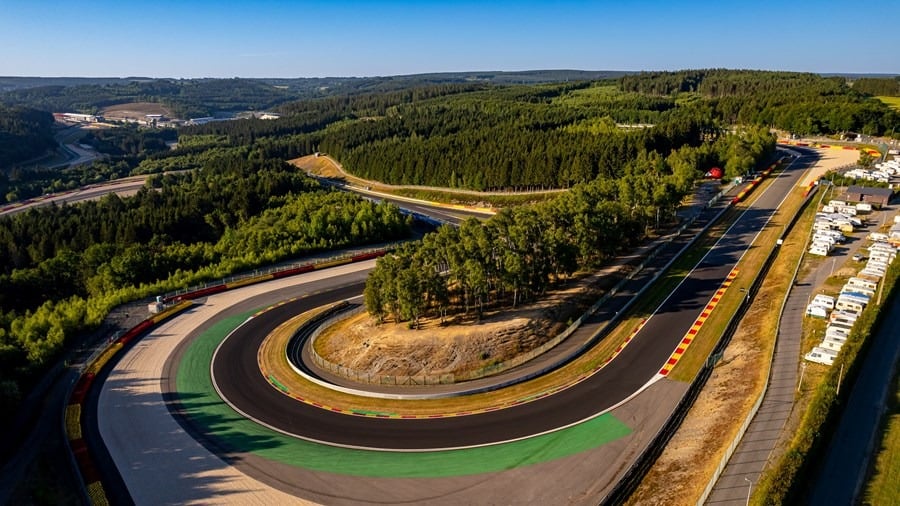
There is a corner in Belgium that does not care about your budget, your simulator, or your software updates. It is called Eau Rouge, and for the better part of a century it has asked racing drivers one simple question: how brave are you, really? On Sunday, July 19, when the Belgian Grand Prix rolls into Spa-Francorchamps, that question comes with a complicated new addendum. How brave are you, and how much electrical energy do you have left in the tank?
Welcome to the strangest, loudest, most fascinating argument in Formula 1 right now. The 2026 regulations have split the paddock, the grandstands, and probably your group chat. Some people love the new energy-deployment racing. Many people, including some of the drivers risking their lives in it, do not. And now the whole circus is heading to the one circuit guaranteed to expose everything: the longest, fastest, most gloriously old-school track on the calendar, where straight-line speed and raw courage have always been the currency that matters.
Spa is not just another race. It is the final exam. And everybody, from the championship leader to the angriest critic in the paddock, knows it.
The New Rules Face Their Hardest Examination
Let us start with what makes the 2026 rules so different, and why Spa is where they will be judged most harshly. The new generation of cars leans heavily on electrical energy deployment, which means races are no longer just about who has the fastest car in the corners. They are about who manages their battery smartest, who gets the biggest boost at the right moment, and who is left with nothing when it matters most.
That creates something Formula 1 has never quite seen before: dramatic straight-line speed differences between cars running on full boost and cars that have run dry. One moment a driver is flying, the next he is a sitting duck on the Kemmel Straight, watching a rival sail past with a shove of electrical power he simply does not have. It is racing, technically. But is it racing the way the purists want it? That is the debate consuming the paddock right now, and the word that keeps coming up is "artificial."
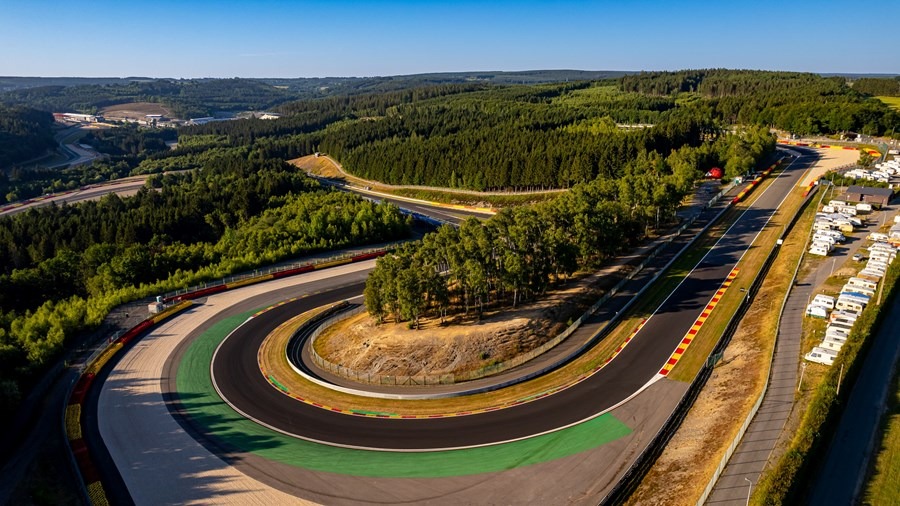
At most circuits, this plays out in a relatively contained way. Corners bunch the field up, braking zones create natural passing opportunities, and clever deployment can paper over a multitude of sins. Spa does not offer those hiding places. This is a 7.004-kilometer monster carved through the Ardennes forest, a place where the throttle is pinned for enormous stretches and where the difference between bravery and recklessness has always been measured in fractions of a second. When the boost runs out here, there is nowhere to hide. The whole world can see it, at 300 kilometers per hour, uphill, in the rain if the Ardennes weather feels like making a point.
That is why everyone is watching this weekend with unusual intensity. If the 2026 rules can produce great racing at Spa, the critics will have to quiet down. If they cannot, the backlash that has been simmering all season might finally boil over.
The Opening Lap That Said Everything
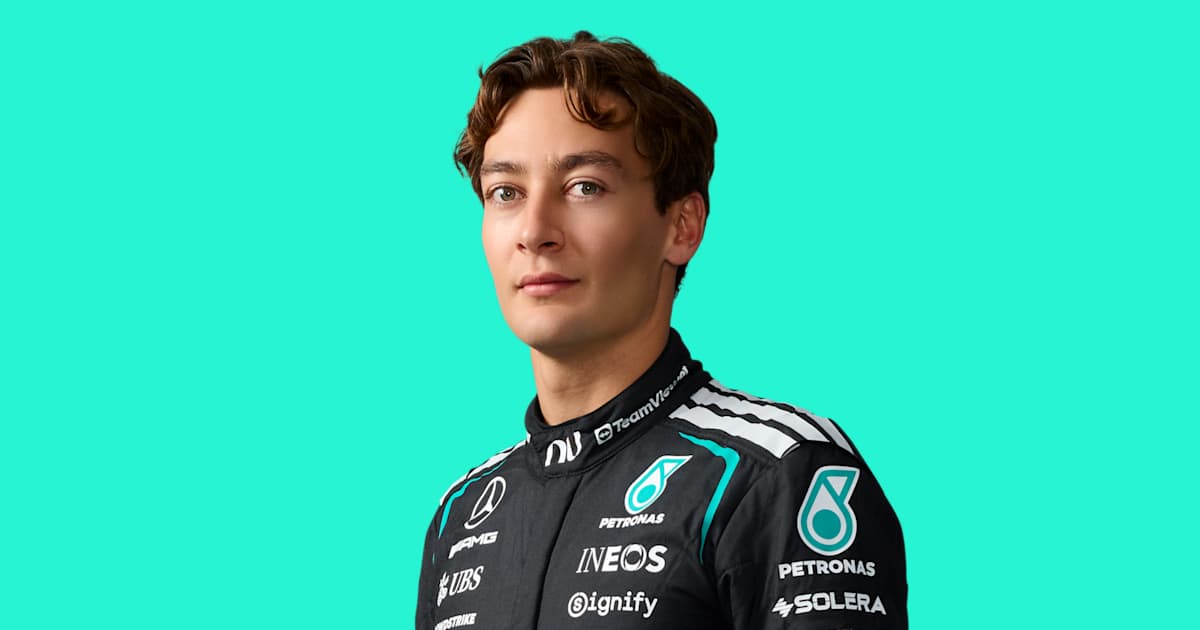
Sometimes a single moment tells you more than a season of data. According to reporting by PlanetF1, George Russell was memorably left with a lack of power on the opening lap at Spa under the new rules, a helpless feeling for a driver in a top car at one of the fastest circuits in the world.
Read that again and let it sink in. A Mercedes driver, on the opening lap, at Spa, with no power to deploy. This is not a backmarker nursing an old engine. This is one of the best drivers in the world, in one of the best cars in the world, finding himself effectively defenseless because the energy equation did not add up.
PlanetF1's reporting of the incident has become something of a touchstone in the paddock debate, the kind of story drivers bring up in briefings and journalists bring up in press conferences. It is the nightmare scenario made real: doing everything right as a driver and being undone by an energy budget. Russell, to his credit, has handled the season's frustrations with remarkable composure in public. But the image of a Mercedes crawling out of La Source with nothing in reserve has stuck in the collective memory, and it will be hanging over this weekend like the famous Ardennes mist.
Because here is the thing about Spa. At a normal circuit, an opening-lap energy shortfall is an embarrassment. At Spa, with Eau Rouge looming at the end of the pit straight on lap after lap, it is something closer to a safety conversation. Taking that uphill left-right flick flat out requires commitment; taking it flat out while knowing the car behind you has a full battery and you do not requires a different kind of courage entirely.
The Backlash: "How Were These Ever Approved?"
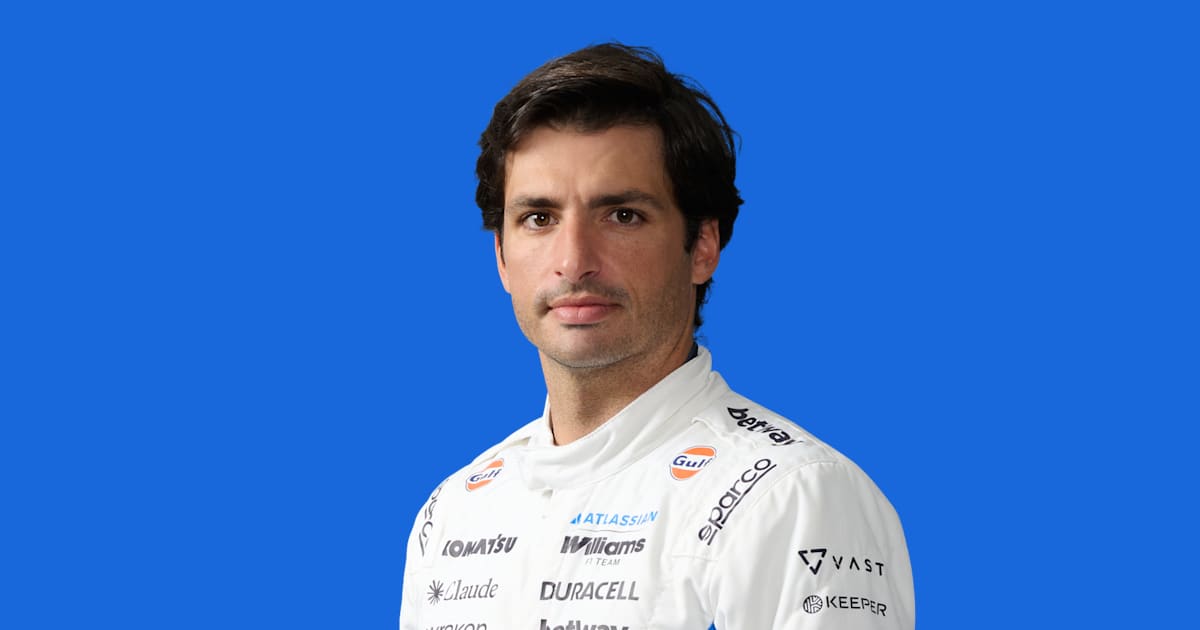
If you want to understand the mood in the paddock, listen to Carlos Sainz. The Spaniard has been among the most outspoken critics of the 2026 regulations, questioning how the rules were ever approved in the first place. He is not alone. Up and down the pit lane, drivers have been voicing variations of the same complaint all season: the straight-line speed differences under boost feel wrong, the racing feels artificial, and the sport they fell in love with is being replaced by an energy-management exercise.
It is worth pausing on that word, "artificial," because it has become the defining term of the 2026 debate. The criticism goes like this: when one car blasts past another on the Kemmel Straight not because the driver did something brilliant but because his battery happened to be fuller, that is not overtaking. It is accounting. The defender cannot fight back, the attacker did not earn it with skill, and the fans in the grandstands are left watching a pass that feels hollow.
The counterargument, and it is a fair one, is that Formula 1 has always been about managing something. Fuel, tires, engines, temperatures; the great drivers have always been the ones who could go fast while managing a constraint. The new rules just make the constraint more visible, more dramatic, and more decisive. Supporters of the regulations argue that energy management is a genuine skill, that the best drivers will master it, and that the racing will improve as teams and drivers get more experience with the formula.
Maybe. But the grumbling has not gone away, and Spa is where it could get loudest. There is a particular frustration among the drivers about circuits where bravery used to be the differentiator. Eau Rouge was never supposed to be about who saved more battery on the previous lap. It was supposed to be about who had the nerve to keep their foot down. When drivers like Sainz question the approval process itself, they are really asking whether the sport's rulemakers understood what they were taking away from places like this.
The irony is that the people who approved these rules were trying to make racing better: closer, more unpredictable, more strategic. At some circuits, they have a point. The racing this season has produced genuine thrillers. But the paddock backlash persists because the drivers feel, deep in their bones, that something essential has been traded away. Spa, of all places, is where that feeling becomes impossible to ignore.
Why Spa Punishes This Formula Like Nowhere Else
To understand why this weekend matters so much, you need to understand what Spa asks of a racing car. This is not a circuit of fiddly little corners and DRS trains. It is a rollercoaster through the forest, 7.004 kilometers of high-speed commitment, where the lap record reads like a love letter to velocity.
Start with Eau Rouge and Raidillon, the most famous sequence in motorsport. The cars plunge downhill from La Source, then fire uphill through a left-right flick taken flat out at enormous speed, the drivers' bodies compressed by forces that would make most of us black out. In the old days, lifting through Eau Rouge was the mark of a driver who did not quite belong. Now imagine doing it while managing an energy budget, while knowing that a rival with more deployment is about to eat you alive on the run to Les Combes. The bravery is still there, but it is bravery with an asterisk, and the drivers know it.
Then there is Blanchimont, the flat-out left-hander that has ended more than a few races and nearly ended more than a few careers. Blanchimont is where the 2026 cars face their other great examination: sustained high-speed running where energy deployment strategy meets raw aerodynamic grip. Get it right and it is the most exhilarating corner in the sport. Get it wrong, or run out of electrical assistance at the wrong moment, and the Ardennes forest is not a forgiving place to make a mistake.
And connecting it all is the Kemmel Straight, the long uphill blast where the new rules' straight-line speed differences will be on full, glorious, controversial display. This is where the boost-rich will devour the boost-poor, where the "artificial" debate will play out in real time at 330 kilometers per hour. If you want to see the 2026 regulations in their purest form, good and bad, watch the Kemmel Straight on Sunday. It will tell you everything.
There is also the weather, because it is Spa and the weather is practically a driver on the entry list. The Ardennes microclimate can deliver sunshine, downpour, and hail in the space of a single lap, sometimes on different parts of the circuit simultaneously. The 2026 cars have already shown they behave strangely at the limit of their energy systems; add a wet track to that equation and Sunday could become genuinely unpredictable. The teams hate it. The fans love it. The drivers pretend to hate it and secretly love it too.
Racing for Anthoine: The Weekend's Beating Heart
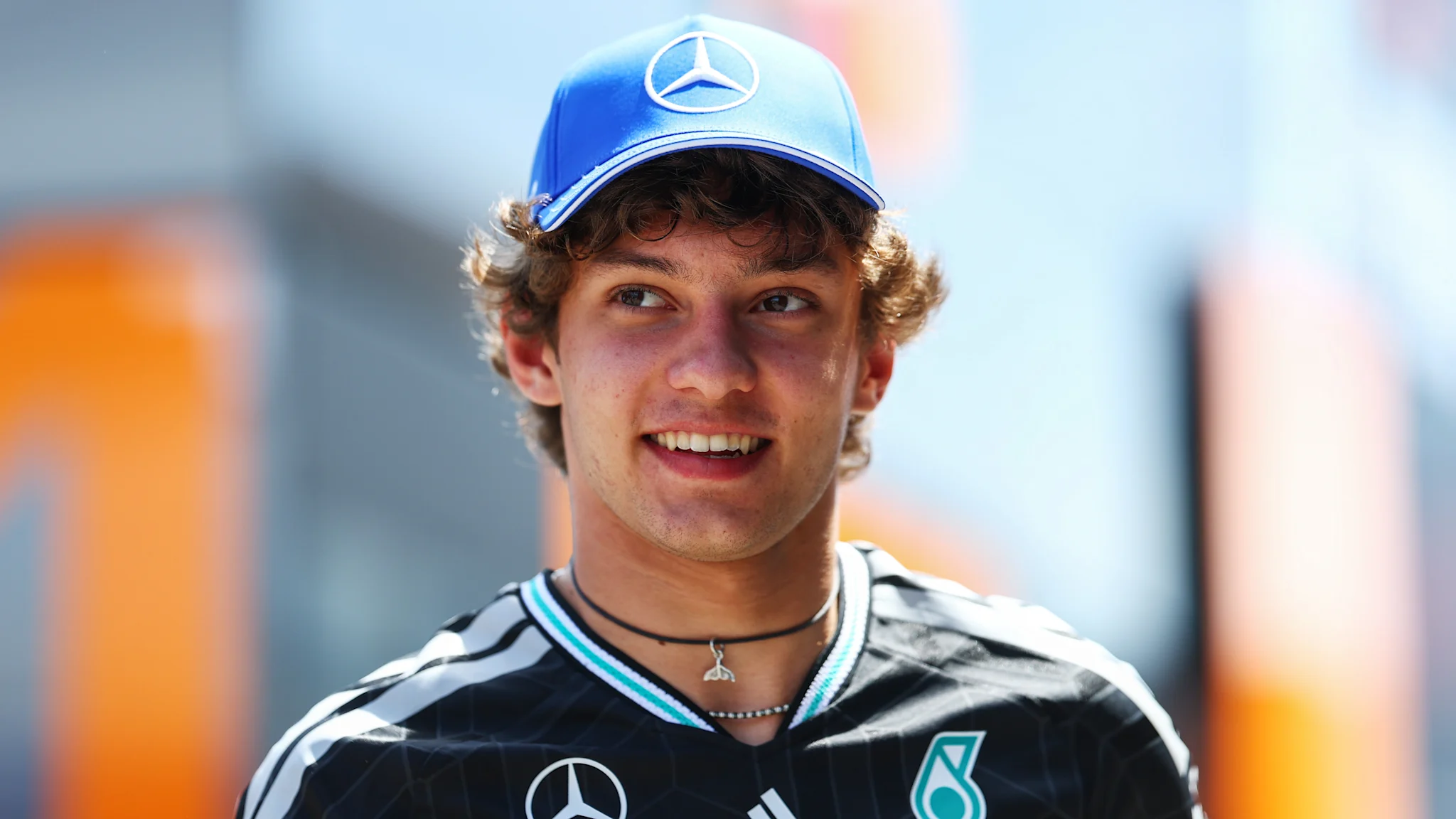
For all the technical arguments and championship mathematics, the Belgian Grand Prix weekend has a soul, and it beats strongest on the Thursday and Friday before the racing begins. Every year at Spa, the paddock comes together for the "Racing for Anthoine" tribute, remembering Anthoine Hubert and Dilano van 't Hoff, two young drivers whose lives were cut short at this circuit and whose memory is honored with a grace that transcends team rivalries.
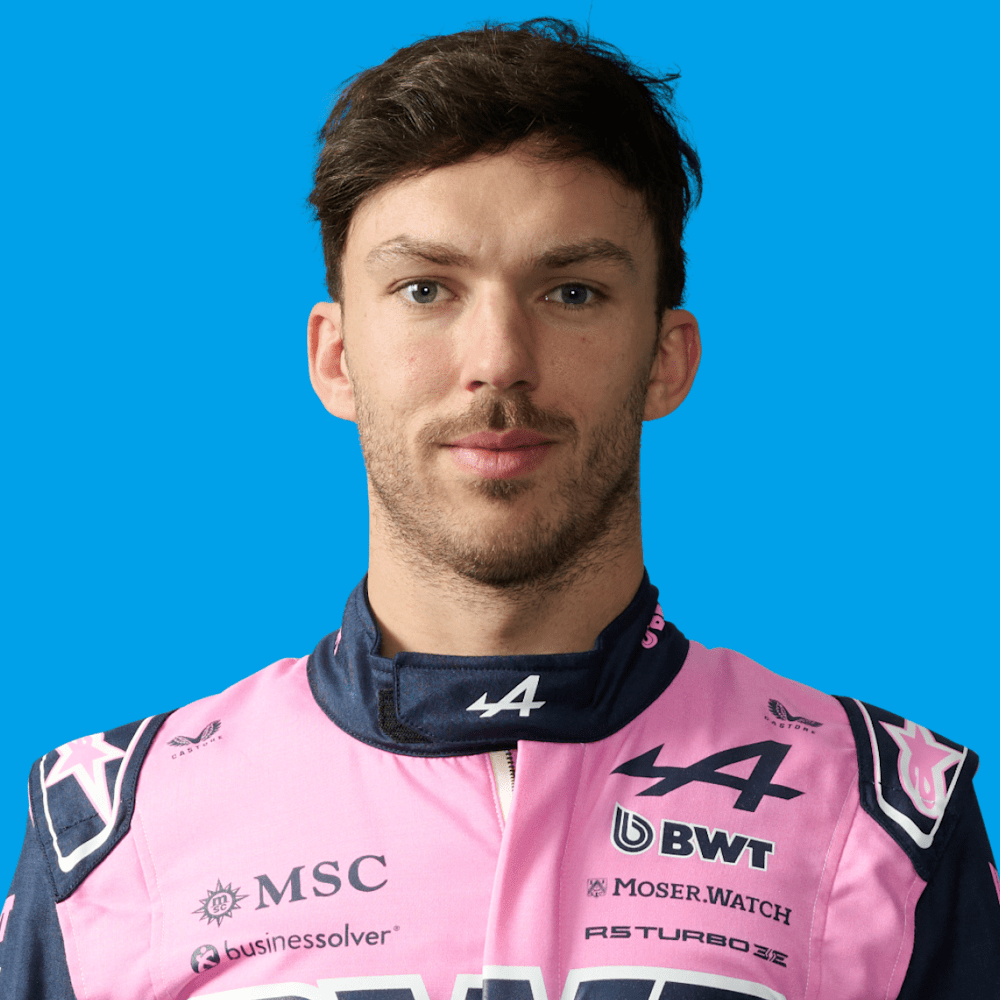
Pierre Gasly has been the heart of these commemorations. A close friend of Hubert's, the Frenchman lays flowers at the top of Raidillon, at the scene of the accident that took his friend, and then leads the paddock on a run around the circuit in his memory. Drivers, engineers, mechanics, hospitality staff; the whole traveling circus sets aside its competitive instincts and runs together, lap after lap, for Anthoine and for Dilano.
There is something profoundly moving about watching the most competitive people on earth do something with no winner and no trophy. The run is not a race. Nobody is timing it. It is just the paddock, together, remembering two of their own on the stretch of asphalt where the sport's danger stopped being theoretical. Gasly, who has carried this torch with such dignity year after year, has said that Hubert's memory pushes him to keep going, to keep racing, to keep honoring his friend by living the dream they shared.
If you are new to Formula 1 and wondering whether this sport has a heart beneath the carbon fiber and the corporate hospitality, watch for the flowers at Raidillon this weekend. Watch for the running shoes in the paddock. That is your answer.
The Championship Picture Rolling Into the Ardennes
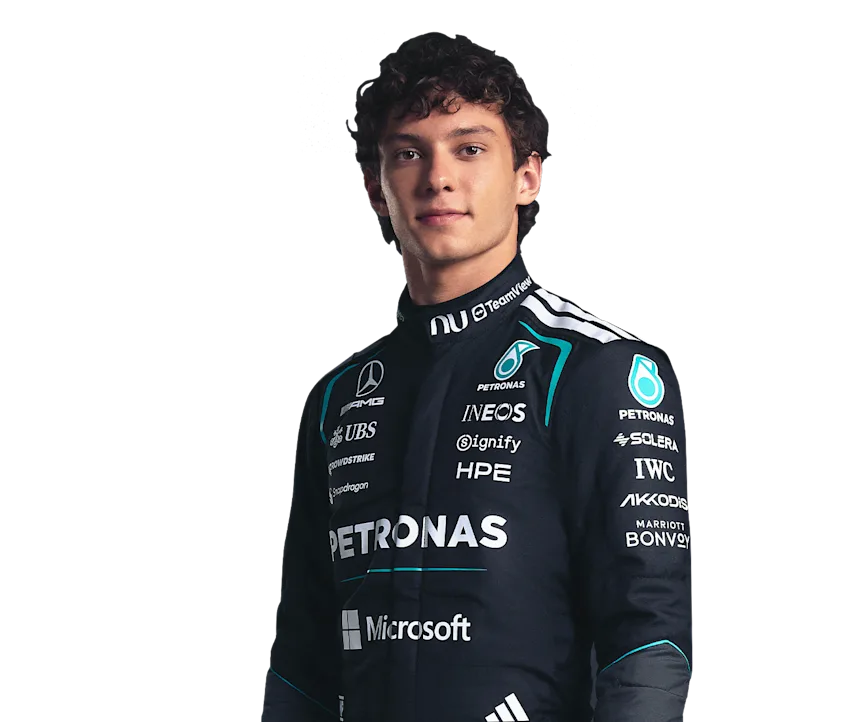
Of course, there is also a title fight to think about, and it is shaping up beautifully. Kimi Antonelli arrives at Spa leading the championship, the young Italian having established himself as the man to beat in this new era. His season has been a masterclass in adapting to the 2026 regulations, the kind of campaign that turns prodigies into champions.
Behind him, the storylines are delicious. Charles Leclerc won at Silverstone last time out, a victory that reminded everyone that Ferrari remains a genuine threat when everything comes together. And George Russell finally stood on the podium at his home race, his first home podium at Silverstone, a moment of pure emotion for the British driver and a result that reignited his championship ambitions.
So the top of the standings has a fascinating dynamic heading into Belgium: the young leader in Antonelli, the resurgent Leclerc with momentum from Silverstone, and Russell with the taste of a home podium still fresh and a point to prove about those energy-deployment gremlins. Add in the usual suspects, Verstappen lurking, Hamilton finding his feet at Ferrari, the McLarens of Norris and Piastri capable of anything on their day, and you have the makings of a classic.
Spa has a habit of delivering defining championship moments. The long season still has many chapters to write, but the Belgian Grand Prix, round after round, has a way of revealing who is real and who is not. By Sunday evening, we will know a lot more about all three of the leading contenders.
What to Watch on Sunday
If you are settling in for the Belgian Grand Prix on July 19, here is your viewing guide to the storylines that matter.
Watch the starts, because the opening lap energy deployment has already produced one memorable embarrassment this season and nobody wants to be the next example. Watch Eau Rouge on the first lap especially, when twenty cars arrive with different energy strategies and varying levels of bravery.
Watch the grandstands too, because Spa in July is a fashion show disguised as a motorsport event. The Belgian crowd does summer glamour better than almost anyone in Europe, all linen and sunglasses and questionable decisions about heels on grassy banks, and the paddock responds in kind. The drivers' Thursday media day outfits have become appointment viewing in their own right, and Hamilton's arrival looks remain the week's most reliable entertainment.
Watch the Kemmel Straight battles, because that is where the 2026 rules will be most visible and most debated. Every overtake there will restart the "artificial" argument in real time.
Watch Leclerc, because Silverstone winners carry momentum and Ferrari has been quick when it matters. Watch Russell, because a driver with something to prove at Spa is always dangerous. And watch Antonelli, because championship leaders who keep winning start to look inevitable, and inevitability is the most intimidating thing in sports.
And when the engines fall silent, watch for the flowers at Raidillon. Some weekends are about more than points.
FAQ
When is the 2026 Belgian Grand Prix?
The Belgian Grand Prix takes place on Sunday, July 19, 2026, at the Circuit de Spa-Francorchamps in Stavelot, Belgium. It is one of the most historic races on the Formula 1 calendar, held at the longest circuit in the sport.
What is the controversy around the 2026 F1 regulations?
The 2026 rules introduced heavy reliance on electrical energy deployment, creating large straight-line speed differences between cars with full boost and those running low on energy. Drivers including Carlos Sainz have questioned how the rules were approved, and critics describe the resulting overtakes as "artificial" because they depend on battery levels rather than driver skill.
Why is Spa considered the ultimate test of the new rules?
Spa-Francorchamps rewards straight-line speed and bravery more than any other circuit, with flat-out sections like Eau Rouge, Raidillon, and Blanchimont plus the long Kemmel Straight. There is nowhere to hide an energy shortfall at 300 kilometers per hour, so the circuit exposes the strengths and weaknesses of energy-deployment racing like nowhere else.
What is the Racing for Anthoine tribute?
Each year at Spa, the paddock honors the memory of Anthoine Hubert and Dilano van 't Hoff, two young drivers who lost their lives at the circuit. Pierre Gasly, a close friend of Hubert's, lays flowers at the top of Raidillon and leads drivers, engineers, and staff on a memorial run around the track.
A Note on Sources
Championship context, the Belgian Grand Prix date, and circuit details in this preview were cross-checked against Formula1.com. The account of George Russell's power loss on the opening lap at Spa is attributed to PlanetF1's reporting. Driver criticism of the 2026 regulations, including Carlos Sainz questioning the approval process, reflects widely reported paddock commentary. Details of the Racing for Anthoine tribute reflect the annual commemoration led by Pierre Gasly in memory of Anthoine Hubert and Dilano van 't Hoff.