
By Paulina Phan, Senior Editorial Contributor | March 9, 2026
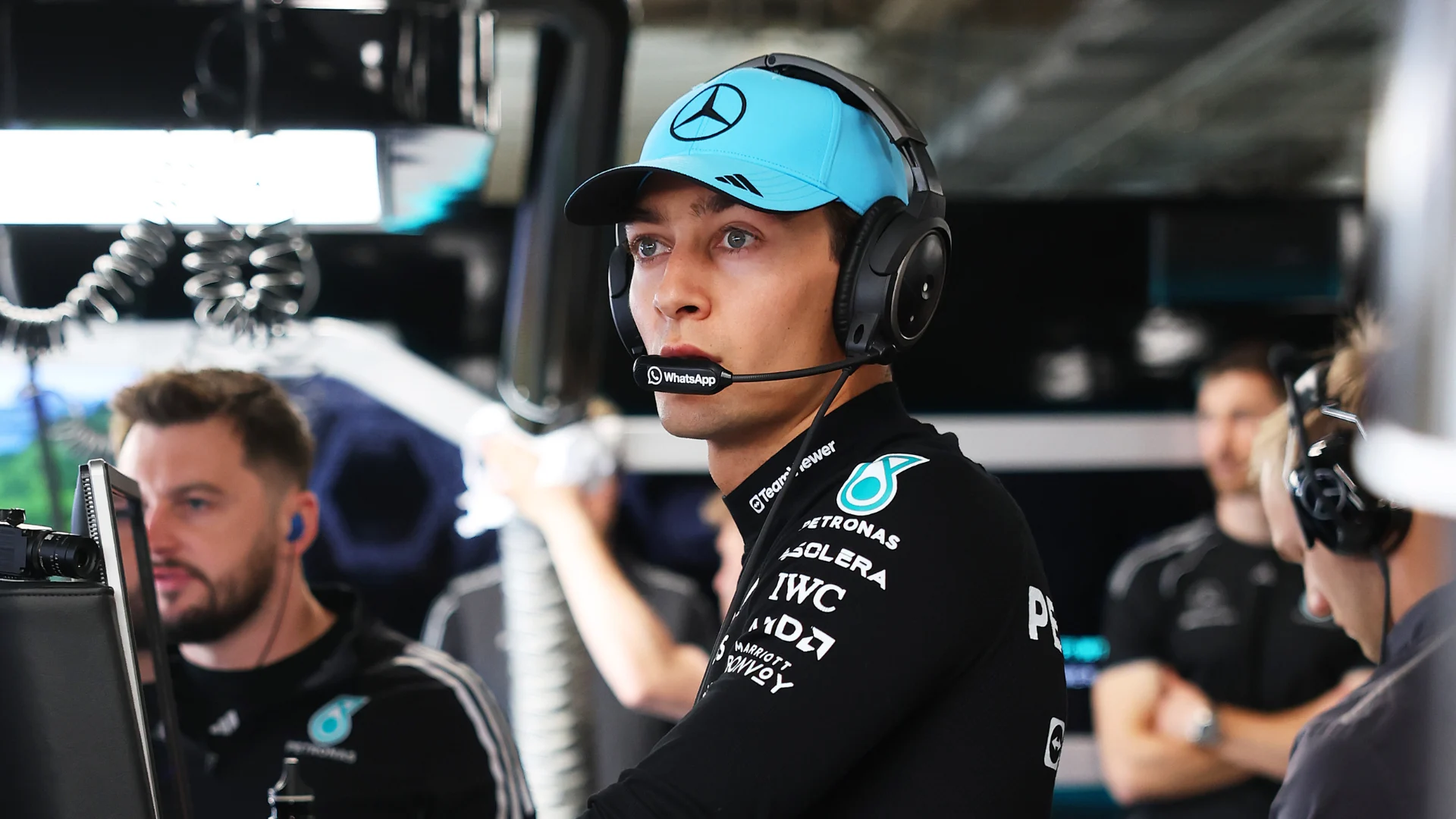
All winter, the paddock whispered the same name. Mercedes. The silver team had understood the new regulations best, the whispers said, and when the 2026 season finally began at Albert Park on Sunday, the whispers turned out to be true. George Russell won the Formula 1 Qatar Airways Australian Grand Prix, leading home teammate Kimi Antonelli for a Mercedes one-two, and he did it with the kind of controlled, commanding drive that announces a championship campaign.
But this was no procession. The season opener had everything a reset year promised: heartbreak before the lights even went out, a home hero crashing on his way to the grid, two Virtual Safety Car periods that split the strategies down the middle, a Turn 1 heist, an energy-deployment duel for the lead, and a charging drive from the very back of the grid that stole the fans' hearts. Formula 1 is back, and it brought drama with it.
If you watched one race this year, make it this one. And if you missed it, pour a coffee and settle in, because this is the full story of how the 2026 season began.
The Short Version
You are busy, so here is everything that mattered, fast.
The podium
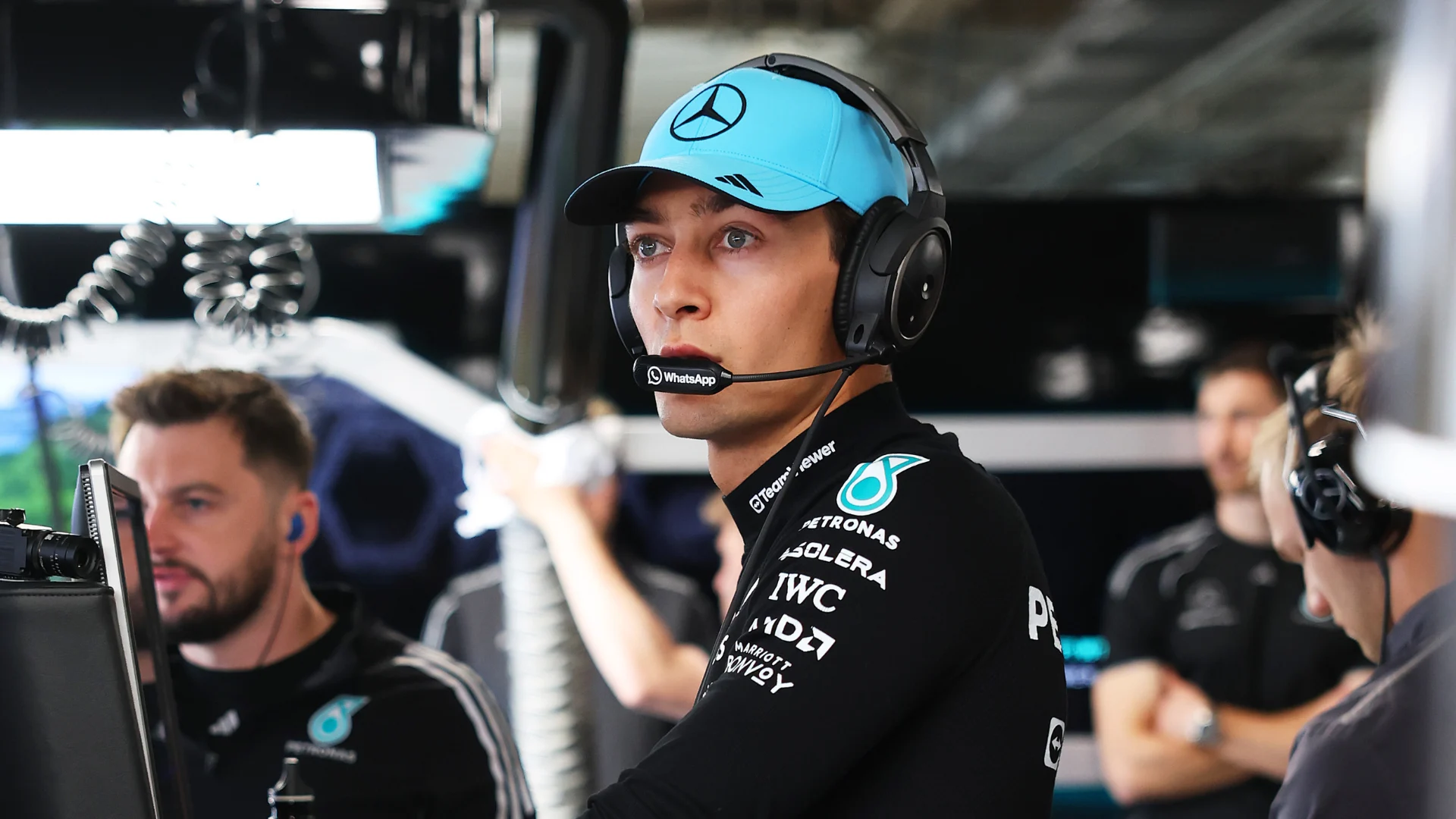
George Russell won the Australian Grand Prix for Mercedes, converting pole position into victory in the first race of the new regulations era. Kimi Antonelli finished second, completing a dream one-two for the team tipped all winter as the one to beat. Charles Leclerc finished third for Ferrari, after a race that included stealing the lead at Turn 1 and a fierce late battle with his teammate. Lewis Hamilton finished fourth in the other Ferrari, just 0.624 seconds behind Leclerc after chasing him down in the closing laps.
How the grid looked
Saturday belonged to Russell and Mercedes. Russell took pole position with a 1:18.518, heading a Mercedes front-row lockout that confirmed every preseason prediction about the silver cars. Leclerc qualified fourth but would make that starting position count for far more than it promised. And then Sunday morning delivered the cruelest twist of the weekend before the race had even begun: Oscar Piastri, the home hero, crashed on his out-lap to the grid and never started, while Nico Hulkenberg's Audi was wheeled off the grid with a technical issue, denying the German a debut for the new works team.
Saturday Was Silver
Let us start with qualifying, because it set the tone for everything that followed. All through preseason testing, the paddock had whispered that Mercedes understood the new regulations better than anyone. On Saturday at Albert Park, the whisper became a shout.
George Russell's pole lap of 1:18.518 was a statement of intent, the kind of lap that says the winter was not wasted. And it was not a solo act: Mercedes locked out the front row, putting both silver cars at the head of the field for the first race of the new era. When a team locks out the front row at the opener, it is telling the world that its advantage is real, not a testing mirage.
For Russell personally, it was the perfect start to a season of enormous expectation. He is the senior driver at the team tipped for the title, the man whose qualifying magic has never been in doubt, and he opened his campaign by putting his car exactly where it needed to be. The question hanging over Saturday evening was simple: could anyone live with the Mercedes on Sunday?
Heartbreak Before Lights Out
Formula 1 can be cruel, and it showed its cruelest face on Sunday morning in Melbourne. Before the race had even started, before the anthems had finished echoing around the parkland circuit, the home crowd's dream died on an out-lap.
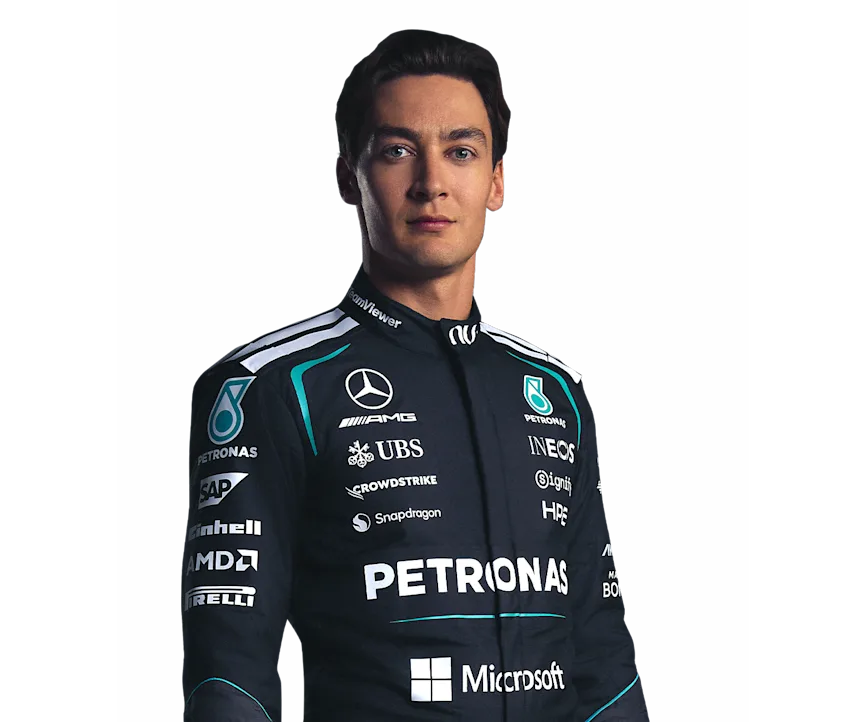
Oscar Piastri crashed on his way to the grid. On his out-lap, the simple drive from the pit lane to the starting grid that every driver does without thinking, the Australian lost his car and hit the wall. Just like that, his home Grand Prix was over before it began. Did Not Start. Three words that do not begin to capture the devastation.
Think about what this meant. Piastri is Australia's great hope, the driver an entire nation had come to Albert Park to cheer. The grandstands were full of Australian flags. The noise when his car appeared was always the loudest of the day. And then, silence. The particular silence of tens of thousands of people processing the same heartbreak at the same time. There is no lonelier walk in sports than the one back to the garage when your home race ends before the lights go out.
The new-era fragility showed itself again moments later. Nico Hulkenberg's Audi developed a technical issue on the grid, and the car was wheeled away, denying the veteran his debut for Audi's new works team and denying the German manufacturer a two-car start to its Formula 1 adventure. Gabriel Bortoleto would carry the four rings alone. Two cars failing to start, for two completely different reasons, before a single racing lap: this is what a regulation reset looks like up close. The machinery is new, the margins are fine, and the sport is relearning how to be reliable in real time.
Two Virtual Safety Cars, One Strategy Masterclass
If qualifying was about speed, the race was about strategy, and specifically about two Virtual Safety Car periods that split the field's thinking in half and decided the Grand Prix.
The first VSC: Hadjar stops
Around lap 11, Isack Hadjar's Red Bull came to a stop, triggering the first Virtual Safety Car. Under the VSC, the field slows to a mandated pace, and the pit lane becomes a bargain: stop for fresh tires while everyone else is crawling, and you lose far less time than under green-flag racing. Mercedes saw it instantly. Both silver cars dived in. It was the decisive call of the race, executed without hesitation.
Ferrari, critically, stayed out. Both red cars rolled past the pit entry while their rivals took on fresh rubber. At the time, it looked like a reasonable gamble: track position is precious at Albert Park, and Ferrari clearly believed staying out would pay off later. It was a brave call. It was also, as the afternoon proved, the wrong one.
The second VSC: Bottas at pit entry
Then came the twist that sealed it. Valtteri Bottas came to a halt at the pit lane entry in his Cadillac, triggering a second Virtual Safety Car and, crucially, closing the pit lane itself. With the pits closed, nobody could stop even if they wanted to. The timing could not have been more perfect for Mercedes, which had already taken its cheap stops, or more painful for Ferrari, which had waited and now found the door slammed shut.
Mercedes had pitted under both VSC periods. Ferrari had stayed out under both. The strategic die was cast, and the frustration in the red garage was audible. Lewis Hamilton, watching the race slip through his team's fingers on strategy, said it plainly on the radio: "one of us should have come in." When a seven-time champion says that on an open channel, you know the pit wall is having a difficult afternoon.
Russell's one-stop control
From there, George Russell did what great drivers do with a strategic advantage: he made it look easy. Controlling the final 30 laps on a one-stop strategy, he managed his tires, managed his energy deployment, and managed the gap behind him with the calm of a driver who knew the race was his to lose. There were no heroics required, just precision, lap after lap, while the field fought over the scraps behind him.
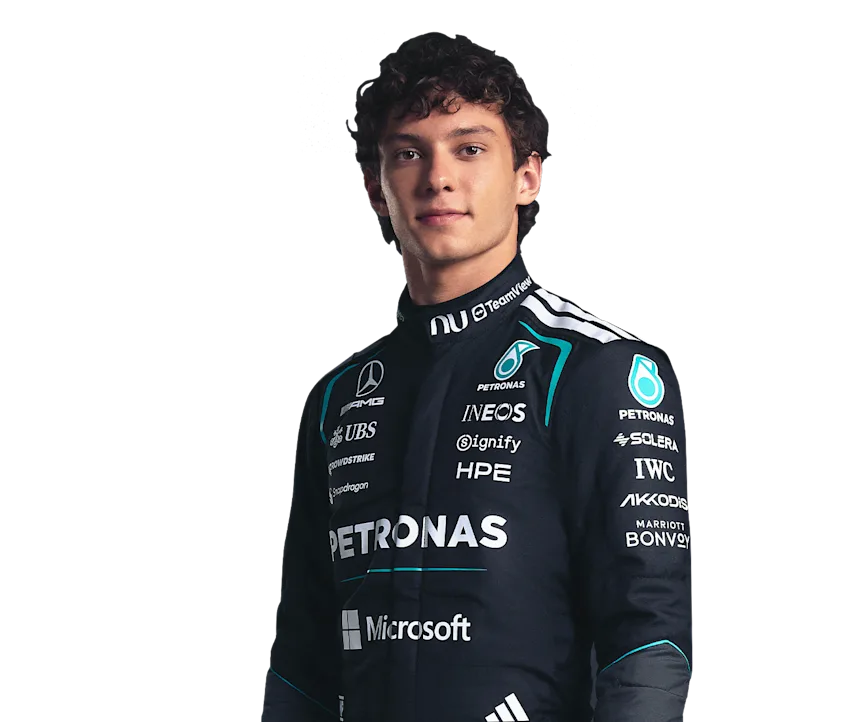
This is the unglamorous art of winning from the front, and Russell is becoming a master of it. No wasted motion, no unnecessary risks, just a metronomic accumulation of fast, clean laps. The new regulations demand constant energy management, and Russell's drive was a clinic in the new discipline: always enough deployment to hold the gap, never so much that the tires or the battery cried for mercy.
The Turn 1 Heist
But let us rewind to the start, because Charles Leclerc produced one of the moves of the season in the first ten seconds. Starting fourth, the Ferrari driver launched brilliantly and snatched the lead into Turn 1, sweeping around the outside of the Mercedes pair in a move of breathtaking commitment. Albert Park erupted. The red car leading the new era's first race: the tifosi dared to dream.
What followed was a fascinating duel. Russell and Leclerc traded the lead in an energy-deployment battle, the first great strategic fight of the new regulations. Each driver managed his electrical deployment to attack and defend, spending energy to pass and saving it to resist. It was the new Formula 1 in microcosm: part racing driver, part chess player, all instinct.
Ultimately, the Mercedes' underlying pace and the VSC strategy told. Russell reasserted himself and never looked back. But Leclerc's opening salvo was a reminder that Ferrari has a race car, and that the Monegasque remains one of the bravest starters in the sport. He would need every bit of that bravery later, with his own teammate hunting him down.
Hamilton Hunts Leclerc
The closing laps delivered the intra-team drama the crowd had been waiting for. Lewis Hamilton, fourth after Ferrari's strategy left both red cars compromised, chased down Charles Leclerc for the final podium place, and the gap melted away lap by lap. Teammates, friends, rivals: the two Ferrari drivers raced each other hard but fair, Hamilton throwing everything at the car ahead.
At the flag, just 0.624 seconds separated them. Leclerc held on for third, Hamilton took fourth, and the Ferrari garage got to celebrate a double top-four finish while quietly wondering what might have been with sharper strategy. For Hamilton, beginning his second season in red, it was a drive full of promise and frustration in equal measure: the pace is there, the fight is there, but the execution has to match.
Verstappen's Charge
If Russell's win was about control, Max Verstappen's afternoon was about pure, defiant racing. The four-time champion started 20th, at the very back of the grid, and drove through the field to finish sixth, a recovery drive of stunning commitment that the fans rewarded by voting him Driver of the Day.
Think about what that drive required. Twenty cars ahead, a new formula that everyone is still learning, traffic, tire management, energy management, and the patience to pick off rivals one by one without making the mistake that ends the afternoon. Verstappen did it all with the controlled aggression that has defined his career. Every overtake was decisive. Every stint was measured. By the time he crossed the line in sixth, he had reminded everyone of a simple truth: whatever the regulations, whatever the car, Max Verstappen does not do quiet afternoons.
The result also carried a message for the championship. If this is what Verstappen can do from the back of the grid, imagine what happens when Red Bull-Ford gives him a car he can qualify at the front. The paddock noticed. You could see it in the body language of the rival team principals. The champion is coming, and sixth place from 20th was the warning shot.
Norris's Quiet Defense
For Lando Norris, the defense of his world championship began with a whisper rather than a roar. Fifth place, distant from the fight at the front, was not the statement the champion wanted to make at the season opener. After all his preseason warnings about the new cars, there was a certain irony in watching him spend the afternoon in the midfield battle rather than the lead fight.
But championships are not won in March, and Norris knows it better than anyone. Fifth place is solid points on a day when the car was not quite there. The great champions bank the quiet results and wait for their moment. The question now is whether McLaren can find the development pace to join the fight at the front, or whether the champion faces a season of damage limitation. It is far too early to write him off. It is also impossible to ignore that Mercedes just fired a very loud starting gun.
The New Kids Announce Themselves
The future of Formula 1 arrived in Melbourne, and it did not come quietly. The debutants and young guns produced a collective coming-out party that was one of the happiest stories of the weekend.
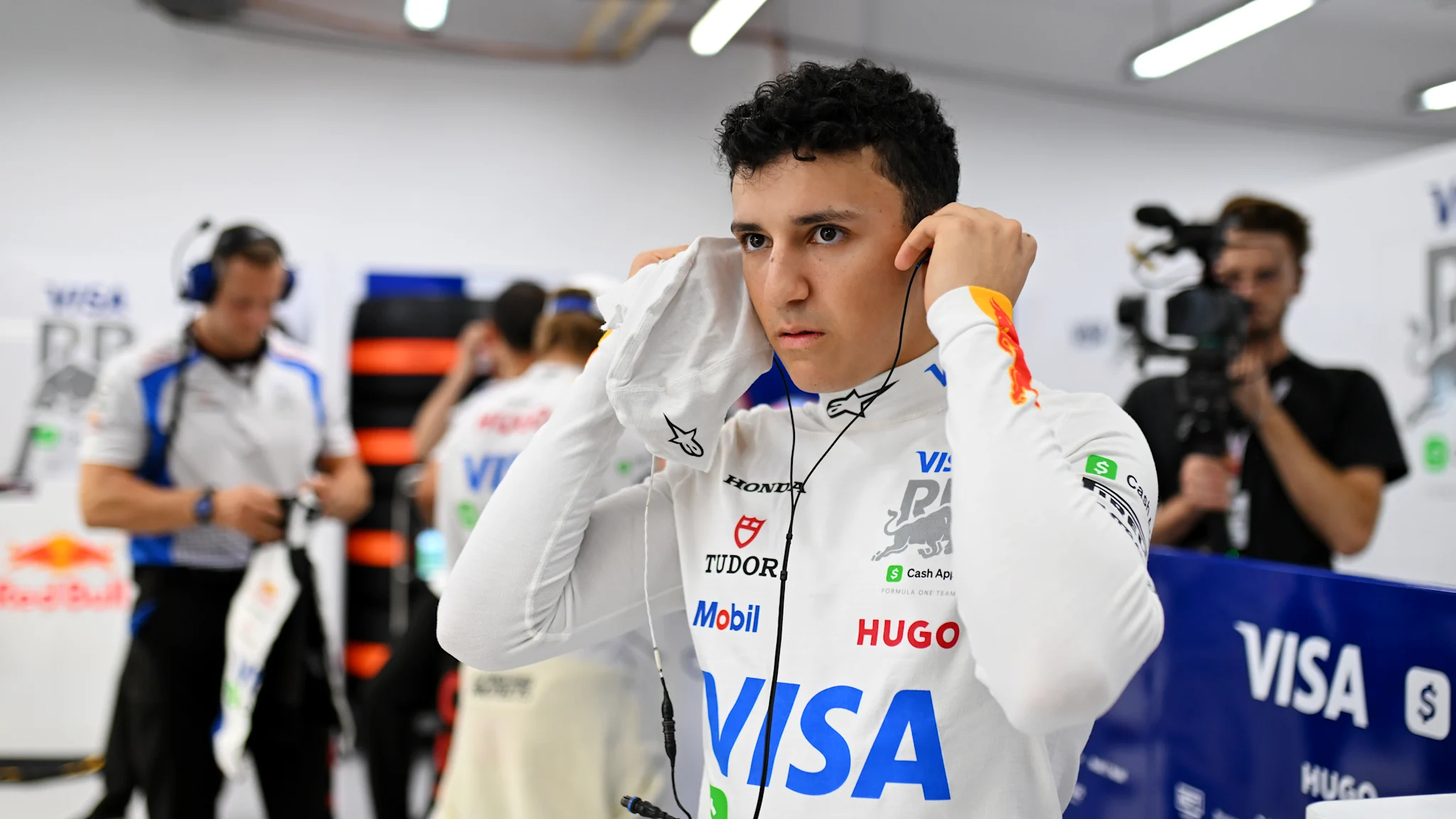
Arvid Lindblad, the grid's only true rookie, scored points on his Formula 1 debut, finishing eighth for Racing Bulls. Points on debut. Let that sink in. In a brand-new car, built to brand-new regulations, against the twenty best drivers in the world, the kid delivered. The celebrations in the Racing Bulls garage told the story: this is what the sport is for, the moment a young driver proves he belongs.
Oliver Bearman finished seventh for Haas, a superb result that underlined his reputation as one of the brightest young talents in the sport. Gabriel Bortoleto brought Audi home in ninth, scoring points in the German manufacturer's first race as a full works outfit, a historic result for a historic debut. And Sergio Perez brought Cadillac home in 16th in the American team's maiden Formula 1 race. No points, but the car finished, the team completed its first Grand Prix, and the American dream is officially underway.
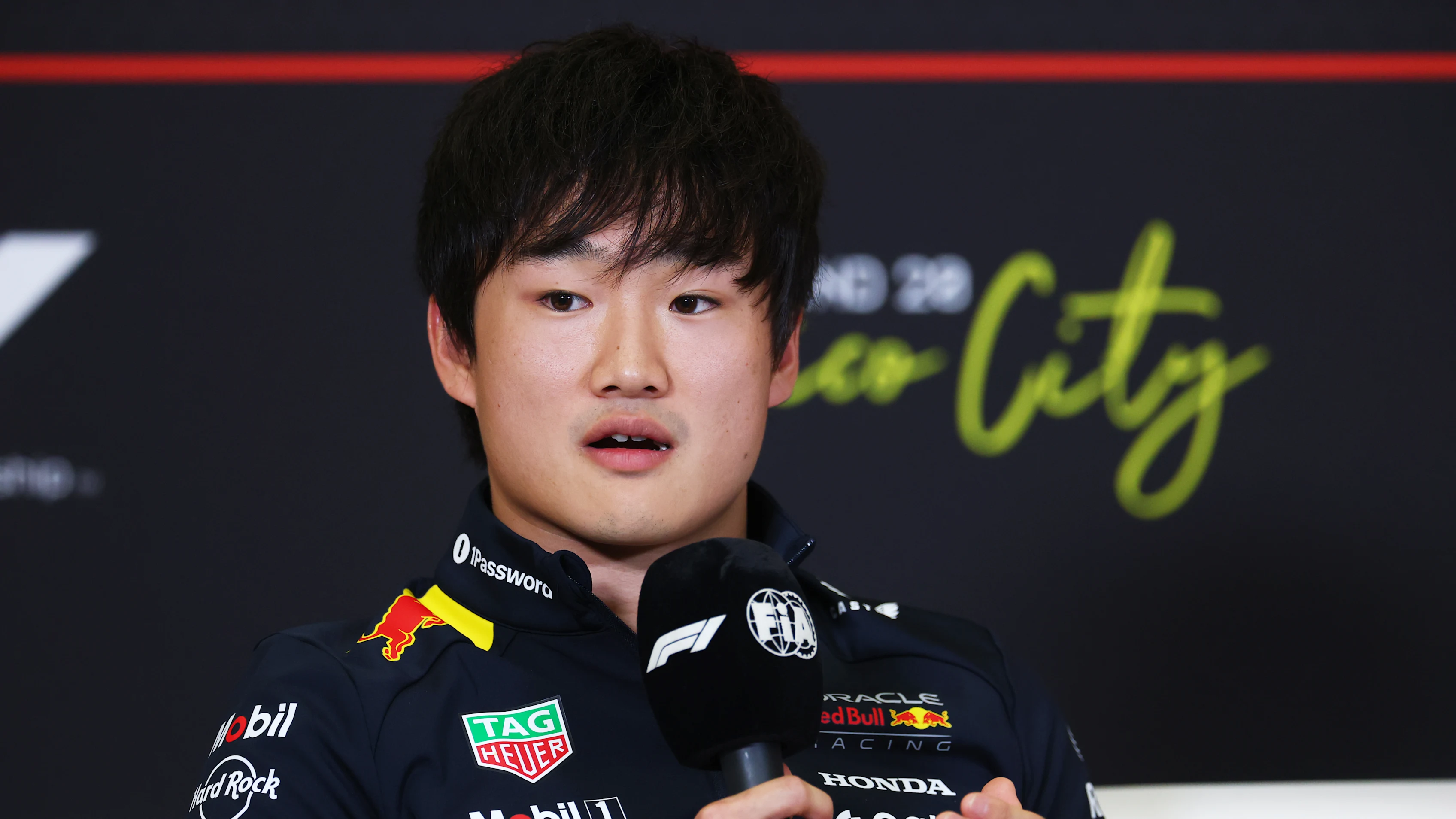
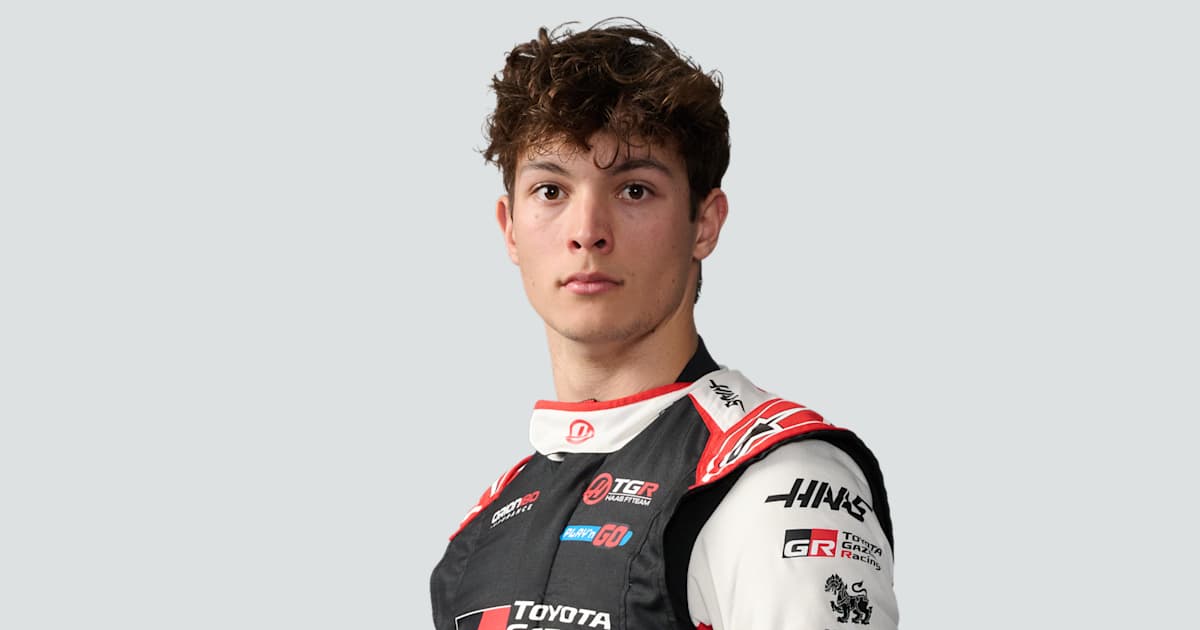
Four young drivers, four statements. The generational changing of the guard is not coming. It is here, and it scored points on day one.
The Quote
Every great race gets a signature line, and Melbourne's belonged to the winner. Cruising to victory in the closing laps, George Russell got on the radio and summed up the entire Mercedes winter in one joyful outburst: "Very nice, very nice. I like this car. I like this engine!"
It was funny, it was genuine, and it was ominous for everyone else. When a driver likes his car and likes his engine in the first race of a new regulations era, the rest of the grid should be worried. Russell was not just celebrating a win. He was telling the world that Mercedes got the reset right, and he knew it.
What It All Means
One race does not make a season, but it can set its direction. Melbourne told us several things worth writing down.
First, Mercedes is as good as advertised. A front-row lockout, a one-two finish, and a winner who controlled the final 30 laps: that is not luck, that is a fast car operated brilliantly. The team to beat has a name, and it is the name everyone feared.
Second, strategy is the new battleground. The two Virtual Safety Car periods decided this race more than pure pace did. Mercedes pitted under both; Ferrari stayed out under both; the result followed. In an era of energy management and active aero, the pit wall matters as much as the cockpit. The teams that think fastest will win as many races as the teams that drive fastest.
Third, the new regulations produce racing worth watching. The energy-deployment duel between Russell and Leclerc, Verstappen's charge from the back, Hamilton hunting his teammate: this was not artificial, to use the preseason word. This was Formula 1, recognizable and thrilling, just wearing new clothes.
And fourth, the grid is gloriously deep. Points for Lindblad on debut, for Bearman, for Bortoleto in Audi's first race, a finish for Cadillac: the future showed up and showed out. Whatever happens at the front this season, the stories up and down the field will be worth following.
Next Stop: Round Two
The paddock does not rest. The cars get packed, the engineers dive into the data, and Formula 1 moves on to round two of the new era. Russell will arrive as the championship leader and the man to beat. Antonelli will arrive knowing he belongs at the front. Ferrari will arrive determined to match its pace with sharper strategy. Verstappen will arrive with menace in his eyes. And Norris will arrive needing an answer.
If Melbourne was the preview, the season itself promises to be something special. See you at round two.

FAQ
Why did Oscar Piastri not start the Australian Grand Prix?
Piastri crashed on his out-lap to the grid, the drive from the pit lane to the starting grid, and was unable to take the start. It was heartbreak for the home hero in front of his Melbourne crowd.
What decided the race strategically?
Two Virtual Safety Car periods: the first for Isack Hadjar's Red Bull stoppage around lap 11, the second when Valtteri Bottas stopped at the pit lane entry, which closed the pit lane. Mercedes pitted under both; Ferrari stayed out under both. Lewis Hamilton summed up Ferrari's frustration on the radio: "one of us should have come in."
How did the debutants perform in Melbourne?
Arvid Lindblad scored points on his Formula 1 debut, finishing eighth. Oliver Bearman finished seventh for Haas. Gabriel Bortoleto finished ninth, scoring points in Audi's first race as a works team. Sergio Perez brought Cadillac home 16th in the American team's maiden Grand Prix.
Who was voted Driver of the Day?
Max Verstappen, who drove from 20th on the grid to sixth at the finish.
A Note on Sources
Race results, qualifying times, starting grid, retirements, and driver quotes in this recap were verified against the official Formula1.com race and qualifying reports and cross-checked with coverage from Reuters, BBC Sport, Sky Sports, and The Race.