
By Paulina Phan, Senior Editorial Contributor | September 2, 2026
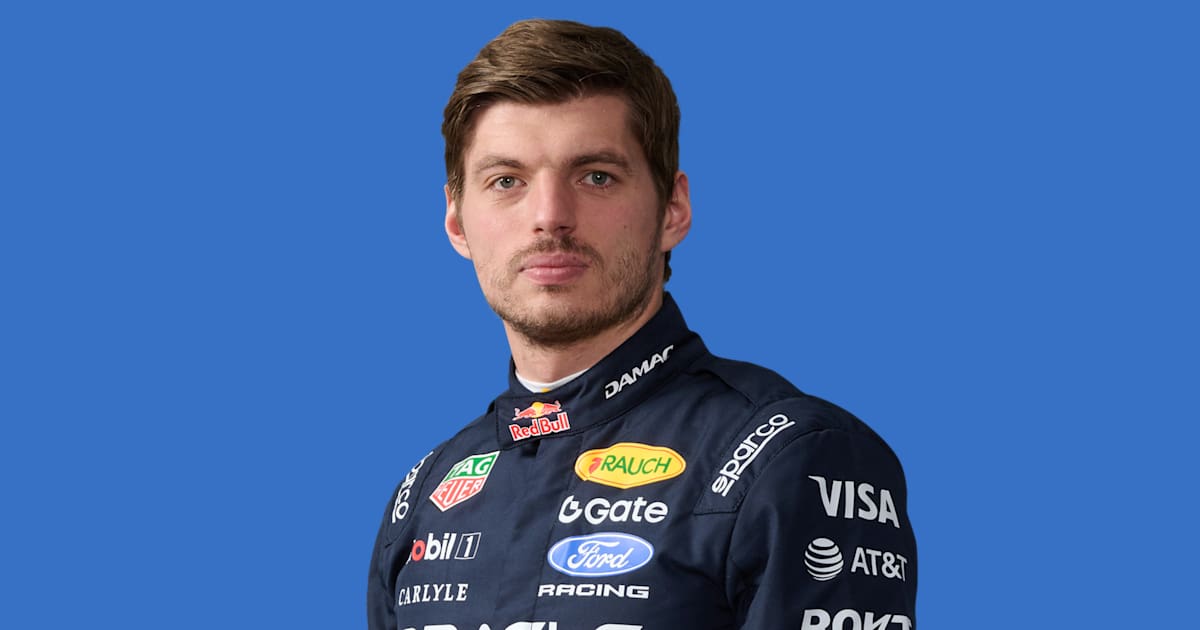
Formula 1's silly season just got its two biggest answers, and they arrived within days of each other. Max Verstappen has extended his Red Bull contract through 2030, ending months of speculation about a move to Mercedes. Lando Norris has committed to McLaren until at least 2030, locking in the papaya partnership through the end of the decade. Two drivers, two teams, two mega-deals, and one very clear message: the future of this sport is being written now, in long-term ink.
The timing is delicious. Both announcements landed in the week between the Dutch and Italian Grands Prix, the quiet stretch where silly season does its heaviest lifting. Verstappen's extension kills the saga that has rumbled all season, the will-he-won't-he to Mercedes that has generated a thousand headlines. Norris's commitment ends any whisper about his own future and doubles down on the McLaren project at the exact moment the team is emerging as a genuine contender. Together, they take two of the biggest dominoes off the table and force everyone else to recalculate.
So what do these deals actually mean? For the drivers, for the teams, for the championship, and for the rest of the grid still waiting for their own answers. Let us break down the 2030 club.
Verstappen Stays: The Saga Ends
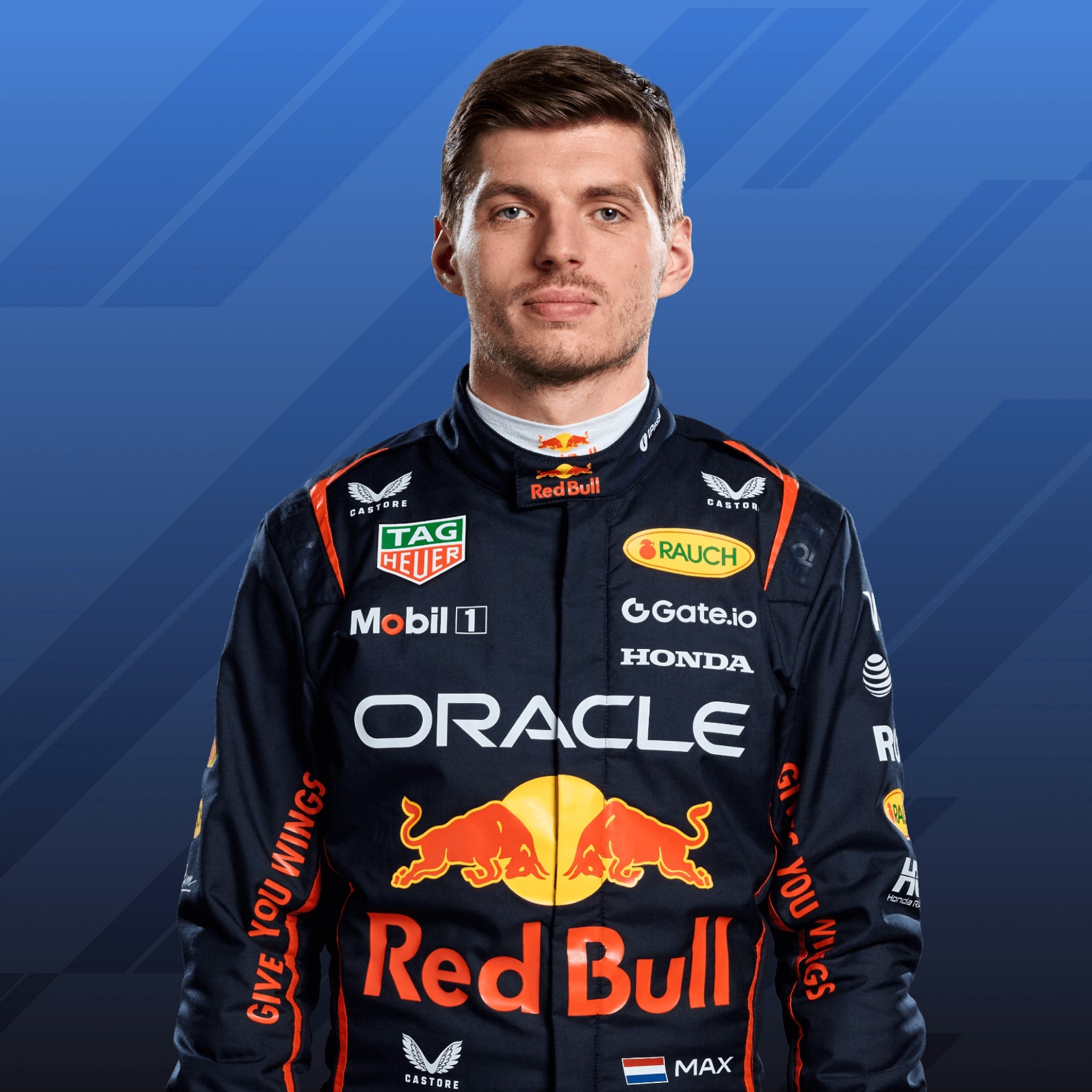
Let us start with the big one. Max Verstappen, the four-time world champion, has extended his Red Bull contract through 2030. Read that again and let it land. Through 2030. In a sport where driver contracts rarely stretch beyond two or three years, a commitment of this length is a statement of intent from both sides: the driver believes in the project, and the team believes in the driver.
The extension ends the silly season saga that has dominated 2026. All those months of speculation, the Briatore predictions, the Wolff denials, the paddock whispers about Mercedes: over. Verstappen is staying at Red Bull, the team where he won his four championships, the team that is building its own power unit future. It is a bet on continuity in a sport that is constantly churning, and it is a bet that both parties clearly wanted to make.
There is also a lovely symmetry to the timing. The announcement came in the week after Verstappen's heartbreaking final Dutch Grand Prix, the lap-1 crash at Zandvoort that ended his home farewell in the wall. To commit to Red Bull in the immediate aftermath of the worst weekend of his season says something about the man. It says the relationship is bigger than results, that the trust runs deeper than a single bad Sunday. Champions do not run from bad weekends. They sign through them.
What does it mean for Red Bull? Stability, first and foremost. The team can now plan its driver lineup, its development direction, its entire future around the certainty that Verstappen will be there. In the new regulation era, with the Ford power unit partnership still maturing, that certainty is gold dust. And it sends a message to the rest of the grid: the king is staying in his castle. Come and take the crown if you can.
Norris Commits: Papaya Until 2030
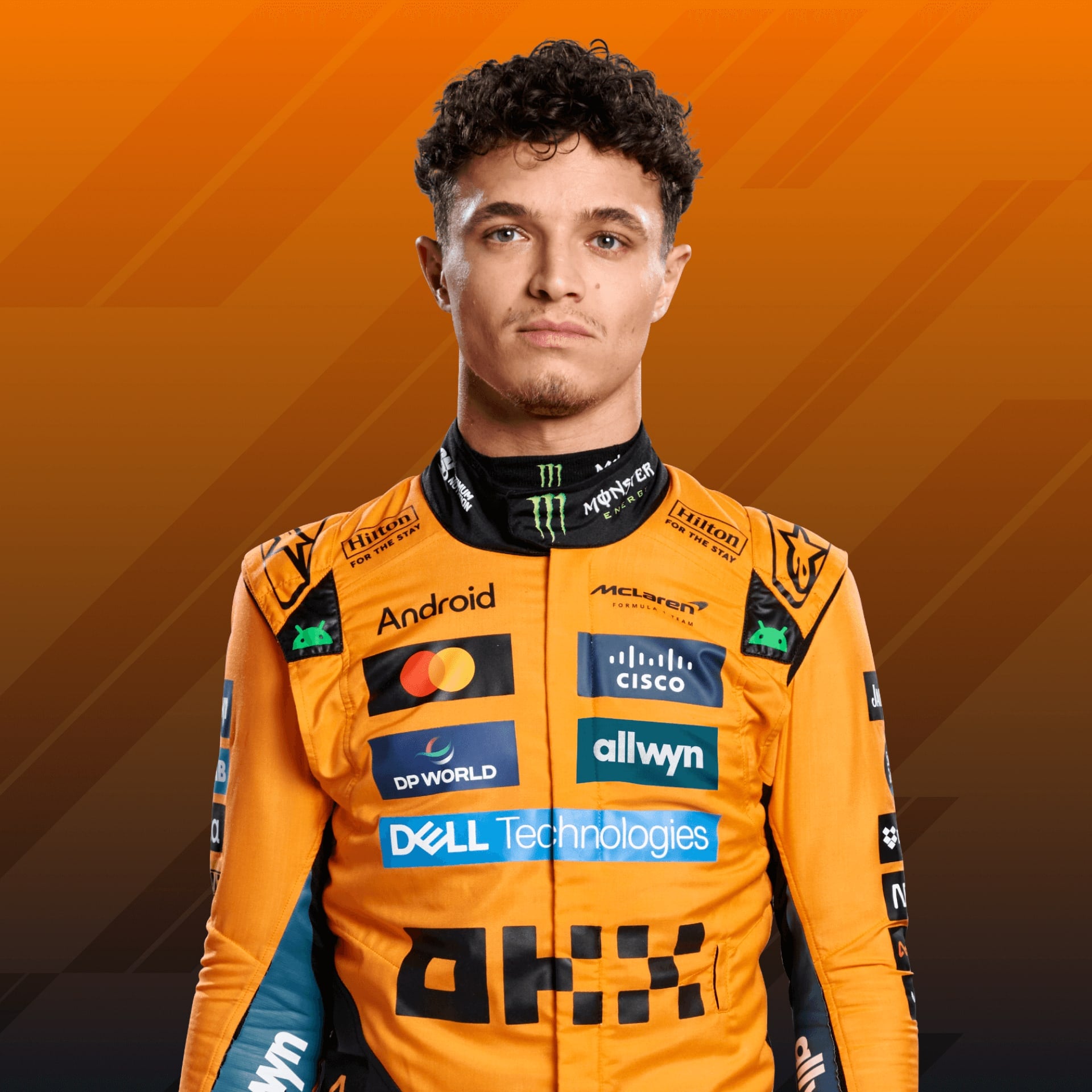
The second mega-deal is just as significant in its own way. Lando Norris has committed to McLaren until at least 2030, extending a partnership that has already delivered a world championship and is now delivering a genuine title challenge. The wording matters: "until at least 2030" leaves the door open for more, and the confidence of that phrasing tells you everything about how both sides feel.
Norris's commitment is a bet on trajectory. McLaren is the form team of the late summer, the squad both Mercedes drivers have named as the one to beat, and Norris is tying his future to the belief that the papaya rise is real and sustainable. It is also a bet on the partnership with Oscar Piastri, or at least on the team's ability to manage it. The civil war narrative has been the story of McLaren's season, but the long-term commitment suggests a belief that it can be managed, or at least survived.
For McLaren, keeping Norris is everything. He is the face of the team, the marketing engine, the driver around whom the entire project has been built. Losing him would have been a catastrophe; keeping him through 2030 is a triumph. It gives the team a cornerstone, a known quantity, a champion to build around for the next era of the sport.
What the 2030 Club Means for the Grid
Here is where it gets interesting for everyone else. Verstappen and Norris, two of the biggest names in the sport, are now off the market through the end of the decade. That has immediate consequences for the driver market, because silly season is a game of musical chairs and two of the most coveted chairs just got bolted to the floor.
First, the Mercedes question gets simpler and stranger at the same time. With Verstappen staying at Red Bull, the great saga is over, and Mercedes' focus narrows to its own garage: Russell's renewal, Antonelli's future, the two unsigned championship contenders. The pressure eases in one sense, no more Verstappen shadow, and intensifies in another, because now there is no external savior to dream about. Mercedes must decide what it has, not what it might get.
Second, the rest of the grid recalibrates. Every team principal with an open seat just lost two dream targets, which means the remaining options, the Piastri situation, the Russell renewal, the Tsunoda audition, the Lawson promotion, all become more valuable. Scarcity drives the market, and the market just got scarcer.
Third, and most intriguingly, the long-term deals reshape the competitive landscape through 2030. Verstappen at Red Bull and Norris at McLaren, locked in, building, developing, through the new regulation era and into the next one. These are franchise-player commitments, the kind that define eras. The teams around them must now plan not just for next season but for the next four, knowing exactly who they will be facing.
The Money and the Message
Let us talk about what these deals say, because the money is only part of the story. Long-term contracts in Formula 1 are about more than salary; they are about power, about who gets to shape a team's future. A driver signed through 2030 is not an employee. He is a partner, a co-author of the team's destiny.
For Verstappen, the message is loyalty rewarded. He stayed through the difficult 2026 season, the winless campaign, the Zandvoort heartbreak, and Red Bull has repaid that faith with the longest commitment in the sport. It is a reminder that in Formula 1, as in life, the relationships that survive the hard times are the ones that matter.
For Norris, the message is belief. McLaren believes it can win championships with him, and he believes McLaren can build him a championship car. After the 2025 title and the 2026 resurgence, that belief is well-earned on both sides. The papaya project is real, and its leader is locked in.
The girly editorial take: there is something deeply romantic about long-term commitments in a sport defined by short-term thinking. Formula 1 is a world of one-year deals and midseason swaps, of drivers discarded after two bad races. To see two of the biggest stars commit through 2030 is to see the sport at its most grown-up, its most serious about building something lasting. It is the opposite of silly season. It is sensible season, and it is lovely.
What Happens Next
With Verstappen and Norris locked in, the remaining silly season questions come into sharper focus. All eyes turn to Mercedes: Russell's renewal, Antonelli's one-year deals, the two championship contenders still unsigned beyond December. Then the Piastri situation, the most wanted man in the paddock, locked to McLaren until at least 2028 but forever the subject of speculation. Then the rest: the five teams with unconfirmed 2027 lineups, the Tsunoda audition, the Lawson promotion, the whole beautiful mess of it.
The 2030 club has two members. The rest of the grid is still writing its future. Silly season is not over. It is just getting started.
FAQ
How long are Verstappen's and Norris's new contracts?
Max Verstappen extended with Red Bull through 2030. Lando Norris committed to McLaren until at least 2030.
Does this end the Verstappen-to-Mercedes rumors?
Yes. The extension through 2030 ends the season-long saga about a potential Verstappen move to Mercedes.
What does this mean for Mercedes' driver lineup?
With Verstappen off the market, Mercedes' focus narrows to its own drivers: George Russell's renewal talks and Kimi Antonelli's series of one-year deals, both unsigned beyond the end of 2026.
Who else is still unconfirmed for 2027?
Five teams have yet to confirm their 2027 lineups: Red Bull, Racing Bulls, Aston Martin, Haas, and Cadillac, plus the ongoing Piastri speculation and the Tsunoda/Lawson situations.
A Note on Sources
Contract extensions, their durations, and the end of the Verstappen-to-Mercedes speculation in this feature are based on official team announcements in the week between the Dutch and Italian Grands Prix, cross-checked against Formula1.com reporting. Championship context reflects the official standings.