
By Paulina Phan, Senior Editorial Contributor | May 27, 2026
Sunday night in Montreal, after the champagne had dried on the podium and the garages had gone quiet, the FIA sent the teams a message that detonated the paddock. The first review period for ADUO, the sport's new engine equalization scheme, had concluded at the Canadian Grand Prix. And the results were, to put it delicately, not what anyone expected.
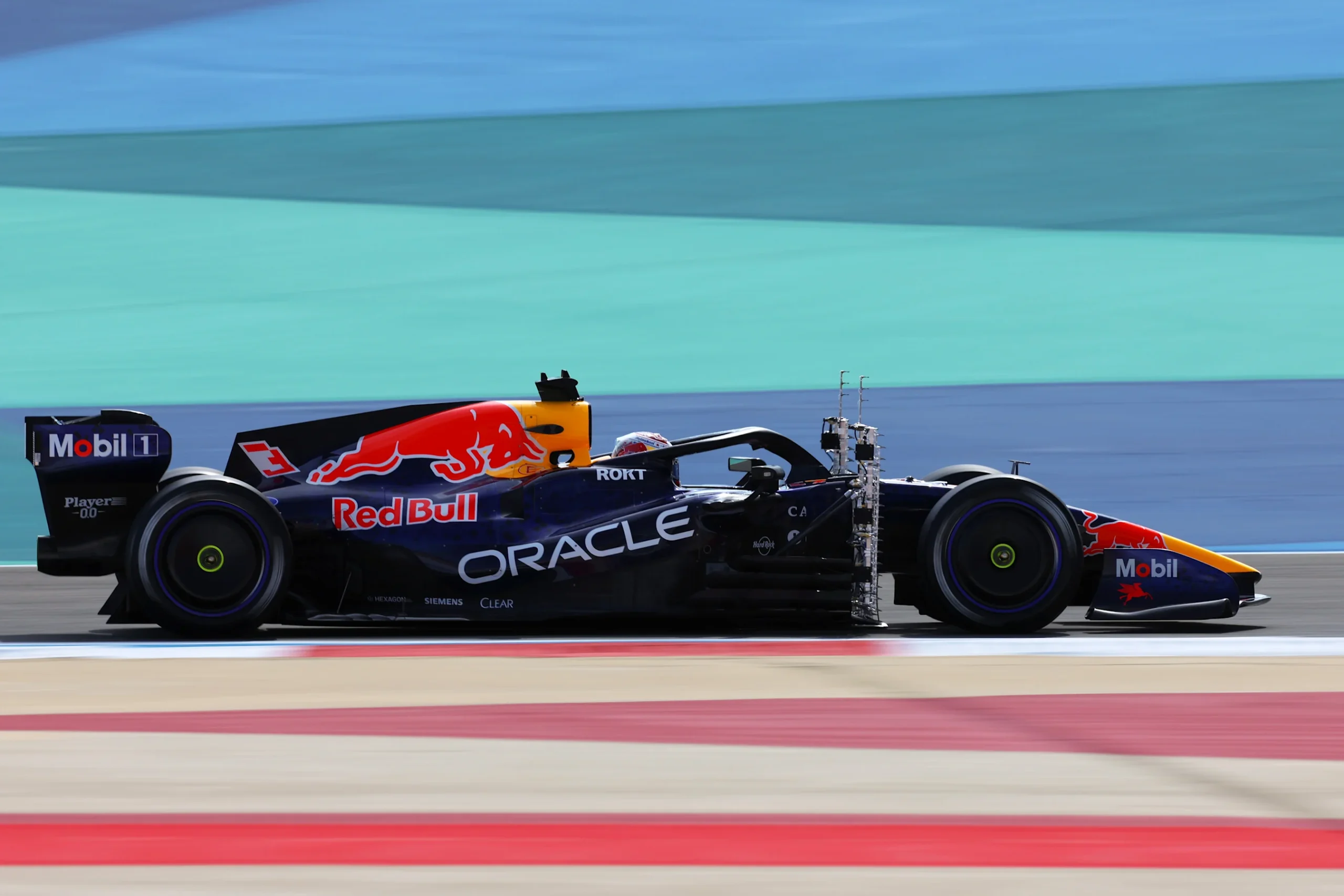
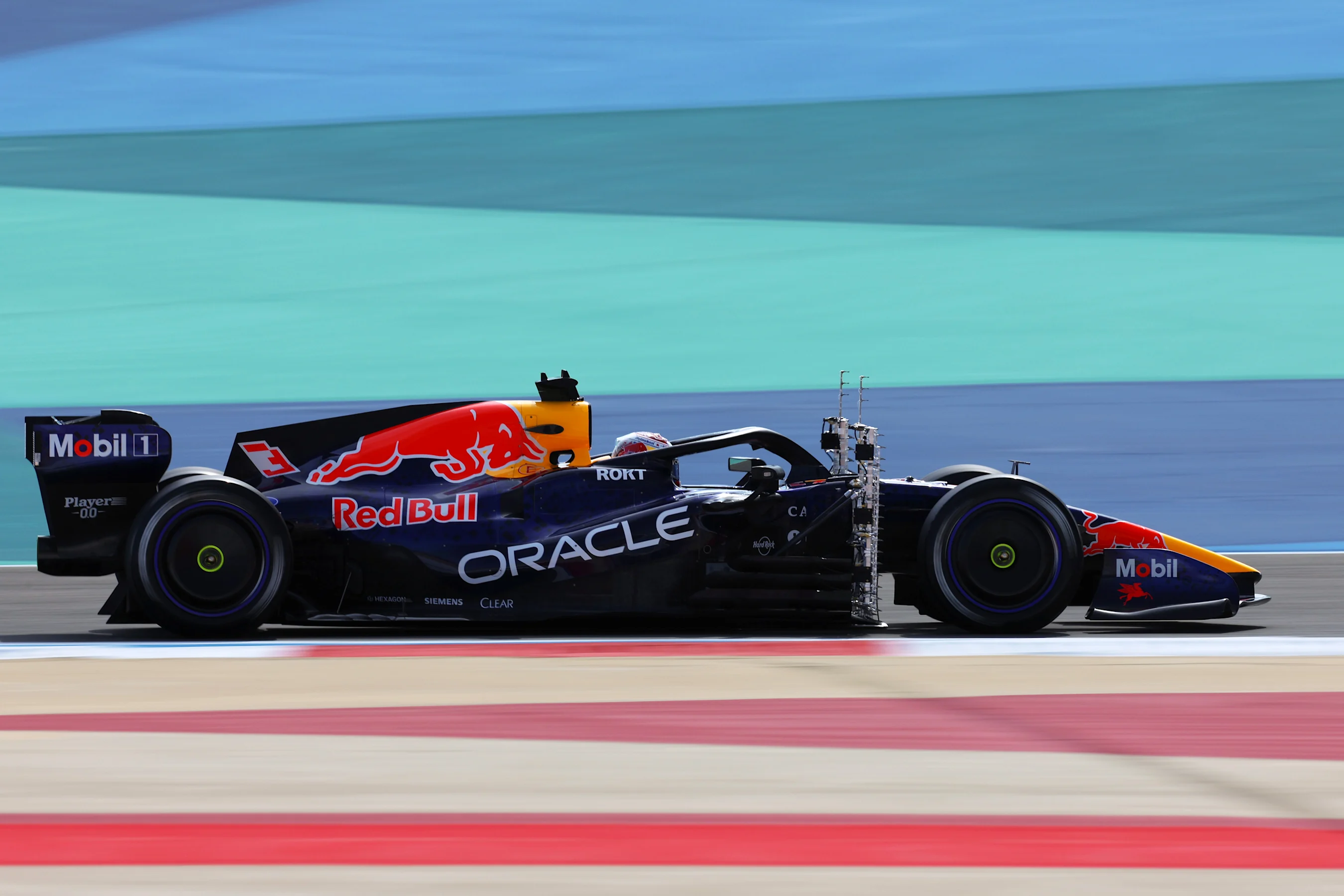
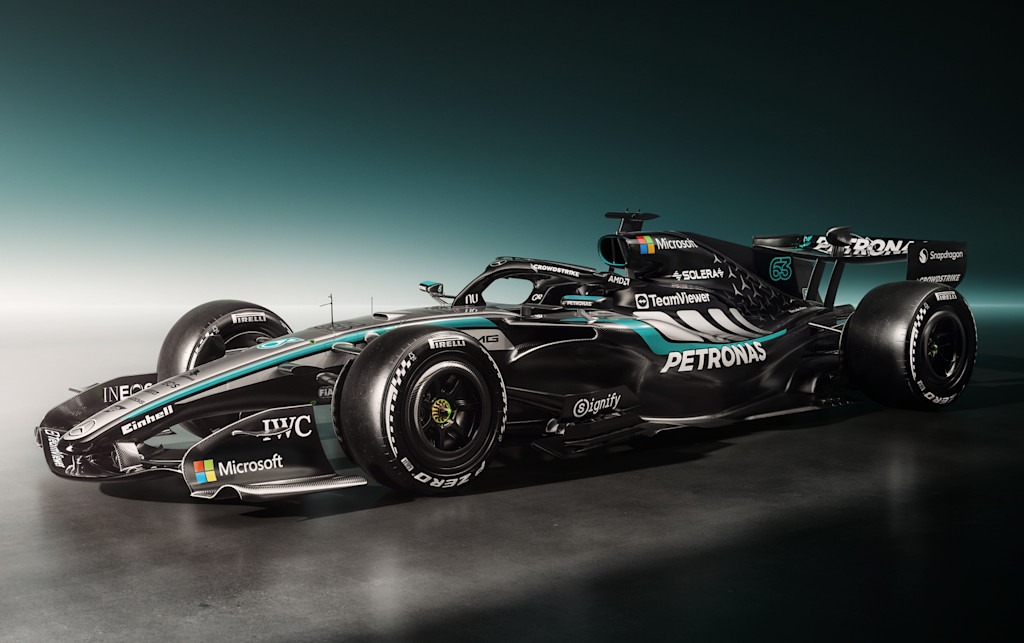
According to the FIA's communication, Red Bull Powertrains has the most powerful combustion engine in Formula 1. Read that again. The team that has spent this season chasing Mercedes, the team whose star driver just scored his first podium of the year in Montreal, supposedly has the strongest engine in the sport, and is therefore disqualified from the very upgrade concessions designed to help the strugglers catch up. Meanwhile Mercedes, the consensus fastest power unit in Formula 1, the engine in the back of the cars that won the first four races of the season, was rated at least two percent off the benchmark, which entitles it to in-season upgrades.
If your brain just did a little flip, congratulations. You are thinking exactly like everyone in the paddock.
This is the kind of story that makes Formula 1 the best reality show on earth. Forget the on-track action for a moment. The real drama this week happened in inboxes and motorhomes, in hushed conversations between people who understand exactly how much money and pride is riding on a spreadsheet. By Monday morning, every journalist in the sport was working the phones, every team principal was choosing their words with extreme care, and the rest of us were left trying to make sense of numbers that seemed to defy the evidence of our own eyes.
What Is ADUO, Anyway?
Before we get to the drama, a quick explainer, because this one matters. ADUO stands for Additional Development and Upgrade Opportunities, and it is the FIA's mechanism for keeping the new 2026 engine formula competitive. The idea is simple: the regulations include a review process that measures each manufacturer's power unit against a benchmark, and any manufacturer rated two percent or more off the benchmark gets homologation relief, meaning permission to keep developing and upgrading their engine during the season.
Fall four percent or more behind, and you get two upgrade chances. The whole scheme exists so that one manufacturer cannot run away with the formula while everyone else is frozen in place. It is, in theory, a safety net for the sport's competitive balance. In practice, as of Sunday night in Montreal, it is the most controversial spreadsheet in racing.
The logic behind ADUO is worth understanding, because it explains why Sunday's numbers caused such a storm. When the 2026 regulations were written, the FIA knew that a brand-new engine formula would produce winners and losers. Some manufacturers would nail it; others would miss. Without a correction mechanism, the losers would be locked into their disadvantage for years, and the sport would ossify around whoever got it right first. ADUO was the answer: measure everyone against a benchmark, and let the strugglers keep developing. It is equalization by the numbers, or interference with the natural order, depending on which motorhome you ask.
The Scoreboard, As Reported
Let us lay out exactly what the FIA communicated on Sunday night, because the details matter and the devil is doing laps in them.
Red Bull Powertrains: measured as having the most powerful combustion engine in Formula 1. Consequence: no upgrade concessions whatsoever. The benchmark team gets nothing.
Mercedes: rated at least two percent off the benchmark. Consequence: entitled to in-season upgrades under the ADUO scheme, despite powering the cars that won the first four races of the season.
Ferrari, Audi, and Honda: rated four percent or more adrift of the benchmark. Consequence: two upgrade chances each.
That is the scoreboard as reported. Four manufacturers get help. The one with the strongest combustion engine gets none. And the manufacturer whose cars have been the class of the field gets to keep developing. If you are a rival team principal reading that email on Sunday night, you are not sleeping well.
The Results Nobody Expected
Here is what the FIA told the teams on Sunday, as reported around the paddock. Red Bull Powertrains, in the first year of its own engine project, was measured as having the most powerful combustion engine in Formula 1. As the benchmark setter, Red Bull gets no upgrade concessions. None. The door is closed.
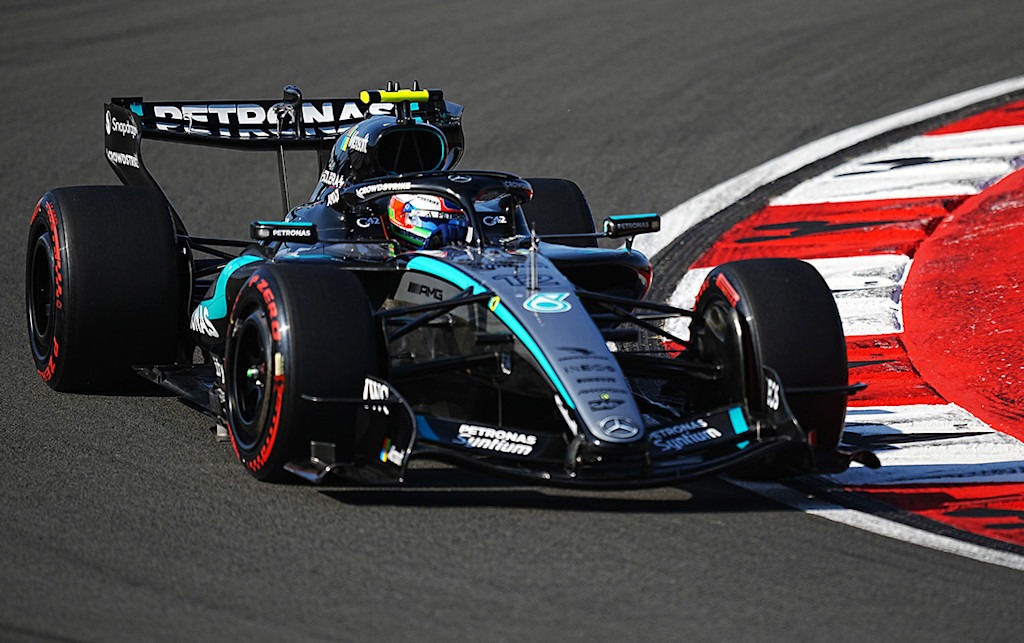
Mercedes, meanwhile, the team whose cars have defined this season, was rated at least two percent off the benchmark. Let that sink in. The power unit in the back of George Russell's Australian Grand Prix winner. The power unit in the back of Kimi Antonelli's winners in China, Japan, and Miami. The power unit in the back of the car that just won its fourth straight race in Montreal. Two percent off the pace, officially, and therefore entitled to in-season upgrades.
Ferrari, Audi, and Honda were rated four percent or more adrift, which gives each of them two upgrade chances under the scheme.
Now, a careful note, because this is where the reporting matters more than the speculation. The FIA's ranking, as communicated to the teams, concerned the combustion engine specifically. That is what was reported. How a power unit that is the consensus fastest overall can have a combustion engine rated two percent off the benchmark is the question currently consuming the paddock, and the honest answer is that nobody outside the FIA's data room knows. This is the paradox exactly as the paddock is experiencing it: shock, confusion, and a lot of very intense conversations behind closed motorhome doors. Anything beyond that is interpretation, and we will label it as such.
"We Were All a Little Bit Surprised"
The paddock's reaction, as you might imagine, ranged from disbelief to something approaching outrage, depending on which motorhome you walked into. The most quotable response came from Max Verstappen, who has a gift for understatement the way other drivers have a gift for speed.
"We were all a little bit surprised with that news," Verstappen said. "We're talking to the FIA now to see what happened there."
That is Max-speak for: we have questions, and we expect answers. Red Bull has since triggered a formal FIA review of the findings, which means this story is not going away. It is going into a conference room with lawyers, engineers, and a great deal of data.
Think about Red Bull's position for a moment. This is the first season of their own power unit project, a massive undertaking years in the making. They have spent the year being told, by everyone including themselves, that they are chasing Mercedes on power. Now the FIA's own numbers say their combustion engine is the strongest in the sport, which sounds like a compliment until you realize it comes with a locked development door while your rivals get to keep working. It is the kind of news that makes a team principal's smile go very thin.
How We Got Here
This bombshell did not come out of nowhere. The engine politics of 2026 have been simmering for months, and Montreal was simply the pot boiling over. A quick rewind:
In early April, Kimi Antonelli suggested that Ferrari may already have been given a green light to close the engine gap to Mercedes, a comment that raised eyebrows up and down the pit lane. On April 21, Toto Wolff warned the FIA publicly that the concessions "must not change the order," making Mercedes' position crystal clear: help the stragglers if you must, but do not touch the hierarchy. Six days later, on April 27, Red Bull's Laurent Mekies publicly rejected Wolff's stance, setting up the philosophical divide that now defines this debate. One camp says the order is earned and should be protected. The other says the rules are the rules and the data is the data.
And the rules themselves have been moving. The April 20 stakeholder vote produced a set of regulation tweaks that debuted in Miami, part of the ongoing calibration of this brand-new formula. Every one of those tweaks was argued over, and every argument was really about the same thing: who gets to develop, how much, and when.
So when the FIA's numbers landed on Sunday night, they did not land on neutral ground. They landed in a paddock that had been arguing about exactly this for two months, and they managed to surprise everyone anyway. That takes some doing.
Toto vs. Laurent: The Philosophical Divide
Strip away the spreadsheets, and this is really an argument about what Formula 1 should be. On one side stands Toto Wolff, who said it plainly on April 21: the concessions "must not change the order." In Wolff's telling, Mercedes earned its advantage, and no regulatory mechanism should be allowed to shuffle a hierarchy that was built on merit. It is the classic frontrunner's position, and he argues it with the polish of a man who has won more than his share.
On the other side stands Laurent Mekies, who publicly rejected Wolff's stance on April 27. Red Bull's position is that the rules are the rules: the sport agreed on an equalization mechanism, the measurements are what they are, and nobody gets to veto the outcome because they do not like where they landed. It is the classic challenger's position, argued with the quiet fury of a team that believes the system just told them they are both the best and the most restricted.
Both men are, in their way, right, which is what makes this so delicious. Wolff is defending the principle that excellence should be rewarded. Mekies is defending the principle that agreed rules must be honored. The FIA is caught in the middle with a spreadsheet that pleased no one. And the rest of us get to watch two of the sharpest operators in the sport argue about philosophy while their engineers argue about combustion efficiency. Pass the popcorn.
Meanwhile, Lewis Is Not Going Anywhere
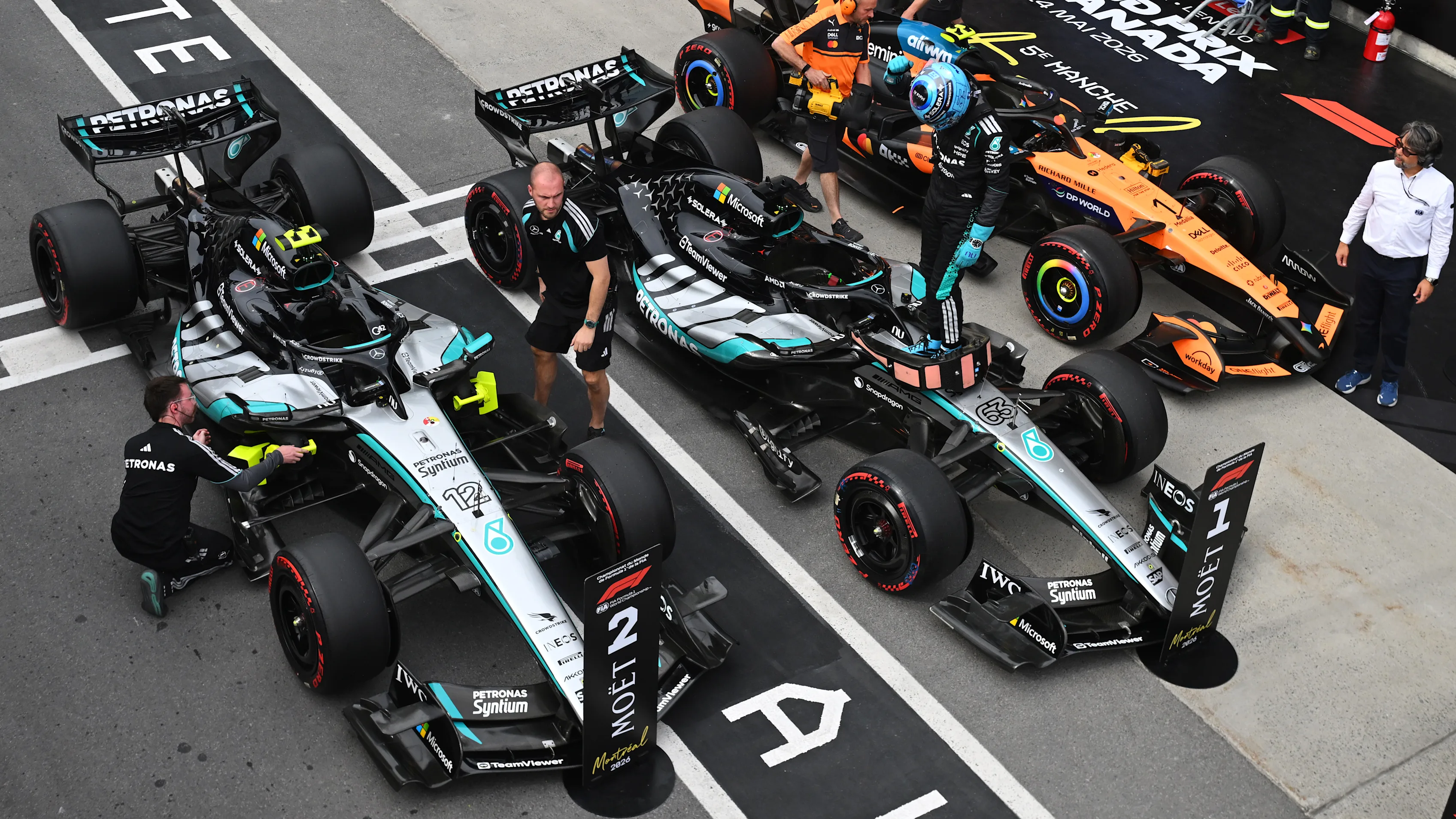
Lost slightly in the engine uproar, and it deserves better, was the other big story of the Montreal weekend's aftermath. Lewis Hamilton shut down the retirement talk once and for all.
The seven-time champion confirmed he remains under contract with Ferrari, said he will be in the sport "for quite some time," and added that he is already "thinking and planning for the next five years." Five years. From a driver who just delivered his best Ferrari result with second place in Montreal, that is not a farewell tour talking. That is a man building something.
It is worth pausing on what this means. Hamilton's move to Ferrari was always going to be judged on a longer timeline than a single season, and his Montreal podium, his second of the year and his highest finish in red, felt like the first real dividend. To hear him talk about a five-year horizon in the same breath is the clearest signal yet that he sees this as a project with a future, not a victory lap. The fashion icon, the cultural force, the seven-time champion, he is not done. Not even close.
There is a broader point here about longevity that transcends the timing sheets. Hamilton has spent two decades reinventing what a racing driver can be, on the track and far beyond it, and his insistence on planning five years out is the move of someone who still sees chapters left to write. In a week dominated by talk of engines and spreadsheets, his announcement was a reminder that the human stories are still the ones that move the needle. The paddock's most famous face is staying right where he is.
What Happens Next
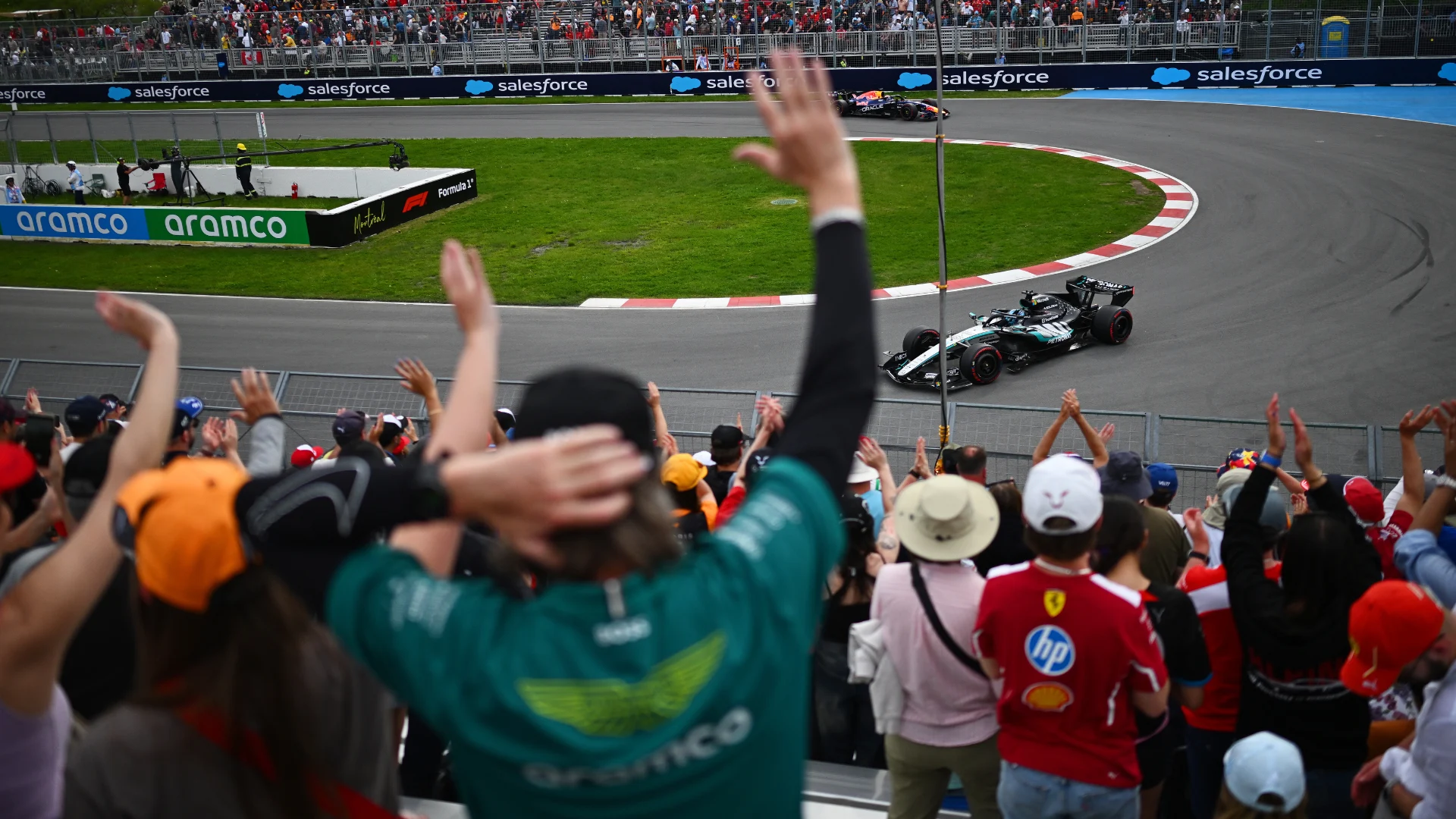
So where does this leave us? With a formal review, a paddock full of suspicion, and a set of upgrade windows that could reshape the season.
Red Bull's formal FIA review is the immediate next step. The team will want to understand exactly how the measurements were taken, what the benchmark represents, and why their combustion engine, the strongest in the sport by the FIA's own numbers, has not translated into the on-track dominance those numbers might suggest. Those are fair questions, and the FIA will have to answer them convincingly, because the credibility of the entire ADUO scheme is now on the line.
Then there are the upgrades themselves. Mercedes, officially two percent off the benchmark, gets to keep developing in-season. Ferrari, Audi, and Honda, four percent or more adrift, get two upgrade chances each. On paper, that is the system working as designed: the teams that need help get help. In the paddock, the interpretation is considerably spicier. Rival teams are openly wondering how the fastest power unit in the sport ended up qualifying for development aid, and whether those upgrades will stretch an already commanding advantage.
Here is the careful framing this story deserves. The FIA communicated its findings. The teams reacted as reported. Everything else, the theories about measurement methods, the whispers about what the numbers really mean, the suspicion that someone, somewhere, has gamed the system, is paddock interpretation. It is fascinating, it is probably half true, and it is not yet proven. The review will tell us more. Until then, the only certainty is that nobody in Formula 1 is talking about anything else.
One more thing worth watching: the timing. These upgrade windows do not exist in a vacuum. Every development decision a team makes now is filtered through the question of what the review will conclude and what the next measurement will show. Do you spend your upgrade tokens early, or hold them for later in the season? Do you trust the current numbers, or bet that the review changes them? The engineers are doing math. The strategists are doing game theory. And the rest of us are doing what we always do: watching, waiting, and refreshing.
Why This One Matters
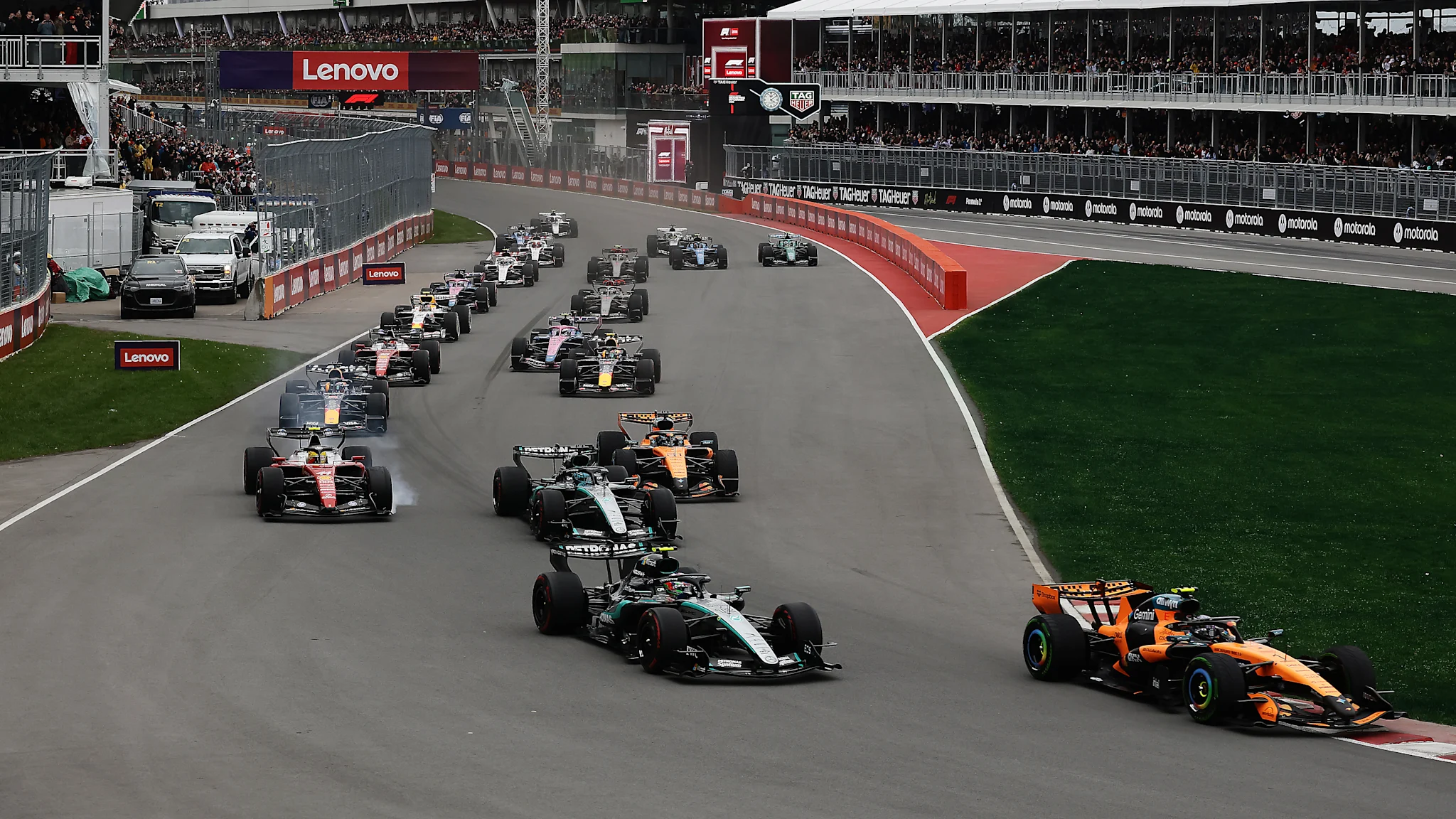
Engine politics rarely make for glamorous reading, but this is the rare technical story with championship implications hiding inside it. The 2026 regulations were supposed to reset the sport and keep it close. ADUO was supposed to be the safety net. Instead, the first review has produced a result that challenges everyone's assumptions about who is fast and why, and it has done it at the exact moment the championship fight is intensifying.
There is also something deliciously F1 about the whole thing. The most dramatic moment of the Montreal weekend did not happen on the track. It happened in an email, on a Sunday night, in a spreadsheet. Spies, secrets, and combustion engines. Only in this sport, and only in a season this unpredictable, could the leaderboard be upended without a single wheel turning.
FAQ
What is ADUO?
ADUO stands for Additional Development and Upgrade Opportunities. It is the FIA's engine equalization scheme for the 2026 regulations: manufacturers rated two percent or more off the benchmark power unit get homologation relief to keep developing, and those four percent or more adrift get two upgrade chances.
Why is Mercedes getting upgrades if its cars keep winning?
That is exactly the question consuming the paddock. The FIA rated Mercedes at least two percent off the benchmark on the combustion engine measure, which qualifies it for in-season upgrades under ADUO rules, even though Mercedes-powered cars won the first four races of 2026. The apparent contradiction is the heart of the controversy, and Red Bull has triggered a formal FIA review.
What did Red Bull say about the findings?
Max Verstappen said the team was "a little bit surprised" and confirmed Red Bull is talking to the FIA "to see what happened there." The team has since triggered a formal review of the FIA's findings.
What does this mean for the rest of the 2026 season?
Mercedes gets in-season development rights, while Ferrari, Audi, and Honda each get two upgrade chances. Red Bull, rated as having the most powerful combustion engine, gets no concessions. How those upgrades shift the competitive order, and what the FIA review concludes, will shape the rest of the season.
A Note on Sources
The FIA's ADUO review findings, team reactions, and driver quotes in this feature were verified against the official Formula1.com weekend reporting and cross-checked with coverage from Reuters, BBC Sport, Sky Sports, Crash.net, PlanetF1, and The Race. Paddock interpretation of the findings is labeled as such throughout; the apparent paradox of the rankings is presented as reported, without independent technical claims.