
By Paulina Phan, Senior Editorial Contributor | March 11, 2026
There is a particular kind of heartbreak that only a rules reset can produce. The cars look beautiful in the garage, the numbers on the simulator glow green, the team has spent two years and a fortune building something that is supposed to change everything, and then the lights go out and the whole magnificent machine coughs, stutters, and dies before it has even reached the grid. That was the Australian Grand Prix on Sunday, March 8: a race won brilliantly by George Russell, and haunted, from the first out-lap to a final classified finisher fifteen laps down, by the simple truth that the 2026 Formula 1 cars are fast and fragile in almost exactly equal measure.
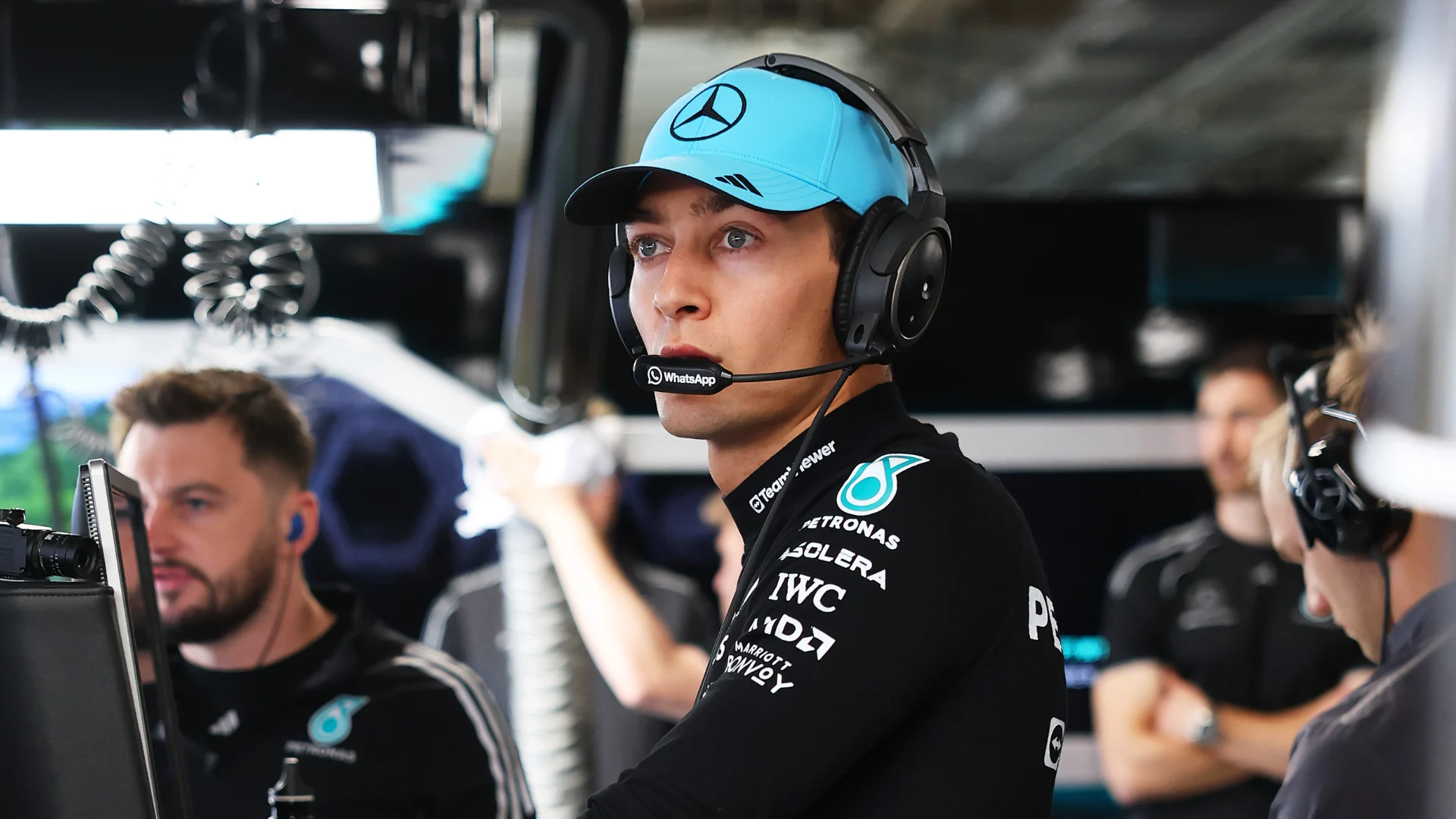
Fast, we knew. The new regulations promised lighter cars, active aerodynamics, and a power unit split close to fifty-fifty between the internal combustion engine and the electric motor, and Melbourne proved the promise is real. George Russell took pole with a 1:18.518, a lap that looked effortless, and on Sunday he converted it into a win ahead of Kimi Antonelli and Charles Leclerc. The Mercedes is a weapon. The lap times are there. The speed is not the problem.
The problem is everything else. Oscar Piastri, the home hero, crashed on his very first out-lap and completed zero racing laps of his home Grand Prix. Nico Hulkenberg never got to race at all, wheeled off the grid with a technical issue on what was supposed to be the proudest weekend of his career: Audi's debut as a full works team. Both Aston Martins retired and rejoined, one of them limping home fifteen laps down just to be classified. And the electrical gremlins that haunted McLaren in Melbourne would return in China to cause one of the most shocking pre-race scenes in recent memory.
So let us hold both truths at once, the way this sport asks us to. The 2026 season is going to be gorgeous. It is also going to be messy. And in Melbourne, the rookies understood something the machinery did not: when everything is falling apart around you, the smartest thing you can do is simply keep driving.
The Romance of a Reset
Every few years, Formula 1 tears up its own rulebook and starts again, and every time the same beautiful story gets told: the slate is clean, everyone has an equal shot, the giants can be toppled. The story is never quite true, because money and talent are never quite equal, but never quite false either. A reset really does scramble the order and hand the brave a window. It also means nobody, not even the team that got the regulations most right, fully understands the car they built. Understanding takes racing, racing takes laps, and laps are the one thing the new cars cannot seem to finish.
That is the part nobody puts on the launch-day posters. The renders are always immaculate, the liveries always sharp, the drivers always smiling with the confidence of people who have seen the wind-tunnel numbers. But a modern Formula 1 car is not really a machine in the old sense. It is a rolling negotiation between a combustion engine, a giant battery, a tangle of software, and a driver trying to translate all of it into speed. Change the terms of that negotiation as dramatically as the 2026 rules did, and the negotiation breaks down in ways nobody predicted. Cold tires meet new power delivery. Electrical systems meet thermal loads they were never tested for. Software meets reality. Reality, as always, wins.
Melbourne gave us the full spectrum in a single afternoon: a flawless winner, a home hero in the wall before the race had truly begun, a debut that never happened, two cars that died and were resurrected, and three rookies who drove like the chaos was happening to someone else. If that sounds like a lot for one Sunday, it was. This is what a rules reset looks like when the romance meets the road.
The Out-Lap That Broke a Nation's Heart
Let us start with the cruelest moment, because it was also the most instructive. Oscar Piastri, Melbourne's own, crashed on his out-lap: not in a wheel-to-wheel battle, not pushing for a fastest lap, but on the gentle reconnaissance tour before the racing begins. He completed zero laps of his home Grand Prix, and the grandstands that had roared for him fell into the particular silence only a home crowd can produce when its hero is gone before the story starts.
What does an out-lap crash tell us? Everything about the 2026 cars, if you know how to read it. Out-laps are slow, which means tires are cold, and cold tires are always the enemy. But the new cars add a second layer of menace: with the electric motor contributing roughly half the total output, torque arrives at the rear axle more sharply and less predictably, and far more dependent on battery state and software. A driver who spent his career learning to feel grip through the throttle suddenly has a new variable in the equation, and on cold tires, with no margin, the equation does not forgive.
Unlearning instinct
This is not a criticism of Piastri. It is an explanation of why the best drivers in the world will spend the first third of this season relearning instincts they thought were permanent. The 2026 cars punish the exact moments drivers used to take for granted: the out-lap, the warm-up lap, the gentle phase before the tires come in. Every input now flows through an energy management system deciding, millisecond by millisecond, how much of the push comes from fuel and how much from the battery. Get the balance slightly wrong on cold rubber and the rear steps out with a violence the old cars rarely produced. Piastri paid the price for a lesson the whole grid is still learning.
The warning nobody heard
And then there is the McLaren subplot, the one that makes Melbourne feel less like an accident and more like a warning. The electrical gremlins that troubled McLaren in Australia were not a one-off. They were a preview. One week later in Shanghai, both McLarens would be wheeled off the grid with separate electrical failures, failures traced to the Mercedes power unit itself, in a pre-race scene that stunned the paddock. Melbourne was the first cough. China was the diagnosis. The 2026 power units are masterpieces of engineering and, right now, temperamental ones.
There is a particular cruelty in electrical failures. A mechanical breakage is honest: something snaps, you see it, you fix it. An electrical gremlin hides. It appears in one session and vanishes in the next, leaving no smoke and no debris, just a car that will not do what it is told. For McLaren, a team with championship ambitions, to be haunted by invisible faults in the opening rounds is the kind of problem that keeps engineers awake. And the failures were traced to the power unit, the very heart of the new regulations, which suggests this story is not over.
The Debut That Never Happened
If Piastri's afternoon was cruel, Nico Hulkenberg's was quieter and sadder. The German veteran was supposed to spend the Australian Grand Prix living a dream: the first race of Audi's first season as a full Formula 1 works team, with Hulkenberg as the experienced hand chosen to lead the project. Instead, his car developed a technical issue on the grid and he was wheeled off before the start. Did Not Start. Three words that erase a weekend.
There is a special poignancy to a DNS on a debut weekend. A retirement during a race is at least a story; a DNS is a story that never got told. Hulkenberg did everything right and got to do nothing: all the preparation, all the simulator hours, all the careful work of building a relationship with a brand-new team, and the reward was a slow roll back down the pit lane while twenty other cars took the start he had earned.
The irony in the other garage
And the cruelest irony sat one garage over: his rookie teammate Gabriel Bortoleto, in the other Audi, drove a clean, composed race to finish ninth and score points in the team's first Grand Prix. The debut the team dreamed of happened, just not for the driver they had imagined it happening for. Bortoleto kept his nose clean while the machinery melted around him, brought the car home, and put Audi on the board on day one. That is racing. It does not care about your narrative.
The Audi story matters beyond one driver's disappointment, because works entries are the lifeblood of a rules reset. Audi bet the house on 2026, building its own power unit and arriving at exactly the moment the regulations changed, with the whole point being to arrive competitive from the first race. Melbourne suggested the pace might genuinely be there, Bortoleto's ninth place is real evidence, but it also suggested the reliability is not. A works team that cannot get both cars to the grid has a problem, and in a cost-capped sport, problems cost the one resource nobody can buy more of: time.
The Resurrections at Aston Martin
And then there were the Aston Martins, which gave Melbourne its strangest subplot. Both cars retired during the race, and both cars rejoined: a team cycling its cars through resets and fixes in real time, throwing everything at simply finishing. Lance Stroll was classified at the end, fifteen laps down. In a sport measured in thousandths of a second, finishing fifteen laps behind the winner is less a result than a statement of intent.
There is something admirable in that, and something alarming. Admirable, because the mechanics and engineers who got those cars back out deserve enormous credit; a rejoin is a small victory snatched from a lost afternoon. Alarming, because a team retiring both cars in the opening round of a new regulation cycle is a team whose understanding of its own package is, to put it kindly, incomplete. Aston Martin has invested enormously in its future, and Melbourne suggested the present still needs work.
Fifteen laps
The fifteen-laps-down classification will be a footnote by midseason, but it captures the 2026 season in miniature: the will is there, the engineering is not yet, and the gap between the two is where championships are lost. Every lap a wounded car circulates is a lap of risk to power unit components that must last the season under strict allocation limits. The decision to send both cars back out tells you everything about where Aston Martin's head is. They are not managing a season. They are surviving a shakedown, in public, at racing speed.
The Kids Were Alright
Now the other side of the story, and honestly the best part of the weekend. While the established machinery melted around them, three rookies kept their heads, kept their cars, and scored points.
Oliver Bearman finished seventh for Haas, a superb result for the young Briton: seventh in a midfield car on a day when staying on the road was half the battle is not luck, it is judgment. Arvid Lindblad scored points on his Grand Prix debut with eighth, announcing himself in the most emphatic way a rookie can. And Gabriel Bortoleto, the rookie in the Audi that worked, brought it home ninth in the team's first works race, giving Audi its first points as a constructor on day one.

Who looks ready
Which newcomers actually look ready? On Melbourne evidence, all three, and for different reasons. Bearman's seventh was the standout on pure pace, the drive of a driver who belongs at this level and knows it. Lindblad's debut points were the standout on composure, the drive of a driver who cannot be rattled, who treated the most chaotic opener in years like a Tuesday test. Bortoleto's ninth was the standout on professionalism, the drive of a driver who did his job while the spotlight burned his teammate's garage. Different virtues, same conclusion: the next generation is not waiting for permission.
There is a pattern here worth naming. The rookies had no old instincts to unlearn. They arrived in Formula 1 with the 2026 cars, which means they learned the new power delivery, the new tire behavior, the new everything, from scratch, without a decade of muscle memory telling them the car should behave a certain way. The veterans are translating; the rookies are native speakers. When the machinery is fragile, the drivers who stay calm inherit the points, and the calmest drivers in Melbourne were the ones with the least experience.
The Race Russell Won
Amid the chaos, it would be wrong to forget the actual racing, because at the front, one team looked anything but fragile. George Russell was imperious in Melbourne. Pole position with a 1:18.518, a lap of genuine authority, and then a controlled, professional victory on Sunday, leading home a Mercedes one-two ahead of Kimi Antonelli, with Charles Leclerc's Ferrari third. The Silver Arrows did not just win the opener; they made it look like the natural order of things.
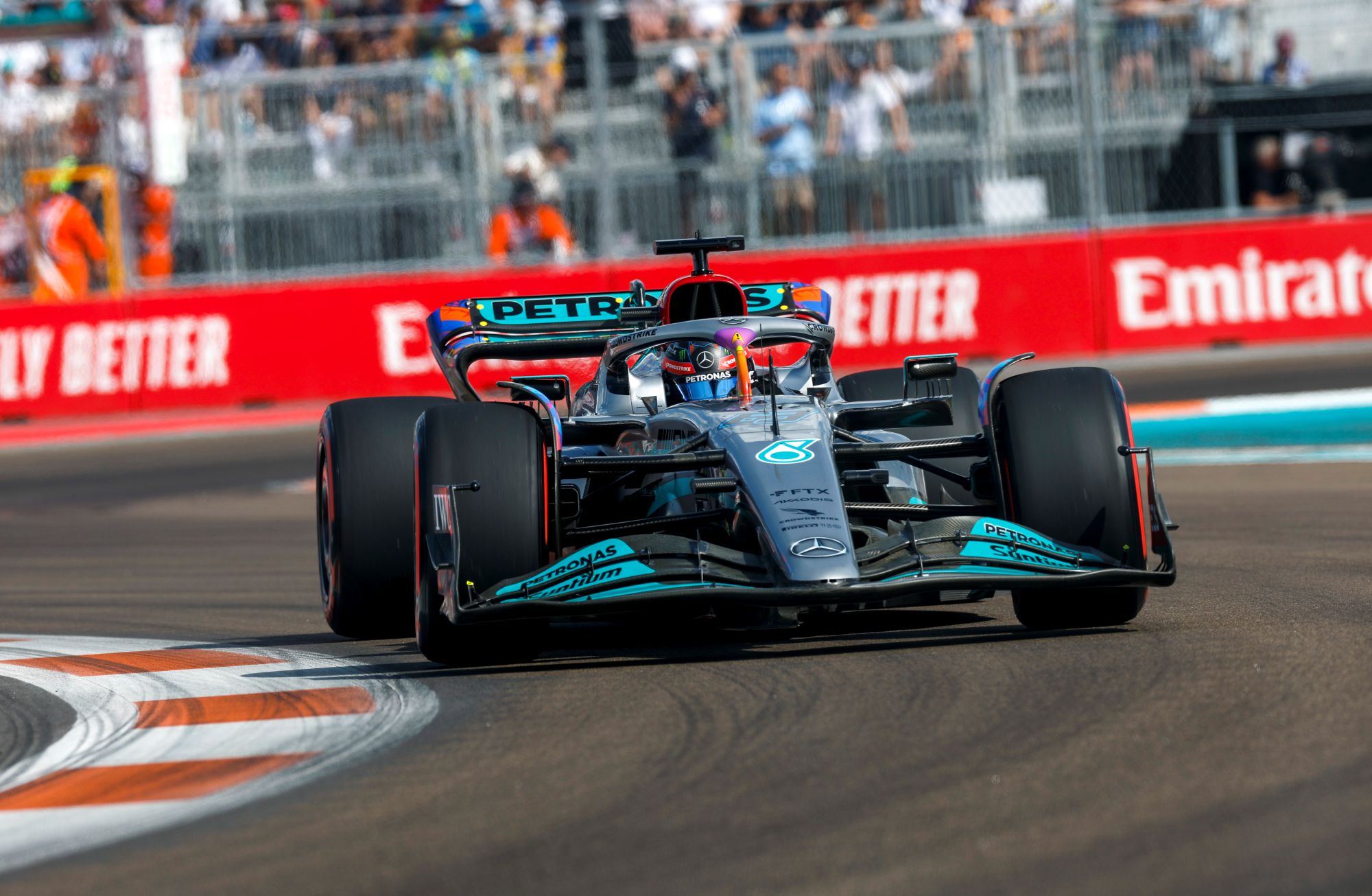
Russell's weekend was the template for how to handle a rules reset: be fast, be clean, be boring in the best way. While others found the limits of the new cars by exceeding them, Russell and Mercedes simply executed. The power unit that would fail the McLarens a week later in China ran flawlessly in the works cars. The tires that betrayed Piastri on his out-lap were managed without drama. It was, in the truest sense, a champion team's performance, and it announced Mercedes as the team to beat from the very first weekend.
The teenager in second
Antonelli's second place deserves its own appreciation. The teenager, in his first full season, finished second in the opening race of a new era, ahead of Leclerc's Ferrari, and looked completely at home doing it. If Melbourne was a test of composure under the strangest conditions, the nineteen-year-old passed it without visible strain. There was no wildness, no rookie lunges, just a fast young driver in a fast car doing exactly what the afternoon required. A week later in Shanghai, he would go one better. But that is another story, and what a story it is.
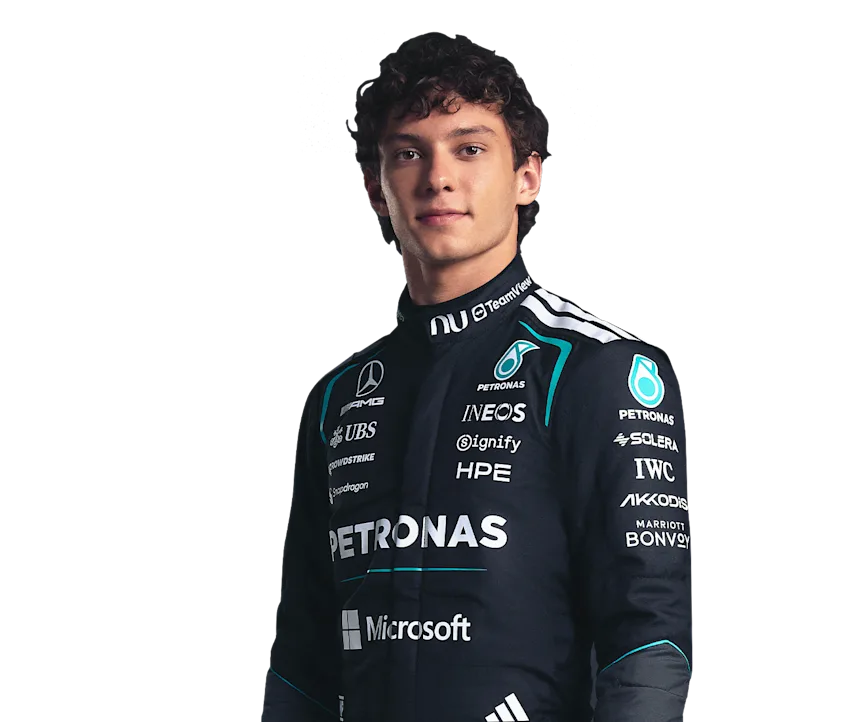
And Leclerc's third for Ferrari should not be overlooked. On a weekend when so much went wrong for so many, Ferrari got both the result and the reliability, banking a podium that would look increasingly valuable as the season's chaos unfolded. The scarlet cars were not the fastest in Melbourne, but they were there at the end, which in March 2026 counted for more than usual.
Fast Is Not Finished
So where does Melbourne leave us? With a leaderboard that looks familiar at the top, Mercedes, Mercedes, Ferrari, and a reliability picture that looks like nothing Formula 1 has seen in years. The 2026 cars are fast; the lap times prove it. But fast is not finished, and finished is what wins championships. The team that masters reliability first will have an advantage no wind tunnel can provide.
The romance of a rules reset is real: new winners, new faces, new stories. But the reality is sitting in the garages this week, in the data traces and the failure analyses, in the quiet meetings where engineers ask why a car died on the grid and how to make sure it never happens again. Piastri will get his home race back. Hulkenberg will get his debut. The Aston Martins will, presumably, learn to finish. And the rookies will keep doing what rookies do when the world is on fire: drive.
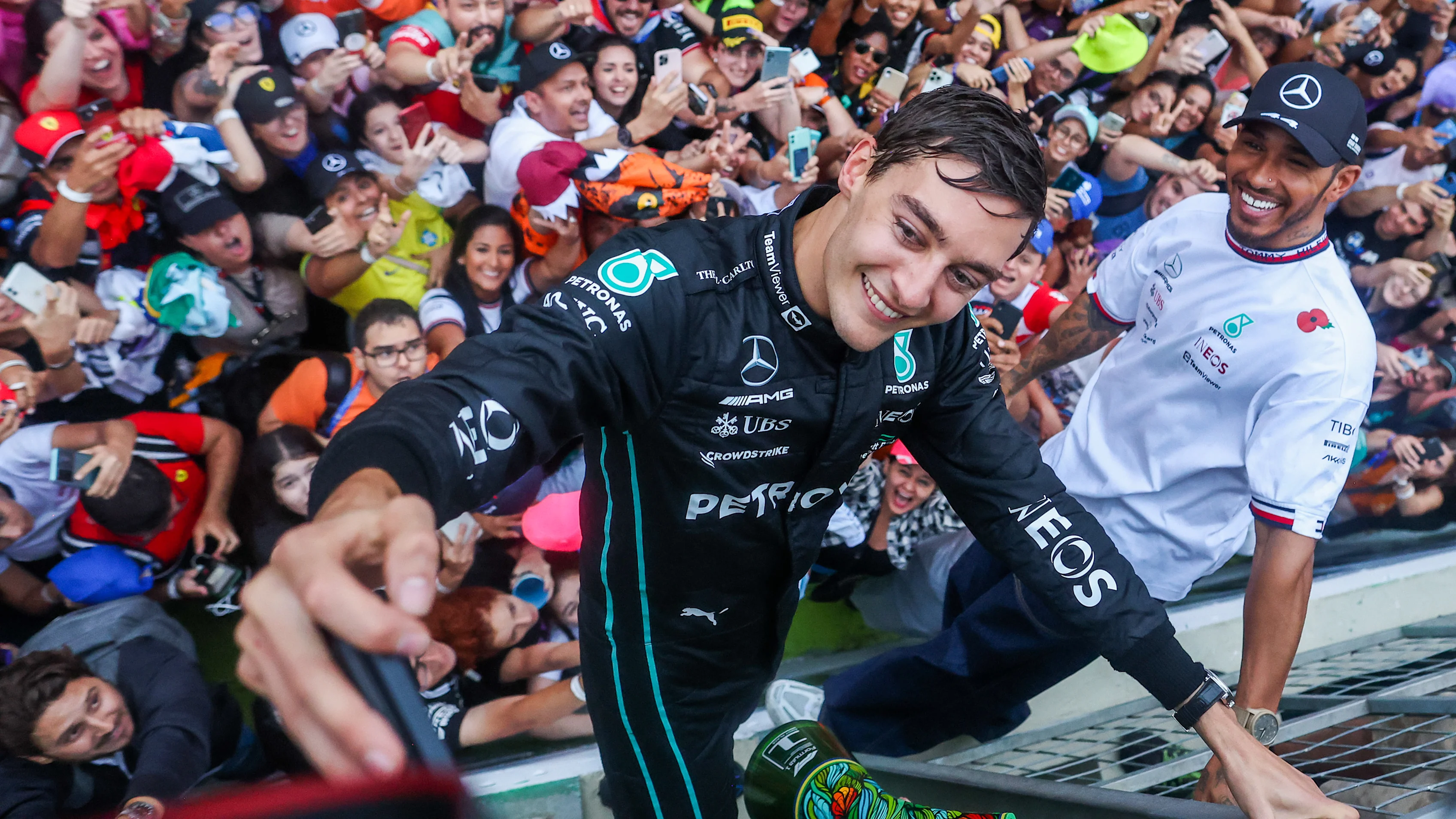
Two DNSs' worth of heartbreak, one fifteen-laps-down classification, and three rookies in the points. That was Melbourne. The 2026 season is going to be a classic, not because the cars are perfect, but because they are not. The imperfections are where the stories live. And if the opener is any indication, we are going to have stories for months.
FAQ
Who won the 2026 Australian Grand Prix?
George Russell won the season-opening Australian Grand Prix in Melbourne on March 8, 2026, driving for Mercedes. He took pole position with a 1:18.518 and led home teammate Kimi Antonelli for a Mercedes one-two, with Charles Leclerc third for Ferrari.
Why did Oscar Piastri crash in Melbourne?
Piastri crashed on his out-lap at his home Grand Prix and completed zero racing laps. The incident pointed to the challenges of the 2026 regulations: cold tires combined with the sharply different power delivery of the new power units, which split output roughly fifty-fifty between the combustion engine and the electric motor.
What happened to Nico Hulkenberg's Audi debut?
Hulkenberg's car developed a technical issue on the grid and he was wheeled off before the start, recording a Did Not Start on Audi's first weekend as a full Formula 1 works team. His rookie teammate Gabriel Bortoleto finished ninth in the other Audi, scoring the team's first points.
Which rookies scored points in Melbourne?
Three rookies scored on the opening weekend: Oliver Bearman finished seventh for Haas, Arvid Lindblad scored points on debut in eighth, and Gabriel Bortoleto finished ninth for Audi.
A Note on Sources
Race results, qualifying times, finishing positions, retirements, and Did Not Start classifications in this feature were verified against the official Formula1.com race report for the 2026 Australian Grand Prix and cross-checked with coverage from Reuters, BBC Sport, Sky Sports, and The Race. Analysis of the 2026 technical regulations reflects the published rule changes for the new power unit formula.