
By Paulina Phan, Senior Editorial Contributor | April 6, 2026
Three races. Three different countries, three different winners' stories, and one very clear message: the new era of Formula 1 has a shape already, and her name is Mercedes. The opening triple-header, Australia to China to Japan, was supposed to be the feeling-out phase, the polite opening rounds where everyone learns their new cars and nobody draws conclusions. Instead it gave us a nineteen-year-old championship leader, a team that treats pole position like a birthright, and a collection of disasters so varied that you could set them to music. So let us do what any self-respecting column does after three races and hand out the verdicts: who won the triple-header, who lost it, and what it all means with the calendar now going quiet until Miami.
The Winners
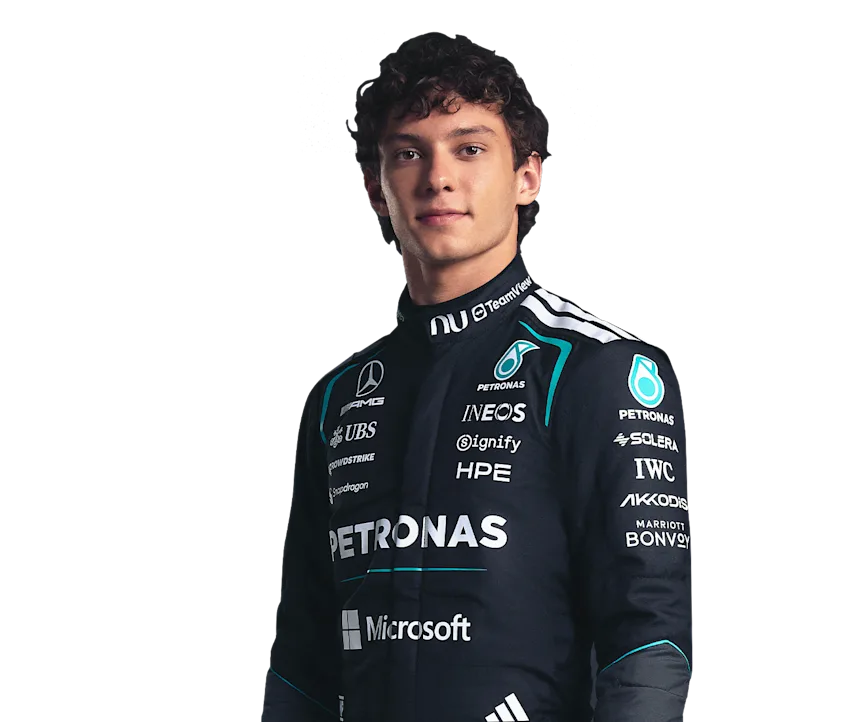
Kimi Antonelli: nineteen, fearless, and leading the championship
Two wins from three races. The youngest championship leader in the history of Formula 1. Nineteen years old, in his first season with the pressure of a top seat, driving like he has been doing this for a decade. Kimi Antonelli did not just win the triple-header. He announced himself as the face of the new era, and he did it with the kind of calm that makes veteran observers reach for the superlatives they usually save for much later.
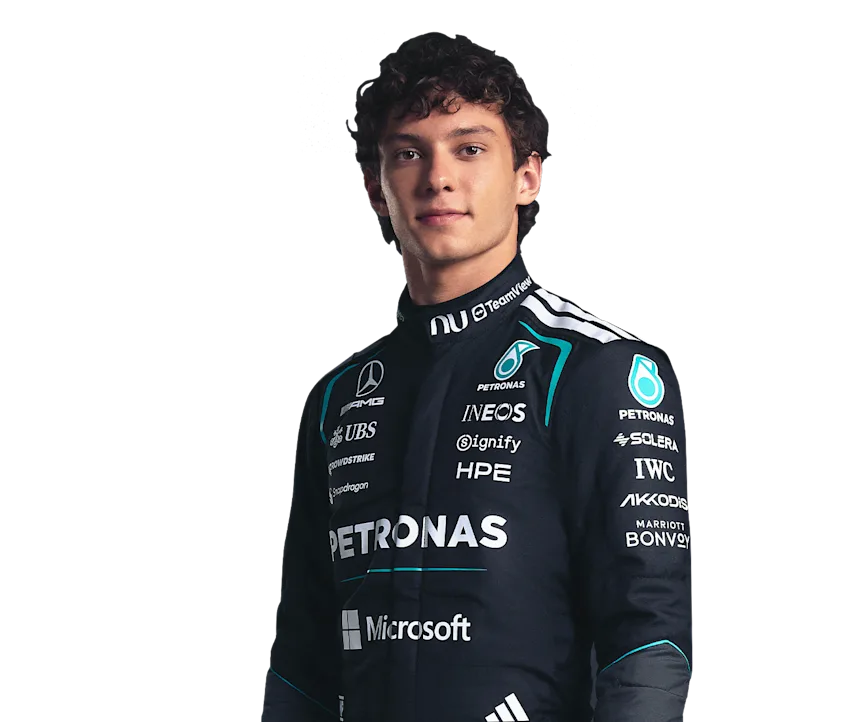
What is most striking about Antonelli's start is not the speed, though the speed is outrageous. It is the completeness. He won in Australia to open the season, the kind of debut victory that instantly rewrites expectations, and then he won again at Suzuka to close the triple-header, taking the championship lead with it. Between those wins came the maturity to bank points when the win was not available. That is the part that separates prodigies from champions: anyone can be fast at nineteen, but very few nineteen-year-olds know when not to be.
There is also something quietly thrilling about watching a teenager handle the machinery of modern Formula 1, the media obligations, the technical debriefs, the weight of driving for Mercedes, with such apparent ease. He smiles through it all, this kid who looks like he should be studying for exams, and then he goes out and dismantles a field of world champions. The sport has seen teenage sensations before, but it has never seen one quite like this, this early, this composed.
There is a particular delight in the details, too. Antonelli still has the mannerisms of a teenager, the easy grin in interviews, the visible awe when he talks about racing drivers he grew up watching, and then he climbs into the car and drives with the cold precision of a veteran. That contrast is catnip for fans, and it is why his rise feels different from the usual prodigy narrative. He is not performing maturity. He seems to simply have it, the way some people simply have perfect pitch. At nineteen, leading the championship, in a brand-new era, he is not just winning races. He is making the impossible look like a lifestyle choice.
Mercedes: three poles, two one-twos, and a car that loves Saturday
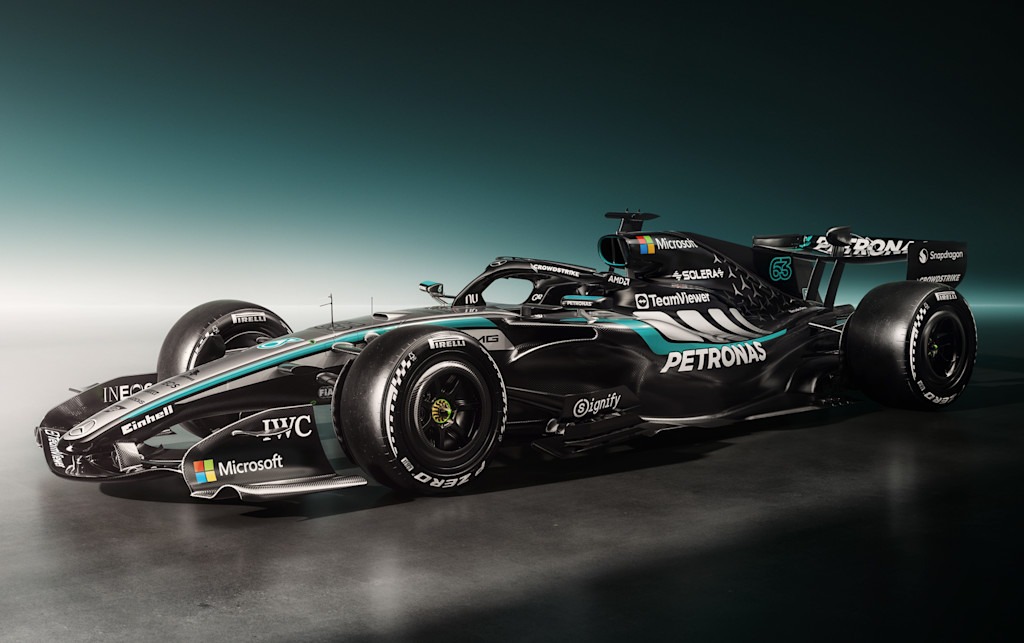
If Antonelli is the face of the new era, the Mercedes W17 is its machinery. Three pole positions from the first three qualifying sessions. Two one-two finishes. A car that arrives at every circuit and immediately sets the terms of the weekend. The new regulations were supposed to reshuffle the deck, to give everyone a fresh start and a fair fight. Instead, Mercedes did what Mercedes has always done when the rules change: it read them better than everyone else.
The qualifying dominance is the headline, and it is worth sitting with for a moment. In an era where the cars are brand new, where every team is guessing at solutions and discovering problems in real time, Mercedes has produced a car that is simply fastest over one lap, everywhere, every time. That does not happen by accident. It happens through thousands of correct decisions made over years, through a technical organization that treats regulation changes as opportunities rather than threats. Love them or loathe them, you have to admire the machinery of it, the beautiful ruthlessness of a team that refuses to be caught out.
And here is the part that should worry everyone else: this looks sustainable. Regulation changes are supposed to be the great disruptor, the moment when clever small teams outfox the giants. But Mercedes treats a new rulebook the way a great chess player treats a new opponent, as a puzzle to be solved faster than anyone else. The W17 is not just fast. It looks like the product of a team that understood the assignment before the assignment was fully written. Three races in, the rest of the grid is not asking how to beat Mercedes. It is asking how Mercedes keeps doing this.
The two one-twos tell the deeper story. Qualifying pace is one thing; converting it into maximum team results is another, and Mercedes has done both. The intra-team dynamic, Antonelli versus Russell, is already the most compelling teammate battle in the sport, and the fact that both drivers are winning races this early says everything about the car's margin over the field. When your two drivers are fighting each other for wins, everyone else is fighting for third.
George Russell: a win in China and proof he is not going anywhere
It would have been easy, in the afterglow of Antonelli's arrival, to cast George Russell as the supporting act. The veteran teammate. The safe pair of hands. The guy who keeps the seat warm while the prodigy learns. Russell had other ideas. His victory in China was emphatic, the kind of controlled, commanding drive that reminded everyone why Mercedes promoted him in the first place, and it put him top of the championship after round two.
That matters more than it might seem. Leading the championship, even briefly, even after just two rounds, is a statement of intent. It says: I am not here to play the experienced number two. I am here to win the title myself. The dynamic between Russell and Antonelli is fascinating precisely because both drivers have now led the championship within the first month of the season, and neither looks remotely willing to yield. Teammate wars have decided championships before, and this one has all the ingredients: youth versus experience, raw speed versus refined craft, and a car good enough that the only real competition is in the other garage.
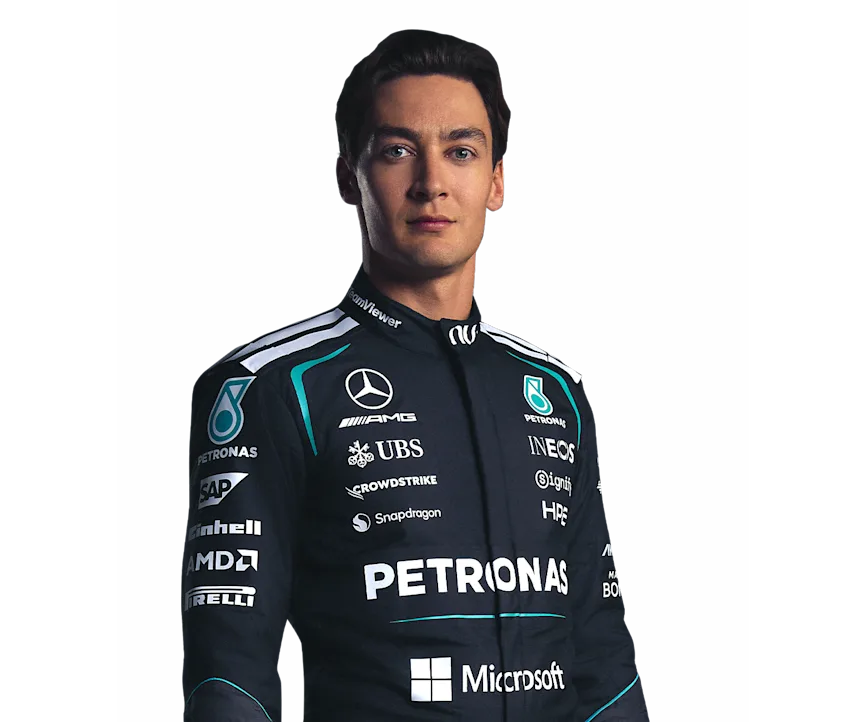
Russell deserves credit for something else too: grace under the strangest pressure in the sport. Being teammates with a teenage phenomenon could curdle into resentment. Instead, Russell has responded the only way that matters, by winning. The China victory was his answer to every question about his place in the team. He is not going anywhere, and the championship fight is not a coronation. It is a contest.
The Losers
McLaren: the fastest car that never got to race
Now for the painful part. McLaren arrived in 2026 with genuine expectations, a team that had spent the previous era building toward this moment, and the opening triple-header gave them almost nothing to show for it. Electrical failures wrecked their first two rounds so completely that Oscar Piastri reached the end of round two having completed zero racing laps. Zero. Two Grands Prix, two continents, and not a single racing lap to show for it.
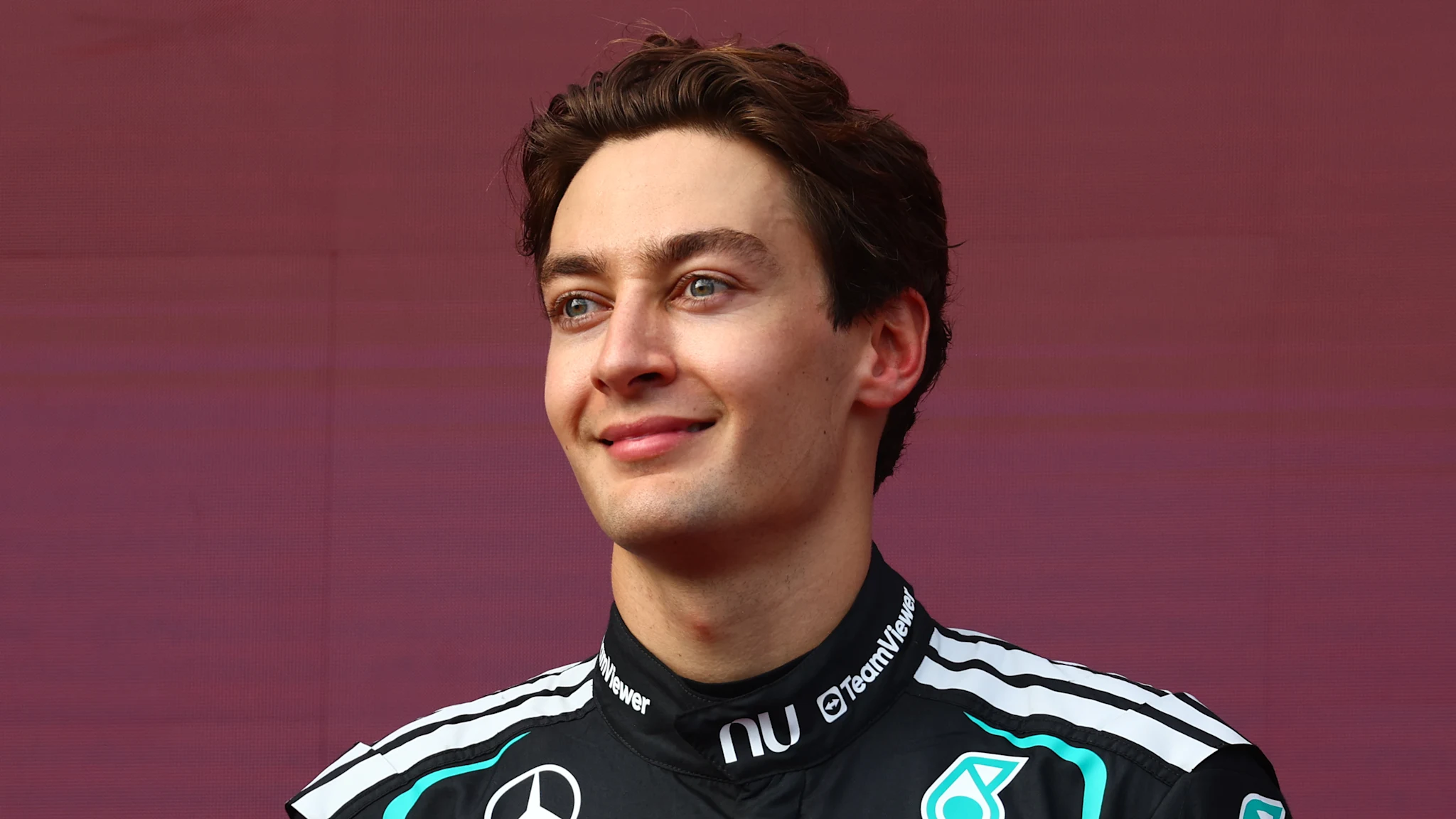
Let that sink in, because it is almost hard to believe. In a sport measured in thousandths of a second, McLaren could not even get to the measuring. Electrical failures are the cruelest kind of problem in modern Formula 1 because they are invisible and absolute: the car looks perfect, the driver is ready, the strategy is set, and then nothing. No drama, no heroic fightback, just silence and a long walk back to the garage.
For Piastri, the human cost is the real story. A racing driver is a creature of rhythm, and rhythm comes from laps, hundreds of them, the slow accumulation of feel that turns a fast car into a winning one. Two weekends without racing laps is not just lost points. It is lost development as a driver, lost confidence, lost chances to learn the new machinery while his rivals bank the experience. He will get his laps, eventually, but he will never get these ones back, and in a 22-race season, every lost weekend echoes a little longer.
The tragedy is that McLaren's underlying pace may be genuine. When the car has run, there have been flashes of the speed the team expected. But pace you cannot deploy is just a rumor, and three races into a 22-race season, McLaren is already in damage limitation mode. The five-week break before Miami is either a lifeline or a torment, depending on whether the factory can find the fault. For Piastri especially, who has now lost two of the most precious things in a young driver's career, momentum and seat time, Suzuka could not come soon enough, and Miami cannot come soon enough after that.
Aston Martin-Honda: a home race to forget
If McLaren's pain was electrical, Aston Martin's was hydraulic and humiliating in equal measure. Lance Stroll's water pressure issues turned race weekends into exercises in nursing a sick car, the kind of problem that makes every lap an anxious negotiation between driver and dashboard. And then came Suzuka, Honda's home race, the weekend the Japanese manufacturer had circled in red, and Fernando Alonso finished a lap down.
A lap down. At Honda's home race. In front of Honda's home crowd. There is no way to dress that up, so let us not try. For a works partnership in its first season, the home race is supposed to be the showcase, the weekend when all the late nights at the factory get their reward in front of the people who funded them. Instead, Aston Martin-Honda left Suzuka with questions that will follow them all the way to Miami and beyond.
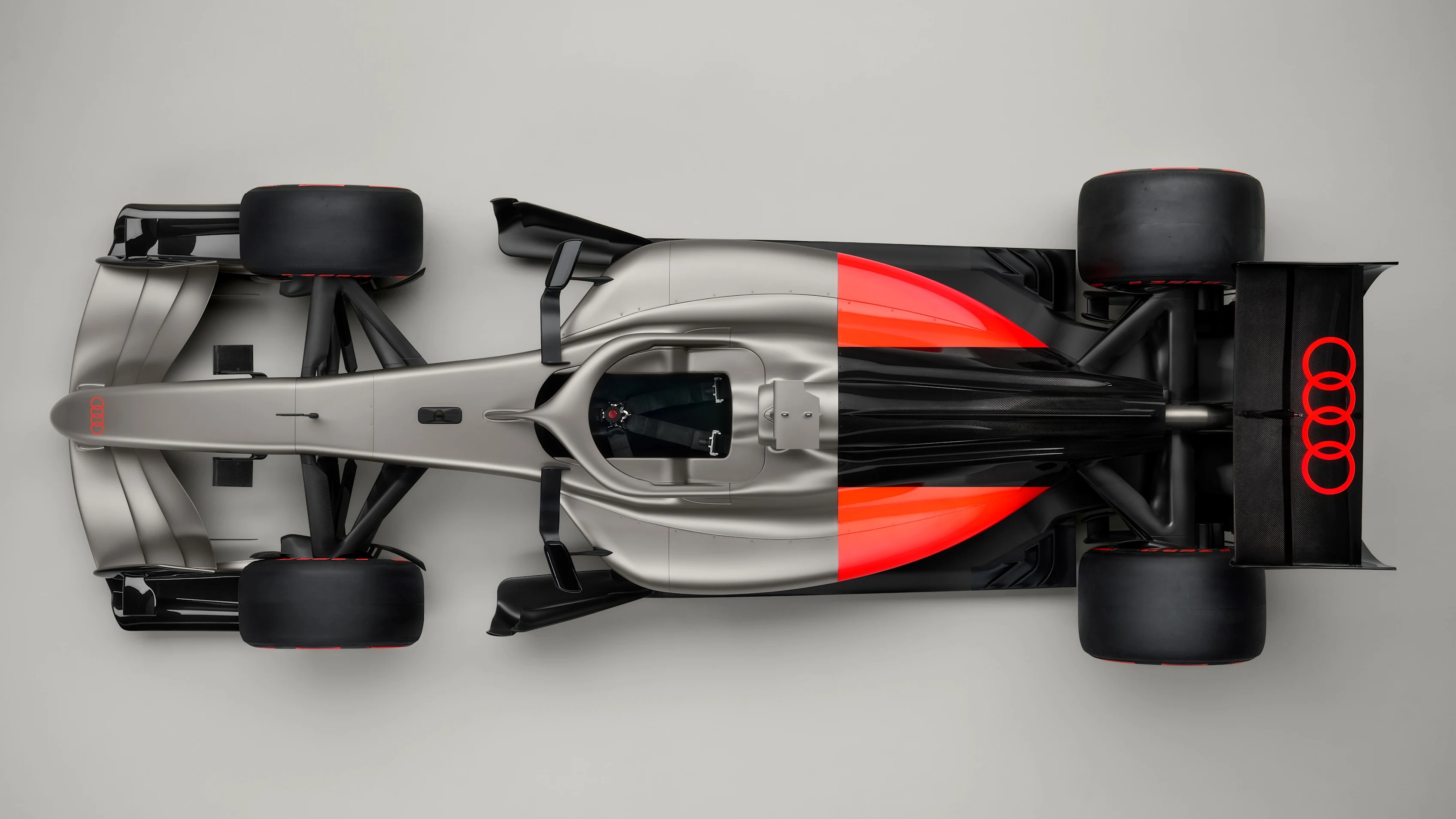
The concern here runs deeper than one bad weekend. Honda returned to Formula 1 as a full works partner with championship ambitions, and the power unit is the foundation everything else is built on. Water pressure issues and a lap-down home race suggest problems that are structural rather than circumstantial, the kind that take months rather than weeks to solve. Alonso, at this stage of his legendary career, does not have months to waste. Every wasted weekend for him is a weekend he will never get back, and the clock is the one opponent even he cannot outdrive.
Cadillac: present, accounted for, and off the pace
And then there is Cadillac, the eleventh team, the great American adventure, the new name on the grid that was supposed to bring fresh energy to the sport. Three races in, the honest assessment is this: they are finishing races, which for a brand-new team is genuinely an achievement, but they are finishing them off the pace, and the gap is not small.
There is no shame in this, or at least there should not be. New teams in Formula 1 have always needed time; the sport is too complex, the learning curve too steep, for instant competitiveness. Finishing races means the fundamentals work: the car is reliable, the operations are functional, the team can get two cars to the flag. That is the foundation, and plenty of new entrants have failed to lay even that much. But foundations are not points, and in a 22-race season, the midfield will not wait politely while Cadillac finds its feet.
The question for Cadillac is the same one every new team faces: how long is the runway? The five-week break gives them something precious, time to analyze three races of data without the pressure of an imminent flight. But data only helps if you know what to do with it, and the gap to the established teams is the kind that usually takes seasons, not weeks, to close. Patience is the word everyone will use. Whether anyone actually has it is another matter.
Still, there is something genuinely likable about the Cadillac project, and it is worth saying so. In a sport that can feel like a closed shop, a new team is a small act of optimism, a bet that there is room for one more dream on the grid. The American fanbase has embraced them, the livery looks sharp under the lights, and every finished race is a small victory worth acknowledging. The pace will come, or it will not, but the ambition deserves its moment. Every giant on this grid was once the new team that everyone expected to fail.
The Pattern of 2026 (So Far)
Three races is a small sample, and every analyst in the paddock will tell you not to draw conclusions yet. But patterns are already emerging, and the clearest one is also the most important: Mercedes owns Saturday, and Sunday belongs to whoever survives.
Saturday belongs to Mercedes
Three poles from three sessions is not a fluke. It is a statement about the fundamental pace of the W17, and it shapes every race weekend before a wheel turns in anger on Sunday. When one team locks out the front row conversation every single Saturday, the rest of the grid is immediately playing catch-up, planning races around damage limitation rather than victory. Qualifying dominance is the most demoralizing kind of dominance because it is so public, so measurable, so impossible to argue with. The stopwatch does not lie, and right now it is telling everyone the same thing.
Sunday belongs to chaos
But here is the twist that keeps this season interesting: for everyone else, race day has been fragile. McLaren's electrical failures. Aston Martin's water pressure woes. The sense, weekend after weekend, that the cars behind Mercedes are fast enough to fight but fragile enough to break. It has created a strange dynamic where the most exciting battles are not for the win, which Mercedes has largely controlled, but for survival, for the scraps of points available to whoever keeps their car alive.
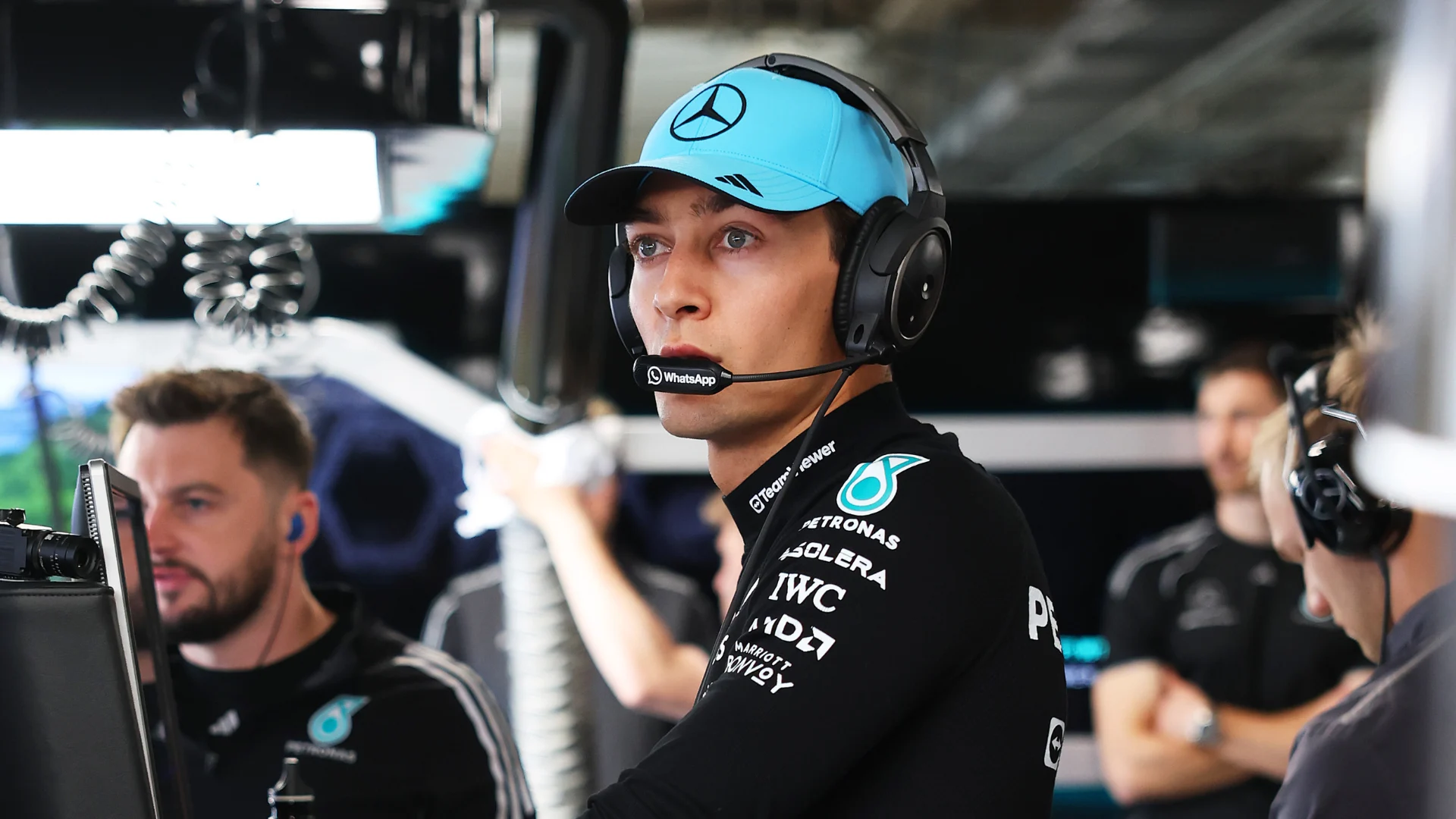
This is the pattern to watch when racing resumes in Miami. If Mercedes' qualifying advantage holds and the chasing pack sorts its reliability, we could have a genuine fight on our hands. If the fragility persists, the season risks becoming a procession with entertaining midfield chaos, which is fun but not quite a championship. Either way, the triple-header taught us this: in 2026, being fast is not enough. You have to be fast on Saturday and alive on Sunday, and right now only one team is managing both.
There is a strange beauty in that fragility, though, and as fans we should probably savor it while it lasts. The new regulations were meant to create exactly this kind of uncertainty, weekends where nobody quite knows which cars will make it to the flag. The chaos is the point, or at least part of it. A season where the fastest car always wins is a parade. A season where the fastest car might not finish is a story. Three races in, 2026 is very much a story, and we have barely finished the prologue.
FAQ
Who leads the drivers' championship after the opening triple-header?
Kimi Antonelli leads the championship after wins in Australia and Japan, making him the youngest championship leader in Formula 1 history at 19 years old. George Russell led the standings after round two following his victory in China.
What went wrong for McLaren in the first three races?
McLaren were hit by electrical failures across the opening rounds, problems severe enough that Oscar Piastri had completed zero racing laps after the first two Grands Prix. The team showed flashes of underlying pace when the car ran, but reliability rendered it meaningless.
Why was Suzuka such a bad weekend for Aston Martin-Honda?
Suzuka is Honda's home race, which made Fernando Alonso finishing a lap down especially painful for the new works partnership. Combined with Lance Stroll's water pressure issues, it was a weekend that raised structural questions about the project rather than circumstantial ones.
When does Formula 1 racing resume?
The Miami Grand Prix on May 3, a sprint weekend. The Bahrain and Saudi Arabian Grands Prix, originally scheduled for April 12 and 19, were cancelled due to the Middle East conflict, creating a five-week gap after the Japanese Grand Prix on March 29.
A Note on Sources
Race results, qualifying records and championship standings in this column were verified against official Formula1.com reporting and cross-checked with coverage from Reuters, BBC Sport, Sky Sports, Crash.net and The Race.