
By Paulina Phan, Senior Editorial Contributor | May 18, 2026
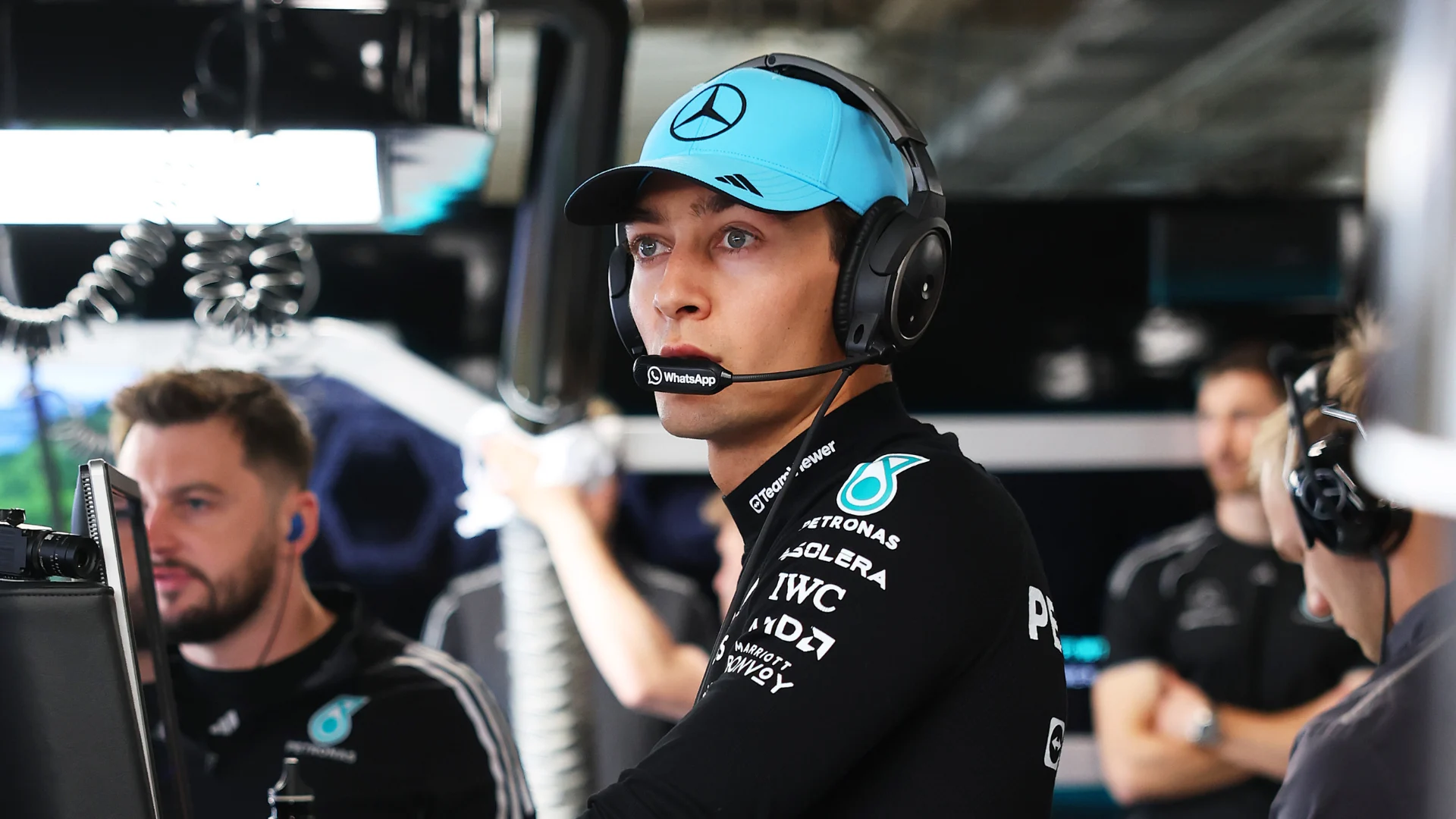
There are circuits where a driver just looks right, and for George Russell, the Circuit Gilles-Villeneuve is one of them. He won here in 2025, and he arrives in Montreal this week as the man to watch, the hunter rather than the hunted, on a weekend that is already shaping up to be one of the most intriguing of the season. The Canadian Grand Prix runs May 23 to 24, and for the first time in the long history of this race, it comes with a sprint weekend attached. One practice session. A sprint race on Saturday. A Grand Prix on Sunday. And, hanging over all of it, an official "Rain Hazard" warning from race director Rui Marques.
This is the fifth round of the 2026 championship, and the storylines are stacking up beautifully. Kimi Antonelli leads the drivers' standings by about 20 points over his Mercedes teammate, but Russell has the momentum of a homecoming, if you can call a circuit 5,600 kilometers from King's Lynn a homecoming, and Mercedes is bringing a major upgrade package to the one circuit on the calendar where its strengths matter most. Add Montreal's habit of producing chaos, its party-town atmosphere, and weather that refuses to behave, and you have all the ingredients for a classic. Here is everything to watch.
The Man to Watch
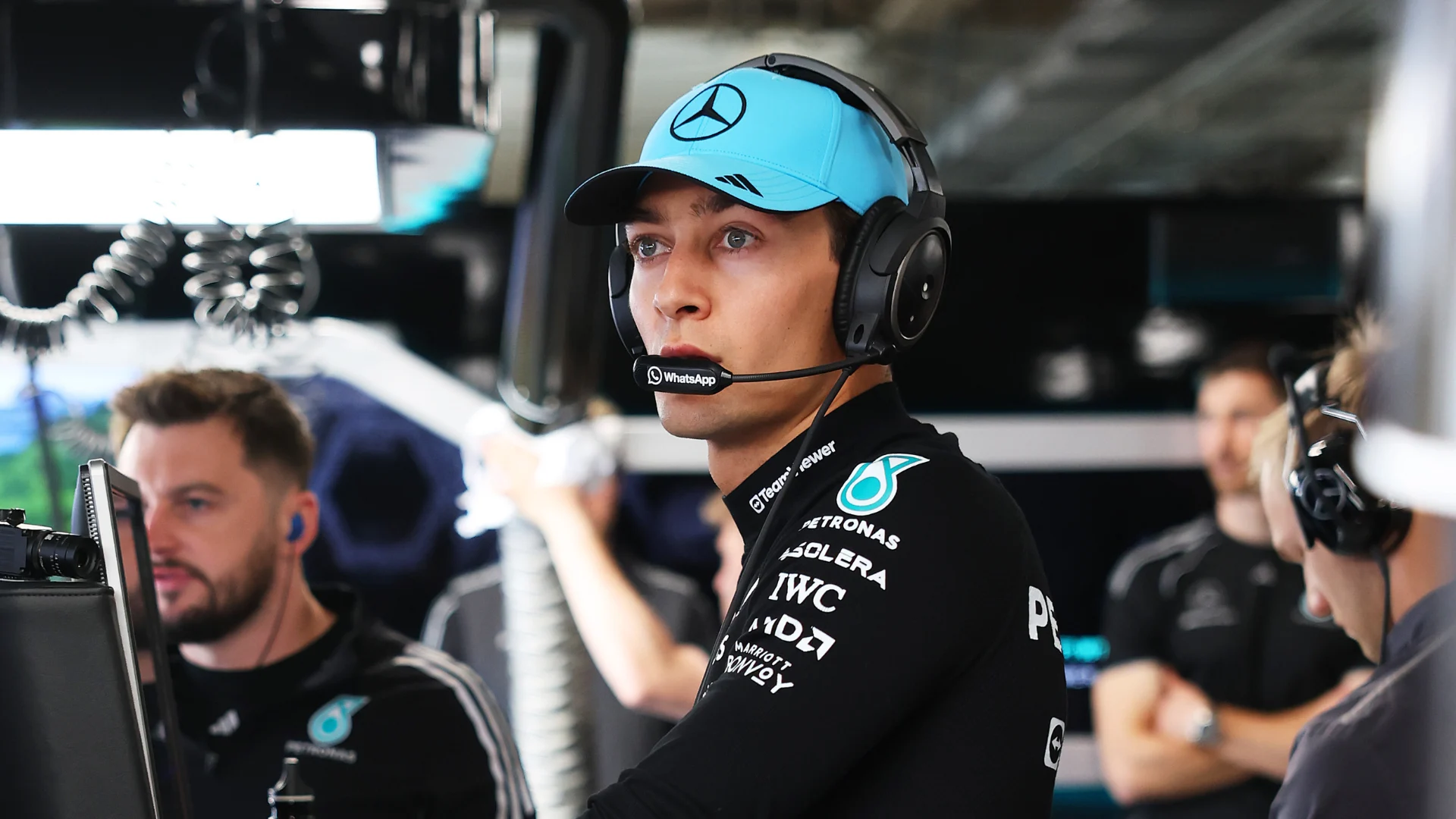
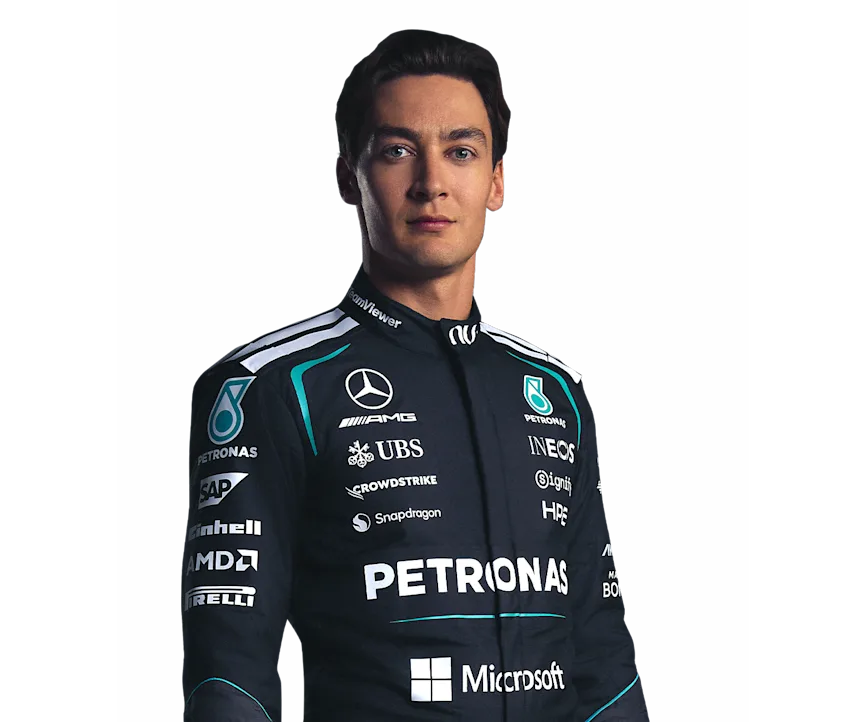
Let us start with the obvious. George Russell won the Canadian Grand Prix in 2025, and drivers who win at a circuit tend to carry something extra when they come back. It is part memory, part confidence, part the quiet knowledge that the place owes you nothing but has given you everything. Russell opened the 2026 season with victory in Melbourne, announcing himself as the championship favorite, and while the season has since tilted toward his teenage teammate, Montreal is the kind of reset a driver like Russell lives for.
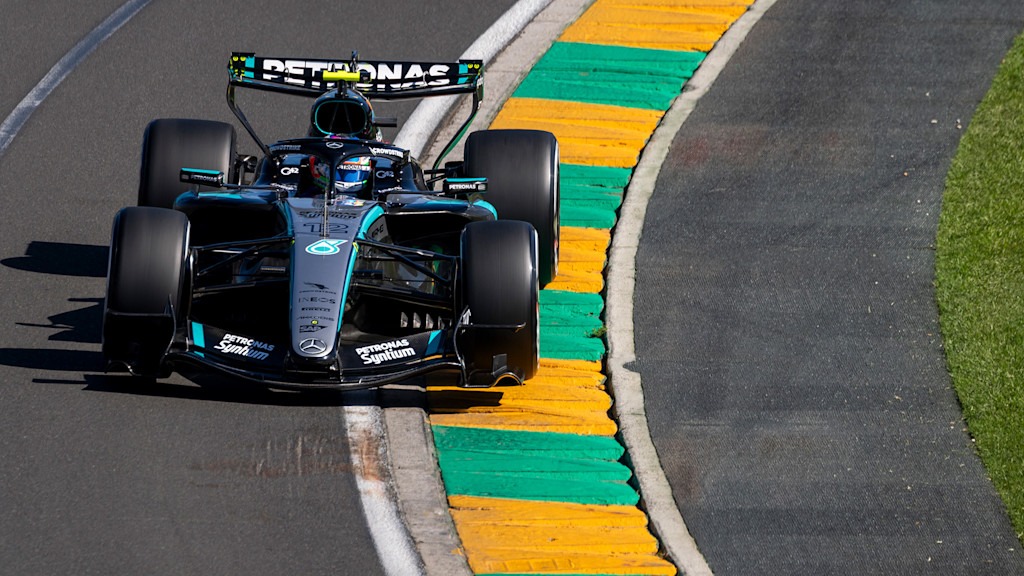
The calendar logic favors him too. The Circuit Gilles-Villeneuve is a power circuit with a braking problem, or a braking circuit with a power problem, depending on how you look at it. Long straights reward the strongest power units, and all season the Mercedes power unit has been the benchmark. Slow chicanes and the famous hairpin punish anyone who cannot get the car stopped and turned, which rewards the kind of precise, clinical driving Russell does at his best. He is not the flashiest driver on the grid, but point him at a sequence of heavy braking zones and he is as metronomic as anyone in the sport.
There is also the matter of pride. Antonelli has won the last three Grands Prix, in China, Japan, and Miami, and the 20-point gap between the Mercedes teammates is the defining tension of the season so far. Russell finished fourth in Miami, a solid result, but he watched his teammate take a third straight pole and a third straight win while McLaren's Lando Norris stole the Saturday headlines. A driver of Russell's ambition does not enjoy being the second storyline in his own team for long. Montreal, where he has already proven he can win, is the perfect stage for a response.
And then there is the fashion of it all, because this is Montreal, and Montreal is a vibe. The paddock in Canada has its own energy, European glamour filtered through North American ease, and Russell, with his sharp tailoring and sharper one-liners, fits this weekend like it was designed for him. He is the kind of driver who treats a Thursday media day like a runway and a Sunday afternoon like a job interview with destiny. Watch the walk-in. It will tell you everything about his mood.
A First for Montreal: The Sprint Weekend
For all its history, the Canadian Grand Prix has never hosted a sprint weekend, until now. The 2026 season features six sprint events, and Montreal's May 23 to 24 round is the third of them, following China and Miami. If you are new to the format, here is how it works: instead of the usual three practice sessions, teams get just one hour of running on Friday before sprint qualifying sets the grid for Saturday's sprint race, a 100-kilometer dash with points for the top eight finishers. Then it is back to business as usual, with Grand Prix qualifying on Saturday afternoon and the 70-lap main event on Sunday.
What the sprint format does, more than anything, is compress the margin for error. With only one practice session, teams arrive with their simulations and their best guesses, and the ones who guessed wrong have nowhere to hide. Setup mistakes get punished. Bold choices get rewarded. And at a circuit like Montreal, a narrow ribbon of asphalt with walls never far away, the sprint has a habit of producing the kind of first-lap incidents that reshape a whole weekend.
The form book from the season's previous sprints is instructive. In Miami, the sprint weekend produced the first non-Mercedes pole position of 2026, Norris topping sprint qualifying, and the first non-Mercedes win of any kind, Norris leading a McLaren one-two on Saturday. The sprint, in other words, is where the established order is most vulnerable. Mercedes has been the class of the field on Grand Prix Sundays, but Saturdays have told a spicier story. If you are looking for the weekend's chaos factor, start here.
Why Montreal Suits Mercedes
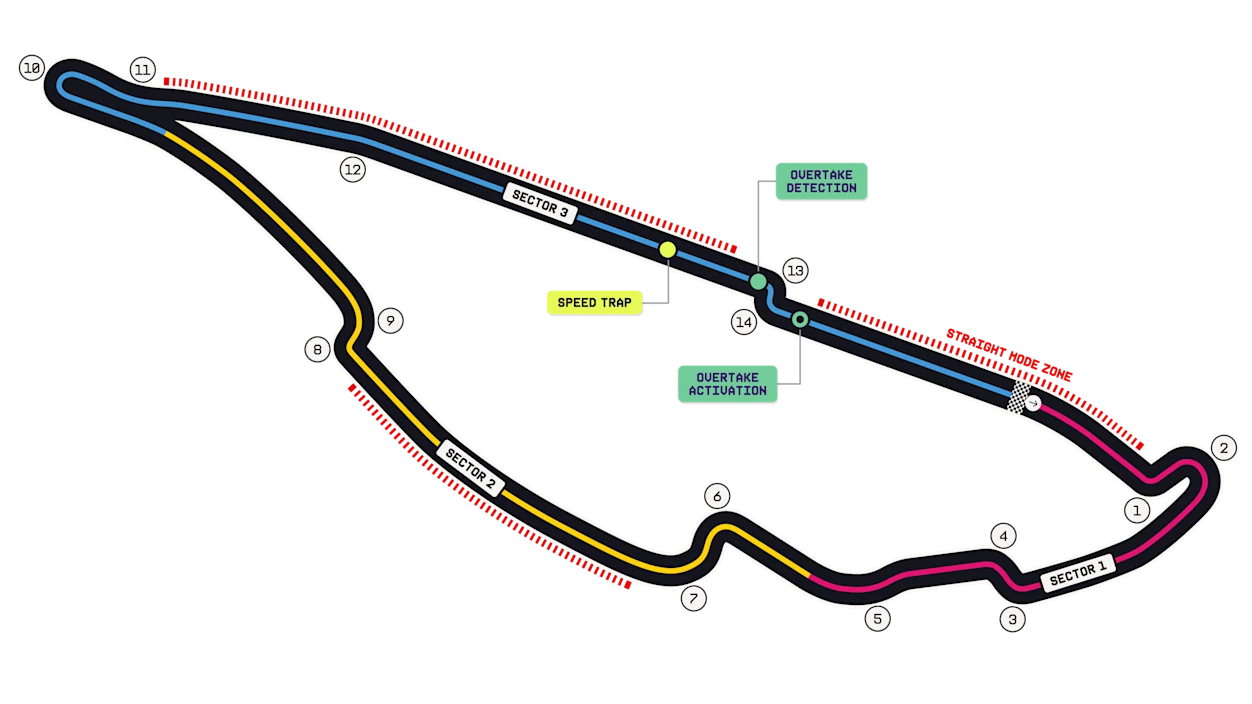
The Circuit Gilles-Villeneuve is 4.361 kilometers of stop-start intensity on the man-made Notre-Dame Island in the middle of the St. Lawrence River. Formula1.com's own circuit guide calls it fast and low-downforce, one of the drivers' favorites, and the description tells you everything about why Mercedes should be strong here. The lap is a sequence of heavy-braking chicanes and the famous hairpin, where the brakes work harder than almost anywhere else on the calendar, stitched together by flowing, quick sections where power and efficiency do the talking.
Under the 2026 regulations, with their roughly 50-50 split between combustion and electrical power, circuits like this are fascinating. The long straight into the final chicane is the best overtaking opportunity on the lap, and it is also exactly the kind of place where the new energy boost systems create the biggest speed differences. After April's rule tweaks capped race boost and restructured deployment zones, the hope is for cleaner, less spiky racing. Montreal, with its long straights and hard braking zones, will be the first real test of whether those tweaks hold up at a circuit that lives on straight-line speed.
The numbers behind the circuit add to the romance. This is the 45th Formula 1 Grand Prix at the venue, a history that puts it among the sport's most storied homes, and it began in the most fitting way possible: Gilles Villeneuve himself winning the first race here in 1978, at the track that would come to bear his name. The lap record stands at 1:13.078, set by Valtteri Bottas in 2019. And then there is the Wall of Champions at the final chicane, named for the 1999 weekend when it claimed Damon Hill, Jacques Villeneuve, and Michael Schumacher. The wall does not care about your championship position. It has ended the races of world champions with complete indifference, and every driver who threads the final chicane on Sunday will be thinking about it, whether they admit it or not.
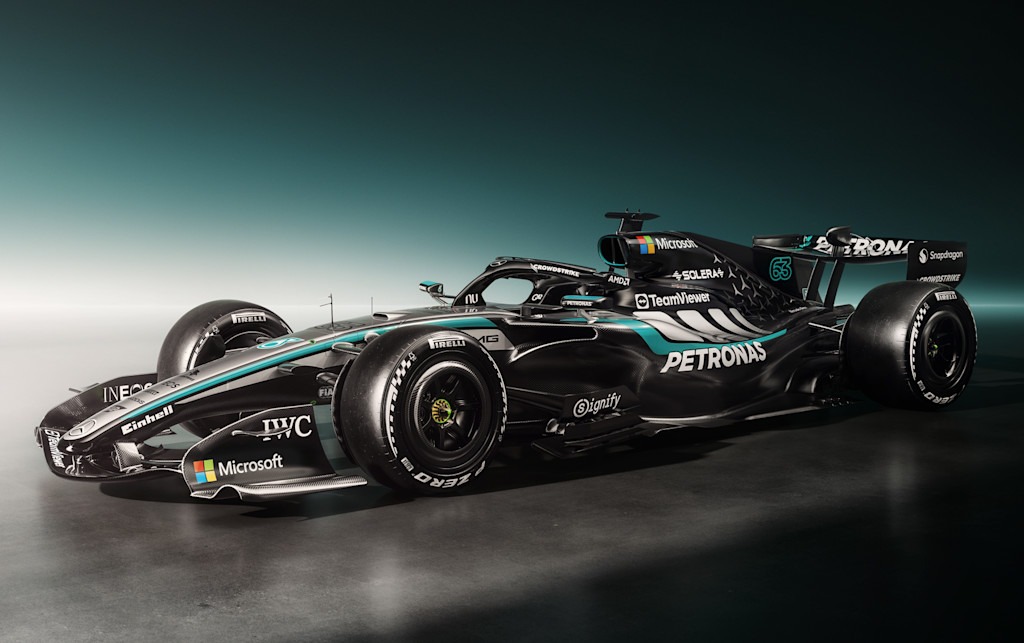
Mercedes' major upgrade package arrives at exactly the right circuit. The team was the only frontrunner without fresh parts in Miami, and still won, which tells you how strong the underlying W17 package is. With new components aimed at a track that rewards straight-line efficiency and braking stability, the Silver Arrows have every reason to feel confident. The question is whether McLaren's Miami momentum, Red Bull's visible progress, or Ferrari's flashes of pace can crash the party.
The tyres add another layer. Pirelli is bringing its three softest compounds to Montreal, the C3 hard, C4 medium, and C5 soft, and the combination of a smooth, low-energy surface with cool temperatures makes generating tyre temperature one of the trickiest tasks of the year. Qualifying preparation becomes a delicate dance, warm the tyres enough without overcooking them, and the short lap means traffic management is a constant headache. Strategy usually favors a one-stop race, but throw in a sprint weekend's limited practice data and a Rain Hazard, and the strategists will be earning their salaries.
The Championship Picture
The standings give this weekend its edge. Kimi Antonelli leads the drivers' championship with 100 points, 20 clear of Russell in second, with Charles Leclerc a further 21 back in third for Ferrari. In the constructors', Mercedes sits on 180 points, ahead of Ferrari on 110 and McLaren on 94. The gap at the top is significant but not yet suffocating, and with a sprint weekend offering extra points, the arithmetic of the weekend matters more than usual.
Antonelli's season has been a phenomenon. Three straight wins, three straight poles, and a maturity beyond his years in managing races from the front. But Miami also showed the first cracks in the armor, a poor sprint, a track-limits penalty, a start that keeps costing him positions. He keeps recovering, which is the mark of a champion, but the recoveries are getting harder as the field closes in. Montreal, with its walls and its weather and its single practice session, is not the place to rely on recovery drives.
Russell, meanwhile, is the intriguing counterpoint. The Melbourne winner has watched his teammate take control of the narrative, and the 20-point deficit is both manageable and urgent. A sprint weekend at his happiest hunting ground, with a major upgrade package on the car, is the kind of opportunity that defines seasons. If Russell wins in Montreal, the championship becomes a genuine intra-team fight. If Antonelli wins again, the conversation starts turning toward coronation math. That is what is at stake on Sunday.
Behind them, the subplots are rich. McLaren arrives with genuine momentum after Miami, where Norris took sprint pole and the sprint win and ran Antonelli close all Sunday afternoon. Ferrari has Leclerc, the stronger of its two drivers so far this season, and Lewis Hamilton, still chasing the breakthrough result his debut Ferrari campaign deserves. Red Bull showed real progress in Miami, with Verstappen on the front row of the Grand Prix grid. Any of them could spoil the Mercedes script, especially with only one practice session to get it right.
The Rain Hazard
And then there is the weather. Race director Rui Marques has already declared a "Rain Hazard" for the weekend, which in plain language means the teams should prepare for the possibility of significant rain affecting the running. Montreal in late May is meteorologically mischievous, sunshine one hour, downpour the next, and the circuit's history with water is the stuff of legend. The 2011 Canadian Grand Prix remains the longest race in Formula 1 history, a four-hour epic of rain, safety cars, and Jenson Button's impossible comeback victory. Nobody is predicting a repeat, but the fact that everyone remembers it tells you what this place can do.
Rain changes everything under the 2026 regulations. Wet conditions alter the energy management picture completely, with different deployment behavior and the constant threat of the kind of unpredictability that defined the early season. April's rule package included wet-weather provisions, notably warmer blankets for the intermediate tyres, aimed at making the cars more predictable when grip is scarce. Montreal may be where those provisions get their first serious examination. A wet sprint qualifying, a damp sprint race, a Sunday of changing conditions, any of it would turn the form book upside down and hand the advantage to the drivers with the best feel and the bravest right feet.
For the fans, rain in Montreal is a gift. The grandstands around the hairpin, grandstands 15, 21, and 24, form a natural amphitheater, and there is nothing in the sport quite like a rain-hit race with the grandstands full and the spray hanging in the air. The Montrealais embrace their Grand Prix like few other cities, turning the whole town into a week-long festival of racing. If the skies open, the party just gets louder.
The City That Parties
It is impossible to write about the Canadian Grand Prix without writing about Montreal itself, because the city is half the event. In the week leading up to the race, the charming streets fill with fans, the restaurants on Crescent Street turn into open-air celebrations, and the whole town takes on the particular electricity of a place that knows it is hosting something special. Formula1.com's circuit guide puts it simply: the Montrealais really embrace their Grand Prix weekend, and the leafy setting of the island circuit makes this one of the most laidback venues in the sport.
For the fashion-minded, Montreal weekend is a study in contrasts. The paddock brings European polish, tailored suits, statement sunglasses, the choreographed glamour of the grid walk. The city brings something looser and more joyful, festival dressing, vintage racing tees, the particular confidence of people who are there for a good time rather than a photo opportunity. It is one of the few race weekends where the street style rivals the paddock style, and the drivers know it. Expect the Thursday arrivals to be a parade, and expect the local crowd to match them look for look.
There is also something fitting about a first sprint weekend landing here. The sprint format was built for energy and unpredictability, for fans who want action rather than ceremony, and Montreal is the crowd that will meet it halfway. The grandstands will be loud from Friday morning. The island will be louder by Sunday night.
What to Watch
So here is your viewing guide for the weekend. Watch Russell from the first practice session, because his body language will tell you whether the hunter is truly hungry. Watch Antonelli's starts, because Miami showed the field that the championship leader can be beaten off the line even when he cannot be beaten over a race distance. Watch McLaren, because the Miami upgrade package was real and this team knows how to develop through a season. Watch Verstappen, because a front-row start in Miami suggests Red Bull's Ford-powered project is finding its feet, and a confident Verstappen at a circuit like this is box office.
Watch the Wall of Champions, because it always collects someone, and watch the hairpin, because the best overtakes of the weekend will happen there. Watch the sky, because Rui Marques has told you to. And watch the sprint, because with one practice session and a field that is closer than it has been all season, Saturday's dash might tell us more about the competitive order than Sunday's Grand Prix.
Montreal has a way of delivering weekends that people talk about for years. A first sprint, a hunting-ground hero, a championship leader under pressure, an upgrade race in full swing, and rain on the horizon. Whatever happens on Sunday afternoon, it will not be boring. See you at the island.
FAQ
When is the 2026 Canadian Grand Prix?
The Canadian Grand Prix takes place at the Circuit Gilles-Villeneuve in Montreal over the weekend of May 22 to 24, 2026, with the sprint events on Saturday, May 23 and the 70-lap Grand Prix on Sunday, May 24.
What is a sprint weekend, and why is this one special?
A sprint weekend compresses the usual format: one practice session on Friday, sprint qualifying, a 100-kilometer sprint race on Saturday with points for the top eight, then Grand Prix qualifying and the main race. The 2026 season has six sprint events, and this is the first time the Canadian Grand Prix has ever hosted one.
Why is George Russell considered the favorite in Montreal?
Russell won the Canadian Grand Prix in 2025, the circuit's long straights and heavy braking zones suit the strengths of the Mercedes package, and Mercedes is bringing a major upgrade package to this race. He also opened the 2026 season with victory in Melbourne and will be highly motivated to close the 20-point gap to teammate Kimi Antonelli.
What does the "Rain Hazard" declaration mean?
Race director Rui Marques has warned teams to prepare for the possibility of significant rain during the weekend. Montreal weather in late May is unpredictable, and rain would dramatically affect the running under the 2026 regulations, making energy management and tyre behavior much trickier. The 2011 rain-hit Canadian Grand Prix, the longest race in F1 history, is a reminder of what this circuit can produce in the wet.
A Note on Sources
Championship standings, circuit information, and historical details were verified against official Formula1.com race hub and circuit guide pages and cross-checked with contemporary reporting. Russell's 2025 Canadian Grand Prix victory, the sprint weekend format details, and the "Rain Hazard" declaration reflect the established pre-weekend briefing. Miami form references were verified against official Formula1.com race and sprint reports.