
By Paulina Phan, Senior Editorial Contributor | July 8, 2026
Here is a sentence I never expected to write in a Formula 1 column: the most talked-about debut at the British Grand Prix was not a car. It was a catwalk. Not a front wing, not a floor upgrade, not a secret suspension trick. A runway, fifty models long, laid down the middle of the most famous pit lane in motorsport.
The 2026 British Grand Prix will be remembered for Charles Leclerc's long-awaited victory and Kimi Antonelli's heartbreaking collapse, but those of us watching the weekend with one eye on the timing screens and the other on, well, everything else, know the truth. Silverstone just hosted the fastest fashion week on earth. From a department store staging the first fashion show ever held on an F1 pit lane, to heritage American sportswear dressing Formula 1's newest team, to a luxury house announcing its arrival in the paddock, the sport's style era has officially gone supersonic. And frankly, it is about time.
The Main Event: M&S Takes the Pit Lane
Let us begin with the headline act, because it deserves top billing. On Friday, July 3, Marks & Spencer staged the first-ever fashion show on Silverstone's pit lane, turning the working heart of a Grand Prix weekend into a runway for its "Dress to Thrill" summer collection.
Fifty models walked through the circuit's working garages, past the cars and the engineers and the organized chaos of a Formula 1 Friday, showcasing the summer edit against the most dramatic backdrop fashion has ever borrowed. Think about the logistics of that for a moment. A pit lane is not a venue. It is a workplace, a high-security, high-decibel, high-stakes workplace where twenty-two of the fastest machines on earth are being prepared within meters of the audience. To close it, dress it, light it, and send fifty models down it is the kind of flex that only works if you absolutely nail it. By every account, M&S nailed it.
The show was part of a multi-year partnership between the retailer and Silverstone, a deal that plants the brand at the center of Britain's biggest sporting weekends. And what a weekend to choose. Around 500,000 visitors were expected at Silverstone across the Grand Prix weekend, half a million people, many of whom will now associate their British GP memories not just with Leclerc's victory but with the afternoon fashion took over the pit lane.
There is something deliciously subversive about the whole thing. For decades, the pit lane has been the most masculine-coded space in sports entertainment: fireproof suits, wheel guns, testosterone and tire smoke. M&S looked at that and saw a catwalk. The models walked where the mechanics work. The clothes were shown where the cars are serviced. And the message, whether intended or not, was unmistakable: this sport belongs to everyone now, and its most sacred spaces are open for reinvention.
It also tells you everything about where Formula 1 sits in the culture in 2026. Brands do not stage first-ever runway shows in places that do not matter. They do it where the cameras are, where the audience is, where the energy is. The pit lane is fashion week now. Adjust your expectations accordingly.
Tommy Hilfiger Dresses Cadillac
If M&S owned Friday, the week's other great fashion story belonged to the all-American pairing of Tommy Hilfiger and Cadillac F1. The heritage brand launched a fanwear collection for Formula 1's newest team: varsity jackets, polos, and T-shirts, heritage-inspired and gender-inclusive, the kind of pieces designed to be worn as proudly on Oxford Street as in the grandstands.
The launch got the full treatment. Valtteri Bottas, Cadillac's veteran star, did a store appearance alongside presenter Vick Hope at the Tommy Hilfiger store on Regent Street on July 1, two days before the on-track action even began. A Formula 1 driver doing a meet-and-greet in a clothing store on one of London's most famous shopping streets, in Grand Prix week, with fans queuing around the block. A decade ago, that sentence would have sounded like a fantasy. Now it is just Wednesday.
There is a shrewdness to this collaboration that goes beyond the clothes. Cadillac is the new team on the grid, the American entry trying to build a fanbase from scratch in a sport with very old loyalties. You do not build that fanbase with press releases. You build it with identity, with the feeling of belonging to something, and nothing creates belonging faster than the uniform. A varsity jacket with your team's name on it is not merchandise. It is membership. Tommy Hilfiger understands that better than almost any brand alive, and Cadillac, to its credit, understood that it needed exactly that kind of partner.
The gender-inclusive part matters too, and it is worth saying plainly. Formula 1's audience has been transformed in recent years, and the fastest-growing segment of new fans is young women. Fanwear that actually considers them, heritage pieces cut for everyone rather than shrunken afterthoughts, is not a nice-to-have. It is the business. The teams and brands that get this are the ones that will own the next decade of the sport's culture.
Pop-Up London: The Week the City Dressed for the Race
The fashion week energy was not confined to the circuit. All across London, in the days around the Grand Prix, Formula 1 took over the city's retail spaces like a very fast, very glamorous flash mob.
The F1 Hub pop-up on Oxford Street turned one of the world's busiest shopping streets into a temple of the sport, a place where race-week tourists and curious locals could touch the merchandise, feel the scale of it, and leave with something red or papaya or silver. Oxford Street during Grand Prix week is a study in tribal colors, and the Hub gave every tribe a headquarters.
Lando Norris's own brand, Quadrant, staged its own pop-up, which is a sentence that tells you how far driver entrepreneurship has come. The drivers are no longer just athletes. They are brands, creative directors, retailers. When a Grand Prix driver's streetwear label can hold its own pop-up during race week and draw a crowd, the sport has crossed a line from competition into culture, permanently.
And then there was the Drivers Club pop-up with Pierre Gasly, the Alpine driver lending his name and his style to a retail moment that blurred the line between fan event and fashion launch. Gasly has always been one of the paddock's most naturally stylish figures, the kind of driver who looks like he dressed for a shoot even when he dressed for breakfast. A pop-up built around him makes perfect sense. The only surprise is that it took this long.
The Disney magic
Lest you think it was all grown-up tailoring and streetwear drops, the week also brought the Disney x F1 "Fuel the Magic" campaign, a reminder that the sport's cultural conquest includes the youngest fans too. Formula 1 is playing a long game here, and it is playing it brilliantly: capture the kids with magic, capture the parents with the racing, capture everyone with the style. A sport that can do a luxury collaboration and a Disney campaign in the same week is a sport with no ceiling.
Gucci Walks Into the Paddock
And then, the announcement that made the fashion world sit up straight. A newly announced collaboration between Gucci and Alpine F1, bringing one of luxury fashion's biggest names directly into a Formula 1 team partnership.
Let that land. Gucci. Alpine. Formula 1. The luxury houses spent decades keeping motorsport at arm's length, treating it as too sweaty, too mechanical, too mass for their rarefied world. Those days are over, definitively and probably forever. When Gucci puts its name next to a Formula 1 team, it is not slumming. It is following the audience, the cameras, and the cultural heat, all of which currently point at the paddock.
What the collaboration will actually produce remains to be seen, and the speculation is half the fun. Team kit with a luxury eye? Paddock collections? A takeover of the Alpine garage that makes it the best-dressed building in Enstone? Whatever form it takes, the signal is what matters: luxury fashion has decided that Formula 1 is not just a marketing opportunity but a creative one. The paddock is a runway now, in every sense.
The Grid as Runway: How the Drivers Dressed
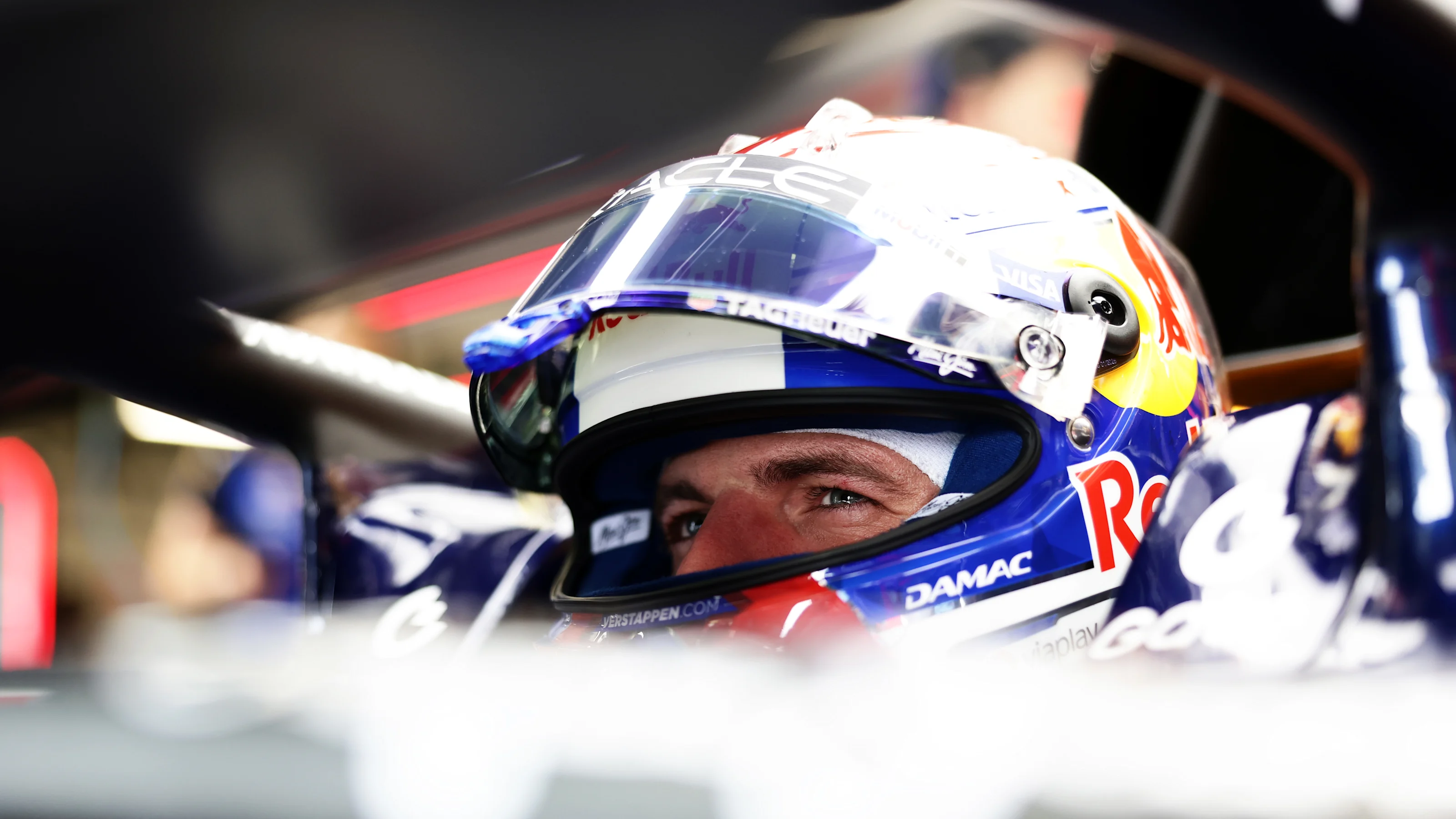
Of course, the real fashion week happens every single race weekend, in the most-watched walk in sports: the drivers' arrival. The paddock entrance has become the sport's unofficial red carpet, the place where personal style is broadcast to millions before a single wheel turns. And Silverstone week delivered.
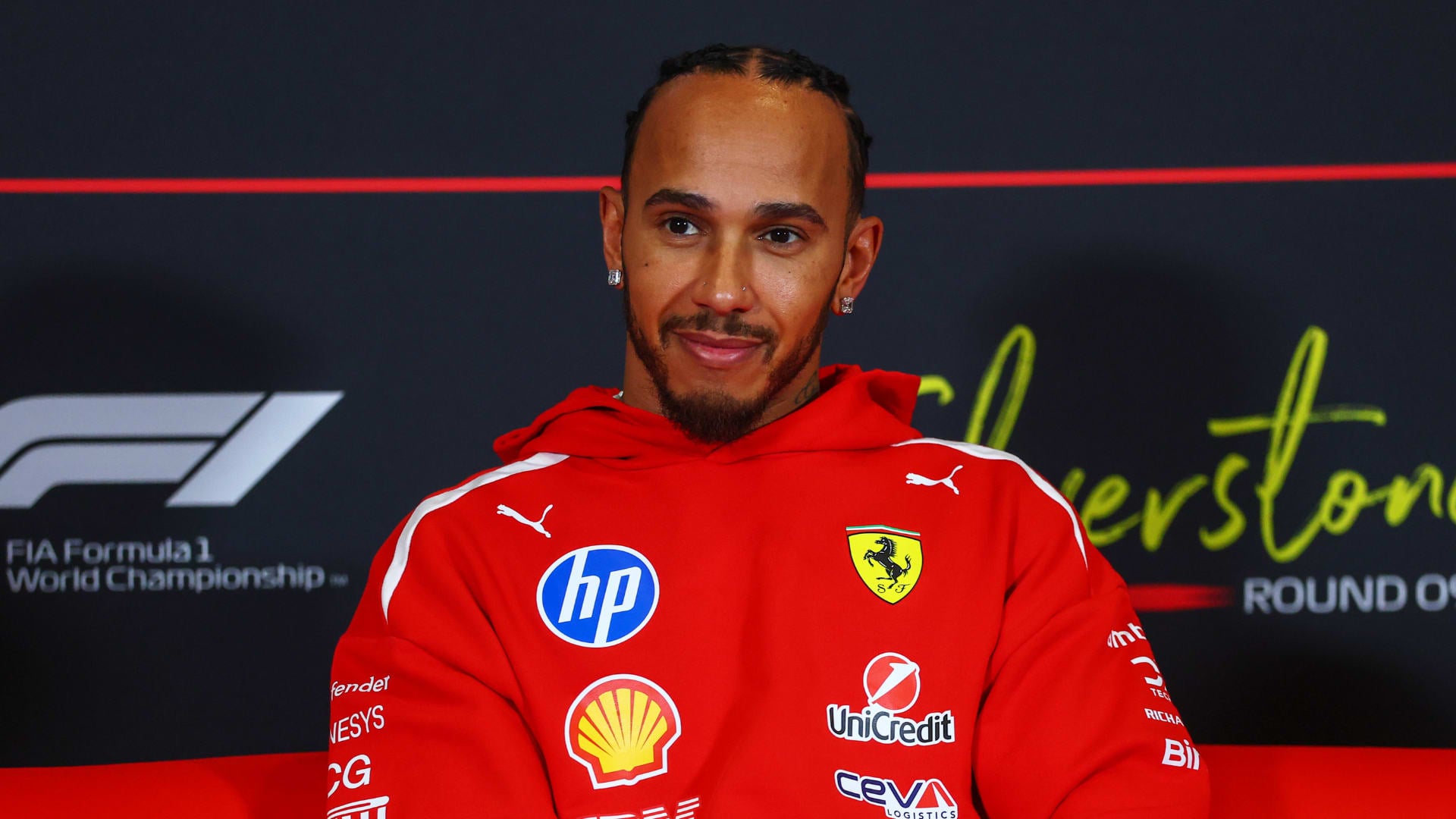
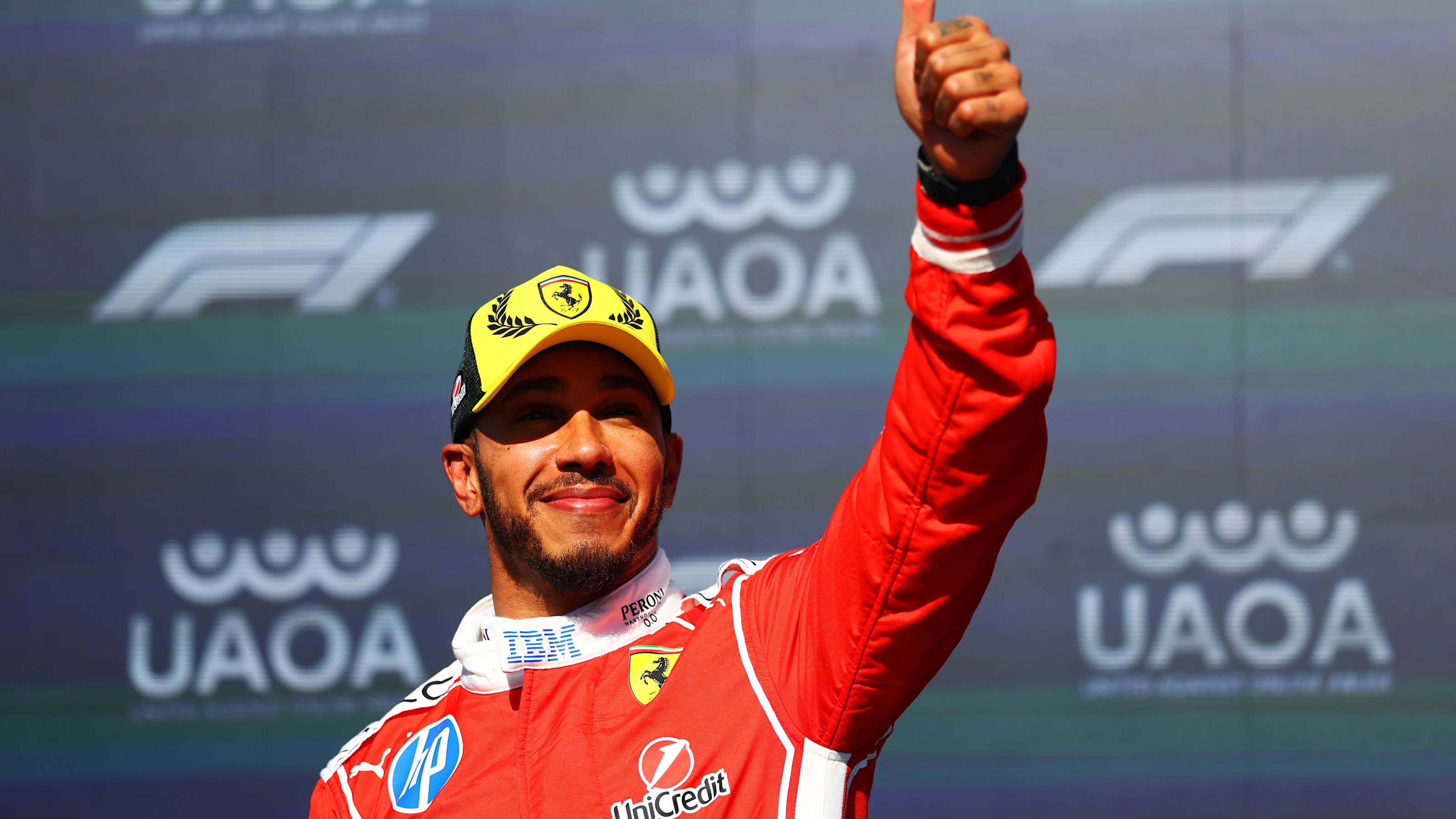
Lewis Hamilton remains the undisputed king of this particular competition, and his Thursday press conference look said everything about his current era: a red Ferrari hoodie, diamond earrings catching the light, the ease of a man who has spent a decade and a half turning arrivals into events. There is a reason the cameras find him before they find anyone else. Hamilton does not just wear clothes. He makes arguments with them, about identity, about belonging, about who gets to be the best-dressed person in a room full of people trying very hard.
But he is no longer alone in the style stakes, and that is what makes this era so fun to watch. The younger generation grew up watching Hamilton turn the paddock into a runway, and they learned the lesson. Kimi Antonelli, the championship leader, has developed a quiet, confident off-duty uniform: clean, minimal, expensive-looking without trying. George Russell does classic British tailoring the way he drives: precise, polished, never a hair out of place. Charles Leclerc, fresh off his Silverstone victory, has the Monegasque Riviera ease that money cannot buy and tailors cannot teach.
And the teams have noticed. The official team kit has never looked better, the drivers' personal sponsors have never been more visible, and the line between the paddock and the front row of fashion week has never been thinner. When M&S sends fifty models down the pit lane, they are not imposing fashion on a sport that does not want it. They are joining a party that started years ago.
The LEGO Parade: Fashion's Funniest Cousin
No account of Silverstone's style week would be complete without its most gloriously unserious moment: the pre-race drivers' parade, in which all 22 drivers were given individual drivable LEGO karts for a lap of the circuit before Sunday's Grand Prix.
Now, a word of caution. We are treating this one with the lightness it deserves, because it was, by all accounts, pure joyful chaos. Several drivers ended up beached in the gravel, and even FIA President Mohammed Ben Sulayem, who joined the fun, found himself stuck. There is something deeply, wonderfully human about watching the most skilled drivers on earth fail to navigate a plastic kart around the first corner. It is the exact opposite of fashion week polish, and that is precisely why it belongs in this column.
Because here is the thing the LEGO parade understands: style is not just about looking good. It is about not taking yourself too seriously. A sport that can stage a couture-level runway show on Friday and then send its world champions out in toy cars on Sunday is a sport with range. The drivers who laughed their way through the gravel trap on Sunday morning were the same ones walking past the M&S show on Friday. That duality, glamour and goofiness, couture and karting, is the whole appeal of modern Formula 1. Take the fashion seriously. Never take yourself seriously. That is the dress code.
The Grandstands: Half a Million Outfits
And then there were the fans, half a million of them, who turned the Silverstone grandstands into the largest open-air fashion show of the week. With around 500,000 visitors expected across the Grand Prix weekend, the crowd was a spectacle in its own right, a sea of team colors that turned the circuit's banks and grandstands into a living, breathing mood board.
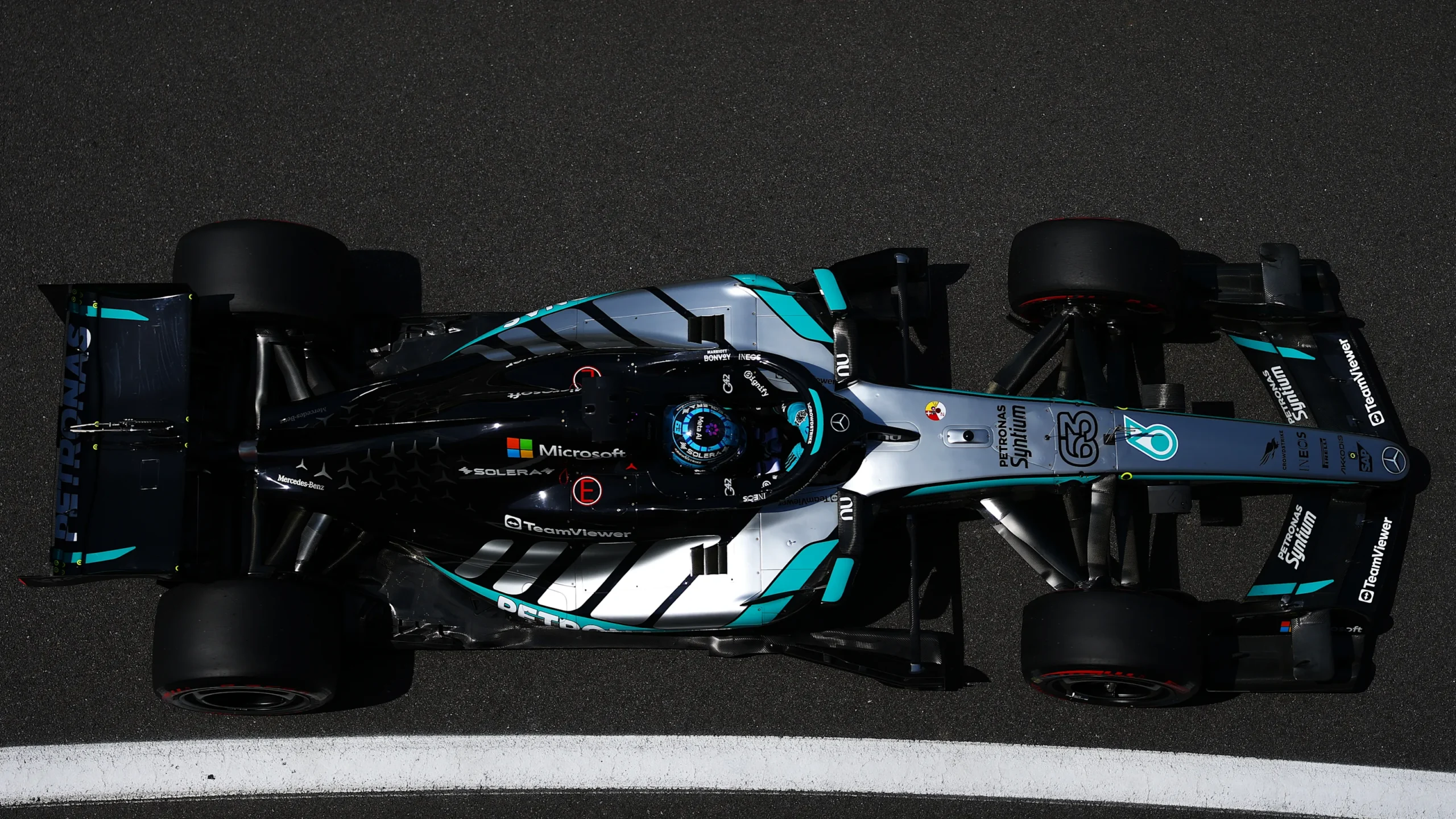
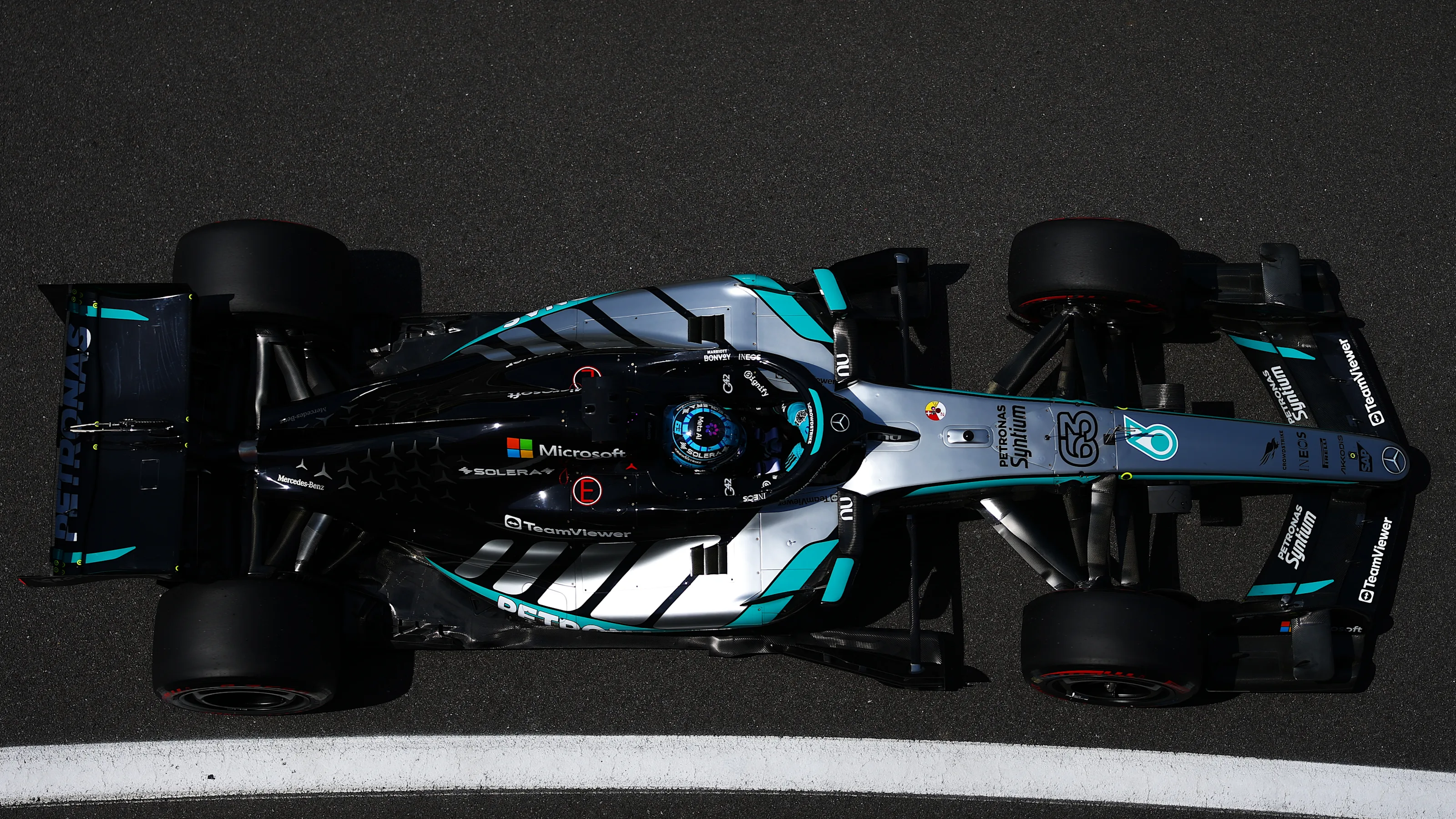
This is the part of race-week style that nobody designs and everybody participates in. The Ferrari red is everywhere, of course, worn with the particular devotion of the tifosi who plan their Silverstone outfits months in advance. The McLaren papaya pops against the green Northamptonshire grass like it was color-matched for the occasion. Mercedes silver, Red Bull navy, the new Cadillac colors finding their first-ever crowd. Wearing your team's colors to a Grand Prix is the oldest tradition in the sport's style book, and it has never looked better, because the colors themselves have never looked better. The 2026 liveries are genuinely beautiful objects, and the merchandise has finally caught up.
But look closer and you see the real story: the personalization. The vintage finds, the retro team jackets from seasons past, the hand-customized caps, the outfits that say "I have been a fan since before it was fashionable" without saying a word. Grand Prix street style has its own grammar now, fluent in both heritage and hype. There are fans at Silverstone whose race-day fits could walk straight into a street-style roundup, and increasingly, they do. The photographers know it. The brands know it. The fans have always known it.
What makes it special is the democracy of it. The M&S runway had fifty professional models. The grandstands had half a million amateurs, and honestly, the amateurs gave them a run for their money. A teenage girl in a homemade Ferrari jacket she bedazzled herself is doing exactly what the luxury houses are doing, just with more heart and less budget. That is the thing about fashion week energy: it does not stay on the runway. It spills into the streets, or in this case, into the grandstands, and it belongs to whoever wants it.
Why This Week Mattered
It would be easy to treat all of this as a sideshow, the fluffy lifestyle content around the serious business of racing. That would be a mistake, and not just because the racing at Silverstone was dramatic enough to fill ten columns on its own.
The fashion week mattered because it is the business. Formula 1's audience is bigger, younger, and more diverse than it has ever been, and that audience does not distinguish between the sport and the culture around it. They buy the jacket because they love the team. They follow the driver because they love the style. They watch the race because they are invested in the people. Every pop-up, every collaboration, every runway show is another doorway into the sport, and the sport in 2026 needs every doorway it can get.
It mattered, too, because of what it says about who the sport is for. A pit lane fashion show, a gender-inclusive fanwear line, a Disney campaign and a Gucci collaboration in the same week: that is not a sport talking to its old audience. That is a sport talking to everyone, and meaning it.
And it mattered because Silverstone, of all places, was the stage. This is the cathedral of British motorsport, the circuit where the first world championship race was held, a place steeped in tradition and tweed and history. If the runway can come to Silverstone, it can go anywhere. The old guard might clutch their pearls. The rest of us will be watching the front row.
FAQ
What was the M&S fashion show at Silverstone?
On July 3, Marks & Spencer staged the first-ever fashion show on Silverstone's pit lane, with 50 models walking through the circuit's working garages to showcase the "Dress to Thrill" summer collection. It was part of a multi-year partnership between M&S and Silverstone, with around 500,000 visitors expected at the circuit over the Grand Prix weekend.
What is the Tommy Hilfiger x Cadillac F1 collection?
A heritage-inspired, gender-inclusive fanwear collection of varsity jackets, polos, and T-shirts for Formula 1's newest team, Cadillac F1. Valtteri Bottas launched it with a store appearance alongside Vick Hope at the Tommy Hilfiger Regent Street store in London on July 1.
What other fashion moments happened around the British GP?
The week included an F1 Hub pop-up on Oxford Street, a pop-up for Lando Norris's brand Quadrant, a Drivers Club pop-up with Pierre Gasly, the Disney x F1 "Fuel the Magic" campaign, and a newly announced collaboration between Gucci and Alpine F1.
Did the drivers really parade in LEGO karts?
They did, or at least that is the joyful rumor from the pre-race drivers' parade, where all 22 drivers were given individual drivable LEGO karts for a lap of Silverstone. Several drivers, and even FIA President Mohammed Ben Sulayem, reportedly ended up beached in the gravel. Treat it as the delightful chaos it was, not as hard sporting news.
A Note on Sources
Event details for the M&S pit lane fashion show, the Tommy Hilfiger x Cadillac launch, the Oxford Street and driver pop-ups, the Disney x F1 campaign, and the Gucci x Alpine announcement were compiled from brand announcements and coverage across the fashion and motorsport press. Race context reflects the official Formula1.com reports from the 2026 British Grand Prix weekend. The LEGO parade is presented as reported color, not as verified sporting fact.