
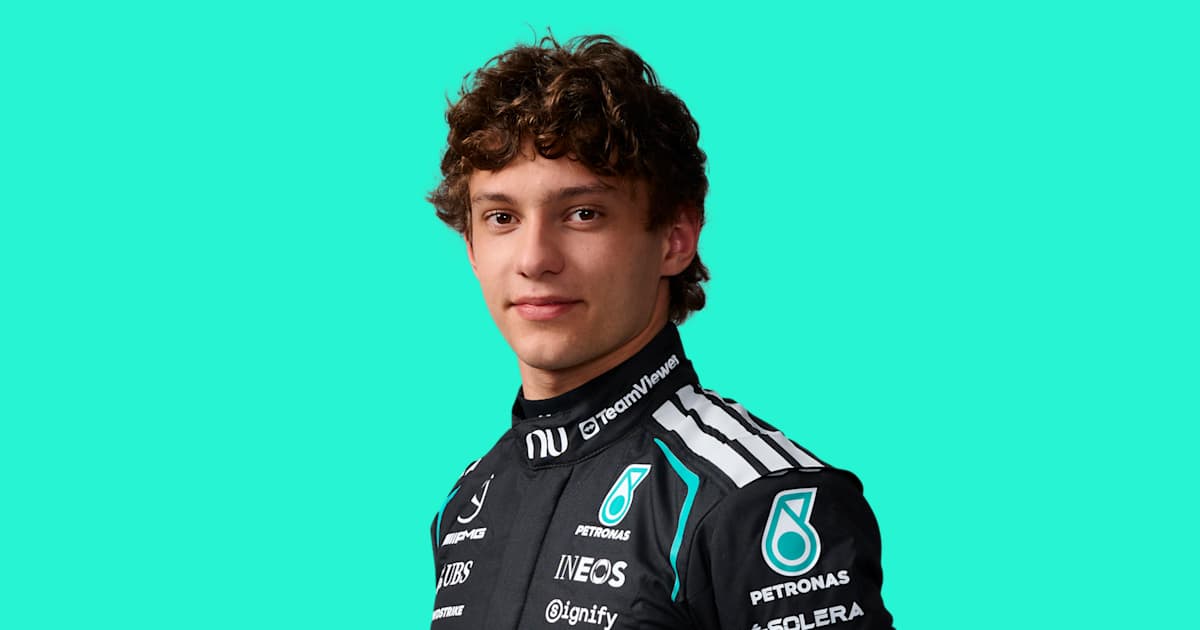
By Paulina Phan, Senior Editorial Contributor | September 9, 2026
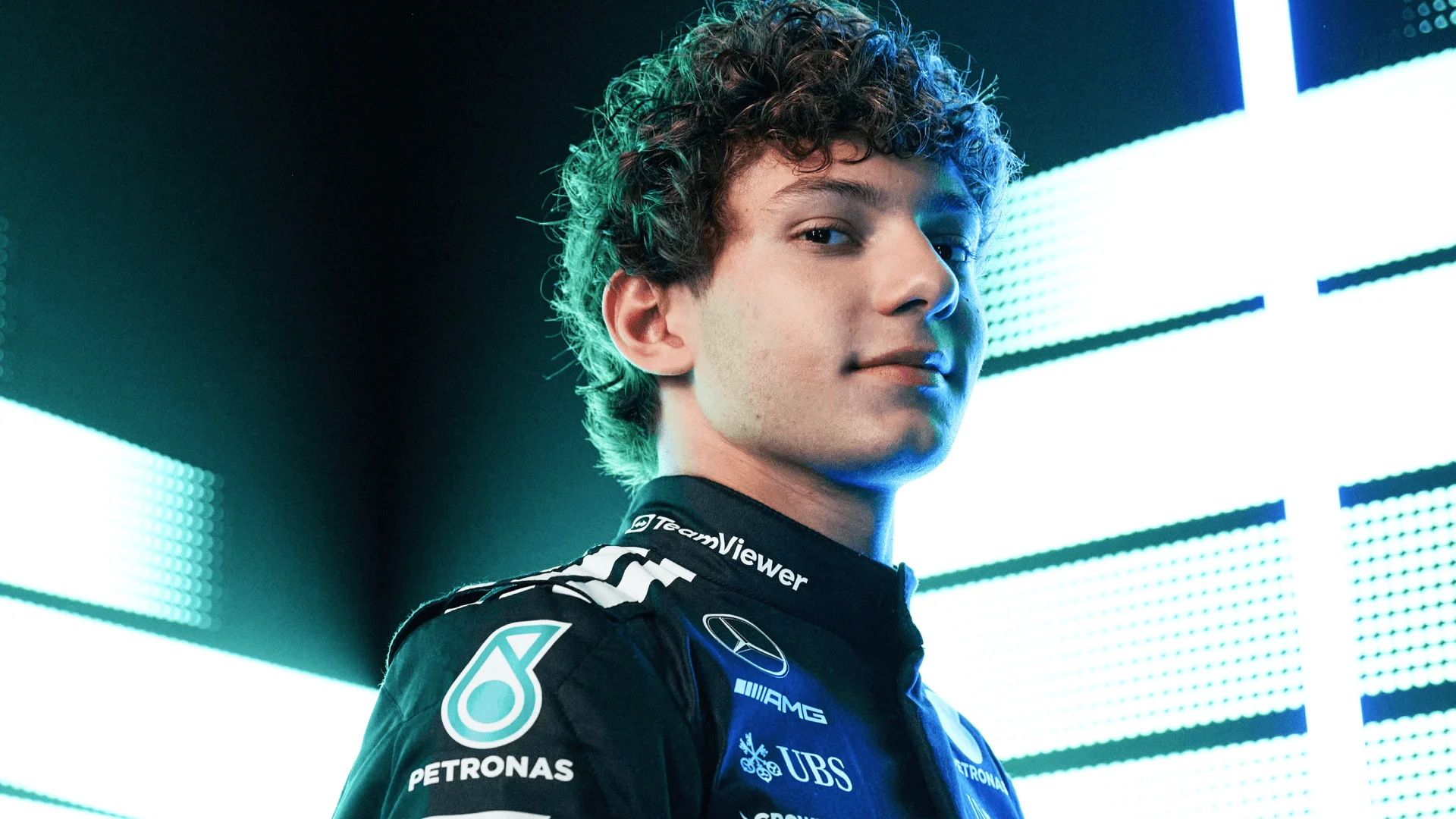
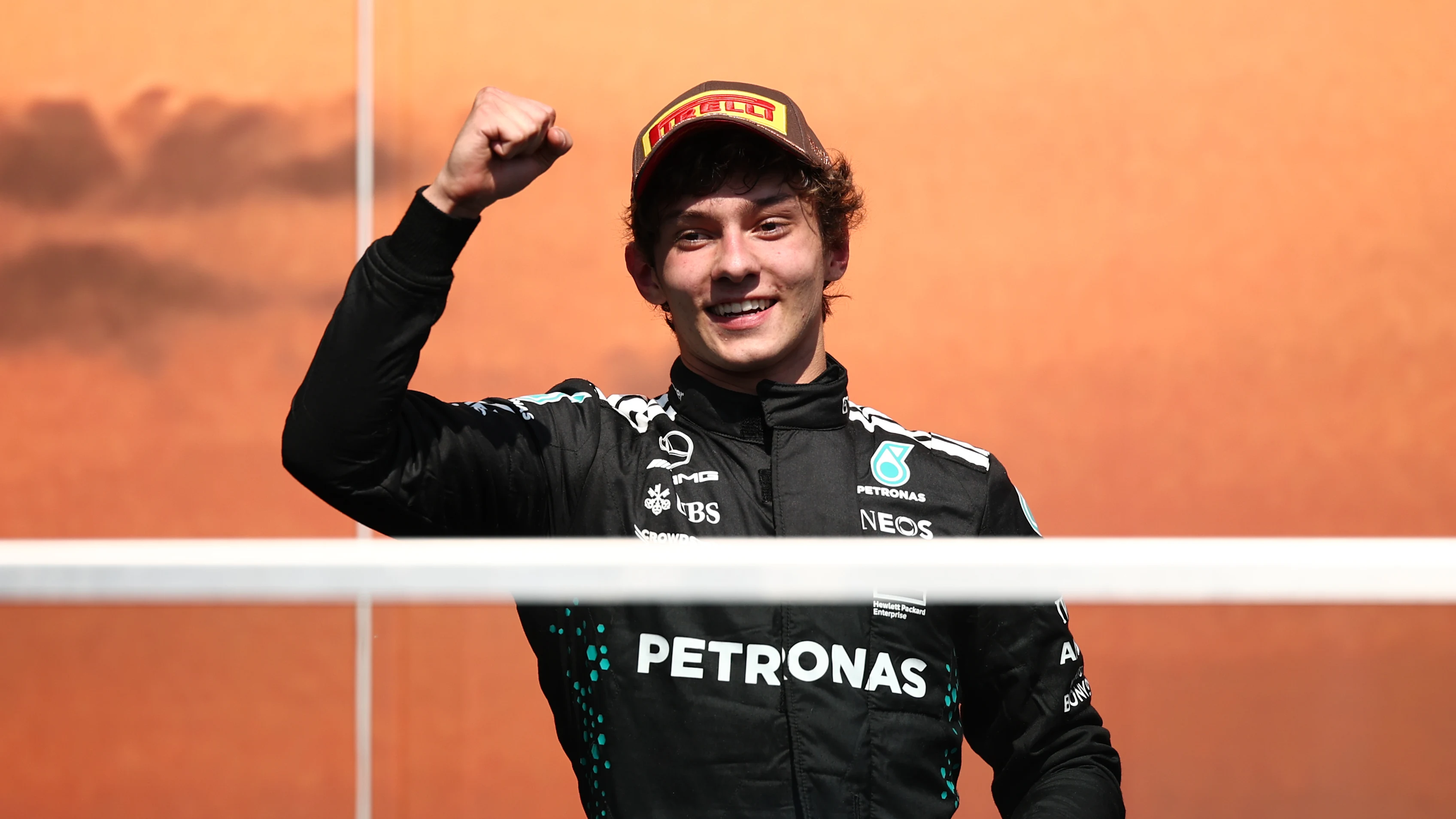
Some victories are won. This one was composed. On Sunday at Monza, Kimi Antonelli started 19th, made about 25 overtakes, passed his teammate for the lead on lap 50 of 53, and became the first Italian to win the Italian Grand Prix in sixty years. It was his seventh win of the 2026 season and, by acclamation, the drive of the year. It was also Mercedes' 140th Grand Prix victory, a milestone the team will treasure all the more for how it was earned. Three days later, the entire paddock is still talking about it in the tone usually reserved for folklore. This is an attempt to understand what actually happened out there: the penalty that set it up, the machinery that made it possible, the patience that executed it, and the history that was waiting at the finish line.
The Penalty That Wrote the Script
Every masterpiece needs its constraint, and Antonelli's arrived in the form of a 10-place engine grid penalty that dropped him to 19th on the grid. In the moment, it looked like a disaster. The championship leader, starting in the hinterlands at his home race, with his teammate on the front row. The paddock did the usual math and wrote him off. The paddock, as it turned out, had not read the script.
There is a particular psychology to starting at the back when you have the fastest car. The pressure evaporates. Nobody expects anything, which means everything is possible. A driver in that position can be aggressive in ways a polesitter cannot, can take risks that would be madness from the front, can treat the first stint as an attack rather than a defense. Antonelli understood the assignment immediately. Where others might have sulked about the penalty, he treated it as an invitation. Nineteenth place was not a punishment. It was a blank canvas, and he arrived at the circuit on Sunday morning holding all the brushes.
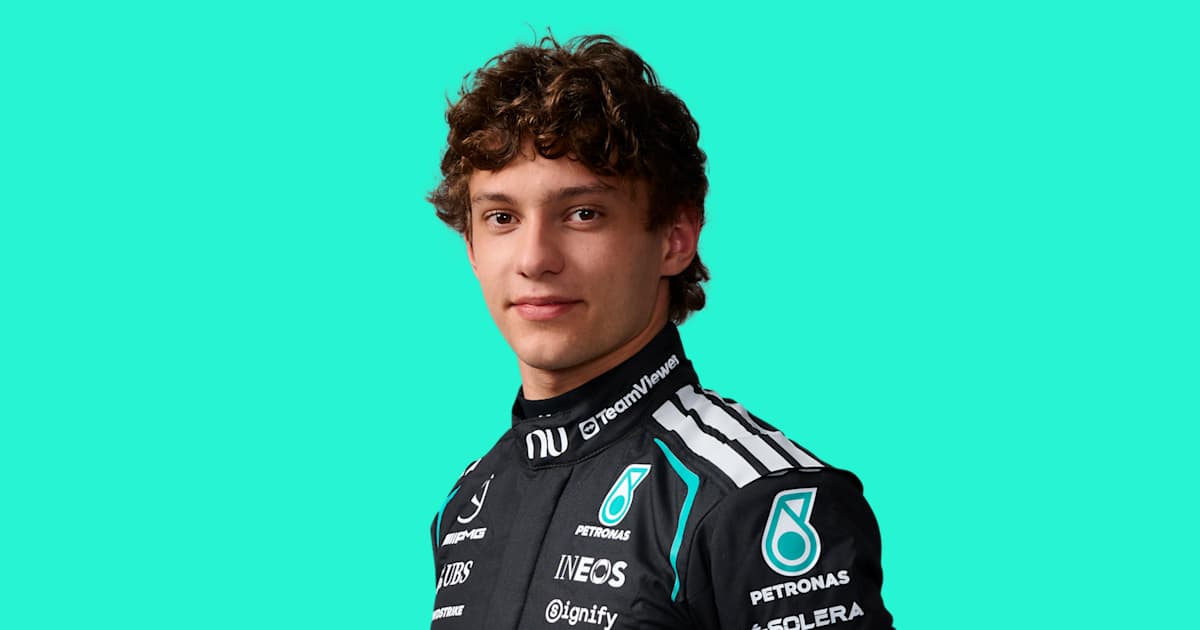
Anatomy of the Drive
About 25 overtakes. Let that number sit for a moment. In a modern Formula 1 race, at a circuit where track position is precious, one driver passed roughly 25 cars. That is not a race; that is a one-man show with 53 laps of runtime.
The drive had movements, like a symphony. The opening phase was pure aggression, the kind of elbows-out charging that announces intent to everyone ahead and sends a message down the pit lane. Then came the middle phase, the patient phase, where the overtakes had to be planned rather than seized, where tire management and timing mattered as much as courage. And then the final phase, the hunt, when the only car left ahead was his teammate's, and the whole of Italy held its breath.
What made it masterful was not just the quantity of overtakes but their quality. Passing backmarkers is one thing. Carving through the midfield, dispatching rivals who knew exactly what was coming and still could not stop it, is another. The great comeback drives share a rhythm: early boldness to clear the traffic, then a long middle stint of metronomic precision, then a final act of pure theater. Antonelli conducted all three movements without a false note.
Consider what the middle phase demands. Overtaking at Monza looks easy on television, long straights, big braking zones, but every move costs tire life and every failed attempt costs more. A driver charging from the back must choose: which battles to fight now, which to defer, where to spend the rubber. Get it wrong and the charge dies in the dirty air of a midfield train. Antonelli got it right, again and again, lap after lap, until the only car left ahead was his teammate's. By then he had been the fastest thing on the circuit for what felt like an eternity, and the grandstands knew what was coming before the drivers did. The roar started before the move. Monza could see the future, and the future was silver.
Lap 50
The pass itself deserves its own paragraph, because passes for the lead of the Italian Grand Prix do not come along every day, and passes for the lead by an Italian, at Monza, after starting 19th, come along roughly once every sixty years. On lap 50 of 53, Antonelli swept past Russell and into the lead, and the noise that went up from the grandstands was the sound of six decades of longing being released at once. Three laps later, he crossed the line 3.857 seconds clear. The fastest lap of the race, a 1:23.504 on the final tour, was his as well, a signature at the bottom of the masterpiece.
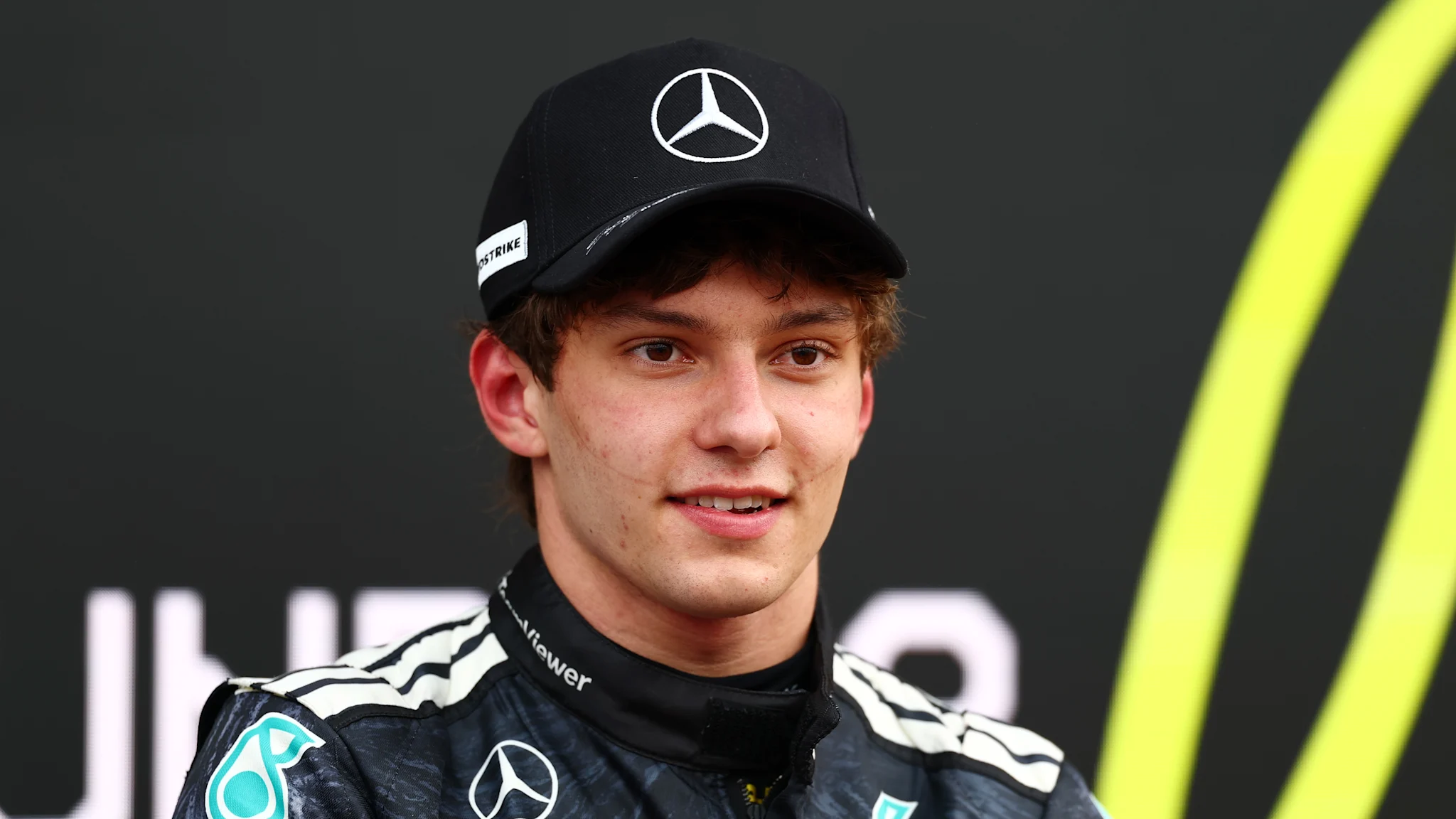
The teammate problem
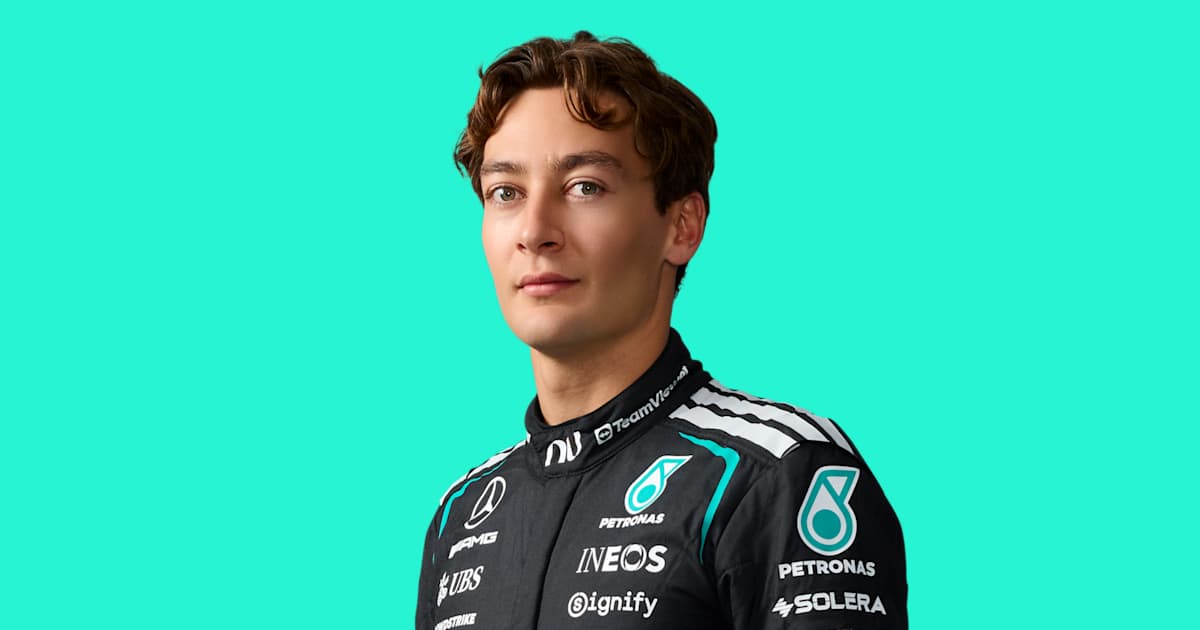
There is a special difficulty in passing your own teammate for a win, and it has nothing to do with pace. Teammates share data, share engineers, share debriefs. Russell knew Antonelli's lines, his braking points, his habits, because they are, in a real sense, the same habits, honed in the same simulator, refined in the same briefings. To pass a driver who knows you that well requires not just speed but surprise, a move from somewhere the data did not predict, executed with the kind of precision that leaves no room for contact. Teammates colliding is every team principal's nightmare, and both drivers knew it. Antonelli found the move anyway, clean and decisive, the hardest kind of overtake in the sport: against the one driver on the grid who cannot be surprised by you, surprised.
And afterward, Toto Wolff admitted that Mercedes had risked "looking like idiots, like Ferrari did" at Monza over the intra-team battle, which tells you how close to the edge the team felt it had gone. They escaped with a one-two, the team's 140th victory, and a story nobody will ever forget.
The Machine: What ADUO Built
Great drives need great cars, and this one had a secret weapon. Mercedes had been rated at least 2 percent off the benchmark power unit, which entitled the team to in-season upgrades under the ADUO system, and the upgraded specification debuted around Monza. Read that again: the car that started 19th was running fresh development, unleashed by the regulations at precisely the right circuit.
The ADUO system is one of those regulatory mechanisms that sounds dry and decides championships. By allowing teams that are behind on power unit performance to keep developing, it compresses the field over a season rather than freezing advantages in place. At Monza, a cathedral of speed where power is everything, the upgraded Mercedes spec was the difference between a good recovery drive and a historic one. Straight-line speed is the currency of this circuit, and Mercedes had just been allowed to print more of it.
Antonelli still had to execute, still had to make those 25 overtakes, still had to pass his teammate. Machinery is never the whole story; if it were, the fastest car would win from the back every week, and it does not. But machinery is the foundation the story stands on, and on this Sunday the foundation was freshly poured. Sometimes the stars align. Sometimes the regulations align them for you.
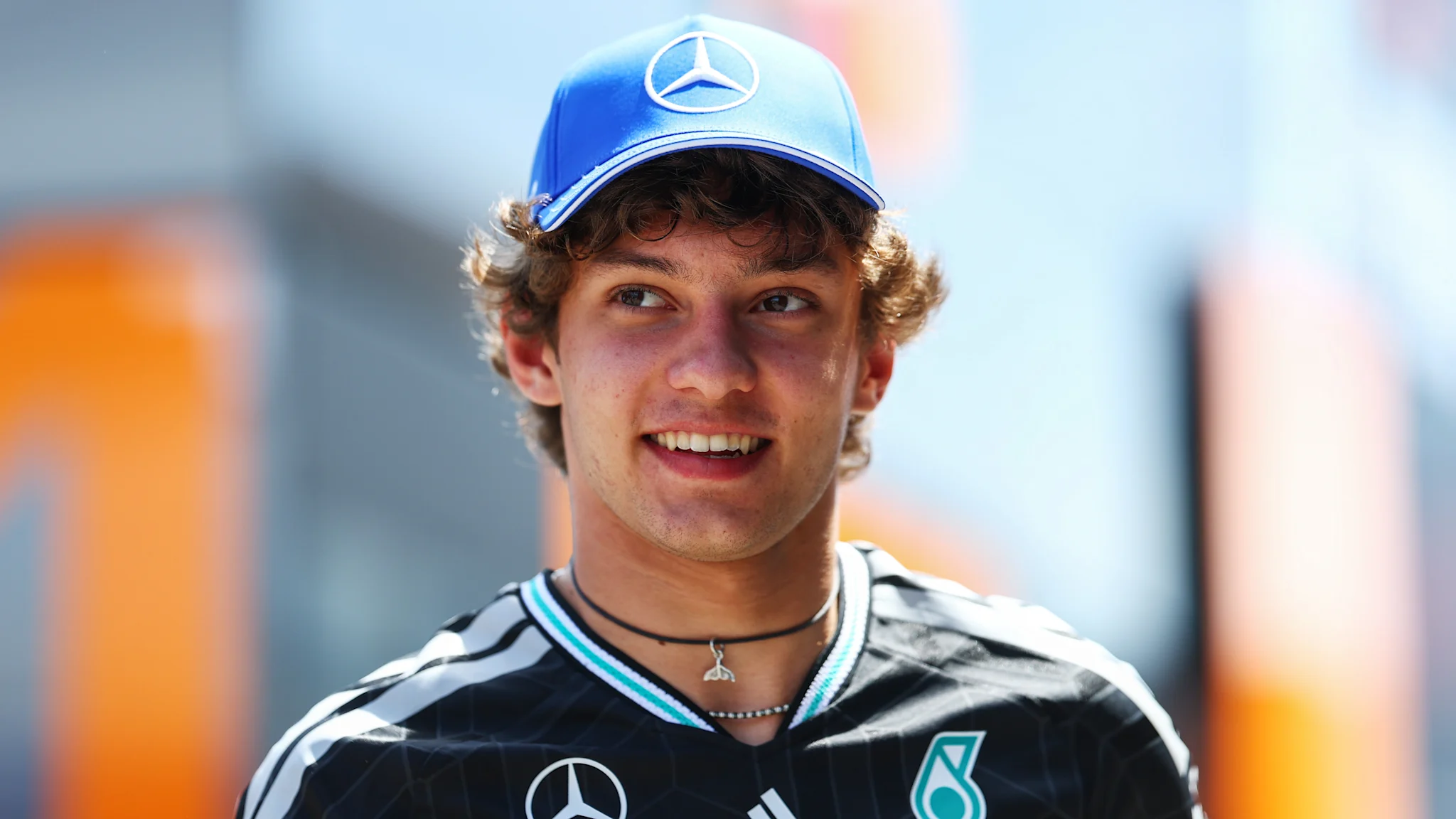
The other side of ADUO
The cruel mirror image was parked in the Red Bull garage. Verstappen's team already has the strongest combustion engine on the grid, which means it is locked out of upgrades under those same ADUO rules. It cannot develop its way out of its problems. So while Mercedes was unwrapping fresh performance at Monza, Red Bull was frozen in place, and Verstappen spent his afternoon describing himself as "a turtle" as rivals with Overtake Mode streamed past. One regulation, two fortunes. Antonelli's masterpiece was built, in part, on a rulebook that giveth. Verstappen's frustration was built on the same rulebook's refusal to give more.
The Man: Seven Wins and Counting
It is worth stepping back to appreciate the season Antonelli is having. Monza was his seventh win of 2026. He arrived at his home race 59 points clear of Russell in the championship and left 66 clear. Those are the numbers of a driver in complete command, but the Monza drive added something numbers cannot capture: aura.
There is a moment in every great driver's career when the results stop being the story and the performances start being it. Seven wins says you have the best car and the talent to use it. Winning from 19th, at home, with 25 overtakes and a last-lap-style pass on your teammate, says you have something rarer: the capacity to turn a race into a memory. Rivals can game-plan against pace. They cannot game-plan against that.
Championships are won on points, but legends are built on afternoons. Every great champion has a drive that people describe with a particular light in their eyes, the one they were watching when they became a believer. For a generation of Italian fans, this is that drive. They will tell their children they were at Monza, or watching at home, or listening on the radio, when the boy from Bologna started 19th and won the Italian Grand Prix. The seven wins say he is the best driver this season. The 25 overtakes say he might be something more.
The Championship Math
The cold arithmetic of Monza is almost as beautiful as the romance. Antonelli arrived 59 points clear and left 66 clear, a seven-point swing earned the hardest possible way. When your rival finishes second and you still extend your lead, the message is unmistakable: there is no scenario in which you are catchable without your own cooperation.
For Russell, the math is now brutal. He drove superbly at Monza, finished second from the front row, and lost ground. That is the cruelest position in motorsport: doing everything right and watching the gap grow anyway. He needs his teammate to stumble, repeatedly, while winning repeatedly himself, and nothing about Antonelli's season suggests stumbling is imminent. For everyone else, Verstappen included, the development freeze and the points gap make a sustained charge difficult to imagine. The championship is not over. But Monza made the ending feel increasingly like a coronation waiting for a date.
What the Paddock Felt
Three days on, the paddock is still processing what it witnessed, and the processing has a particular texture. Rival engineers shake their heads at the ADUO timing. Rival drivers offer the praise that costs nothing and means everything. The Mercedes garage, which spent lap 50 holding its collective breath while its two drivers raced for the lead, can finally exhale and laugh about the heart attack.
And somewhere in all of it is the quietest storyline of the weekend: a twenty-year-old who started 19th at his home race and never once looked rattled. Composure like that cannot be taught. It can only be revealed, usually on the biggest afternoons. Monza revealed it, in front of 403,666 witnesses.
The Ghost of 1966
No account of this drive is complete without its history. The last Italian to win the Italian Grand Prix was Ludovico Scarfiotti, in 1966. The last Italian to win any home Grand Prix was Riccardo Patrese, at the 1990 San Marino Grand Prix at Imola. Sixty years. Think of everything that has happened in Italy since 1966, and in all that time, no Italian driver had won at Monza. Generations tried. The tifosi hoped, and hoped, and learned to stop hoping.
Antonelli ended it in his second Formula 1 season, from 19th on the grid, at twenty years old. There is a poetry in the specifics: not a cruise from pole, which would have been lovely, but a charge from the back, which is unforgettable. Scarfiotti's win was a different era, a different sport, all slipstreaming and bravery on a Monza without chicanes as we know them. This one belonged entirely to the modern age, DRS trains and Overtake Mode and all, and yet it felt ancient in the best way, like something the old gods of the sport would recognize. One imagines the black-and-white photographs of 1966 seemed a little less distant on Sunday evening, as if sixty years had folded in half and the two afternoons were touching.
Gasly: The Weekend's Other Story
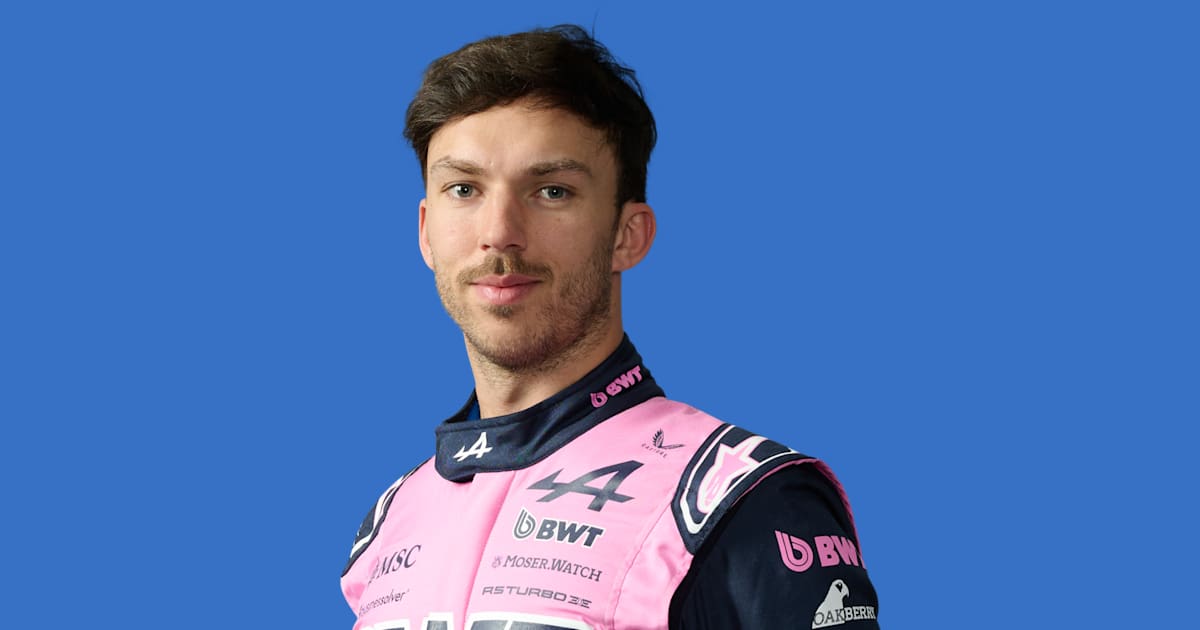
No masterpiece exists in isolation, and Monza's undercard deserves its moment. Pierre Gasly's weekend was the photographic negative of Antonelli's: the highest of highs followed by the most deflating of Sundays. His maiden pole position, a 1:21.786 in his 190th Grand Prix start, was Alpine's first pole since Fernando Alonso at Hungary 2009 and the first ever under the Alpine name. It arrived just 24 hours after the FIA Court of Appeal stripped him of his Monaco podium. Saturday was redemption made flesh.
Sunday, though, was ruin. From pole, Gasly dropped six places to finish seventh, the fairytale dissolving in the afternoon sun. There is a particular heartbreak in losing a race you started from the front, a sense of opportunity slipping through your fingers in front of hundreds of thousands of people. Gasly will keep the pole lap forever; it was the drive of his Saturday, earned through 190 races of patience. But the contrast with Antonelli's Sunday is almost too neat: one driver started first and finished seventh, the other started 19th and finished first. Monza giveth, and Monza taketh away, sometimes within the same weekend.
Why This Was the Drive of the Season
The case is simple, and it rests on three pillars. First, the degree of difficulty: winning from 19th in modern Formula 1, where overtaking is hard and track position is king, is an extraordinary achievement regardless of machinery. Drivers with the fastest car do not routinely win from the back; the field is too close, the dirty air too punishing, the margins too thin. Second, the manner: about 25 overtakes executed without a false note, a fastest lap on the final tour as a signature, and a clean pass on a teammate who knew every trick in the book because they share the same data. Third, the meaning: the first Italian Monza winner in sixty years, at his home race, in front of 403,666 people who had waited a lifetime for it, sealed with the team's 140th victory.
Great drives are not just fast; they are resonant. They connect a driver's talent to a crowd's longing and produce something neither could make alone, something that lingers long after the points are counted. Antonelli's Monza had all of it: the penalty, the charge, the machinery, the history, the noise. Years from now, when the 2026 season is a chapter in a book, this is the afternoon the entire chapter will be about. From P19 to P1. Sixty years of waiting. One unforgettable masterpiece.
FAQ
How many overtakes did Antonelli make at Monza?
About 25 overtakes across the 53-lap race, climbing from 19th on the grid after a 10-place engine grid penalty to victory. He passed teammate George Russell for the lead on lap 50 and won by 3.857 seconds, also setting the fastest lap (1:23.504) on the final lap. It was his seventh win of the 2026 season and stretched his championship lead from 59 to 66 points.
What is the ADUO system and how did it help Mercedes?
Under the ADUO rules, teams whose power units are rated sufficiently behind the benchmark are entitled to in-season upgrades. Mercedes was rated at least 2 percent off the benchmark power unit, so its upgraded specification, which debuted around Monza, was permitted. At a power circuit like Monza, that fresh development was a significant factor. Red Bull, with the strongest combustion engine, is conversely locked out of upgrades under the same rules.
Who was the last Italian to win at Monza before Antonelli?
Ludovico Scarfiotti in 1966, sixty years earlier. Antonelli is also the first Italian to win a home Grand Prix since Riccardo Patrese won the 1990 San Marino Grand Prix at Imola. He did it in his second Formula 1 season, at twenty years old, in front of 403,666 fans.
What happened to Gasly's pole position?
Pierre Gasly took a maiden career pole in his 190th race with a 1:21.786, just 0.060 seconds clear of George Russell. It was Alpine's first pole since Fernando Alonso at Hungary 2009 and the first ever under the Alpine name, arriving 24 hours after the FIA Court of Appeal stripped Gasly of his Monaco podium. He dropped six places on Sunday to finish seventh.
A Note on Sources
Race results, qualifying times, grid penalties, lap data, overtake estimates, championship standings, attendance figures, and historical records in this feature were verified against the official Formula1.com race and qualifying reports and cross-checked with coverage from Reuters, BBC Sport, Sky Sports, Crash.net, PlanetF1, and The Race.