
By Paulina Phan, Senior Editorial Contributor | May 11, 2026
Two sprint weekends. Two different winners. One very loud question echoing around the paddock as Formula 1 packs its bags for Montreal: are the sprints actually doing what they were designed to do? The 2026 season front-loads its sprint experiments, with China, Miami, and Canada all hosting sprints inside the first five rounds, which means we already have enough evidence to start judging. George Russell won the sprint in Shanghai. Lando Norris won the sprint in Miami, leading a McLaren 1-2 that felt like a small earthquake. And in less than two weeks, the Circuit Gilles Villeneuve hosts its first ever sprint weekend. So let us take stock: do sprints shake up the grid, or do they just add risk to a Saturday that used to belong to qualifying?
The Short Version
You are busy, so here is everything that mattered, fast.
The scorecard so far
Two sprints have been run in 2026. George Russell won the sprint in China, and Lando Norris won the sprint in Miami, leading Oscar Piastri home for McLaren's first 1-2 finish of any kind this season. Charles Leclerc finished third in Miami, while championship leader Kimi Antonelli crossed the line fourth but was dropped to sixth by a five-second post-sprint penalty for track limit infringements.
The big question
Sprints were sold as chaos engines: shorter races, reversed jeopardy, more opportunity for the midfield. The 2026 evidence is mixed. Miami's sprint genuinely reshuffled the weekend's narrative and handed McLaren their breakthrough, but both sprints were still won from the front by the fastest cars on the day. The risk, meanwhile, is very real, as Nico Hulkenberg's fiery DNS in Miami proved.
What comes next
The Canadian Grand Prix on May 23 hosts a sprint for the first time ever. Montreal's stop-start circuit, famous for its walls and its weather, might be the perfect laboratory for everything the format promises.
Shanghai: Russell Strikes First
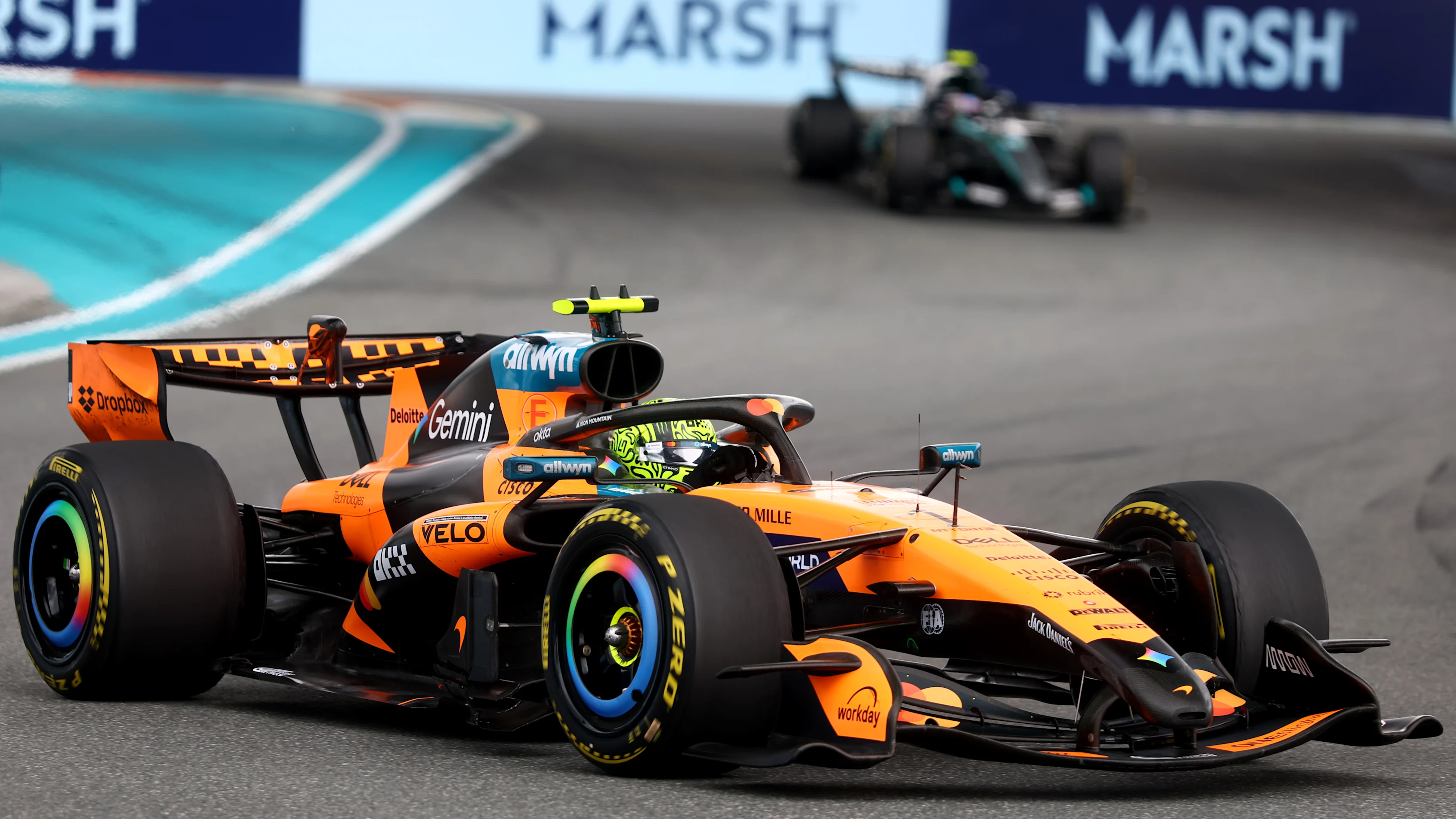
The season's first sprint, in China, belonged to George Russell, and in retrospect it set the template for everything the format can and cannot do. The sprint weekend format compresses the entire competitive rhythm: one practice session, then straight into the competitive deep end. There is no time to iterate, no long Friday of setup experiments, no safety net. Teams that arrive with a car that works, and drivers who can find the limit immediately, are rewarded. Everyone else spends Saturday doing damage control.
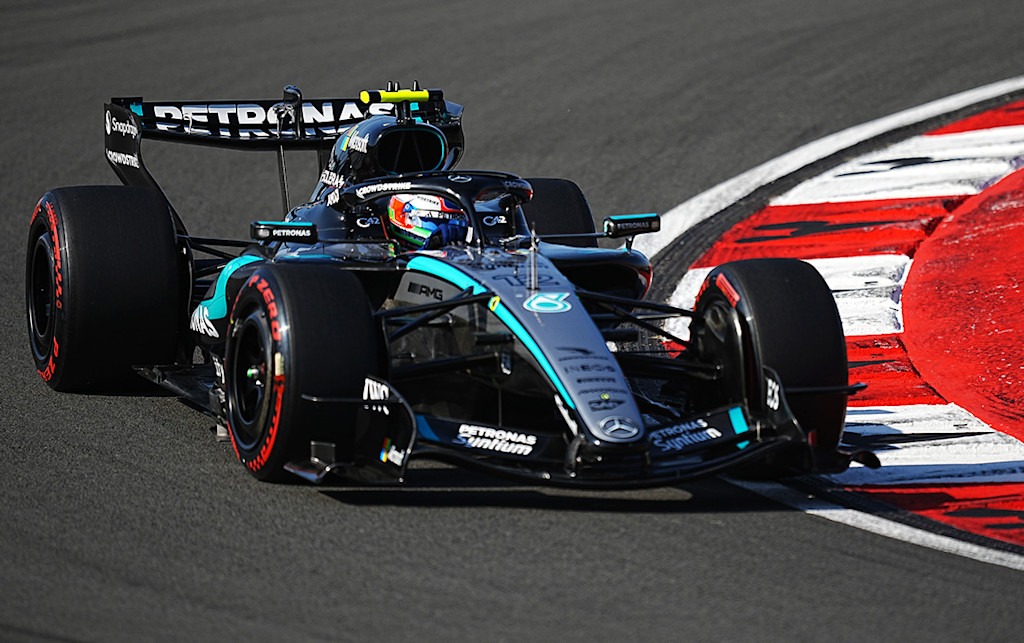
Russell's win in Shanghai was the perfect illustration. Mercedes arrived at the second round of the season with the fastest package, and the sprint rewarded that preparation with maximum efficiency: pole, or near enough, converted into a Saturday victory and a tidy stack of points before the Grand Prix had even been thought about. For the neutrals, it was entertaining. For the purists, it raised the obvious objection: the fastest car won a shorter race, which is exactly what would have happened on Sunday, just with fewer laps and fewer points.
But there was a subtler story in Shanghai too, one that the format's defenders were quick to seize on. The sprint gave the midfield a genuine, low-stakes shot at glory, a separate race with its own podium and its own points, contested without the strategic baggage of a full Grand Prix. For teams that spend most Sundays fighting over the final points positions, Saturday in China was a rare chance to race near the front with nothing to lose. That emotional logic, the idea that sprints create a second, freer contest inside the weekend, is the strongest argument the format has. Whether it is enough to justify the added jeopardy is the question Miami forced everyone to answer.
Miami: The Sprint That Changed the Conversation
If Shanghai was a proof of concept, Miami was a plot twist. The second sprint of 2026 did not just produce a different winner; it produced a different championship narrative, and it did so in front of the season's biggest audience.
Friday set the tone. Norris took sprint pole, edging Antonelli, and it was the first pole position of any kind in 2026 not taken by a Mercedes-powered car. The McLaren upgrade package, the one the team had been talking up after a difficult opening to the season, had clearly landed. You could feel the paddock recalibrate in real time. The question was no longer whether McLaren could compete; it was whether they could do it over a race distance, even a short one.
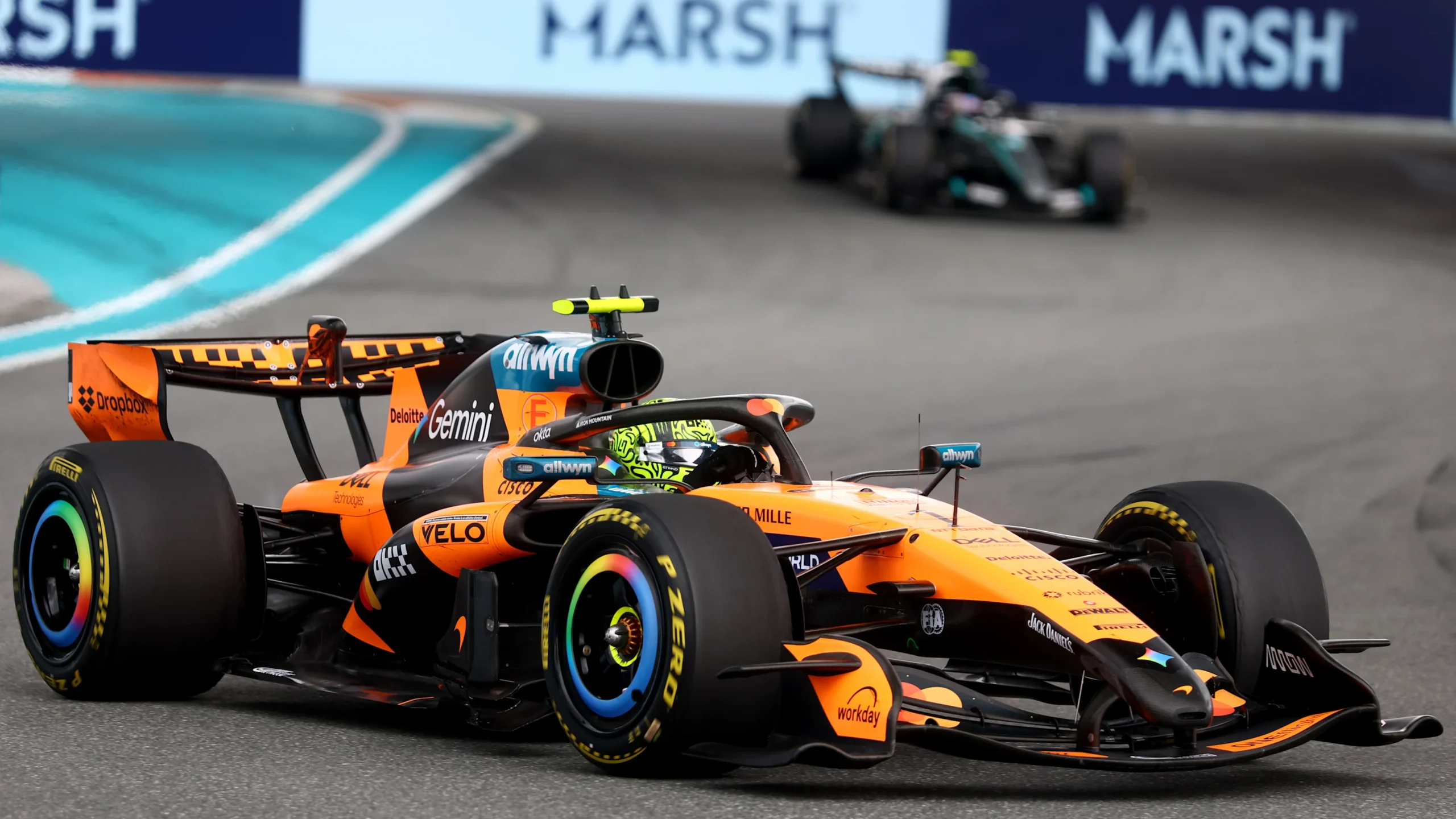
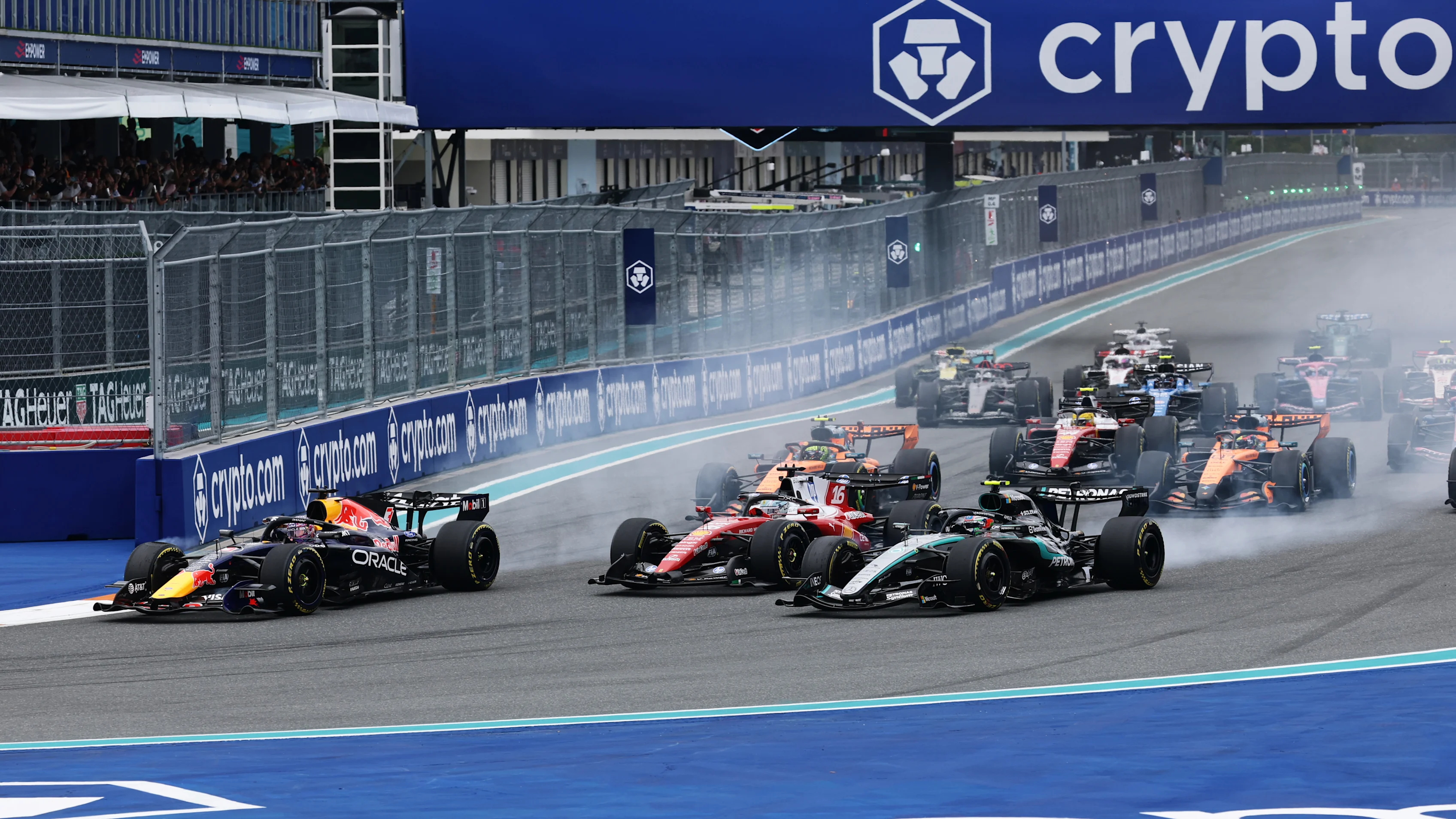
Saturday gave the answer emphatically. Norris made the clean start he needed and never looked threatened, controlling the 19-lap sprint from lights to flag to win by 3.766 seconds. Piastri followed him home in second, giving McLaren a 1-2, their first of any kind in 2026, and their first victory of the season in any format. Leclerc completed the podium for Ferrari, another sign that the upgrade race was biting. For the Woking team, it was the breakthrough they had been waiting for, delivered on the biggest stage of the young season.
Behind them, the sprint delivered exactly the kind of human drama the format promises. Antonelli made another poor start from near the front of the grid, dropped behind Piastri and Leclerc, and spent the race in combative, slightly ragged battles. The stewards were less colorful but more consequential: a five-second penalty for track limit infringements dropped Antonelli from fourth to sixth after the flag, promoting Russell and Verstappen and costing the championship leader valuable points. It was a small punishment with an outsized message. In a sprint, there is nowhere to hide from a mistake.
The Miami sprint also carried the weekend's emotional weight. The paddock was mourning Alex Zanardi, the former Formula 1 driver and two-time CART champion who had died that week at 59, and McLaren dedicated their breakthrough 1-2 to him, with team principal Andrea Stella paying tribute to "a very special man" and "an inspiration for everyone." Antonelli would later dedicate his Grand Prix victory to his fellow Italian as well. Miami also debuted the first tweaks from the April 20 stakeholder vote, the governing body's first answer to the driver revolt over the new regulations, and the difference was visible: a sprint where the leaders could actually race.
There was jeopardy too, the kind the format's critics always cite. Hulkenberg's Audi caught fire before the start and he never made the grid, a DNS that ended his Saturday before it began. Lindblad never made the start either, sidelined by a technical problem. In a 19-lap dash with no pit stops and no strategy to hide behind, a mechanical failure is not a setback; it is a weekend ruined. That is the price of the spectacle, and in Miami, two drivers paid it.
Do Sprints Actually Shake Up the Grid?
So here is the honest accounting, two sprints into the experiment. The case for the format starts with Miami. Without the sprint, McLaren's breakthrough would still have happened, the upgrades were real, but it would have happened quietly, in practice times and qualifying sectors. The sprint gave it a stage: a pole position, a lights-to-flag win, a 1-2 finish, and a set of images that defined the weekend before Sunday's Grand Prix had even started. That is genuinely valuable. It created a story, it rewarded a team that had done the work, and it gave fans a reason to watch Saturday.
The case for the format also includes the championship mathematics. Antonelli's five-second penalty in the Miami sprint cost him real points, trimming his advantage at a moment when every point matters. Sprints compress the margin for error, and in a title fight, that compression is entertainment. The drivers know that a Saturday mistake now has Sunday consequences, and that knowledge changes how they race.
But the case against is just as real. Both sprints so far were won from the front by drivers in the fastest cars on the day. Russell in China, Norris in Miami: neither was an upset in the true sense. The sprint did not manufacture a surprise winner or elevate a midfield team to glory; it confirmed what qualifying had already suggested. If the format's promise is chaos, the 2026 evidence suggests it delivers, at best, a slightly accelerated version of the expected result.
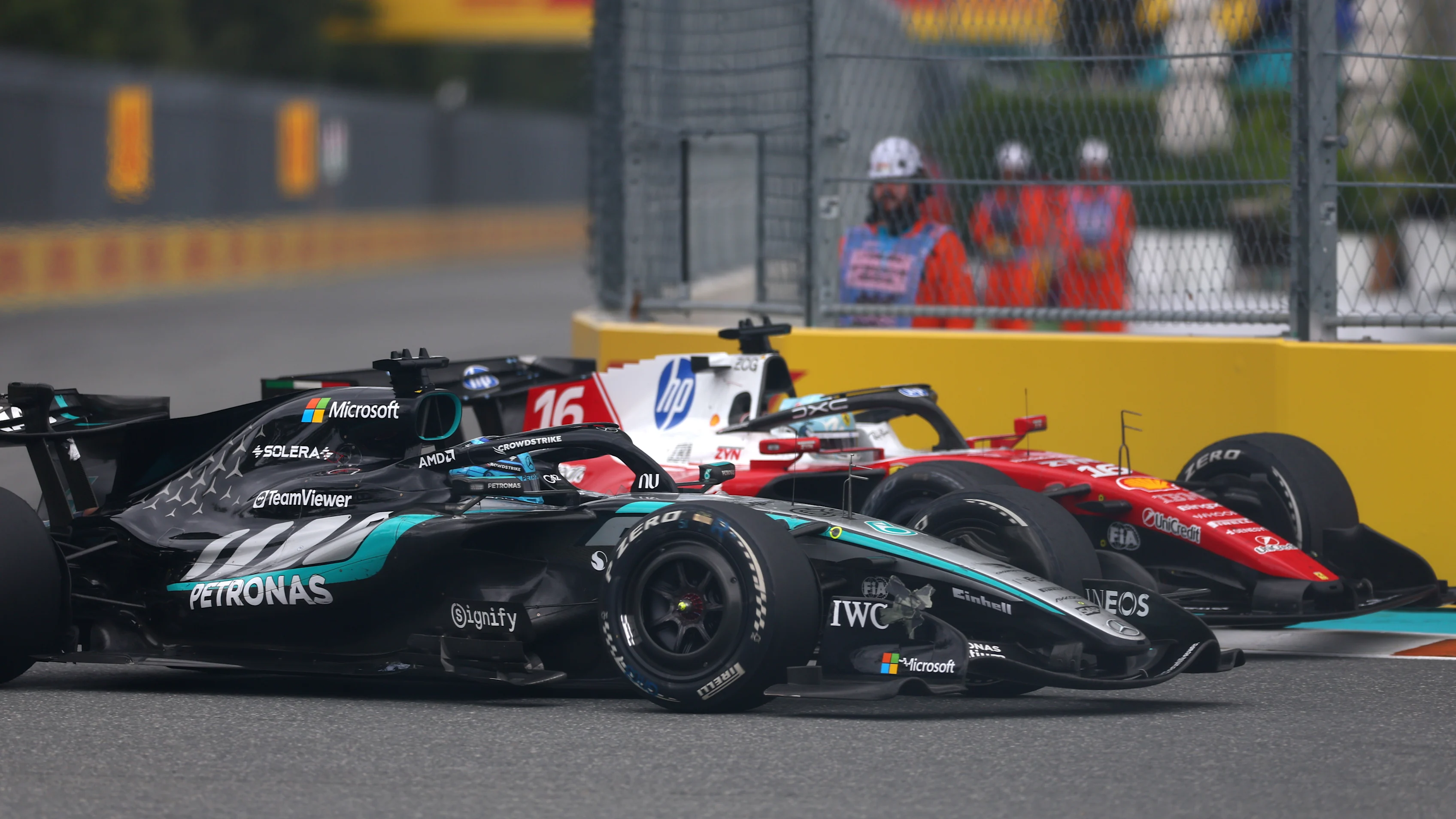
And then there is the risk ledger, which keeps getting longer. A sprint weekend means more racing laps, more standing starts, more opportunities for contact, and all of it with parc ferme rules limiting what teams can fix. Hulkenberg's fiery DNS in Miami was bad luck, but it was bad luck the format created: one more competitive session, one more chance for something to break. For smaller teams operating on tight budgets and tighter spare parts inventories, a Saturday crash can compromise the entire weekend. The big teams can absorb that. Not everyone can.
The drivers themselves are split, and their views tend to track their results, which is the most human thing about this debate. Winners love sprints; they are an extra trophy, an extra set of points, an extra afternoon of relevance. The drivers who lose points to penalties or retirements tend to describe the format as an unnecessary gamble. Both views are honest. Neither settles the argument.
Here is our editorial take, offered with the caveat that two sprints is a small sample: the format works best when it has something to reveal, and Miami proved it can reveal a lot. A team on the rise, a driver under pressure, a technical tweak that changes the racing, all of it was visible on Saturday in a way it would not have been in a practice session. But the format cannot manufacture competitiveness that does not exist. When one team is dominant, the sprint is just a shorter coronation. The sprints are a magnifying glass, not a magic wand. What they magnify, for better and worse, is whatever the competitive order already is.
The Verdict So Far
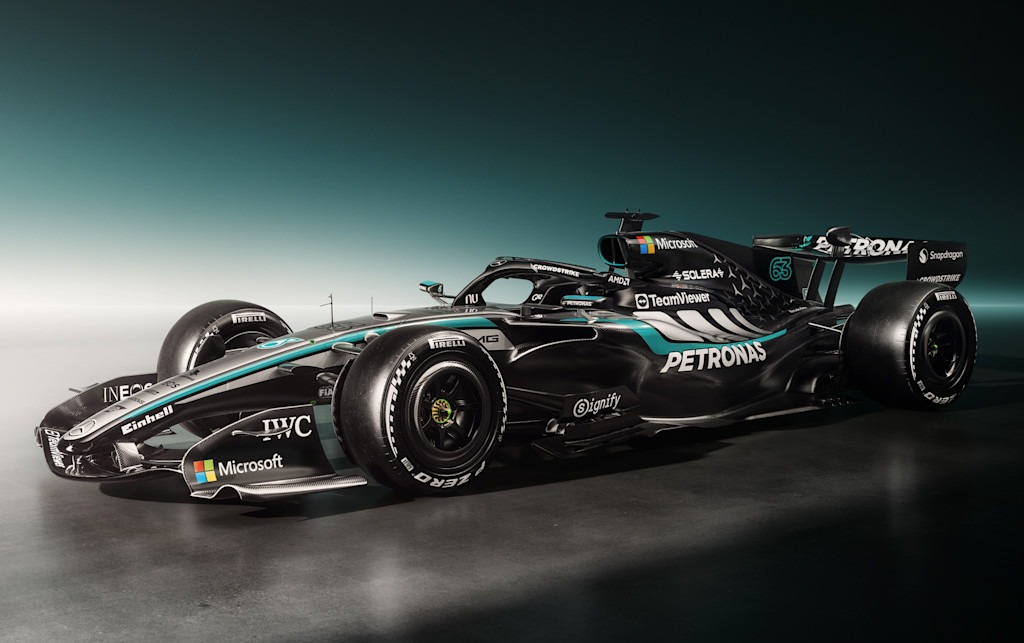
If we are scoring the experiment at the one-third mark of the scheduled sprints, the tally looks like this. Entertainment value: high, with Miami's Saturday genuinely one of the best days of the season so far. Competitive impact: moderate, with real points swung and a real narrative shifted, but no true upsets. Risk: meaningful, and concentrated unfairly on the teams least able to afford it. Fan engagement: strong, with Saturday now appointment viewing rather than background content.
The most interesting finding might be the least expected one. The sprints have not, so far, helped the midfield nearly as much as they have helped the top teams tell stories about themselves. McLaren's Miami 1-2 was a great story, but it was a story about a top team returning to form, not a plucky underdog seizing the day. If the format is going to justify its risks, it needs a Saturday where the little guys genuinely shine. Canada, with its walls and its weather, might be exactly the place.
The Money and the Math: Why Sprints Are Not Going Anywhere
Whatever the sporting debate, there is a commercial reality that settles the argument before it starts: sprints are not going anywhere, because Saturdays now sell. The traditional Grand Prix weekend had a structural problem that everyone in the business could see. Friday was for the diehards, Sunday was for everyone, and Saturday was qualifying sandwiched between practice sessions that only the committed watched. The sprint turned Saturday into an event with a start, a finish, a podium, and points, which is to say it turned Saturday into television.
The broadcasters noticed immediately. A sprint gives the weekend a second narrative peak, a second block of appointment viewing, and a second set of highlights to clip for social media. For a sport that measures its growth in younger, more casual fans, that matters enormously. The Miami sprint did not just entertain the people who were already watching; it gave McLaren's breakthrough a highlight reel that traveled far beyond the usual audience. When Norris crossed the line 3.766 seconds clear, the clip was everywhere within minutes, and every one of those views was an advertisement for tuning in on Sunday.
There is also the circuit economics to consider. Promoters pay enormous fees to host Grands Prix, and a sprint weekend gives them a genuine Saturday product to sell tickets against. The grandstands in Miami were full on Saturday in a way that practice-and-qualifying Saturdays rarely achieve, and the atmosphere reflected it. Fans who buy a three-day ticket want three days of racing, not two days of racing plus a dress rehearsal. The sprint delivers that, and the roar that greeted Norris on Saturday suggested the crowd knew exactly what they were getting.
None of this resolves the sporting questions, and it should not. Commerce is a reason to keep the format, not a reason to stop asking whether it works. But any honest assessment of the sprint experiment has to acknowledge the ledger in full. The format makes Saturdays matter, it gives promoters something to sell, it gives broadcasters a second peak, and it gives fans more of the thing they came for. Those are not small achievements, even if they have nothing to do with lap times.
Next: Canada's First Sprint Weekend
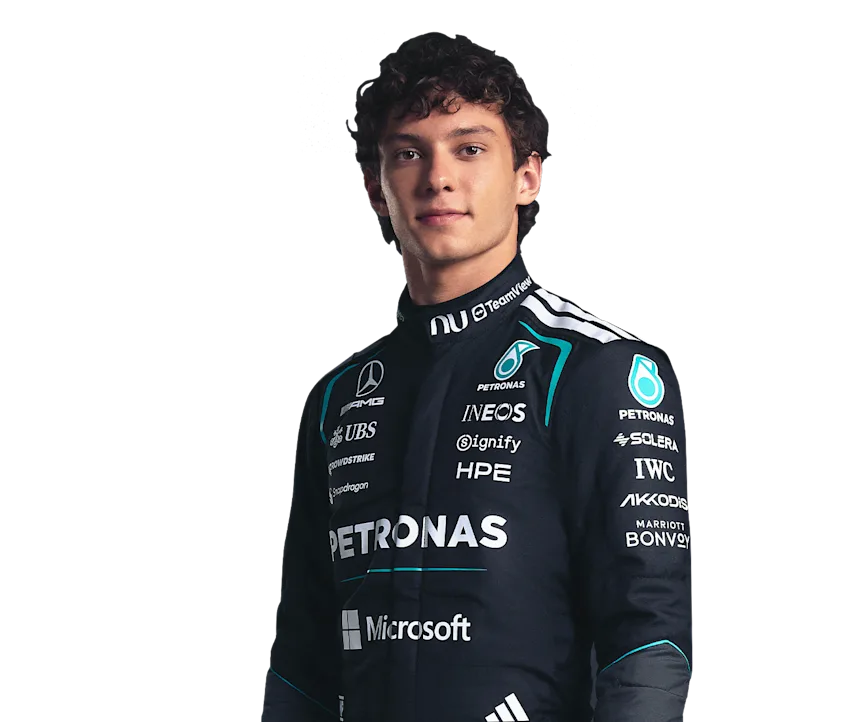
Which brings us to Montreal. On May 23, the Canadian Grand Prix hosts a sprint weekend for the first time, and the Circuit Gilles Villeneuve might be the best possible venue for the format's next test. This is a track that specializes in the unpredictable: the Wall of Champions has ended countless promising weekends, the weather off the St. Lawrence River can turn in minutes, and the long straights followed by heavy braking zones have always rewarded bravery over machinery.
A sprint in Montreal raises fascinating possibilities. The compressed format means less time to dial in the car for a circuit that punishes poor setup mercilessly. The walls mean the risk ledger, already a concern, gets heavier. And the passionate Canadian crowd, getting a Saturday race for the first time, will bring an energy that could make the whole experiment feel brand new again.
What should we watch for? First, whether McLaren's Miami pace translates to a very different circuit, or whether the upgrades were track-specific. Montreal's long straights and heavy braking zones ask very different questions of a car than Miami's flowing stadium section, and the answer will tell us whether the competitive order has truly shifted or merely wobbled. Second, whether Mercedes, stung by losing Saturday in Miami, comes back with answers; the Silver Arrows do not lose weekends quietly, and their response will be fascinating. Third, whether Ferrari can convert promising pace into clean execution across all three competitive sessions, because raw speed without discipline is just expensive noise. And fourth, the great unknown that makes sprints worth watching at all: who will be the driver that the format finally, truly, unexpectedly rewards? Two sprints in, we are still waiting for that story. Montreal has a habit of providing them.
FAQ
Which races host sprints in the first part of the 2026 season?
China, Miami, and Canada all host sprint weekends inside the first five rounds of the 2026 season. The Chinese Grand Prix and the Miami Grand Prix have already run their sprints; the Canadian Grand Prix on May 23 will host its first ever sprint weekend.
Who has won the 2026 sprints so far?
George Russell won the sprint in China, and Lando Norris won the sprint in Miami, leading Oscar Piastri home for McLaren's first 1-2 finish of any kind in 2026. Charles Leclerc finished third in the Miami sprint.
How do sprint points work?
The top eight finishers in a sprint score points on a sliding scale: 8 points for the winner, then 7, 6, 5, 4, 3, 2, and 1 point for eighth place. In Miami, that meant 8 points for Norris, 7 for Piastri, 6 for Leclerc, 5 for Russell, 4 for Verstappen, 3 for Antonelli, 2 for Hamilton, and 1 for Gasly.
When is the next sprint race?
The next sprint takes place at the Canadian Grand Prix on May 23, 2026, at the Circuit Gilles Villeneuve in Montreal. It will be the first sprint weekend ever held in Canada.
A Note on Sources
Sprint results, points allocations, and the Zanardi tributes in this feature were verified against the FIA's official classification documents and the official Formula1.com reports, and cross-checked with coverage from Autosport, The Race, Sky Sports, and Reuters.